
When you collect soil samples, even a tiny mistake can ruin your results. Contamination sneaks in easily, and it can make your data unreliable.
But don’t worry—by following some simple steps, you can keep your soil samples pure and trustworthy. You’ll learn exactly how to avoid contamination and get accurate readings every time. Keep reading, because your success depends on it.
Common Sources Of Soil Contamination
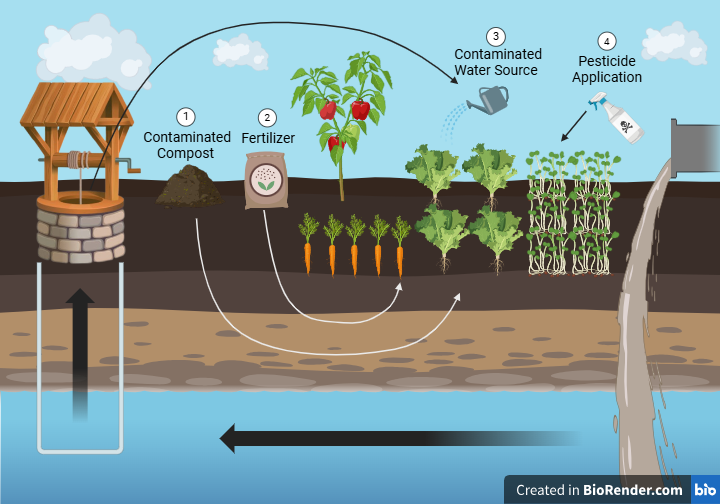
Soil contamination happens when harmful substances enter the ground. These substances can come from many places.
Knowing where contamination starts helps to keep soil samples clean and accurate for testing.
Industrial Pollutants
Factories and plants release chemicals that can soak into the soil. These include heavy metals, oils, and solvents. These pollutants can harm the soil and living things in it.
Common industrial pollutants:
- Heavy metals like lead and mercury
- Petroleum products such as oils and fuels
- Chemical solvents and waste
- Acids and alkalis
Agricultural Chemicals
Farmers use chemicals to protect crops and increase yields. Pesticides, herbicides, and fertilizers can stay in the soil for a long time. They may cause contamination if not handled well.
| Chemical Type | Effect on Soil |
| Pesticides | Kills pests but can harm beneficial insects |
| Herbicides | Controls weeds but may affect other plants |
| Fertilizers | Helps plants grow but can cause nutrient buildup |
Urban Waste And Debris
Trash and waste from cities add many harmful materials to the soil. Broken glass, plastics, and chemicals from garbage can pollute soil samples.
- Household waste like paints and batteries
- Construction debris such as concrete and metals
- Plastic and glass pieces
- Runoff from streets carrying oils and chemicals
Credit: www.canr.msu.edu
Proper Soil Sampling Techniques
Collecting soil samples correctly is important for accurate testing. Wrong methods can change test results.
Use good techniques to avoid contamination. This keeps the soil sample clean and reliable.
Choosing Sampling Locations
Pick spots that show the area’s true soil condition. Avoid places near roads or old dumps.
Take samples from several spots to get a good mix. This helps find the average soil quality.
- Stay away from spots with visible trash or spills
- Choose spots evenly spread across the field or garden
- Avoid areas recently fertilized or disturbed
Using Clean Tools
Use clean tools for each sample to stop dirt or chemicals from mixing. Dirty tools can change test results.
Wash tools with water and dry before use. Metal tools should be free from rust and soil.
- Use a clean trowel or auger for digging
- Clean sampling containers before filling
- Do not reuse soil bags or containers without cleaning
Avoiding Cross-contamination
Keep soil samples separate to stop mixing from different areas. Cross-contamination can give wrong results.
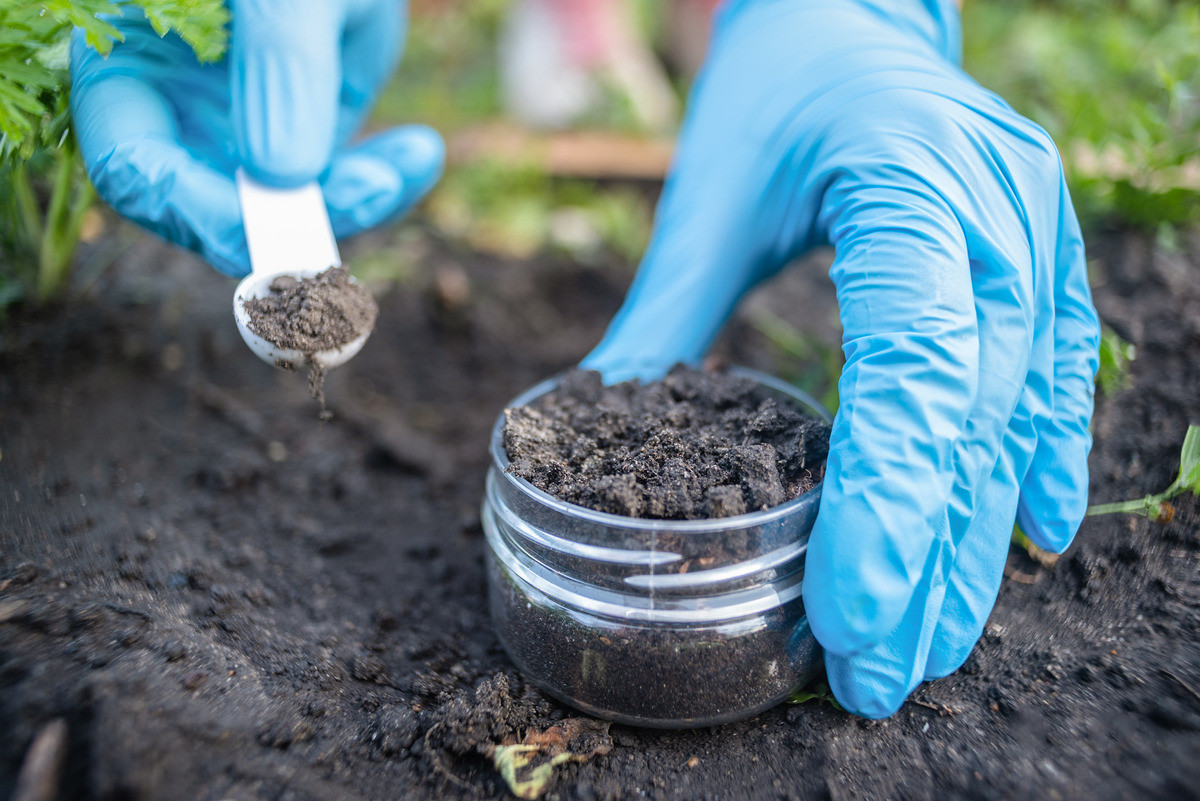
Label each sample clearly. Use new gloves or wash hands between samples to keep them pure.
- Do not put soil from different locations in one bag
- Clean tools between each sample
- Store samples in separate, sealed containers
Handling And Storage Of Samples
Proper handling and storage of soil samples is key to avoid contamination. Careful steps keep the samples true to the original soil conditions.
This guide covers how to select containers, label samples, and store them safely to maintain sample integrity.
Selecting Appropriate Containers
Use clean, non-reactive containers to hold soil samples. Avoid metal containers that can react with soil chemicals.
- Choose plastic or glass containers with tight lids
- Make sure containers are free from dirt and residues
- Use containers large enough to hold the sample without crowding
- Do not reuse containers from other materials without proper cleaning
Labeling Samples Accurately
Clear labeling prevents mix-ups and keeps sample data reliable. Write all details on waterproof labels.
| Label Item | Description |
| Sample ID | Unique code or number for each sample |
| Collection Date | Date when the sample was taken |
| Location | Exact place of sample collection |
| Collector Name | Person who took the sample |
Storing Samples Safely
Store soil samples in cool, dry places to slow down changes. Avoid direct sunlight and moisture.
- Keep samples sealed tightly to prevent contamination
- Do not store samples near chemicals or strong odors
- Use insulated boxes if samples need to stay cool
- Label storage areas clearly to avoid mix-ups
Credit: www.canr.msu.edu
Laboratory Best Practices
Soil sample contamination can lead to wrong test results. Following good lab practices helps keep samples pure. It protects the accuracy of soil analysis.
Lab workers must handle samples carefully. Clean tools and strict procedures reduce contamination risks. This guide covers key steps to follow.
Sample Preparation Procedures
Prepare soil samples with care to avoid mixing outside materials. Use clean containers and label samples clearly. Avoid touching soil with bare hands.
- Wear disposable gloves to prevent direct contact.
- Use sterile scoops or spatulas for each sample.
- Dry soil samples in a clean, dust-free area.
- Grind or sieve soil only with cleaned equipment.
- Store samples in sealed bags or containers.
Equipment Cleaning Protocols
Cleaning tools and equipment prevents cross-contamination between samples. Follow a regular cleaning schedule using proper agents.
| Equipment | Cleaning Method | Frequency |
| Scoops and spatulas | Wash with detergent and rinse with distilled water | Before and after each use |
| Sample containers | Use alcohol wipe and dry thoroughly | Before sample storage |
| Sieves | Brush off debris and wash with soap solution | After each batch of samples |
Quality Control Measures
Check samples regularly to ensure no contamination has occurred. Use blanks and duplicates to monitor lab accuracy. Document all procedures clearly.
- Include blank samples to detect contamination.
- Run duplicate samples to check consistency.
- Label all samples and controls properly.
- Keep detailed records of sample handling.
- Review data for unusual results.
Common Mistakes To Avoid
Collecting soil samples needs care to avoid contamination. Simple mistakes can change the test results. Knowing what to avoid helps keep samples pure and reliable.
This guide covers common errors that affect soil sample quality. Avoid these to get accurate soil analysis.
Ignoring Environmental Factors
Environmental conditions can affect soil samples. Ignoring these factors leads to wrong data and poor decisions.
- Do not collect samples near roads or factories where dust can settle.
- Avoid sampling after heavy rain to prevent water dilution.
- Stay clear of areas with recent fertilizer or pesticide use.
- Consider wind direction to avoid airborne contaminants.
Improper Tool Disinfection
Tools can carry dirt and chemicals from one site to another. Cleaning tools poorly causes cross-contamination in samples.
| Tool | Cleaning Method | Reason |
|---|---|---|
| Shovel | Scrape off soil, wash with water, and dry | Remove soil and residues |
| Auger | Disinfect with alcohol or bleach solution | Kill bacteria and chemicals |
| Sample bags | Use new or clean bags only | Prevent old soil mixing |
Delays In Sample Processing
Soil changes over time after collection. Long delays hurt sample quality and test accuracy.
- Send samples to the lab within 24 hours.
- Store samples in cool, dry places before shipping.
- Label samples clearly to avoid mix-ups.
- Keep samples sealed to stop moisture loss.
Expert Tips For Reliable Results
Collecting soil samples without contamination is key to accurate tests. Contaminants can change the soil’s properties and give wrong results. Following expert tips helps keep samples pure and reliable.
This guide covers training, record-keeping, and method review to avoid contamination in soil sampling.
Training And Experience
Proper training ensures that everyone involved understands how to handle soil samples correctly. Experience helps workers recognize possible contamination risks.
- Train staff in clean sampling techniques
- Practice using new tools and equipment carefully
- Learn how to avoid cross-contamination between samples
- Use gloves and clean containers for each sample
- Understand the importance of sample labeling and storage
Documentation And Record-keeping
Keeping detailed records helps track samples and identify problems quickly. Good documentation supports the reliability of test results.
| Record Type | Details to Include |
| Sample ID | Unique code for each soil sample |
| Collection Date | Date and time sample was taken |
| Location | Exact site where soil was collected |
| Sampler Name | Person responsible for collecting the sample |
| Storage Method | How and where the sample is stored |
Regular Method Review
Reviewing sampling methods helps find and fix mistakes. This keeps the process up to date with best practices.
- Check if tools are clean and in good condition
- Test new sampling techniques for better accuracy
- Compare results from different methods regularly
- Train staff again after method changes
- Document changes and results after review
Credit: www.ams-samplers.com
Frequently Asked Questions
How Can I Prevent Soil Sample Contamination?
Use clean tools and gloves when collecting samples. Avoid touching soil directly. Store samples in airtight containers to keep them pure.
Why Is Avoiding Contamination In Soil Samples Important?
Contamination skews test results, leading to inaccurate soil analysis. Clean samples ensure correct nutrient and pollutant assessments for better soil management.
What Tools Help Reduce Soil Sample Contamination?
Use sterilized shovels, trowels, and clean plastic bags. Avoid metal tools that may react with soil chemicals.
How Should Soil Samples Be Stored To Avoid Contamination?
Store samples in sealed, labeled containers. Keep them cool and dry to prevent microbial growth and chemical changes.
Conclusion
Avoiding contamination in soil samples protects your test results. Use clean tools and wear gloves to keep samples pure. Collect soil carefully from the right depth and location. Store samples in clean, sealed containers to stop dirt or water from mixing in.
Label each sample clearly to avoid mix-ups. Follow these simple steps every time you gather soil. This keeps your data accurate and reliable. Clean habits lead to better soil testing and stronger results.
