
Have you ever wondered why some of your plants look healthier and bloom longer while others seem to struggle? The secret often lies in how you care for them—especially when it comes to pruning and deadheading.
These two gardening tasks might seem similar, but they serve very different purposes. Understanding the difference between pruning and deadheading can make a big impact on your garden’s growth and beauty. Keep reading, and you’ll discover simple tips that can help you make the most out of your plants, boost their health, and enjoy a more vibrant garden all season long.
Pruning Basics
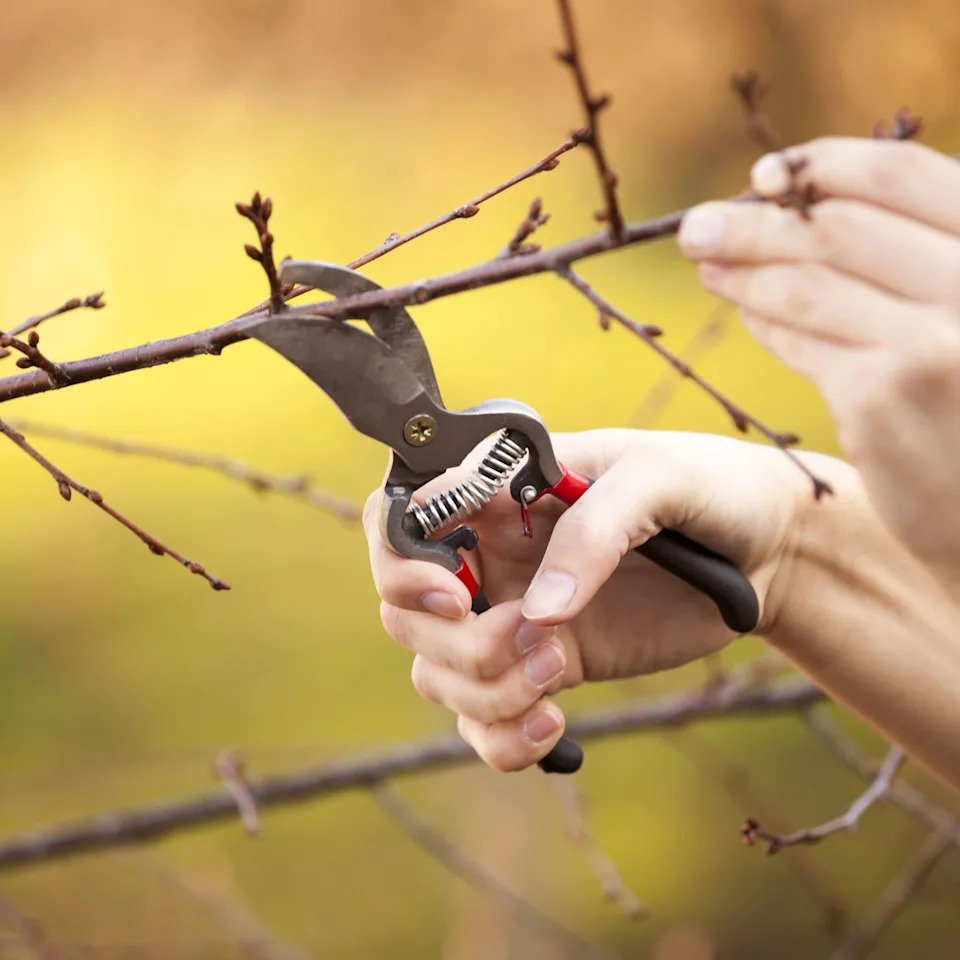
Pruning is cutting parts of plants to help them grow better. It keeps plants healthy and neat.
People often confuse pruning with deadheading. Both improve plant care but have different goals.
Purpose Of Pruning
Pruning removes old or unhealthy branches. It helps plants grow stronger and look better.
Pruning also shapes the plant and stops diseases from spreading. It can increase flower and fruit production.
- Remove dead or damaged branches
- Shape the plant for better growth
- Prevent diseases and pests
- Encourage flowers and fruits
Tools Used For Pruning
Different pruning tools help cut branches cleanly. Using the right tool protects the plant.
- Pruning shears for small branches
- Loppers for medium branches
- Pruning saws for thick branches
- Gloves to protect your hands
Keep tools sharp and clean to avoid hurting the plant.
When To Prune
Timing affects how well plants recover after pruning. Some plants need pruning in specific seasons.
Many plants do best with pruning in late winter or early spring before new growth starts.
- Prune flowering plants after they bloom
- Prune trees in late winter or early spring
- Avoid pruning in fall to prevent winter damage

Credit: uk.style.yahoo.com
Deadheading Essentials
Deadheading means removing old or faded flowers from plants. It helps plants grow new blooms.
This practice is different from pruning, which removes branches or stems to shape the plant.
Purpose Of Deadheading
Deadheading stops plants from making seeds. This saves energy for new flowers.
It also keeps plants looking neat and encourages longer blooming periods.
- Prevents seed production
- Promotes more flowers
- Keeps plants tidy
Tools For Deadheading
You can deadhead using your fingers or simple tools. Clean cuts help plants heal faster.
- Pruning shears for thick stems
- Scissors for thin stems
- Gloves to protect your hands
Make sure tools are sharp and clean to avoid plant damage and disease.
Ideal Timing For Deadheading
Deadhead plants regularly to keep them healthy. Remove flowers as soon as they fade.
Morning or late afternoon is the best time to deadhead because temperatures are cooler.
- Check plants every few days
- Remove faded or dead flowers
- Avoid deadheading in hot midday sun
Comparing Techniques
Pruning and deadheading are two common gardening techniques. Both help keep plants healthy and looking good.
These techniques target different parts of the plant and affect growth in unique ways. Understanding their differences can help you care better for your garden.
Differences In Plant Parts Targeted
Pruning removes branches, stems, or entire parts of a plant. It targets woody or larger sections to shape the plant.
Deadheading focuses on removing old or faded flowers. It targets only the spent blooms without cutting branches.
- Pruning: cuts branches, stems, or shoots
- Deadheading: removes dead or wilted flowers
- Pruning shapes plants; deadheading improves flowering
Impact On Plant Growth
Pruning encourages strong growth by removing crowded or damaged parts. It helps plants grow new branches and stay healthy.
Deadheading helps plants focus energy on producing new flowers. It prevents seed formation, which can slow down blooming.
- Pruning stimulates new branch and leaf growth
- Deadheading promotes more flowers and longer bloom time
- Both improve plant health in different ways
Frequency And Maintenance
Pruning is done less often, usually once or twice a year. It is a major care task for shaping and renewing plants.
Deadheading is done frequently during the growing season. It requires regular checks to remove spent flowers and keep plants blooming.
- Pruning: done seasonally, low frequency
- Deadheading: done regularly, high frequency
- Pruning requires more skill; deadheading is simple
Benefits To Garden Health
Pruning and deadheading are two common gardening tasks. Both help keep plants healthy and strong.
Knowing the difference can improve how your garden grows. Each has special benefits for plant care.
Enhancing Flower Production
Deadheading removes old flowers after they fade. This helps plants make more blooms.
Pruning cuts back branches to encourage new growth. It also directs energy to flower buds.
- Deadheading keeps plants focused on new flowers.
- Pruning stimulates growth and more flower sites.
- Both help extend the blooming season.
Preventing Disease
Pruning removes dead or weak branches. This stops pests and disease from spreading.
Deadheading clears old flowers that can rot. Removing these reduces mold and fungus risks.
- Pruning improves air flow in plants.
- Deadheading keeps plants clean and dry.
- Both reduce chances of infection and pests.
Improving Plant Shape
Pruning shapes plants by cutting back branches. It controls size and encourages strong stems.
Deadheading keeps plants neat by removing old blooms. It stops plants from looking messy or overgrown.
- Pruning creates balanced, healthy plant forms.
- Deadheading gives a tidy, fresh appearance.
- Both improve garden beauty and plant health.
Common Mistakes
Pruning and deadheading are key gardening tasks. They keep plants healthy and blooming. Many gardeners confuse these tasks or make errors.
Understanding common mistakes helps you care for plants better. This guide covers three main errors to avoid.
Overdoing Pruning
Pruning too much can harm plants. It may slow growth or cause stress. Some think cutting back heavily helps, but it often does not.
- Removing too many branches at once
- Pruning during the wrong season
- Cutting main stems instead of dead or weak ones
- Ignoring plant-specific pruning needs
Ignoring Deadheading
Deadheading means removing spent flowers. Skipping this slows new blooms and wastes energy. Some gardeners forget or think it is not needed.
| Effect | When Deadheading Is Ignored |
| Flower Production | Decreases quickly |
| Plant Energy Use | Wasted on seed growth |
| Appearance | Looks untidy |
Using Incorrect Tools
Wrong tools can damage plants or make tasks harder. Sharp, clean tools are best for both pruning and deadheading.
- Use pruning shears for thick branches
- Use scissors for deadheading small flowers
- Keep tools clean to avoid infections
- Replace dull blades regularly

Credit: uk.style.yahoo.com
Choosing What To Use
Pruning and deadheading are two ways to care for plants. Each has a different purpose and suits different plants.
Choosing the right method helps plants grow better and look healthy.
Plant Types For Pruning
Pruning works well for trees and shrubs. It helps shape plants and remove old or weak branches.
Pruning also encourages new growth in woody plants and keeps them strong.
- Fruit trees need pruning to produce more fruit
- Shrubs get pruned to stay neat and healthy
- Vines benefit from pruning to control size
Plants Suited For Deadheading
Deadheading suits flowering plants. It means removing old blooms to help new flowers grow.
This method keeps flowers looking fresh and extends the blooming period.
- Annual flowers like marigolds and petunias
- Perennials such as daisies and coneflowers
- Some shrubs with many blooms, like roses
Seasonal Considerations
Pruning and deadheading depend on the season. Use pruning mostly in late winter or early spring.
Deadheading works best during the growing season to keep flowers blooming longer.
- Prune before plants start new growth in spring
- Deadhead regularly in spring and summer
- Avoid heavy pruning in fall or winter

Credit: uk.style.yahoo.com
Frequently Asked Questions
What Is The Main Difference Between Pruning And Deadheading?
Pruning involves cutting back branches to shape plants or remove dead parts. Deadheading specifically means removing spent flowers to encourage new blooms and maintain plant health.
How Does Pruning Benefit Plant Growth?
Pruning removes dead or overgrown branches, improving air circulation and sunlight. This promotes healthier growth and can increase flowering or fruit production.
Why Is Deadheading Important For Flowering Plants?
Deadheading prevents plants from wasting energy on seed production. It encourages continuous blooming and keeps plants looking tidy and vibrant.
When Should I Prune Versus Deadhead My Plants?
Pruning is done during dormant seasons or as needed for shape. Deadheading is done regularly during flowering to remove faded blooms and boost growth.
Conclusion
Pruning and deadheading both help plants grow better. Pruning shapes plants and removes old branches. Deadheading removes spent flowers to boost new blooms. Each method has a clear purpose in gardening care. Using them correctly keeps plants healthy and vibrant.
Remember, pruning is for structure, deadheading for flowers. Both practices improve your garden’s look and health. Try them to see the difference in your plants. Simple steps with big results. Your garden will thank you.
