
Are you tired of seeing brown patches or scorched spots on your lawn after using a sprayer? You’re not alone.
Many people accidentally harm their grass without realizing it. But it doesn’t have to be this way. With the right steps, you can protect your lawn and keep it lush and green. You’ll discover simple, effective tips to avoid damaging your grass when using a sprayer.
Keep reading, and your lawn will thank you!
Choosing The Right Sprayer
Using the right sprayer helps keep your grass healthy. It prevents damage and spreads liquids evenly.
Picking a good sprayer depends on your lawn size and the liquid you want to apply.
Types Of Sprayers
There are different sprayers for lawns. Choose one that fits your needs and lawn size.
- Handheld Sprayers:Best for small areas. Easy to carry and use.
- Backpack Sprayers:Good for medium lawns. Worn on your back for comfort.
- Push Sprayers:Ideal for large lawns. Push like a lawn mower.
- Tank Sprayers:Used for big areas and professional jobs.
Selecting Based On Lawn Size
Match your sprayer to the size of your lawn. This saves time and avoids waste.
- Small lawns: Use handheld sprayers for easy control.
- Medium lawns: Backpack sprayers cover more ground quickly.
- Large lawns: Push or tank sprayers work best for wide areas.
Calibration Tips
Calibrate your sprayer to apply the right amount of liquid. Too much can harm grass.
Check the sprayer’s flow rate and adjust the nozzle if needed. Test on a small patch first.
- Read the sprayer manual for calibration instructions.
- Measure how much liquid covers a set area.
- Adjust pressure or nozzle size to control flow.
- Spray slowly and evenly for best results.
Preparing Your Lawn
Preparing your lawn before spraying helps protect the grass. Taking simple steps can reduce damage and keep your lawn healthy.
Good preparation improves the effectiveness of spraying and keeps grass strong. Follow these tips to get your lawn ready.
Mowing Before Spraying
Mow your lawn a few days before spraying. Cut the grass to a medium height, not too short.
This helps the spray reach the grass blades evenly. Avoid mowing right before spraying to prevent stress on the grass.
Watering Schedule
Water your lawn a day before spraying. Moist soil helps the grass absorb nutrients better.
Do not water right after spraying. Wait at least 24 hours to let the spray work effectively.
- Water deeply to reach roots
- Keep soil moist but not soggy
- Adjust watering based on weather
Clearing Debris
Remove leaves, sticks, and other debris from your lawn before spraying. Debris blocks spray from reaching the grass.
Clear areas with heavy debris to ensure even coverage. This helps protect the grass from uneven treatment and damage.
Spraying Techniques
Using a sprayer on your grass needs care. Proper spraying keeps grass healthy and green.
Follow simple techniques to avoid damage when spraying your lawn or garden.
Optimal Weather Conditions
Spray grass when the weather is calm and cool. Wind can blow spray onto unwanted areas.
Avoid spraying in hot sun to stop chemicals from burning the grass.
- Choose early morning or late afternoon
- Spray on dry days without strong wind
- Check weather to avoid rain soon after spraying
Proper Spray Distance
Keep the sprayer nozzle at the right height above the grass. This controls spray spread and amount.
Too close causes too much spray on one spot. Too far wastes spray and misses grass.
- Hold nozzle 12 to 18 inches above grass
- Move sprayer evenly for full coverage
- Check spray pattern to avoid heavy spots
Avoiding Overlap
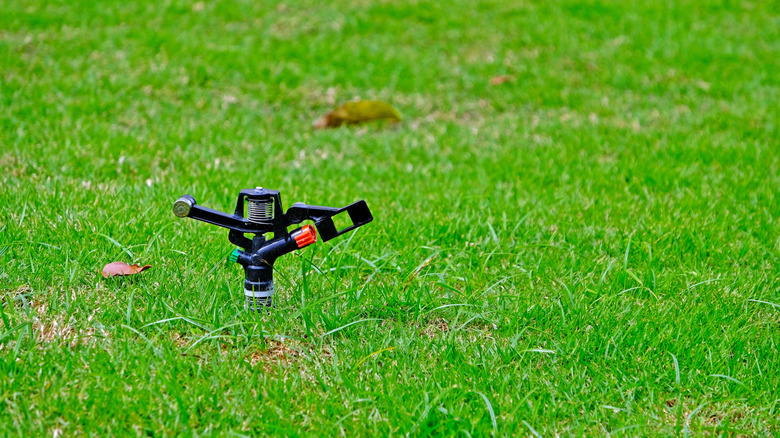
Do not spray over the same area twice. Overlap can cause grass damage and chemical buildup.
Use steady, even passes to cover the whole lawn once. Mark sprayed areas if needed.
- Walk at a steady pace with sprayer
- Line up each pass beside the last one
- Use flags or markers for large areas
Credit: www.housedigest.com
Using Safe Chemicals
Protecting your grass means choosing the right chemicals. Some sprays can harm your lawn if used carelessly.
Using safe chemicals helps keep grass healthy and green. Learn how to pick and use these products correctly.
Choosing Lawn-friendly Products
Select chemicals made for lawns. These products limit damage to grass and soil. Avoid harsh pesticides and weed killers that can burn grass.
- Look for products labeled “safe for lawns”
- Pick organic or natural sprays when possible
- Avoid chemicals with high toxicity ratings
- Use fertilizers with balanced nutrients
Reading Labels Carefully
Labels have important details about safe use. Read all instructions before applying any chemical. Check the recommended amount and application method.
| Label Section | What to Check |
| Active Ingredients | Identify chemicals safe for grass |
| Usage Instructions | Follow application rates and timing |
| Safety Warnings | Avoid use during hot or windy weather |
| Storage Guidelines | Keep products sealed and away from children |
Mixing Solutions Correctly
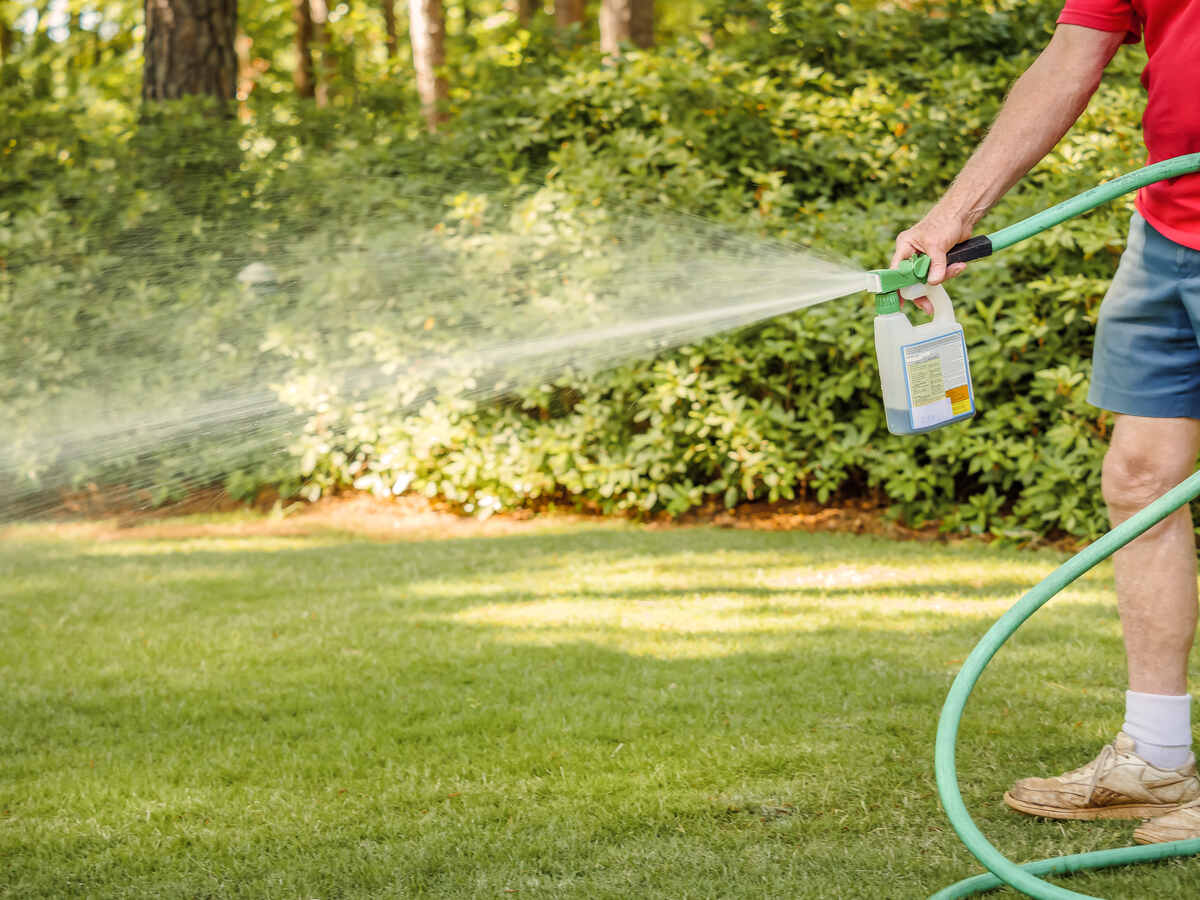
Mix chemicals with water in the right amounts. Too strong mixes can burn grass. Too weak mixes may not work well.
- Measure water and chemical carefully
- Use clean containers and sprayers
- Mix slowly to avoid spills and splashes
- Test a small area before full application
- Wash equipment after use to prevent residue buildup
Post-spraying Care
After using a sprayer on your lawn, proper care helps keep grass healthy. Taking these steps reduces damage and supports recovery.
Focus on watering, watching lawn health, and fixing any harmed spots to maintain a green lawn.
Watering After Application
Water your lawn lightly after spraying to help the chemicals settle. Avoid heavy watering for at least 24 hours to keep the product effective.
- Use a fine spray to avoid washing off the treatment
- Water early in the morning or late in the evening
- Do not overwater; keep soil moist but not soggy
Monitoring Lawn Health
Check your lawn regularly after spraying to catch any signs of stress or damage early. Look for discoloration, thinning, or dry patches.
| Sign | Possible Cause | Action |
| Yellowing leaves | Chemical burn | Water gently and avoid more spraying |
| Patchy grass | Uneven application | Spot treat damaged areas |
| Wilting | Underwatering | Increase watering moderately |
Spot Treating Damaged Areas
If you see damaged spots on your lawn, treat them carefully to help recovery. Use targeted care instead of spraying the whole area again.
- Remove dead grass gently using a rake
- Apply a small amount of fertilizer or grass seed
- Water the spot lightly every day until new growth appears
- Keep foot traffic off treated areas

Credit: www.aol.com
Common Mistakes To Avoid
Spraying grass with chemicals needs care to keep it healthy. Many people make simple mistakes that harm the grass. Avoiding these errors helps your lawn stay green and strong.
This guide covers common errors that cause damage. Learn what to watch out for during spraying to protect your grass.
Spraying In Windy Conditions
Spraying when the wind blows can spread chemicals to unwanted areas. This causes harm to your grass and nearby plants.
- Spray only when the wind is calm, ideally below 5 mph.
- Check the weather before you start spraying.
- Avoid spraying near sidewalks or driveways where chemicals can drift.
- Use nozzles that create larger droplets to reduce drift.
Ignoring Calibration
Calibration means setting your sprayer to apply the right amount of chemical. Skipping this causes overuse or underuse, both bad for grass.
| Calibration Error | Effect on Grass |
| Too much chemical | Burns or kills grass |
| Too little chemical | Pests or weeds survive |
| Uneven spraying | Patchy grass growth |
Using Excessive Chemicals
Applying too much chemical harms grass roots and soil life. It also wastes money and increases pollution risk.
Follow these tips to avoid overusing chemicals:
- Read the product label carefully for the correct amount.
- Use measuring tools to get exact doses.
- Apply chemicals only as often as recommended.
- Store chemicals safely to keep them effective.
Credit: www.lawnstarter.com
Frequently Asked Questions
How Can I Prevent Sprayer Damage To My Lawn Grass?
To prevent sprayer damage, use the correct nozzle and pressure settings. Avoid over-application and spray during calm weather to minimize drift. Always follow product instructions carefully for safe and effective lawn care.
What Sprayer Settings Are Best For Healthy Grass?
Use low to medium spray pressure and a nozzle that produces larger droplets. This reduces drift and ensures even coverage without saturating the grass, protecting it from chemical damage.
When Is The Safest Time To Spray Grass With Chemicals?
Spray early in the morning or late in the evening when wind is minimal. These times reduce evaporation and drift, helping the chemicals settle properly without harming your grass.
How Do I Avoid Chemical Over-application With A Sprayer?
Calibrate your sprayer before use to apply the recommended chemical amount. Measure the spray rate and adjust speed and pressure accordingly to prevent excessive chemical application.
Conclusion
Protecting your lawn from sprayer damage is crucial. Start by choosing the right sprayer. Always follow instructions carefully. Test on a small area first. Adjust the nozzle for even distribution. Maintain a steady pace while spraying. Check weather conditions before starting.
Avoid windy days to prevent drift. Regularly clean your sprayer. This keeps it functioning well. A little caution goes a long way. Healthy grass rewards your efforts. Enjoy a lush, green lawn with these easy steps. Keep your grass thriving and beautiful.
Your lawn will thank you.

