
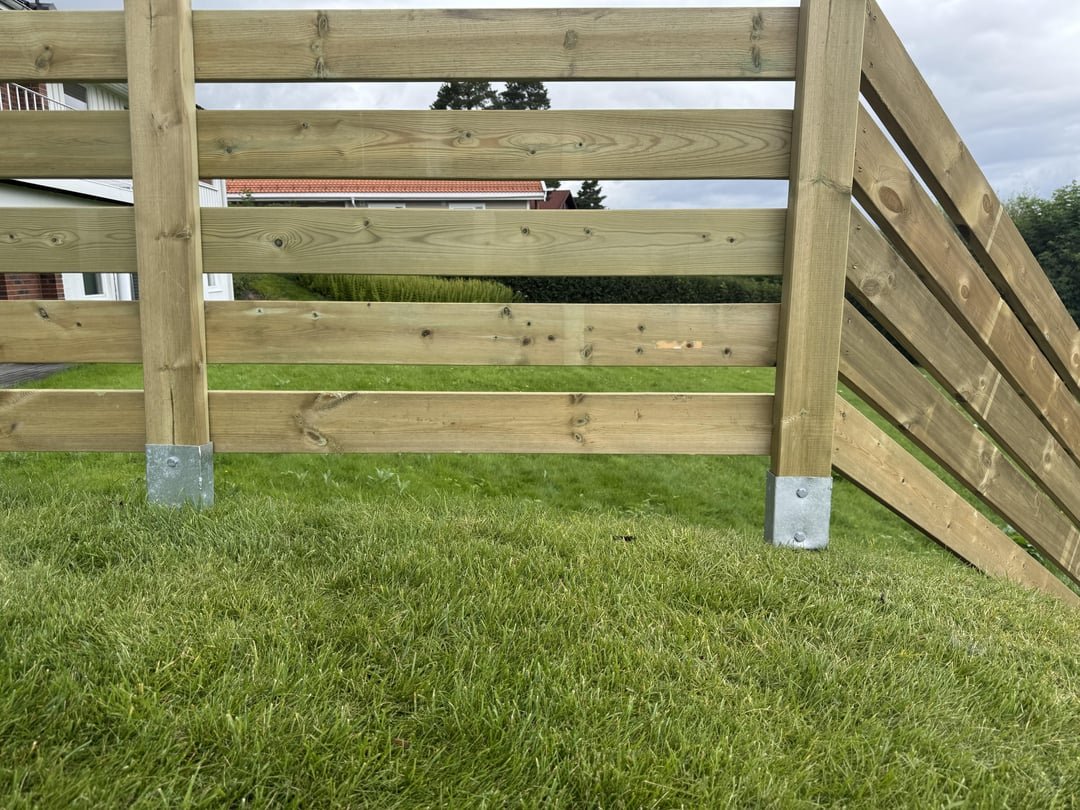
Are you tired of uneven, messy edges along your fences? Perfectly edging near fences can make your yard look sharp, neat, and professionally maintained.
But it’s not always easy to get that clean line without damaging the fence or wasting time. You’ll discover simple, effective techniques to edge near fences like a pro. These tips will save you effort and give your lawn that polished finish you’ve been aiming for.
Ready to transform your yard’s edges and impress everyone who sees it? Let’s get started!

Credit: www.perennialgardens.biz
Choosing The Right Tools
Edging near fences creates a clean border for your lawn. Picking the right tools makes this task easier and safer.
Different tools work better for different yard sizes and fence types. Knowing your options helps you work smart.
Manual Vs. Powered Edgers
Manual edgers use your own strength to cut grass edges. Powered edgers run on electricity or gas and need less effort.
- Manual Edgers:Quiet, low cost, need physical effort.
- Powered Edgers:Faster, more power, can be noisy.
- Electric Models:Light and easy to use, best for small yards.
- Gas Models:Stronger and good for large areas, but heavier.
Essential Accessories
Having the right accessories helps keep you safe and makes edging near fences more precise.
| Accessory | Purpose | Notes |
| Safety Glasses | Protect eyes from debris | Wear every time you edge |
| Gloves | Protect hands and improve grip | Choose durable and comfortable gloves |
| String or Chalk Line | Mark straight edging lines | Helps keep edges neat near fences |
| Rake | Clean up cut grass and debris | Use after edging to tidy area |
Preparing The Lawn Edge
Creating a clean edge near fences improves your lawn’s look. Proper preparation helps the edging last longer.
Start by preparing the area carefully. This makes the edging process easier and neater.
Clearing Debris And Obstacles
Remove all leaves, sticks, and trash from the edge area. Clear any stones or roots that might block your tools.
Check for any plants or grass growing near the fence. Trim or move them to avoid damage during edging.
- Pick up leaves and sticks by hand or with a rake
- Pull out visible roots and weeds carefully
- Move stones and other hard objects away
- Trim plants close to the fence line
Marking The Edge Line
Mark the line where you want the edge to be. This helps keep the edge straight and even along the fence.
Use string, spray paint, or garden hose to show the line clearly. Make sure the line is smooth and follows the fence closely.
- Stretch string tightly along the fence
- Use spray paint to draw a clear line on the grass
- Lay a garden hose as a guide for curvy edges
- Check the line from different angles
Techniques For Edging Near Fences
Edging near fences can be tricky but important for a clean look. Proper techniques help keep the edges neat and protect your fence.
Using the right tools and methods makes edging easier and prevents damage to your fence or plants near it.
Maintaining A Straight Line
Keeping a straight line along the fence looks tidy and professional. Use a string or garden hose as a guide for straight edges.
Move slowly and check your work often to avoid uneven cuts. Trim small sections at a time for better control.
- Use a string line for a straight guide
- Trim in short, careful passes
- Check the edge from different angles
Avoiding Damage To Fence Posts
Fence posts can break if hit by tools or equipment. Keep a safe distance and use hand tools near posts to avoid damage.
Protect posts with padding or covers if you use power tools close by. Watch your movements carefully around the posts.
- Use hand trimmers near fence posts
- Keep power tools at a safe distance
- Cover posts with padding if needed
Handling Tight Corners And Curves
Tight corners and curves need gentle cutting to keep the edge smooth. Use smaller tools or hand shears for these areas.
Take your time trimming curves. Follow the shape of the fence and avoid cutting too far into the grass or soil.
- Use hand shears for tight spots
- Trim slowly to follow curves
- Don’t cut too deep near edges
Safety Tips While Edging
Edging near fences requires careful attention to safety. Using the right methods helps prevent accidents and damage.
Follow safety tips to protect yourself and keep your property safe. Wear proper gear and use tools correctly.
Protective Gear Essentials
Wearing protective gear lowers the risk of injury. Always prepare before starting your edging work near fences.
- Safety glasses to protect your eyes from flying debris
- Heavy-duty gloves to guard your hands
- Long pants and sturdy boots to shield your legs and feet
- Hearing protection to reduce noise from equipment
- A dust mask if working in dusty conditions
Safe Operation Practices
Operate your edging tool carefully to avoid harm or damage. Follow these steps for safe use near fences.
| Practice | Why It Matters |
| Check the area for obstacles | Prevents tripping and tool damage |
| Keep a firm grip on the tool | Maintains control during edging |
| Hold the tool at the right angle | Ensures clean edges and avoids fence damage |
| Keep bystanders at a safe distance | Prevents injuries from debris |
| Turn off the tool before adjusting | Reduces risk of accidental starts |
Maintaining Your Edging Tools
Keeping your edging tools in good condition helps you work better near fences. Proper care makes blades last longer and stay sharp.
Learn how to clean, sharpen, and store your tools to keep them ready for every job.
Cleaning And Sharpening Blades
After each use, clean your blades to remove dirt and sap. Use a brush and warm soapy water. Dry blades fully to stop rust.
- Wear gloves for safety while cleaning.
- Use a wire brush for tough debris.
- Sharpen blades with a file or sharpening stone.
- Check blades for nicks and smooth edges before sharpening.
- Apply oil to blades after sharpening to prevent rust.
Storage And Upkeep
Store your edging tools in a dry place to avoid moisture damage. Keep blades covered or sheathed for safety.
| Storage Tip | Reason |
| Hang tools on a pegboard | Keeps blades off the ground and dry |
| Use blade covers | Protects edges and prevents accidents |
| Oil moving parts | Prevents rust and keeps tools working smoothly |
| Check tools monthly | Spot damage early and fix it |

Credit: www.reddit.com
Troubleshooting Common Issues
Edging near fences can be tricky. It needs careful work to look good and stay safe.
Some problems often appear. Knowing how to fix them helps finish the job faster.
Uneven Edges
Uneven edges happen when the tool moves too fast or unevenly. This makes the grass line look messy.
To fix uneven edges, move the tool slowly and keep a steady hand. Use a guide like a string or a straight edge.
- Keep your tool level and steady
- Move slowly along the fence line
- Use a guide for a straight edge
- Check your work often and trim again if needed
Damaged Fence Areas
Fence damage can happen if the edging tool hits the fence hard or too close. It can scratch or break wood or metal.
Keep a safe distance from the fence. Use a lower speed or a smaller tool head near the fence to avoid damage.
- Check fence condition before edging
- Use protective covers on tools if possible
- Work slowly near the fence
- Repair any small damage quickly to stop it from getting worse
Tool Malfunctions
Tools can stop working well if blades are dull or parts get stuck. This makes edging hard and uneven.
Keep your edging tool clean and sharp. Check parts regularly and fix or replace broken ones to keep it working well.
- Sharpen or replace blades often
- Clean dirt and grass from tool parts
- Check for loose or broken parts before use
- Follow the tool manual for maintenance

Credit: www.reddit.com
Frequently Asked Questions
How Do You Edge Near Fences Safely?
To edge near fences safely, use a string trimmer with a guard. Keep a steady hand and trim slowly. Wear protective gear to avoid debris injuries. Maintain a consistent distance to prevent damage to the fence and plants.
What Tools Are Best For Edging Near Fences?
String trimmers and manual edging tools work best near fences. String trimmers offer precision and ease, while manual tools provide control. Choose based on fence material and garden size. Regular maintenance ensures clean, sharp edges without harming the fence.
How Often Should You Edge Near Fences?
Edge near fences every 1-2 weeks during growing season. Frequent edging prevents grass overgrowth and maintains neat borders. Adjust frequency based on grass growth rate and weather conditions. Regular edging enhances overall garden appearance and fence longevity.
Can Edging Damage My Fence?
Improper edging can scratch or dent fences, especially wood or metal. Use protective guards on tools and maintain a safe trimming distance. Avoid hitting the fence directly to prevent damage. Proper technique preserves fence integrity and garden aesthetics.
Conclusion
Edging near fences enhances your garden’s appearance. It keeps the space tidy. Safety should always be your priority. Use the right tools for neat results. Regular maintenance prevents overgrowth. Practice makes edging easier and efficient. Follow these tips for a beautiful garden edge.
Your effort will pay off with a clean, attractive yard. Remember to enjoy the process. It’s all about creating a space you love. Happy gardening, and may your fence lines always look sharp!

