
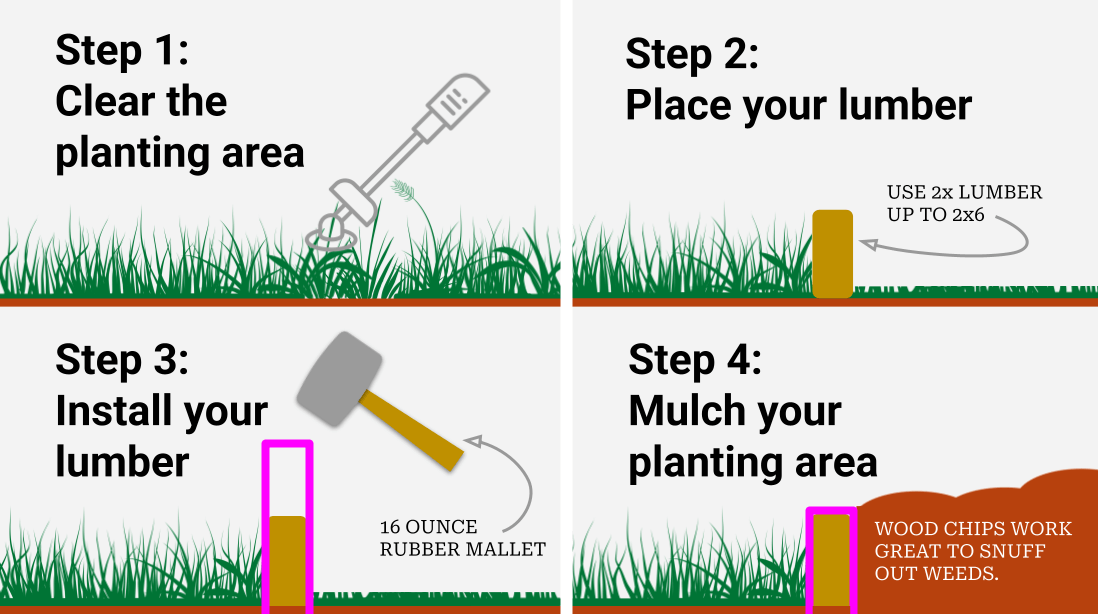
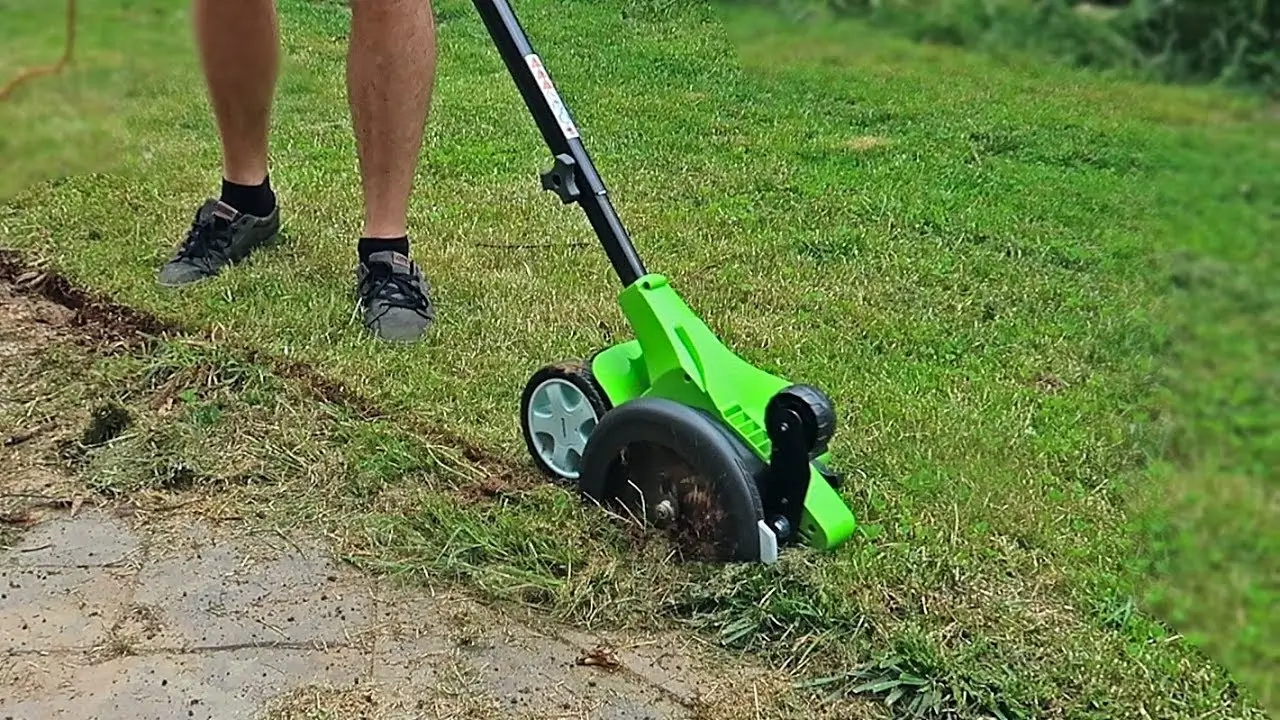
Are you tired of uneven, messy edges ruining the look of your lawn? Cutting lawn edging to the right size might seem tricky, but with the right tips, you can achieve sharp, clean lines that make your yard stand out.
Imagine how satisfying it will feel to see perfectly trimmed edges that highlight your garden’s beauty. Keep reading, and you’ll discover simple, step-by-step techniques to cut your lawn edging precisely—saving you time, effort, and frustration. Your lawn deserves that professional touch, and you’re just a few easy steps away from getting it.
Choosing Lawn Edging Materials
Choosing the right material for lawn edging helps keep your garden neat. The material affects the look and how long the edging lasts.
This guide covers common lawn edging types, their benefits and drawbacks, and how to pick the best one for your lawn.
Types Of Lawn Edging
Lawn edging comes in many materials. Some popular types include plastic, metal, stone, and wood. Each type has a unique style and use.
- Plastic:Flexible and easy to install.
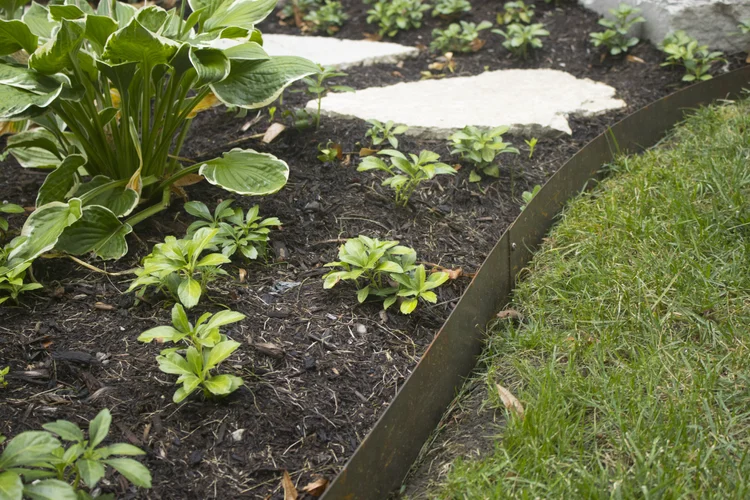
- Metal:Durable and sharp-looking.
- Stone:Natural and heavy.
- Wood:Classic and warm in appearance.
Material Benefits And Drawbacks
| Material | Benefits | Drawbacks |
| Plastic | Low cost, easy to cut | Less durable, can fade |
| Metal | Long-lasting, neat lines | Can rust, harder to cut |
| Stone | Very durable, natural look | Heavy, expensive |
| Wood | Attractive, easy to shape | Needs maintenance, can rot |
Selecting The Right Edging For Your Lawn
Think about your lawn style, budget, and how much work you want to do. Choose material that fits these needs.
- For a modern look, metal edges work well.
- If you want low cost and quick install, plastic is good.
- Stone suits natural or rustic gardens.
- Wood fits classic or cottage styles but needs care.
Tools Needed For Cutting Edging
Cutting lawn edging to the right size helps keep your garden tidy. Using the right tools makes the job easier and safer.
This guide explains the key tools and preparation steps you need before you start cutting your lawn edging.
Essential Cutting Tools
Choose the right tools based on the material of your lawn edging. Sharp and sturdy tools give clean cuts.
- Hand saw for wooden edging
- Hacksaw or metal cutting blade for metal edging
- Utility knife or heavy-duty scissors for plastic edging
- Measuring tape to measure the length accurately
- Marker or pencil to mark cutting lines
Safety Equipment
Safety is important when cutting any material. Protect yourself to avoid injuries.
| Safety Item | Purpose |
| Safety goggles | Protect eyes from dust and small debris |
| Work gloves | Protect hands from sharp edges and tools |
| Dust mask | Prevent inhaling dust, especially when cutting plastic |
| Ear protection | Reduce noise from power tools |
Preparing Your Workspace
Set up a clean and stable workspace before cutting. This helps you work safely and accurately.
- Clear the area of obstacles and debris
- Use a sturdy workbench or saw horses to support the edging
- Ensure good lighting so you can see cutting lines clearly
- Keep your tools organized and within reach
- Have a container ready for scrap pieces and waste
Measuring For A Perfect Fit
Cutting lawn edging to the right size helps keep your garden neat. Measuring well prevents waste and gaps.
Take your time measuring before you cut. This makes sure each piece fits perfectly.
Taking Accurate Measurements
Use a tape measure to get the length of the area you want to edge. Measure along the ground, following the edge shape.
Measure twice to avoid mistakes. Write down the measurements so you don’t forget them.
- Start at one end of the lawn edge
- Run the tape measure along the border
- Note the length in feet or meters
- Repeat to confirm the number
Marking Cutting Lines
Place the lawn edging on a flat surface before cutting. Use a marker or chalk to draw a line where you want to cut.
Make sure the line is straight and clear. This helps you cut cleanly and avoid uneven edges.
- Lay the edging flat
- Use your measurement notes to mark the length
- Draw a straight line across the edging
- Double-check the marks before cutting
Adjusting For Curves And Corners
Curves and corners need extra care when measuring and cutting. Measure each section separately for a better fit.
Cut small pieces and join them to follow the shape. Use flexible edging if your lawn has many curves.
- Break curves into smaller straight segments
- Measure each segment carefully
- Mark and cut each piece separately
- Connect pieces smoothly along curves
Credit: www.glennfrazee.com
Cutting Techniques For Different Materials
Cutting lawn edging to the right size helps keep your garden neat. Different materials need different cutting tools and ways. Learning how to cut plastic, metal, and wood edging will save you time and effort.
This guide shows simple methods to cut each type of material safely and cleanly. Follow the steps to get the perfect fit for your lawn.
Cutting Plastic Edging
Plastic edging is lightweight and easy to cut. Use a sharp utility knife or garden shears. Mark your cut line with a pencil before cutting.
- Score the plastic along the marked line using a utility knife.
- Bend the plastic back and forth to snap it cleanly.
- Use garden shears for thinner plastic strips.
- Wear gloves to avoid cuts from sharp edges.
Cutting Metal Edging
Metal edging needs stronger tools. A hacksaw or an angle grinder works well. Measure and mark carefully before cutting.
| Tool | Best Use | Safety Tip |
| Hacksaw | Small metal edging pieces | Wear gloves and eye protection |
| Angle grinder | Large or thick metal edging | Use face shield and ear protection |
| Metal snips | Thin metal strips | Cut slowly to avoid sharp edges |
Cutting Wood Edging
Wood edging requires a saw for clean cuts. A handsaw or a power saw can work. Mark your cutting line clearly on the wood.
Tips for cutting wood edging:
- Use a fine-toothed saw for smooth edges.
- Clamp the wood to a stable surface before cutting.
- Cut slowly to avoid splintering.
- Sand edges after cutting for a neat finish.
Installing Cut Edging Pieces
Cutting lawn edging to size helps create a neat garden border. Proper installation keeps the edging firm and straight.
This guide covers how to install the cut edging pieces for a clean lawn edge.
Aligning Edging Sections
Place each cut edging piece carefully along the lawn edge. Make sure the edges line up well with each other.
Check that the top edges are level to keep a smooth look. Avoid gaps or overlaps between sections.
- Lay pieces flat on the ground
- Match edges tightly together
- Keep the top edges even
Securing Edging In Place
Use stakes or spikes to hold the edging firmly. Push them into the ground near each piece’s edge.
Make sure the stakes go deep enough to prevent movement. Check that the edging stays straight after securing.
- Place stakes every 12 to 18 inches
- Drive stakes straight into the soil
- Check and adjust the edging after staking
Handling Joints And Seams
Join edging pieces with care for a clean finish. Use connectors if the edging system includes them.
If connectors are not available, overlap edges slightly. Press down firmly to keep them tight and secure.
- Use connectors for a flush joint
- Overlap edges slightly if needed
- Press seams firmly to avoid gaps
Credit: growcycle.com
Maintaining Lawn Edging
Lawn edging gives your garden a neat, clean look. Keeping it in good shape helps your yard look tidy all year.
Cutting lawn edging to size is just one part. Regular care keeps it strong and lasting longer.
Regular Inspection Tips
Check your lawn edging often for any signs of wear or damage. Look for cracks, loose parts, or dirt build-up.
Early spotting helps you fix small problems before they get worse. This keeps the edging secure and looking good.
- Walk around the yard weekly to inspect edging
- Look closely at corners and joints
- Remove dirt and grass that covers the edging
- Note any broken or bent pieces
Repairing Damaged Sections
If you find cracks or breaks, fix them quickly. Replace broken parts or use strong adhesive for small cracks.
Make sure the edging fits tightly in the soil after repair. This stops grass and weeds from growing over.
- Remove damaged edging carefully
- Cut new pieces to fit exactly
- Use garden stakes to hold edging in place
- Apply waterproof glue for plastic or metal edging
Seasonal Care Advice
Season changes affect your lawn edging. Prepare it for winter and summer to avoid damage.
Clean edging in spring and fall. Check that it is still straight and firmly in the ground.
- Remove leaves and debris in autumn
- Check for frost damage after winter
- Trim grass along the edging in summer
- Re-secure edging if soil shifts during rain

Credit: www.redfin.com
Frequently Asked Questions
How Do I Measure Lawn Edging Before Cutting?
Measure the length needed along the lawn edge. Use a tape measure for accuracy. Mark the cutting points clearly with chalk or a marker.
What Tools Are Best For Cutting Lawn Edging?
Use a hacksaw, pruning shears, or an electric saw. Choose tools based on edging material like plastic or metal. Ensure the tool blade is sharp for clean cuts.
How Can I Ensure Straight Cuts On Lawn Edging?
Mark a straight line with a ruler or guide. Secure the edging firmly to avoid movement. Cut slowly following the marked line for precision.
Can I Cut Lawn Edging To Fit Curved Edges?
Yes, flexible edging can be cut and bent to curves. Make small cuts or notches to help it bend smoothly. Secure edges tightly to maintain shape.
Conclusion
Cutting lawn edging to size can be simple. Start with the right tools. Measure carefully before you cut. Secure the edging firmly in place. This prevents any movement. Use a sharp cutter for clean edges. Check the final fit. Adjust if needed for a neat look.
Regular maintenance keeps your lawn tidy. Practice improves your skills over time. Enjoy a well-defined and beautiful garden edge. Happy gardening!

