
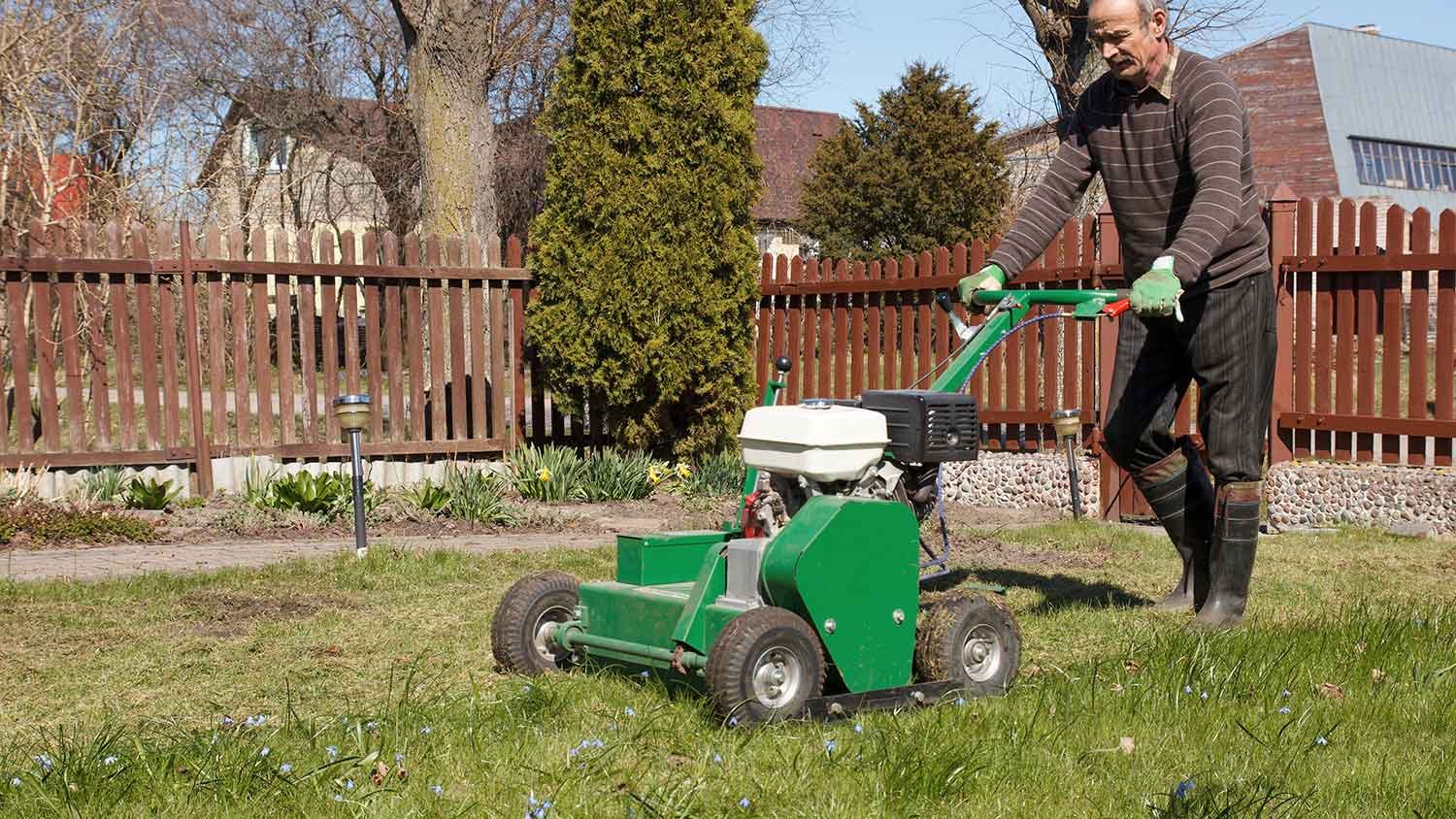
Are you struggling with hard, compacted soil in your garden? You might be wondering if a tiller can help you aerate it effectively.
Aerating soil is key to healthy plants because it lets air, water, and nutrients reach the roots. But can your trusty tiller do the job right? You’ll discover how tillers work for aeration, when to use them, and what to watch out for.
By the end, you’ll know exactly how to prepare your soil for a thriving garden. Keep reading to unlock the secrets of easy soil aeration!
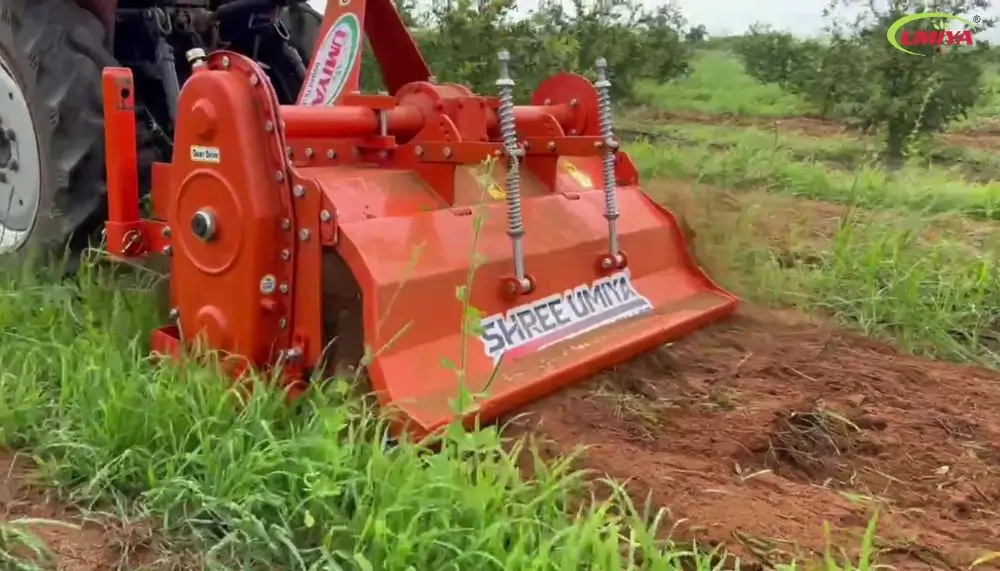
Credit: www.patelagroindustries.com
Tiller Basics
A tiller is a gardening tool that helps break up soil. It makes soil loose and easy to plant in.
Understanding how tillers work and the types available can help you choose the right one for aerating soil.
How Tillers Work
Tillers use rotating blades called tines to dig into the soil. They turn over the soil to improve air and water flow.
- The tines dig into the ground and break up hard soil.
- They mix organic matter into the soil.
- Tillers help prepare the soil for planting seeds or plants.
Types Of Tillers
There are different kinds of tillers for various gardening needs. Some are small and easy to use, while others are larger and more powerful.
| Type | Description | Best For |
| Front-Tine | Tines are in front of the wheels. Easier to control. | Light to medium soil |
| Rear-Tine | Tines are behind the wheels. Stronger and deeper digging. | Heavy or compacted soil |
| Cordless Electric | Runs on batteries. Lightweight and quiet. | Small gardens and light soil |
| Gas-Powered | Uses gasoline. More power for large areas. | Large gardens and tough soil |
Soil Aeration Essentials
Soil aeration helps plants grow strong by improving air and water flow. It breaks up hard soil to let roots breathe better.
Using the right tools makes aeration easier. A tiller is one tool gardeners ask about for this job.
Benefits Of Aerating Soil
Aerating soil helps plants get more oxygen, water, and nutrients. It makes soil less compact and easier for roots to grow.
Good aeration also helps reduce water runoff and stops soil from becoming too hard.
- Improves root growth
- Increases water absorption
- Enhances nutrient uptake
- Reduces soil compaction
- Promotes healthy soil life
Common Aeration Methods
Gardeners use different ways to aerate soil. Some methods work well for lawns, others for gardens.
Tillers can break up soil but may not create deep holes like core aerators do.
- Core Aerators:Remove small soil plugs to open space for air and water.
- Spike Aerators:Punch holes in soil but can cause more compaction.
- Tillers:Loosen soil surface and mix compost but may not aerate deeply.
- Manual Aerators:Hand tools that poke holes in small garden areas.
Using A Tiller For Aeration
Aeration helps soil breathe and absorb water better. A tiller can loosen compacted soil, improving air and water flow.
Using a tiller for aeration can save time and effort. It works well for larger garden areas or lawns.
When Tillers Can Aerate Soil
Tillers work best on soil that is dry but not too hard. They are effective for breaking up compacted soil and mixing in organic matter.
A tiller is not ideal for very wet soil or delicate plants. Using a tiller in these cases can cause damage or create clumps.
- Dry or slightly moist soil
- Compacted or dense soil
- Areas without fragile plants
- Preparing garden beds or lawns
Techniques For Aerating With A Tiller
Start by setting the tiller to a shallow depth. This prevents disturbing deep roots and keeps the soil structure intact.
Move the tiller slowly across the soil in straight lines. Overlap each pass slightly to cover the whole area evenly.
- Set tiller depth to 2-4 inches
- Till soil in straight, overlapping rows
- Avoid tilling wet soil to prevent clumping
- Use a lightweight tiller for better control
Limitations Of Tillers In Aeration
Tillers can break up soil and prepare garden beds. They mix soil and add air to the surface. But they do not always work well for true aeration.
Aeration means making small holes deep in the soil. This helps roots get water, air, and nutrients. Tillers may not create these deep holes effectively.
Potential Soil Damage
Tillers can damage soil by breaking it into very fine pieces. This can cause soil to become compacted again after a short time. Over-tilling may harm soil structure.
Using a tiller too often can kill helpful soil organisms. These organisms keep soil healthy and help plants grow. The soil may lose its natural balance.
- Breaks soil into small particles that compact easily
- Can destroy helpful earthworms and microbes
- Makes soil dry out faster by exposing it to air
- May cause uneven soil texture, harming plant roots
When Not To Use A Tiller
Do not use a tiller on very wet or very dry soil. Wet soil clumps and compacts. Dry soil turns to dust and blows away easily.
A tiller is not good for small gardens with delicate plants. It can damage plant roots or nearby flowers. Also, avoid tilling in soils with a lot of clay.
- Soil is too wet or waterlogged
- Soil is very dry and hard
- Garden has young or fragile plants
- Soil has heavy clay that compacts easily
Alternative Aeration Tools
Aerating soil helps plants grow by letting air and water reach the roots. Using the right tool makes this job easier and more effective.
You can use several tools besides a tiller to aerate your soil. These tools come in manual and mechanical types.
Manual Aerators
Manual aerators are simple tools you operate by hand. They are good for small gardens and quiet work.
- Spike aerators: They have spikes that poke holes in the soil.
- Plug aerators: They remove small plugs of soil to open space for air.
- Hand forks: Garden forks can loosen soil by digging carefully.
- Core aerators: These tools pull out soil cores, improving soil health.
Mechanical Aerators
Mechanical aerators use engines or motors to make aeration faster and easier. They are best for larger areas.
| Type | Power Source | Best For |
| Gas-powered aerators | Gas engine | Large lawns and fields |
| Electric aerators | Electric motor | Small to medium gardens |
| Tow-behind aerators | Tractor or mower | Very large yards or farms |

Credit: www.amazon.com
Expert Tips For Better Results
Using a tiller to aerate soil can save time and effort in your garden. It helps loosen compacted soil and improves water and air flow to plant roots.
To get the best results, prepare your soil carefully and follow good care practices after aeration. This guide will help you with expert tips.
Preparing Soil Before Aeration
Before you start tilling, clear the area of debris like rocks, sticks, and weeds. This prevents damage to your tiller and helps it work smoothly.
- Water the soil lightly a day before tilling. Soft soil is easier to work with.
- Mark any underground utilities to avoid accidents.
- Choose the right tiller size for your garden area.
- Adjust tiller depth settings to avoid over-tilling.
Post-aeration Care
After aeration, your soil needs care to stay healthy and productive. Proper steps help plants absorb nutrients and water better.
| Care Task | Purpose | When to Do It |
| Watering | Helps settle the soil and reduce dust | Immediately after tilling |
| Fertilizing | Replenishes nutrients lost during aeration | Within a week after tilling |
| Mulching | Protects soil and retains moisture | After soil dries a bit post-tilling |
| Planting | Best time to start new seeds or plants | Shortly after soil preparation |

Credit: www.reddit.com
Frequently Asked Questions
Can A Tiller Effectively Aerate Compacted Soil?
Yes, a tiller can break up compacted soil layers. It loosens the ground, improving air and water flow. However, deep aeration may require specialized tools for best results.
Is Using A Tiller Better Than Manual Aeration?
Tillers cover larger areas faster than manual aeration tools. They save time and effort, especially in big gardens. Yet, manual aerators might be gentler on delicate soil structures.
How Often Should I Aerate Soil With A Tiller?
Aerate soil with a tiller once or twice a year. Ideal times are early spring or fall. Over-tilling can damage soil health and reduce nutrients.
Can Tilling Damage Soil Structure During Aeration?
Excessive tilling can disrupt beneficial soil organisms and structure. Use tillers carefully to avoid over-disturbing the soil. Proper tilling improves aeration without harming soil balance.
Conclusion
Using a tiller can effectively aerate soil. It breaks up compacted ground, improving air flow. This enhances plant root growth and nutrient absorption. While tillers help, they may not replace specialized aerators. Consider soil type and garden size. Light, sandy soil might need less tilling.
Heavy clay benefits more. Always handle equipment safely. Read manuals and follow guidelines. Regular maintenance ensures better performance. For best results, combine tilling with other soil care practices. This keeps your garden thriving. Aerated soil leads to healthier, more vibrant plants.
Enjoy gardening with better soil health!
