
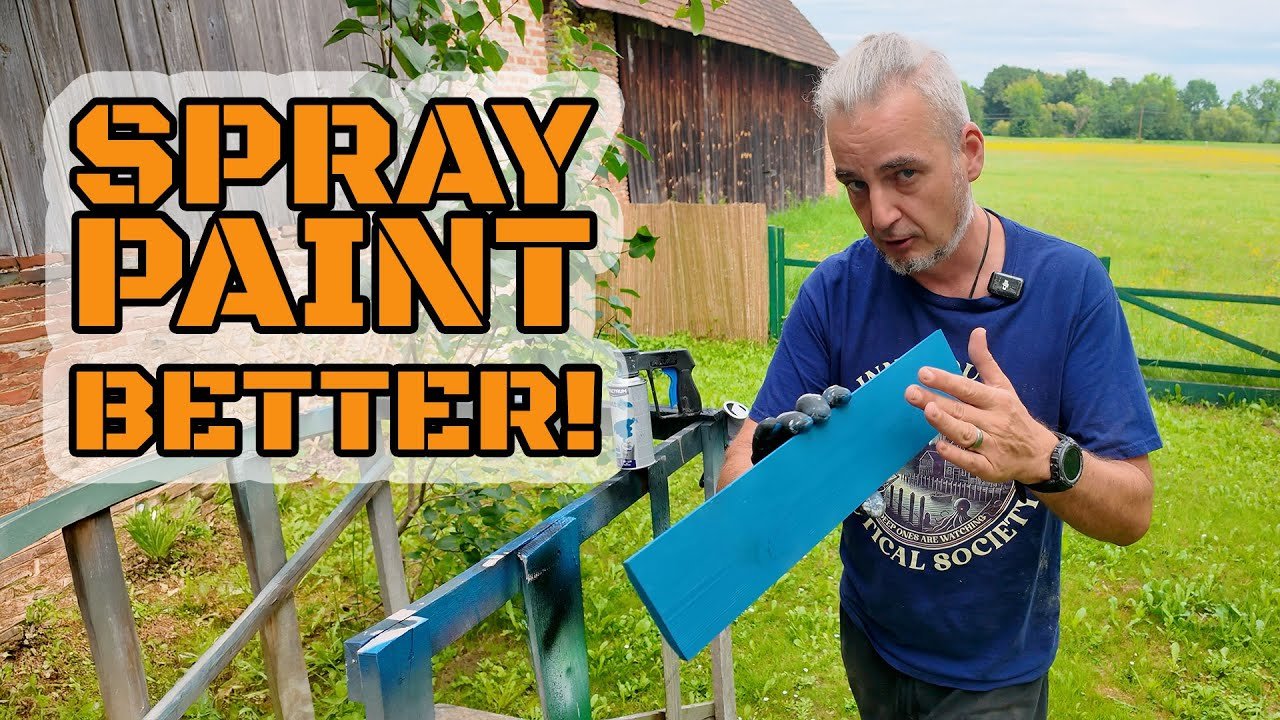
Are you tired of uneven sprays that leave patches and streaks? Getting a smooth, consistent finish with your handheld sprayer doesn’t have to be a challenge.
Imagine how much easier your projects would be if every spray coat looked flawless and professional. You’ll discover simple, effective tips that help you spray evenly every single time. Whether you’re painting, applying pesticides, or using any liquid spray, these easy steps will save you time and frustration.
Keep reading to master the art of even spraying and get the results you want with less effort.
Choosing The Right Sprayer
Using a handheld sprayer is a simple way to apply liquids evenly. Picking the right sprayer helps you cover surfaces well. It also saves time and reduces waste.
Different sprayers suit different jobs. Knowing the types and features makes choosing easier. This guide helps you find the best handheld sprayer for your needs.
Types Of Handheld Sprayers
Handheld sprayers come in several types. Each type works best for certain tasks and liquids. Choose one that fits your project size and liquid type.
- Pump Sprayers:You pump air to build pressure. Good for small gardens and light use.
- Trigger Sprayers:Use a trigger to spray. Best for quick jobs and small amounts.
- Battery-Powered Sprayers:Run on batteries for easy spraying. Ideal for larger areas and longer work.
- Compressed Air Sprayers:Use compressed air for steady spray. Suitable for precise applications.
Key Features To Consider
Look for features that make spraying easier and more even. These features help control the spray and improve comfort.
- Adjustable Nozzle:Lets you change spray pattern and flow.
- Comfortable Handle:Reduces hand strain during use.
- Pressure Control:Maintains steady spray pressure for even coverage.
- Tank Size:Matches the amount of liquid you need to spray.
- Durability:Made of strong materials for longer use.
- Easy to Clean:Simple parts help keep the sprayer working well.
Preparing Your Sprayer
Getting your handheld sprayer ready helps you spray evenly. Proper preparation saves time and avoids problems.
Two important steps are cleaning and maintenance, and filling and mixing solutions correctly.
Cleaning And Maintenance
Clean your sprayer before and after each use. This stops clogs and keeps it working well.
- Empty any leftover solution from the tank.
- Rinse the tank with clean water.
- Spray clean water through the nozzle to clear it.
- Check the nozzle and hose for cracks or damage.
- Replace worn parts to prevent leaks.
- Store the sprayer in a dry, cool place.
Filling And Mixing Solutions
Use the right mix and amount of solution for even spraying. Always follow label instructions.
| Mixing Step | Details |
| Measure | Use a measuring cup or scale for accuracy. |
| Mix | Combine solution with water in a clean container. |
| Fill Tank | Pour mixed solution into the sprayer tank carefully. |
| Test Spray | Spray a small area to check spray pattern. |
Techniques For Even Spraying
Using a handheld sprayer evenly helps cover surfaces properly. It prevents waste and ensures good results.
Learn simple ways to keep your spray uniform and avoid patches or drips.
Proper Spraying Distance
Keep the sprayer at the right distance from the target. Too close causes drips. Too far makes coverage weak.
- Hold the sprayer 12 to 18 inches away
- Adjust distance based on nozzle type
- Keep the distance steady while spraying
Consistent Movement Patterns
Move the sprayer evenly across the surface. Fast or slow spots cause uneven layers.
| Movement Type | Description | Tip |
| Side to Side | Move horizontally at a steady pace | Overlap passes slightly |
| Up and Down | Spray vertically in smooth strokes | Keep speed steady |
| Circular | Use slow, overlapping circles | Avoid stopping mid-circle |
Controlling Spray Pressure
Set the pressure to get a fine mist. Too high pressure wastes spray and causes drips.
Tips for managing spray pressure:
- Start at low pressure and increase if needed
- Check sprayer manual for pressure settings
- Use a pressure gauge if available
- Keep pressure steady during spraying

Credit: www.amazon.ca
Common Mistakes To Avoid
Using a handheld sprayer may seem simple, but many make mistakes that reduce its effectiveness. Avoiding these errors helps you spray evenly and cover all areas well.
This guide covers two common problems: overlapping and missed spots, and spraying in windy conditions. Learn how to fix these to get better results.
Overlapping And Missed Spots
Overlapping too much or missing spots wastes spray and hurts coverage. You want a steady, even spray pattern. Here are key points to avoid these mistakes.
- Keep a consistent speed and distance from the target.
- Move the sprayer in smooth, steady passes without rushing.
- Overlap each pass slightly to ensure no gaps remain.
- Check your work by looking for dry patches or double wet areas.
- Adjust the nozzle to get a fine mist, not a heavy stream.
Spraying In Windy Conditions
Wind can blow spray away from your target. This causes uneven coverage and waste. Use these tips to spray safely in wind.
| Wind Speed | Spraying Advice |
| Less than 5 mph | Safe to spray with normal technique |
| 5 to 10 mph | Spray on the leeward side, keep nozzle close |
| Over 10 mph | Avoid spraying; wait for calmer conditions |
Tips For Different Surfaces
Spraying evenly with a handheld sprayer is important for good results. Different surfaces need different techniques.
Using the right spray method helps cover the area well and saves product.
Plants And Gardens
Spray plants gently to avoid damage. Use a fine mist for leaves and flowers.
Hold the sprayer about 12 inches from the plants. Move it slowly and evenly across the area.
- Spray in the early morning or late afternoon to avoid sunburn
- Cover all sides of leaves for full protection
- Use a low pressure setting to prevent breaking stems
- Do not spray on windy days to avoid drift
Walls And Fences
Keep a steady hand when spraying walls and fences. Hold the sprayer 18 to 24 inches away.
Use a wider spray pattern for even coverage. Move the sprayer side to side slowly.
- Start spraying from the top and work downwards
- Overlap each pass slightly to avoid missed spots
- Clean the sprayer nozzle regularly to prevent clogging
- Use protective gear to avoid inhaling spray mist

Credit: socaservicespainting.com
Safety Precautions
Using a handheld sprayer requires attention to safety. Chemicals can harm your skin, eyes, and lungs.
Follow safety steps to protect yourself and spray evenly without risks.
Protective Gear
Wear the right gear to keep chemicals off your body. Protective clothing reduces exposure and injury.
- Wear long sleeves and long pants made of thick fabric
- Use chemical-resistant gloves to protect your hands
- Put on safety goggles or glasses to shield your eyes
- Wear a mask or respirator to avoid breathing harmful fumes
- Use waterproof boots to keep feet dry and safe
Handling Chemicals Safely
Handle chemicals carefully to avoid spills and accidents. Follow instructions on labels strictly.
| Safety Tip | What to Do |
| Mixing | Mix chemicals outdoors or in well-ventilated areas |
| Storage | Keep chemicals in original containers and out of children’s reach |
| Spraying | Spray with steady, even motions to control the flow |
| Cleaning | Wash equipment and hands thoroughly after use |
| Disposal | Dispose of leftover chemicals safely according to local rules |

Credit: www.wagnerspraytech.com
Frequently Asked Questions
How Do I Hold A Handheld Sprayer Correctly?
Hold the sprayer upright and steady with one hand. Keep the nozzle aimed evenly at the target surface. Maintain a consistent distance, usually 12 to 18 inches, to ensure even coverage without drips or overspray.
What Is The Best Spray Pattern For Even Coverage?
Use a fan or mist spray pattern for even coverage. Adjust the nozzle to a wide, uniform spray. Avoid concentrated streams that cause uneven application or pooling on the surface.
How Fast Should I Move The Sprayer?
Move the sprayer slowly and steadily across the area. Too fast leads to thin coverage, while too slow causes pooling. Aim for consistent speed to allow even liquid distribution.
How Often Should I Clean My Handheld Sprayer?
Clean your sprayer after every use to prevent clogging. Flush it with water or the recommended cleaning solution. Proper maintenance ensures smooth, even spraying for future use.
Conclusion
Spraying evenly with a handheld sprayer requires practice and patience. Keep your movements steady and consistent. Maintain the right nozzle distance for best coverage. Adjust the spray pressure based on your needs. Regularly clean and maintain the sprayer to ensure efficiency.
Practice these tips to achieve even spraying results. Remember, patience and practice lead to improvement. A well-done job can save you time and resources. Keep learning and refining your technique. Your skills will improve with each use. Happy spraying!

