
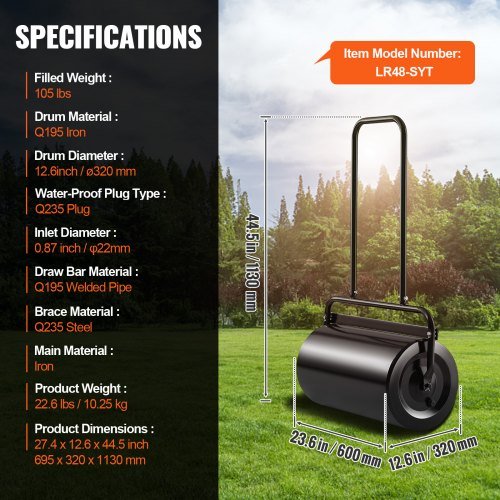
Are you looking to give your lawn a smooth, professional finish without hiring expensive help? A lawn roller for DIY projects might be exactly what you need.
Imagine transforming uneven patches into a flawless, even surface with just a simple tool. This isn’t just about aesthetics—using a lawn roller can help your grass grow stronger and healthier. Keep reading to discover how you can easily achieve a perfect lawn, save time, and boost your outdoor space’s appeal with the right lawn roller.
Your dream lawn is closer than you think!
Credit: www.vevor.com
Choosing The Right Lawn Roller
Using a lawn roller can help you get a smooth and even lawn surface. It presses the soil and seeds firmly. Choosing the right roller makes your DIY project easier and better.
This guide explains different types, sizes, and materials of lawn rollers. You can decide what fits your needs and lawn size.
Types Of Lawn Rollers
Lawn rollers come in various styles. Each type works best for certain lawn jobs. Knowing these helps you pick the right one.
- Water-Filled Rollers:These rollers fill with water to add weight. They are easy to move when empty.
- Steel Rollers:Heavy and durable. Best for large lawns that need strong pressure.
- Plastic Rollers:Lightweight and rust-free. Good for small areas and light use.
Size And Weight Considerations
| Size (Width) | Best For | Weight |
| 18-24 inches | Small lawns and tight spaces | Light to Medium |
| 24-36 inches | Medium to large lawns | Medium to Heavy |
| 36+ inches | Very large lawns or fields | Heavy |
Heavier rollers press the soil better but are harder to move. Choose a size that fits your lawn and strength.
Material And Durability
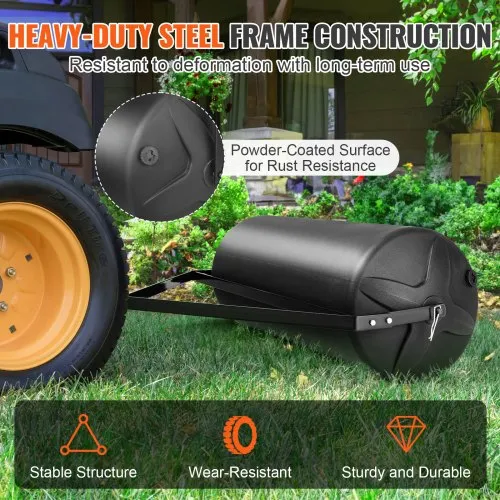
Material affects how long the roller lasts and how much care it needs. Steel lasts long but can rust. Plastic is light but may crack. Water-filled rollers need regular checks for leaks.
- Steel:Durable, heavy, may need rust protection.
- Plastic:Lightweight, rust-free, less durable.
- Water-filled:Adjustable weight, easy storage, needs maintenance.
Preparing Your Lawn For Rolling
Using a lawn roller can help create a smooth and even lawn surface. Proper preparation is important for good results.
Before you start rolling, you need to get your lawn ready. This means clearing debris, checking soil moisture, and choosing the right time.
Clearing Debris And Leveling
Remove sticks, rocks, and leaves from your lawn. These can cause uneven rolling and damage the roller.
Level any bumps or holes in the soil. Fill low spots with soil and smooth high spots by raking.
- Pick up all visible debris
- Fill holes with soil
- Rake uneven areas flat
Moisture And Soil Conditions
Check the soil moisture before rolling. The soil should be damp but not wet or dry.
Rolling on dry soil can cause damage. Wet soil can get compacted, which is bad for grass roots.
- Test soil by squeezing a handful
- Soil should hold shape but not drip water
- Wait after heavy rain to let soil dry slightly
Timing Your Project
Pick a day with mild weather and no rain forecast. Rolling works best during spring or fall.
Avoid rolling when grass is stressed from heat or drought. Early morning or late afternoon is best.
- Choose calm, dry days
- Roll during cooler parts of the day
- Do not roll after heavy rain or drought
Step-by-step Rolling Process
Using a lawn roller in your DIY projects helps create a smooth and even surface. This process improves soil contact with seeds or sod.
Follow simple steps to fill, roll, and maintain your roller for the best results.
Filling And Maintaining The Roller
Fill the roller with water or sand depending on your project needs. Water is easier to drain and lighter to carry.
- Check the roller for leaks before filling.
- Use a hose to fill the roller through the valve.
- Do not overfill to avoid damage.
- Drain the roller after use to prevent rust or cracks.
- Store the roller in a dry place.
Rolling Techniques For Even Results
Roll the lawn in straight, overlapping lines for uniform pressure. This helps avoid uneven patches on your soil or lawn.
| Technique | Description |
| Start at the edge | Begin rolling at the outer edge of the area. |
| Overlap passes | Roll over the previous line by half the roller’s width. |
| Keep a steady speed | Move at a slow and consistent pace to apply pressure evenly. |
| Roll in multiple directions | Finish by rolling crosswise to smooth out any bumps. |
Avoiding Common Mistakes
Many people make errors that reduce the effectiveness of rolling. Avoid these to save time and effort.
- Do not roll on overly wet soil to prevent compaction damage.
- Do not use a roller that is too heavy for your lawn type.
- Avoid quick, uneven passes to stop soil from shifting.
- Always check for rocks or debris before rolling.
- Do not forget to drain water from the roller after use.
Credit: www.vevor.com
Safety Tips And Maintenance
Using a lawn roller for DIY projects can help flatten soil and improve your lawn’s look. It is important to keep safety in mind and maintain the roller properly. This ensures the tool works well and lasts longer.
Follow simple safety steps and regular checks to avoid accidents and damage. Taking care of your lawn roller makes your work easier and safer.
Handling And Storage
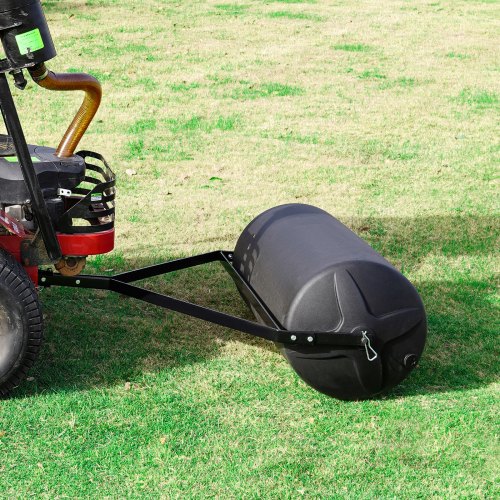
Always handle the lawn roller with care. Avoid dragging it on rough surfaces to prevent damage. Use the handle to move it safely and avoid pinching your fingers.
Store the roller in a dry place to stop rust and wear. Keep it away from direct sunlight and moisture. Cover it if possible to protect it from dust and dirt.
- Lift with both hands using the handle
- Store on a flat, dry surface
- Keep out of reach of children
- Cover with a tarp or cloth
Regular Maintenance Checks
Check your lawn roller before and after use. Look for cracks, dents, or loose parts. Fix small problems early to avoid bigger damage.
Clean the roller after each use. Remove dirt and grass to keep it working smoothly. Lubricate moving parts if your roller has any.
- Inspect roller surface for cracks or dents
- Tighten loose bolts and screws
- Clean dirt and debris from the roller
- Apply lubricant to moving parts
Safety Precautions During Use
Wear gloves and sturdy shoes when using the lawn roller. This protects your hands and feet from injury. Use the roller on even ground to prevent tipping.
Do not overload the roller with water or heavy material beyond its limit. Move slowly and avoid steep slopes. Keep children and pets away while working.
- Wear protective gloves and shoes
- Use the roller on flat, even surfaces
- Do not fill the roller over its capacity
- Move at a slow, steady pace
- Keep kids and pets away during use
Enhancing Lawn Appearance Post-rolling
Using a lawn roller helps smooth uneven ground and press seeds into the soil. After rolling, your lawn looks neat and flat. Proper care after rolling keeps the lawn healthy and green.
Follow simple tips for seeding, watering, and fixing lawn spots. These actions improve lawn growth and appearance.
Seeding And Fertilizing Tips
Roll the lawn after spreading seeds to press them gently into the soil. This helps seeds make better contact with the ground. Use fertilizer to give the grass important nutrients for quick growth.
- Choose grass seed that suits your climate and soil.
- Spread seed evenly over bare or thin spots.
- Apply a balanced fertilizer after seeding.
- Roll lightly to press seeds into soil.
Watering And Aftercare
Water the lawn gently but often to keep soil moist. Moisture helps seeds sprout and roots grow deep. Avoid overwatering to prevent fungus or disease.
- Water daily in small amounts during seed germination.
- Reduce watering after grass grows taller.
- Water early in the morning to reduce evaporation.
- Keep foot traffic off the lawn while it recovers.
Dealing With Lawn Imperfections
Rollers can flatten bumps but may cause soil compaction. Check the lawn for low spots or damaged areas. Fix problems quickly to keep grass healthy and even.
- Fill low spots with soil and reseed if needed.
- Use aeration tools if soil feels hard or compacted.
- Remove dead grass and replace with fresh seed.
- Keep lawn mowed at the right height for your grass type.
Credit: www.vevor.com
Frequently Asked Questions
What Is A Lawn Roller Used For In Diy Projects?
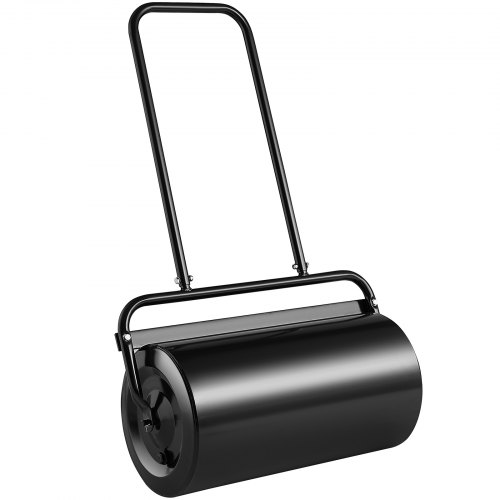
A lawn roller flattens soil and grass, improving lawn appearance. It helps seed germination and smooths uneven ground. It’s essential for DIY landscaping and gardening tasks.
How Do I Choose The Right Lawn Roller Size?
Select a roller size based on your lawn area. Small rollers suit small yards; large rollers cover big spaces faster. Consider weight and handle comfort for ease of use.
Can I Use A Lawn Roller On New Grass Seed?
Yes, a lawn roller gently presses seeds into the soil. This improves soil contact and seed germination. Avoid heavy pressure to prevent soil compaction.
How Often Should I Use A Lawn Roller On My Lawn?
Use a lawn roller 1-2 times per season for best results. Overuse can compact soil and damage grass roots. Timing depends on lawn condition and project needs.
Conclusion
A lawn roller can simplify your DIY projects. It helps create a level surface. This tool is easy to use and effective. Your lawn will look neat and professional. Save time and effort with a simple tool. Choose the right size for your needs.
Maintain it well for long-term use. Enjoy the satisfaction of a well-done project. A lawn roller is a valuable addition to your garden tools. It offers practical benefits. Enhance your lawn care routine with this useful tool. Start your project with confidence and see great results.

