
Are your trees looking overgrown or unhealthy? Knowing how to prune your trees the right way can make a huge difference in their growth and appearance.
But pruning can feel tricky if you’re not sure where to start. This step-by-step guide will walk you through everything you need to do, making it simple and stress-free. By the time you finish reading, you’ll have the confidence to keep your trees healthy, safe, and beautiful.
Let’s get started and transform your outdoor space together!
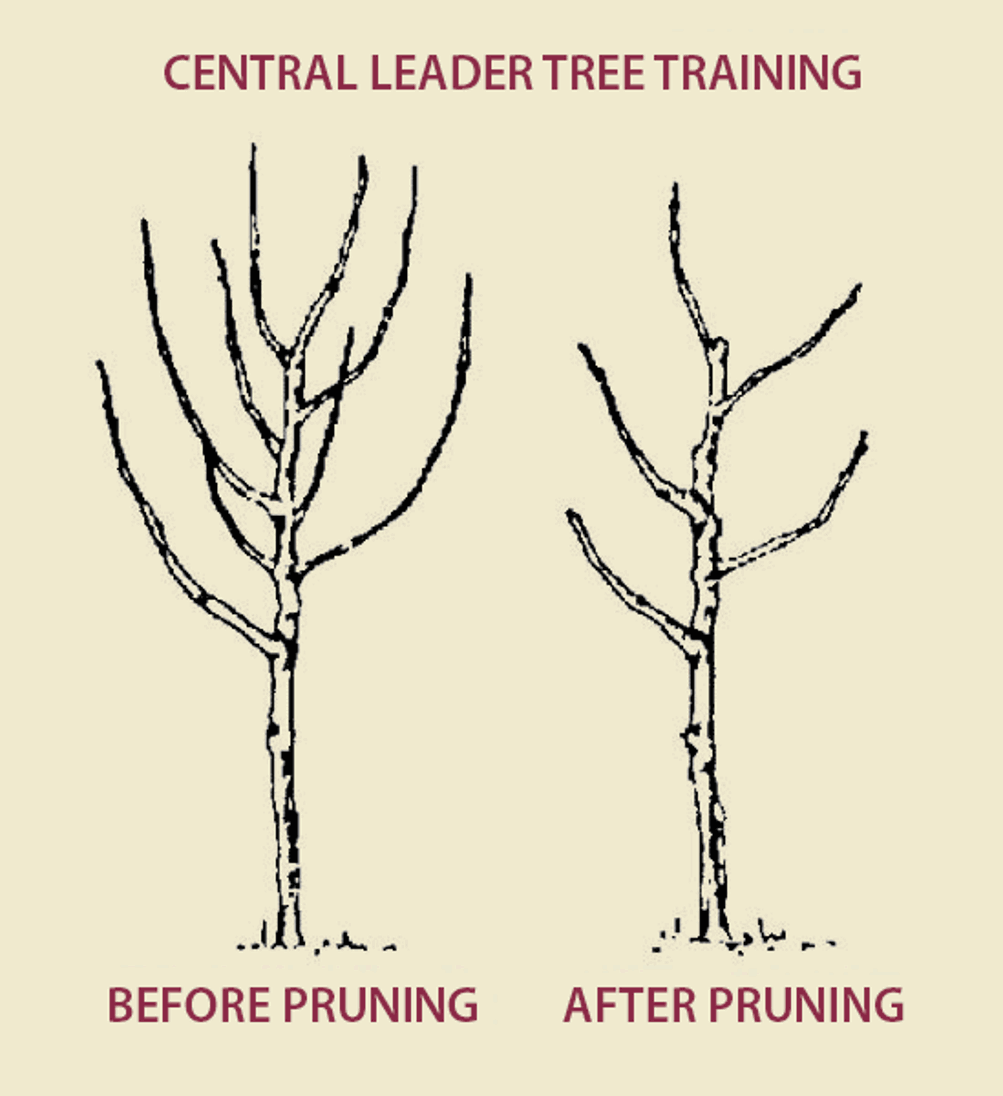
Credit: www.starkbros.com
Benefits Of Pruning
Pruning trees helps keep them healthy and strong. It also improves their shape and growth.
Cutting the right branches at the right time can stop disease and prevent damage.
Improving Tree Health
Removing dead or weak branches lets the tree focus on healthy parts. This helps the tree get more sunlight and air.
Good air flow reduces the chance of fungus and pests harming the tree.
Enhancing Growth And Shape
Pruning guides the tree to grow stronger and look better. It helps keep the shape neat and balanced.
Cutting certain branches encourages new growth in the right places.
- Remove crossing branches to avoid damage
- Cut back long branches to keep balance
- Thin crowded areas for better light
Preventing Disease And Damage
Pruning removes sick or damaged branches before they spread problems. This keeps the tree strong.
It also reduces the risk of broken branches falling and causing harm.
- Cut away dead wood to stop decay
- Remove weak branches to prevent breaking
- Clear branches near power lines or buildings
Tools You Need
Pruning trees helps them grow strong and healthy. Using the right tools makes the job easier and safer.
This guide explains the basic tools you need to prune trees well.
Pruning Shears
Pruning shears are small hand tools. They cut small branches and stems up to ¾ inch thick.
Choose sharp, sturdy shears for clean cuts. This helps the tree heal faster.
- Use pruning shears for thin branches
- Keep blades clean to avoid plant disease
- Look for comfortable handles to reduce hand strain
Loppers And Saws
Loppers have long handles and cut branches up to 2 inches thick. They give more power than shears.
Hand saws are needed for branches thicker than 2 inches. They make precise cuts on larger limbs.
- Use loppers for medium branches
- Choose a sharp saw for clean, smooth cuts
- Keep tools well-oiled to prevent rust
Safety Gear
Wearing safety gear protects you from injuries. Gloves, goggles, and sturdy shoes are important.
Use long sleeves and pants to avoid scratches. Always check your gear before starting work.
- Gloves protect hands from cuts and splinters
- Safety glasses shield eyes from flying debris
- Wear boots to protect feet from falling branches
When To Prune
Pruning trees at the right time helps them stay healthy and grow well. Knowing when to prune keeps your trees strong and safe.
Timing depends on the tree type and the season. Pruning at the wrong time can hurt the tree or slow its growth.
Seasonal Timing
Most trees are best pruned in late winter or early spring. This is before new growth starts. It helps the tree heal fast.
Fruit trees often need pruning after they finish fruiting. Some flowering trees should be pruned after they bloom.
- Winter pruning stops disease spread and insect damage
- Spring pruning encourages new, strong growth
- Summer pruning controls shape and removes dead branches
- Fall pruning is usually avoided to prevent winter damage
Signs Your Tree Needs Pruning
Look for dead, broken, or crossing branches. These can hurt the tree or cause safety problems.
Too much growth can make the tree weak. Pruning helps keep a good shape and balance.
- Branches that rub or cross each other
- Dead or diseased branches
- Branches growing inward toward the trunk
- Dense areas blocking light and air
- Branches that pose a risk to people or buildings

Credit: www.russelltreeexperts.com
Preparation Steps
Pruning trees needs careful planning before cutting. Proper preparation keeps the tree healthy and safe.
These steps help you inspect and plan the pruning work clearly. Follow each step to prune correctly.
Inspecting The Tree
Look over the tree to find dead or damaged branches. Check for signs of disease or insect problems.
- Examine branches for cracks or breaks
- Look for dead wood that needs removal
- Check the trunk for wounds or fungus
- Identify crowded areas with too many branches
- Note any branches growing inward or crossing each other
Planning Your Cuts
Decide which branches to remove to improve tree shape and health. Plan cuts to avoid harming the tree.
| Cut Type | Purpose | Where to Cut |
| Thinning | Reduce branch density | At branch collar |
| Heading | Control tree size | Above a bud or lateral branch |
| Removal | Remove dead or damaged wood | At branch collar or trunk |
| Raising | Clear lower branches | At branch collar |
Pruning Techniques
Pruning helps trees stay healthy and grow strong. It removes parts that do not belong or cause harm.
Knowing the right way to prune keeps your trees beautiful and safe. Use gentle cuts and proper tools.
Removing Dead Or Diseased Branches
Look for branches that are dry, cracked, or have spots. Cut these branches back to healthy wood. This stops disease from spreading.
- Use sharp, clean tools to make smooth cuts.
- Cut branches at the base near the trunk or main branch.
- Remove all diseased leaves or wood from the area.
- Dispose of cuttings away from other plants.
Thinning Out Crowded Areas
Thinning lets light and air reach inside the tree. It stops branches from rubbing and breaking.
| Reason | Action |
| Branches overlap | Remove weaker or crossing branches |
| Too dense | Cut some small branches to open space |
| Leaves block sunlight | Thin inner branches for better light |
Shaping The Canopy
Shaping helps the tree look neat and balanced. It guides growth in the right direction.
Follow these tips for shaping:
- Cut back branches that grow too far out.
- Keep a rounded or natural shape for the tree type.
- Make cuts just above a bud facing the outside.
- Avoid removing more than 25% of the canopy at once.

Credit: www.yahoo.com
Cutting Tips
Pruning trees helps keep them healthy and growing strong. Cutting branches the right way can prevent harm.
Use the proper cutting techniques to protect the tree and make it heal faster.
Making Clean Cuts
Make cuts with sharp tools to avoid tearing the wood. Clean cuts help the tree heal quickly.
Cut branches at a smooth angle to reduce damage and stop water from collecting on the cut.
Avoiding Damage To Bark
Do not cut or peel the bark around the branch. Bark damage can cause infections and pests.
Hold your tools steady and avoid cutting into the bark when making a cut.
- Use sharp pruning shears or saws
- Cut outside the branch collar, not the bark
- Do not tear or scrape the bark
Proper Cut Placement
Cut just outside the branch collar. This area helps the tree heal the cut correctly.
Avoid cutting too far from the branch collar or too close to the trunk. Both can harm the tree.
- Locate the swollen area where branch meets trunk
- Cut just outside this swollen area
- Do not leave a stub or cut into the collar
Aftercare For Pruned Trees
Pruning helps trees stay healthy and grow strong. After pruning, trees need special care. This care helps them heal and grow new branches.
Good aftercare also protects trees from damage and sickness. This guide covers watering, mulching, pest checks, and growth support.
Watering And Mulching
Watering is very important after pruning. Trees lose some leaves, so they need water to recover. Mulch helps keep soil moist and cool.
- Water the tree deeply once or twice a week
- Use mulch like wood chips or bark around the base
- Keep mulch a few inches away from the trunk to prevent rot
- Check soil moisture regularly to avoid drying out
Monitoring For Pests And Diseases
Pruned trees can attract pests and diseases. Watch the tree for signs of damage or sickness. Early detection helps keep the tree healthy.
| Signs to Check | What to Do |
| Discolored leaves | Remove affected leaves and check for insects |
| Sticky sap on branches | Look for aphids or scale insects and treat if needed |
| Holes in bark or wood | Inspect for borers and consider professional help |
| Fungal growth | Trim affected parts and apply fungicide if safe |
Supporting New Growth
New shoots need support to grow strong. Pruned trees may need extra care to help branches grow the right way.
- Use soft ties to support young branches
- Remove any weak or damaged shoots early
- Check ties often to avoid cutting into the bark
- Fertilize lightly to give nutrients for growth
Common Mistakes To Avoid
Pruning trees helps keep them healthy and safe. Many people make errors that hurt the tree. Learning what to avoid can protect your trees.
This guide covers common pruning mistakes. Watch out for these to help your trees grow well.
Over-pruning
Cutting too many branches can stress a tree. It reduces leaves that make food. Over-pruning can cause weak growth and disease.
- Do not remove more than 25% of the tree’s leaves at once.
- Avoid cutting big branches during one session.
- Keep the tree’s shape natural and balanced.
- Prune only the dead or damaged parts when unsure.
Ignoring Tree Species Needs
Different trees need different pruning times and methods. Ignoring these needs can harm the tree’s health.
| Tree Type | Best Pruning Time | Special Tips |
| Maple | Late winter | Avoid heavy pruning in spring |
| Oak | Late winter | Prune only dead branches |
| Fruit trees | Late winter or early spring | Prune for air flow and sunlight |
| Pine | Late spring | Do not cut main leader |
Using Dull Tools
Dull tools tear branches instead of cutting cleanly. This damages trees and invites pests and diseases.
Keep these tool tips in mind:
- Sharpen blades before pruning.
- Clean tools after use to prevent infection.
- Use the right tool for each branch size.
Frequently Asked Questions
What Is The Best Time For Pruning Trees?
The best time to prune most trees is during late winter or early spring. This period encourages healthy growth and reduces disease risk. Avoid pruning in late summer or fall to prevent stimulating new growth before winter.
How Do I Prune Trees Without Damaging Them?
Use sharp, clean tools and make precise cuts. Remove dead or crossing branches first. Cut at a slight angle just above a bud or branch junction. Avoid cutting too close to the trunk to protect the tree’s health.
Why Is Pruning Trees Important For Growth?
Pruning removes dead or diseased branches, improving air circulation and sunlight penetration. It promotes healthy growth, shapes the tree, and prevents structural problems. Well-pruned trees are stronger and more resilient to pests and weather damage.
Can I Prune Any Tree Species The Same Way?
No, different tree species require specific pruning techniques and timing. Research your tree type before pruning. Some trees need light trimming, while others benefit from more extensive cuts. Proper care ensures optimal health and growth for each species.
Conclusion
Pruning trees keeps them healthy and thriving. Follow the steps carefully. Use the right tools for better results. Safety should always be your priority. Start small if you’re unsure. Practice makes perfect. Healthy trees enhance your garden’s beauty. They provide shade and clean air.
Regular pruning prevents diseases and promotes growth. Watch your trees flourish with proper care. Don’t rush the process. Take your time to learn and improve. Enjoy the rewarding results of your efforts. Happy pruning!

