
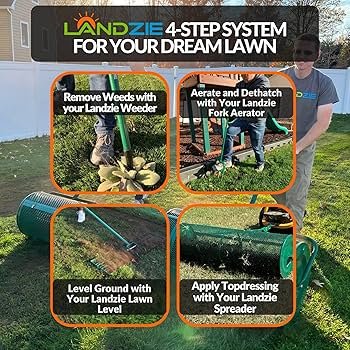
Imagine a lush, green lawn that makes your neighbors stop and stare. It’s not just a dream; it can be your reality.
But achieving that perfect lawn isn’t always easy. You’ve probably heard about lawn spreaders, but do you know how they work? Understanding this tool is the secret to transforming your yard into a stunning landscape. You’ll discover how a lawn spreader can make your lawn care routine more efficient and effective.
You’ll learn how it evenly distributes seeds, fertilizers, and other lawn care products to give you the vibrant grass you desire. Keep reading to unlock the secrets of a beautiful lawn and become the envy of your neighborhood.
Types Of Lawn Spreaders
Lawn spreaders help distribute seeds, fertilizer, and other lawn care products evenly. Choosing the right type depends on your yard size and the kind of material you use.
There are three common types of lawn spreaders. Each type works differently and suits different lawn care needs.
Broadcast Spreaders
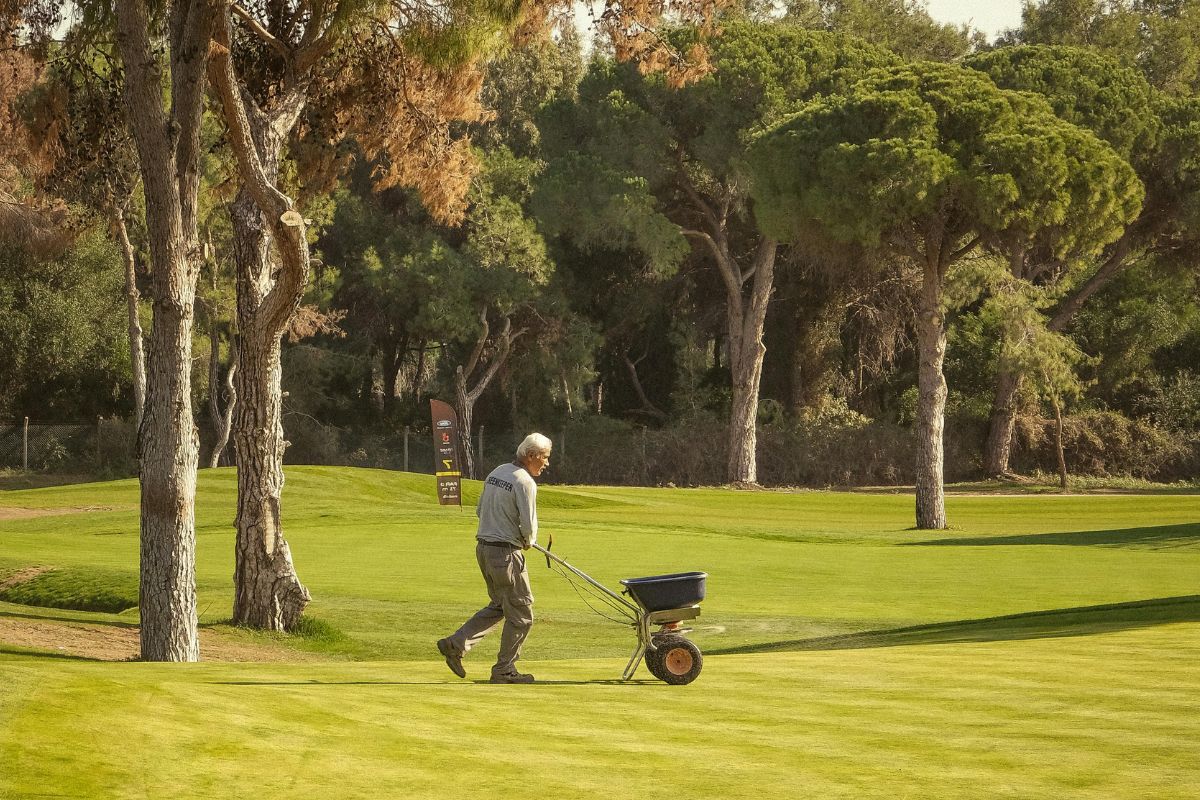
Broadcast spreaders scatter material over a wide area by spinning it outwards. They cover large lawns quickly and work best for granular fertilizers and grass seed.
- Hold a large amount of material
- Spread in a wide pattern
- Good for medium to large lawns
- Can be pushed or towed
Drop Spreaders
Drop spreaders release material directly below the spreader. This method gives precise control and reduces waste. They are ideal for small or detailed lawn areas.
| Feature | Broadcast Spreader | Drop Spreader |
| Spread Pattern | Wide and even | Direct and narrow |
| Best Use | Large lawns | Small or detailed areas |
| Precision | Moderate | High |
| Material Capacity | Large | Small to medium |
Handheld Spreaders
Handheld spreaders are small and easy to use for spot treatments. They are light and perfect for small lawns or garden patches.
- Lightweight and portable
- Easy to control and maneuver
- Best for small jobs and touch-ups
- Uses less material for precision
Credit: www.lawnstarter.com
Key Components Of A Lawn Spreader
A lawn spreader helps you spread seeds, fertilizer, or other materials evenly. It has several important parts that work together. Understanding these parts can help you use the spreader better.
Below are the key components of a lawn spreader and how each part functions.
Hopper And Frame
The hopper holds the material you want to spread, like seeds or fertilizer. It is made of plastic or metal and sits on the frame. The frame supports the hopper and keeps the spreader stable as you push it.
The size of the hopper affects how much material you can spread at one time. A larger hopper means fewer refills. The frame must be strong enough to carry the hopper and handle the weight of the material inside.
Spinning Disk Or Drop Mechanism
This part controls how the material leaves the hopper. There are two common types: spinning disk and drop mechanism.
- Spinning disk:A disk spins below the hopper. It throws material out in a wide, even pattern.
- Drop mechanism:Material drops straight down from the hopper in a narrow path.
The spinning disk is good for large areas. The drop mechanism works well for small, precise spots.
Wheels And Handle
| Component | Function |
| Wheels | Move the spreader and help control the flow of material |
| Handle | Allow you to push and steer the spreader easily |
The wheels turn the gears that release the material from the hopper. The handle gives you control and comfort while spreading. Good wheels and handle make the job easier and faster.
How Spreading Mechanisms Work
Lawn spreaders help distribute seeds, fertilizer, and other materials evenly. They use different parts to spread these materials across the lawn surface.
Understanding how spreading mechanisms work can help you get better results and use your spreader correctly.
Seed And Fertilizer Distribution
The spreader has a hopper where you put seeds or fertilizer. From there, the material falls to a spinning disk or a set of wheels. This motion spreads the material out over the lawn.
- Drop spreaders release material directly below the hopper.
- Broadcast spreaders use a spinning disk to throw material wide.
- Spike spreaders have spikes that poke holes and drop seeds.
Adjusting Spread Patterns
You can change the spread pattern by adjusting the spreader settings. This controls how wide and how far the material spreads. Different lawns may need different settings.
| Setting | Effect |
| Low | Narrow spread, less material |
| Medium | Moderate spread and coverage |
| High | Wide spread, more material |
Controlling Application Rate
The application rate is how much material spreads per area. You set this by adjusting the opening on the hopper or the flow control. Correct rates avoid waste or poor coverage.
- Check the product label for recommended rates.
- Adjust the spreader opening to match the rate.
- Test on a small area to check coverage.
- Make further adjustments if needed.

Credit: www.youtube.com
Choosing The Right Spreader For Your Lawn
Picking the right lawn spreader helps you apply seeds, fertilizer, or weed control evenly. It saves time and improves lawn health.
Different spreaders work better for different lawn sizes and materials. Knowing your needs makes the job easier and more effective.
Lawn Size Considerations
Small lawns need a simple hand spreader. It is easy to control and light to carry. Large lawns work better with a push or tow-behind spreader.
Push spreaders cover more ground fast. Tow-behind spreaders attach to lawn tractors for very big lawns.
- Hand spreaders: best for lawns under 5,000 sq ft
- Push spreaders: good for 5,000 to 20,000 sq ft
- Tow-behind spreaders: ideal for lawns over 20,000 sq ft
Material Types And Compatibility
Check the spreader’s compatibility with the materials you will use. Some spreaders work well with seeds but not with fertilizer or ice melt.
Broadcast spreaders spread materials broadly and work well for most products. Drop spreaders drop materials straight down for precise application.
- Broadcast spreaders: good for grass seed, fertilizer, and lime
- Drop spreaders: best for weed control and precise feeding
- Adjustable settings: help match spread rate to material type
Budget And Maintenance
Spreader prices vary by type and size. Hand spreaders cost less but suit small jobs. Larger models cost more but save time on big lawns.
Look for durable materials like rust-resistant metal or strong plastic. Clean the spreader after use to prevent clogging and damage.
- Hand spreaders: low cost, low maintenance
- Push spreaders: moderate cost, moderate maintenance
- Tow-behind spreaders: higher cost, need regular checks
- Keep parts clean and dry to extend lifespan
Tips For Effective Lawn Spreading
Using a lawn spreader helps you spread seeds, fertilizer, or other materials evenly. Doing this right improves your lawn’s health and look. Follow some simple tips to get the best results.
Good spreading means covering all areas without waste or damage. Pay attention to timing, technique, and care of your spreader.
Timing And Weather Conditions
Pick the right time and weather for spreading. Avoid windy days to stop materials from blowing away. Choose dry weather to keep materials from clumping.
Spreading early in the morning or late in the afternoon helps avoid strong sun and heat. This timing helps seeds and fertilizer work well.
Overlap And Coverage Techniques
Overlap your spreading paths slightly to avoid bare spots. Walk at a steady pace to keep spread even. Adjust the spreader settings for the right amount.
- Walk in straight lines across the lawn
- Overlap each pass by about 10-20%
- Keep a steady speed for even coverage
- Check the spreader settings before use
Cleaning And Storage
Clean your spreader after each use to stop rust and blockages. Empty leftover materials and brush off dirt. Use water if needed, but dry the spreader well.
Store your spreader in a dry place. Keep it off the ground to avoid moisture. Proper care makes your spreader last longer and work better.
Common Mistakes To Avoid
Using a lawn spreader helps you apply fertilizer or seed evenly. Avoiding mistakes will save your lawn from damage.
Here are common errors many make with lawn spreaders. Fix these to get better results and a healthy lawn.
Overapplication Risks
Applying too much fertilizer or seed harms your lawn and wastes product. It can cause burning or patchy growth.
- Too much fertilizer can burn grass roots.
- Overseeding clogs the soil and stops healthy growth.
- Excess product may run off and pollute water.
- It wastes money on materials you do not need.
Uneven Spreading Issues
Uneven spreading leaves some lawn parts bare and others overloaded. This looks bad and causes weak grass.
| Cause | Effect |
|---|---|
| Walking too fast | Leaves gaps or skips |
| Wrong spreader setting | Uneven product flow |
| Not overlapping passes | Striped lawn pattern |
| Clogged spreader holes | Blockages cause uneven drops |
Ignoring Calibration
Calibration matches your spreader to the product and lawn size. Skipping this step causes errors in application.
Calibration tips:
- Read the product label for spreader settings.
- Test spread a small amount on a driveway.
- Measure how much product drops in a set time.
- Adjust the spreader dial to match product needs.
- Repeat until the spread is even and correct.

Credit: www.youtube.com
Frequently Asked Questions
How Does A Lawn Spreader Distribute Seeds Evenly?
A lawn spreader uses a rotating mechanism to release seeds consistently. It controls seed flow for uniform coverage. This prevents patchy growth and ensures healthy lawn development.
What Types Of Lawn Spreaders Are Available?
There are broadcast and drop spreaders. Broadcast spreaders scatter seeds widely, while drop spreaders drop seeds directly below. Choose based on lawn size and seed type.
How Do You Adjust A Lawn Spreader’s Settings?
Settings control seed flow rate and spread width. Adjust the dial based on seed size and desired coverage. Proper settings avoid waste and promote even distribution.
Can A Lawn Spreader Be Used For Fertilizer?
Yes, lawn spreaders evenly distribute fertilizer granules. Using them improves nutrient coverage and lawn health. Ensure the spreader is compatible with fertilizer type.
Conclusion
A lawn spreader helps you spread seeds or fertilizer evenly. It saves time and effort in lawn care tasks. You control how much material it releases for best results. Using it properly leads to a healthier, greener lawn. Choose the right spreader for your yard size and needs.
Regular use keeps your grass lush and well-fed. Simple to operate and easy to maintain too. A good lawn spreader makes yard work less stressful. Try it and see the difference in your lawn’s growth.
