
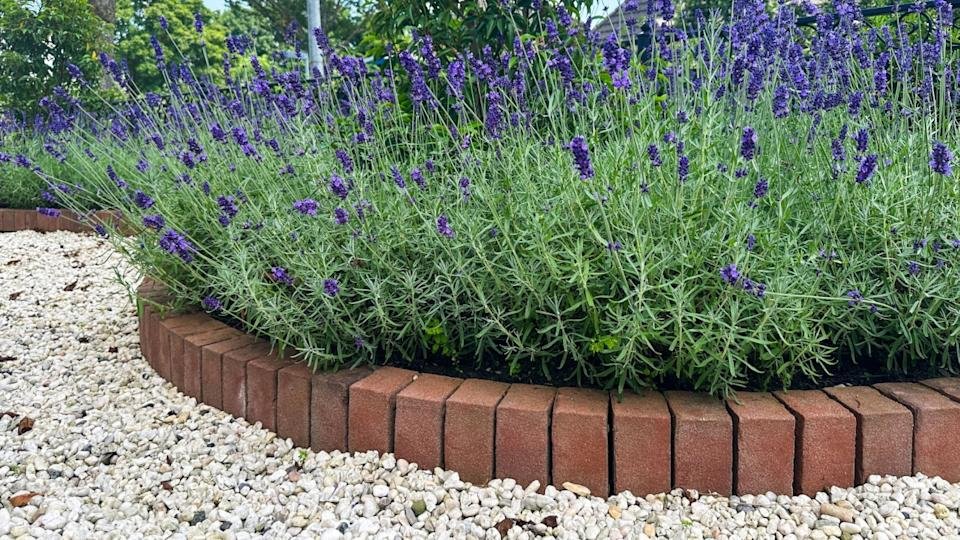
Are you ready to transform your garden while keeping the planet in mind? Choosing the right edging for your garden or landscape can make a huge difference in both aesthetics and environmental impact.
With so many options available, it’s easy to feel overwhelmed. But what if you could make a choice that’s not only stylish and functional but also eco-friendly? Imagine creating a beautiful outdoor space that contributes positively to the environment. We’ll explore which edging materials are the most eco-friendly, helping you make an informed decision that benefits both your garden and the Earth.
Stay with us, and discover how you can enhance your outdoor space with a conscience.
Eco Friendly Edging Materials
Choosing eco friendly edging materials helps protect the environment. These materials reduce waste and use natural or recycled resources.
Using sustainable edging is good for gardens and nature. It also supports a greener lifestyle.
Natural Stone Options
Natural stone is a strong and lasting option. It does not need chemicals or extra processing.
Stones like granite, limestone, and sandstone come from the earth. They blend well with outdoor spaces.
- Durable and reusable
- Does not release harmful substances
- Requires little maintenance
Recycled Plastic Alternatives
Recycled plastic edging uses waste plastic to make new products. This reduces landfill waste.
These materials last long and resist weather damage. They also help lower plastic pollution.
- Made from recycled bottles and containers
- Easy to install and maintain
- Prevents plastic waste from harming nature
Bamboo And Wood Choices
Bamboo grows quickly and can be harvested without harm. It is a renewable natural resource.
Wood edging from sustainably managed forests also supports eco goals. Choose untreated or naturally treated wood.
- Bamboo is lightweight and strong
- Wood absorbs carbon from the air
- Both biodegrade naturally over time
Metal Edging With Sustainability
Metal edging can be eco friendly if made from recycled steel or aluminum. These metals are easy to recycle again.
Metal lasts a long time and needs little upkeep. Choosing recycled metal reduces mining and resource use.
- Recycled metal reduces waste and mining
- Strong and long lasting
- Can be recycled again after use

Credit: savvygardening.com
Benefits Of Sustainable Edging
Sustainable edging helps protect the environment while shaping your garden. It uses materials that have less harm on nature.
Choosing eco-friendly edging supports a healthier planet and lasts longer with less effort.
Reducing Environmental Impact
Sustainable edging uses recycled or natural materials. This lowers waste and pollution.
It avoids plastics and chemicals that can harm soil and water. This helps keep wildlife safe.
- Uses recycled metals, wood, or stone
- Reduces plastic and chemical use
- Minimizes waste in landfills
- Protects soil and water quality
Durability And Longevity
Eco-friendly edging materials last a long time. They resist weather and damage well.
Long-lasting edging means fewer replacements. This saves resources and lowers waste.
- Made from strong natural or recycled materials
- Resists rust, rot, and cracking
- Stays stable during heavy rain or sun
- Requires less frequent replacement
Low Maintenance Requirements
Sustainable edging needs little care. It does not require harmful chemicals or constant repairs.
Low maintenance saves time and reduces the use of resources like water and cleaners.
- Needs little to no watering
- No toxic chemicals needed
- Easy to clean with simple tools
- Reduces ongoing costs and effort
Comparing Material Footprints
Choosing eco-friendly edging means understanding the impact of materials. We look at their footprints in three key areas.
This helps to find options that protect nature and reduce harm.
Production Energy Use
Different edging materials need different amounts of energy to make. Natural materials often use less energy than synthetic ones.
| Material | Energy Used (kWh per unit) |
| Wood | 5 |
| Plastic | 20 |
| Metal | 30 |
| Composite | 25 |
Recyclability And Biodegradability
Materials that break down naturally or can be recycled cause less waste. This lowers the impact on landfills and nature.
- Wood is biodegradable but not always recyclable.
- Plastic is often recyclable but can take long to break down.
- Metal is highly recyclable and durable.
- Composite materials are hard to recycle and slow to degrade.
Transportation Emissions
Transporting edging materials adds carbon emissions. Local sourcing can reduce this footprint.
| Material | Average Transport Distance (miles) | Emissions (kg CO2) |
|---|---|---|
| Wood | 100 | 10 |
| Plastic | 500 | 50 |
| Metal | 400 | 40 |
| Composite | 450 | 45 |
Installation Techniques For Sustainability
Choosing eco-friendly edging is not enough. How you install it matters too. Sustainable installation helps protect nature.
Simple methods can reduce harm to soil and water. They also use materials that last longer and are safer for the environment.
Minimal Soil Disruption
Keep soil disturbance low during edging installation. Avoid digging deep trenches. Use hand tools instead of heavy machines.
- Mark the edging line clearly before starting
- Dig shallow trenches just enough to hold the edging
- Work carefully around plant roots and soil layers
- Fill gaps with native soil after placing edging
- Compact soil gently to prevent erosion
Use Of Eco Friendly Fasteners
Choose fasteners made from natural or recycled materials. Avoid chemicals that can leach into soil or water.
| Fastener Type | Material | Environmental Benefit |
| Wood Screws | Stainless Steel | Long-lasting, recyclable |
| Bamboo Pegs | Bamboo | Biodegradable, renewable |
| Natural Fiber Ties | Hemp or Jute | Biodegradable, low impact |
| Recycled Plastic Stakes | Recycled Plastic | Reduces plastic waste |
Water Conservation Practices
Use methods that save water during and after installation. Proper edging helps keep water where plants need it.
- Install edging to direct rainwater towards plants
- Avoid compacting soil too much, so water can soak in
- Choose permeable materials that allow water flow
- Use mulch near edging to reduce evaporation
- Water plants deeply but less often to encourage roots
Cost And Availability
Choosing eco-friendly edging depends on cost and how easy it is to find. Some materials cost more but save money over time.
Availability varies by location. Local materials can reduce transport impact and cost.
Initial Investment Vs Long Term Savings
Eco-friendly edging may cost more at first. Materials like recycled plastic or metal last longer and need less repair.
Long term, you spend less on replacement and maintenance. This saves money and reduces waste.
- Higher upfront cost for durable materials
- Less frequent replacement lowers future costs
- Reduced maintenance saves time and money
Local Sourcing Options
Using local materials cuts transportation emissions. It also supports local businesses and can lower prices.
Wood from nearby forests and stone from local quarries are common eco-friendly options. Check with local suppliers first.
- Locally harvested wood
- Natural stone from nearby quarries
- Recycled materials collected locally
Availability In Different Regions
Some eco-friendly edging materials are easier to find in certain areas. Climate and geography affect availability.
For example, bamboo is common in Asia but rare in Europe. Stone types also vary by region.
| Region | Common Eco Edging |
|---|---|
| North America | Recycled plastic, local stone, cedar wood |
| Europe | Natural stone, recycled metal, hardwoods |
| Asia | Bamboo, recycled plastic, local wood |
| Australia | Natural stone, recycled materials, hardwoods |

Credit: shopping.yahoo.com
Popular Sustainable Edging Brands
Choosing eco friendly edging helps protect the environment. Many brands use recycled or natural materials. These products last long and reduce waste.
Below are some top brands known for their sustainable edging options. You can learn about their materials and customer experiences.
Leading Eco Friendly Manufacturers
Several manufacturers lead in making sustainable garden edging. They use materials like recycled plastic, bamboo, and reclaimed wood. Their products avoid harmful chemicals.
- EcoEdge uses recycled plastics to create flexible and durable borders.
- Bamboo Borders crafts edging from fast-growing bamboo, a renewable resource.
- GreenWood Reclaim offers edging made from salvaged wood with natural finishes.
- TerraLine produces biodegradable edging from plant-based materials.
Customer Reviews And Feedback
Customers often share their thoughts on product quality and eco impact. Many appreciate easy installation and lasting strength. Some mention the natural look blends well in gardens.
| Brand | Average Rating | Common Praise |
| EcoEdge | 4.5/5 | Durable and flexible |
| Bamboo Borders | 4.3/5 | Natural appearance |
| GreenWood Reclaim | 4.6/5 | Eco friendly and sturdy |
| TerraLine | 4.2/5 | Biodegradable and easy to install |
Certifications And Standards
Many brands get certified to prove their green claims. These certifications show products meet strict environmental rules. Look for labels that confirm recycled content or sustainable sourcing.
Common eco certifications include:
- FSC (Forest Stewardship Council) for responsible wood sourcing
- Recycled Content Certification for plastic products
- Compostability Certification for biodegradable edging
- ISO 14001 for environmental management systems

Credit: www.familyhandyman.com
Frequently Asked Questions
What Materials Make Edging Eco Friendly?
Eco-friendly edging is made from recycled, natural, or sustainably sourced materials. Examples include recycled plastic, bamboo, and reclaimed wood. These materials reduce waste and environmental impact, making them a sustainable choice for garden or landscape edging.
Is Recycled Plastic Edging Environmentally Safe?
Yes, recycled plastic edging is environmentally safe. It uses post-consumer waste, reducing landfill impact. It is durable, long-lasting, and often recyclable, minimizing resource consumption and waste generation compared to traditional materials like metal or untreated wood.
How Does Bamboo Edging Benefit The Environment?
Bamboo grows rapidly and requires minimal resources. Bamboo edging is biodegradable and renewable, making it eco friendly. Its cultivation helps reduce deforestation and carbon footprint, offering a sustainable alternative to hardwood or plastic edging options.
Can Natural Stone Be Considered Eco Friendly Edging?
Natural stone is eco friendly if locally sourced. It is durable and does not require chemical treatments. However, quarrying impacts must be considered. Using reclaimed stone enhances sustainability by reducing waste and preserving natural resources.
Conclusion
Choosing eco-friendly edging helps protect the planet and save resources. Natural materials like wood or stone break down without harm. Recycled plastic options reduce waste and last longer. Avoid chemical treatments that can pollute soil and water. Simple choices make a big difference in your garden’s health.
Think about durability and environmental impact before buying. Small steps lead to greener, cleaner outdoor spaces. Your garden can stay beautiful and kind to nature. Eco-friendly edging supports a healthier world for everyone.
