
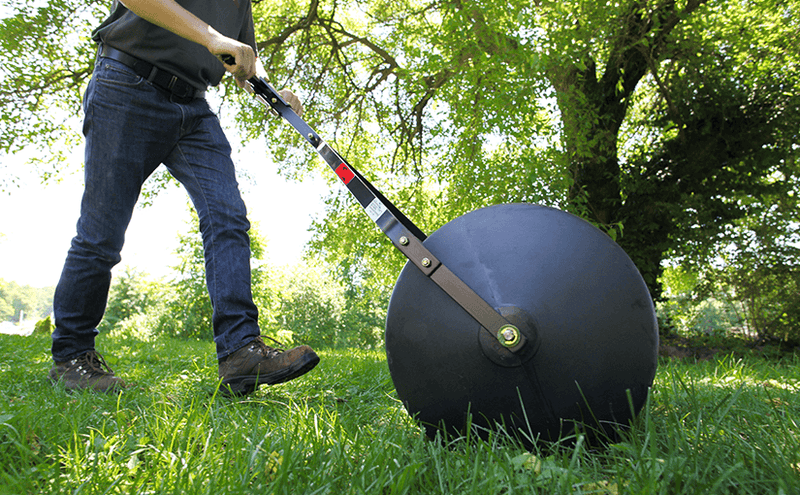
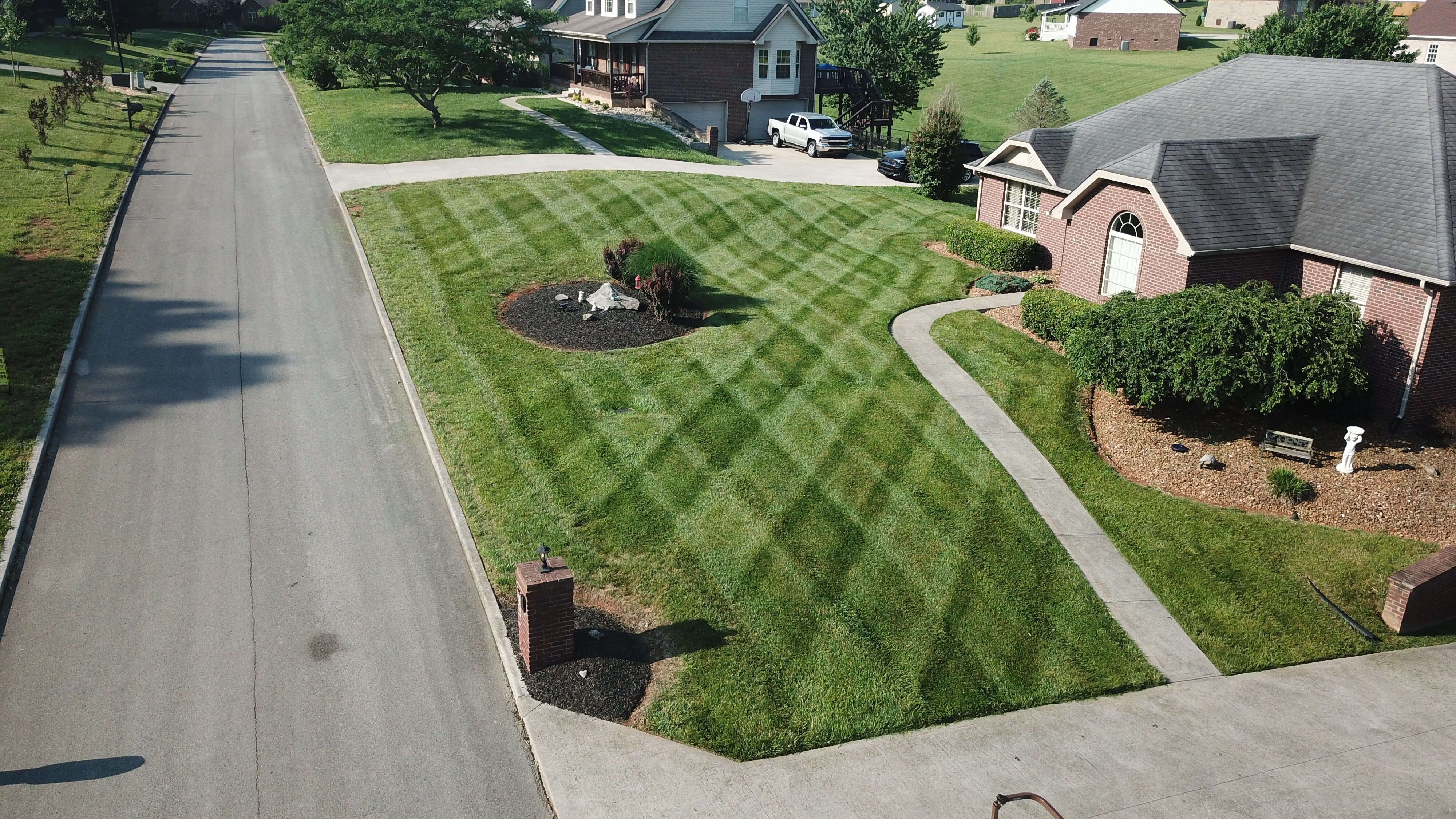
Imagine stepping into your backyard, greeted by the sight of a perfectly manicured lawn. It’s lush, level, and inviting.
Achieving this look might seem daunting, but with the right tools, it’s more straightforward than you think. One tool that can make a significant difference is a lawn roller. You might wonder how this simple piece of equipment can transform your yard.
Well, you’re in the right place. This article will reveal tips for using a lawn roller to ensure your lawn is the envy of the neighborhood. Curious about how to make the most out of your lawn roller and achieve that pristine, smooth look? Keep reading, and you’ll discover the secrets to a flawless lawn.
Credit: blog.grasshoppermower.com
Choosing The Right Lawn Roller
Using a lawn roller can help you create a smooth and even lawn surface. Picking the right roller makes the job easier and gives better results.
There are different types, sizes, and materials. Knowing these helps you choose the best lawn roller for your needs.
Types Of Lawn Rollers
Lawn rollers come in several types. Each type works best for certain lawn tasks and conditions.
- Water-Filled Rollers: These are hollow and filled with water. You can adjust the weight by adding or removing water.
- Steel Rollers: Made from heavy steel, they are good for firm compaction but harder to move.
- Plastic Rollers: Lightweight and easy to handle, but less effective on very uneven ground.
Size And Weight Considerations
Choose a roller size that fits your lawn area. A bigger roller covers more ground quickly.
The weight affects how well it flattens the soil. Heavier rollers press better but need more effort to move.
- Small rollers work well for small yards and garden patches.
- Medium rollers balance ease of use and coverage.
- Large, heavy rollers suit big lawns and tough soil.
Material Options
The material of the roller affects its durability and weight. Different materials suit different lawn needs.
- Steel rollers are strong and last long. They work well on hard soil.
- Plastic rollers are lighter and resist rust. Good for lighter jobs.
- Rubber rollers cause less damage to the grass but may not compact soil as well.
Preparing Your Lawn
Using a lawn roller helps create a smooth, even surface. Preparing your lawn properly makes rolling easier and more effective.
Before you roll, take time to clear and check your lawn. This ensures the best results and protects your equipment.
Mowing And Clearing Debris
Cut the grass short before rolling. This helps the roller press the soil evenly without damaging tall grass.
- Use a sharp mower blade for a clean cut
- Remove sticks, stones, and leaves from the lawn
- Clear pet waste and other debris
- Rake the lawn to lift dead grass and thatch
Moisture Levels For Rolling
Check the soil moisture before rolling your lawn. The right moisture helps the roller flatten the soil without causing damage.
| Soil Condition | Rolling Effect |
| Dry | Hard to press, may cause uneven soil |
| Too Wet | Can compact soil too much and hurt grass roots |
| Moderately Moist | Best for smooth, even rolling |
Marking Uneven Areas
Find bumps and low spots before rolling. Marking these areas helps you focus on problem spots and improve lawn level.
Use flags, stakes, or spray paint to mark uneven areas. This makes it easier to roll those spots carefully.
- Walk around your lawn to spot dips and bumps
- Mark high spots for extra rolling
- Note low spots to avoid over-compacting
Techniques For Rolling
Using a lawn roller correctly can help you achieve a smooth, even lawn surface. It is important to use proper techniques to avoid damaging your grass or soil.
Rolling your lawn at the right time and with the right method improves its appearance and health. Here are some useful tips for effective rolling.
Rolling Patterns To Follow
Following a proper rolling pattern ensures even pressure across your lawn. This helps prevent uneven spots and compaction.
- Roll in straight lines, overlapping each pass slightly
- Change direction on the second pass for full coverage
- Use a diagonal pattern for smaller or irregular lawns
- Avoid rolling in random or circular paths
Speed And Pressure Tips
Controlling your speed and the pressure applied will protect your lawn. Too much pressure or speed can harm grass roots.
| Factor | Recommended Practice |
| Rolling Speed | Slow and steady |
| Pressure Level | Light to moderate |
| Number of Passes | One or two passes only |
| Roll When | Soil is moist but not wet |
Avoiding Soil Compaction
Soil compaction blocks air and water from reaching grass roots. Avoiding it helps keep your lawn healthy and growing well.
- Do not roll when the ground is too wet or heavy
- Use a lightweight roller instead of a heavy one
- Limit rolling frequency to prevent soil damage
- Aerate your lawn regularly to relieve compaction

Credit: www.reddit.com
When To Use A Lawn Roller
A lawn roller helps level your yard by pressing the soil and grass. Using it at the right time is key to avoid damage. Knowing when to roll your lawn can improve its health and appearance.
Rolling at the wrong time may harm grass roots or compact soil too much. This guide explains the best seasons, timing after planting, and post-winter care for lawn rolling.
Best Seasons For Rolling
Spring and fall are the best seasons to roll your lawn. The soil is moist but not too wet, which helps avoid soil compaction. Summer and winter are not ideal because the ground is either too dry or frozen.
- Spring:Soil softens after winter, good for rolling.
- Fall:Grass grows well, helping recover quickly.
- Summer:Avoid rolling; soil is too hard and dry.
- Winter:Soil is frozen; rolling can damage roots.
Timing After Seeding Or Sodding
Rolling right after seeding or laying sod helps press seeds or roots into the soil. But wait until the soil is moist and the grass starts to grow. Rolling too soon can harm young roots and stop growth.
| Activity | Recommended Time to Roll |
| After Seeding | Wait 1–2 weeks until grass sprouts |
| After Sodding | Roll immediately if soil is moist, then again after 1 week |
| General Tip | Soil should be damp but not muddy |
Post-winter Lawn Care
After winter, lawns often have uneven spots and soil heaving. Rolling helps smooth the surface and press grass back into the ground. Do this once the soil thaws and dries a bit.
- Check if soil is soft but not muddy.
- Roll gently to avoid soil compaction.
- Water the lawn after rolling to help grass recover.
- Avoid rolling if grass is still dormant or frozen.
Maintaining Your Lawn Roller
Keeping your lawn roller in good condition helps it last longer. Regular care ensures it works well every time.
Learn simple ways to clean, check, and fix your lawn roller for the best results.
Cleaning And Storage
After each use, clean the roller to remove dirt and grass. Store it in a dry place to avoid rust and damage.
- Rinse off mud and grass clippings with water
- Dry the roller completely before storage
- Keep it covered to protect from dust and rain
- Store the roller on a flat surface to prevent warping
Regular Maintenance Checks
Check your lawn roller often to catch problems early. Look for signs of wear and loose parts.
| Part | What to Check | Action |
| Roller surface | Clean and smooth | Remove dirt or rust |
| Handles | Secure and not bent | Tighten bolts or replace |
| Wheels (if any) | Spin freely | Lubricate or fix |
| Air valve (for water-filled rollers) | No leaks | Seal or replace |
Repairing Common Issues
Fix small problems quickly to avoid bigger damage. Use basic tools to repair most issues.
- Patch holes in water-filled rollers with waterproof tape
- Replace worn handles with new ones from hardware stores
- Tighten loose bolts using a wrench
- Lubricate moving parts with oil to prevent rust
Credit: landzie.com
Common Mistakes To Avoid
Using a lawn roller can help create a smooth and even surface. Many people make simple mistakes that harm their lawn instead of helping it.
Knowing what not to do will keep your grass healthy and your soil in good shape.
Overusing The Roller
Rolling your lawn too much can compact the soil too hard. This stops air, water, and nutrients from reaching the roots.
Only roll your lawn when needed, like after seeding or if the ground is uneven.
- Limit rolling to a few times per year
- Avoid rolling the same area repeatedly
- Check soil firmness before rolling
Ignoring Soil Type
Different soils react differently to rolling. Clay soil compacts easily, while sandy soil may not need much rolling.
Know your soil type to decide if and how much to roll your lawn.
- Clay soil: Roll lightly to avoid hard compaction
- Sandy soil: Rolling is often not necessary
- Loamy soil: Moderate rolling works best
Rolling On Wet Soil
Rolling when soil is wet can cause damage. Wet soil is softer and more likely to get compacted deeply.
Wait until the soil is dry enough to support the roller without leaving deep marks.
- Check soil moisture before rolling
- Avoid rolling right after rain
- Roll in the morning after dew dries
Frequently Asked Questions
What Is The Main Purpose Of Using A Lawn Roller?
A lawn roller flattens uneven ground and improves soil contact with seeds. It helps create a smooth, firm lawn surface for better growth and appearance.
When Is The Best Time To Use A Lawn Roller?
Use a lawn roller after seeding or aeration, preferably in spring or fall. Avoid rolling when soil is too wet or dry to prevent damage.
How Often Should You Use A Lawn Roller?
Roll your lawn only when necessary, such as after seeding or fixing bumps. Overuse can compact soil and harm grass roots, reducing lawn health.
Can A Lawn Roller Improve Lawn Drainage?
A lawn roller primarily smooths the surface but may slightly improve drainage by leveling low spots. However, proper grading and aeration are better for drainage issues.
Conclusion
Using a lawn roller can make your yard look neat and smooth. Roll the lawn carefully to avoid damage to the grass. Regular use helps level bumps and improves soil contact. Remember to water the lawn after rolling for best results.
Small steps bring big changes to your lawn’s health. Keep these tips in mind and enjoy a well-rolled, beautiful lawn all season. Simple care leads to great results. Try these ideas and watch your lawn improve day by day.

