
Have you ever been in the middle of a gardening project and wondered if your trusty pruning shears could double as a wire cutter? It’s a common dilemma for many gardening enthusiasts and DIYers alike.
You might be tempted to give it a try, thinking it will save time or effort. But is it a good idea? Understanding what your tools can and cannot do is crucial for both your safety and the longevity of your equipment.
We’ll explore whether pruning shears are up to the task of cutting wire, and what you should consider before you put them to the test. Keep reading to find out if you’re on the verge of making a gardening breakthrough or a potential tool mishap.
Types Of Pruning Shears
Pruning shears come in different types designed for various cutting tasks. Choosing the right type helps you cut plants cleanly and easily.
Each type has a unique blade and mechanism. This affects how well they cut through stems, branches, or even wire.
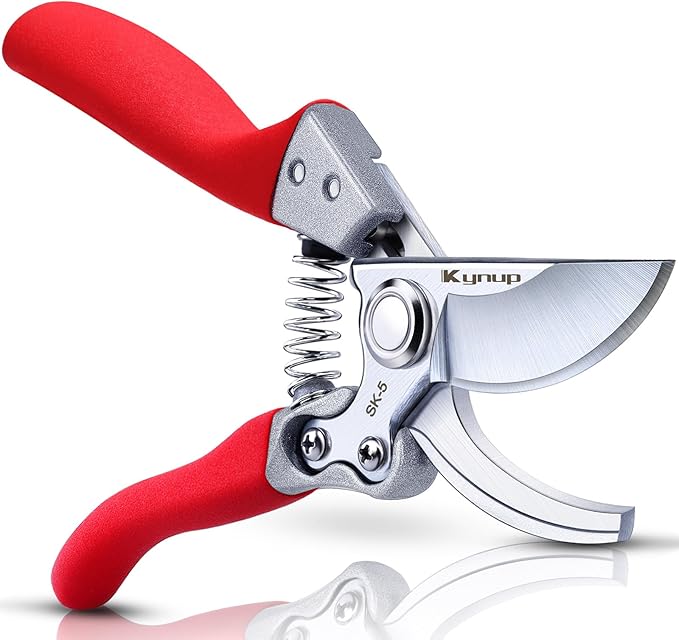
Bypass Shears
Bypass shears have two curved blades that pass by each other. This action makes a clean cut, like scissors.
These shears work best on live plants. They cut stems and branches without crushing them.
Anvil Shears
Anvil shears have one sharp blade that cuts against a flat metal surface. They crush the branch as they cut.
This type is good for cutting dry or dead wood. They are not ideal for live plants.
- Blade presses down on the anvil
- Can handle tougher materials
- May damage live stems
- Less precise cut
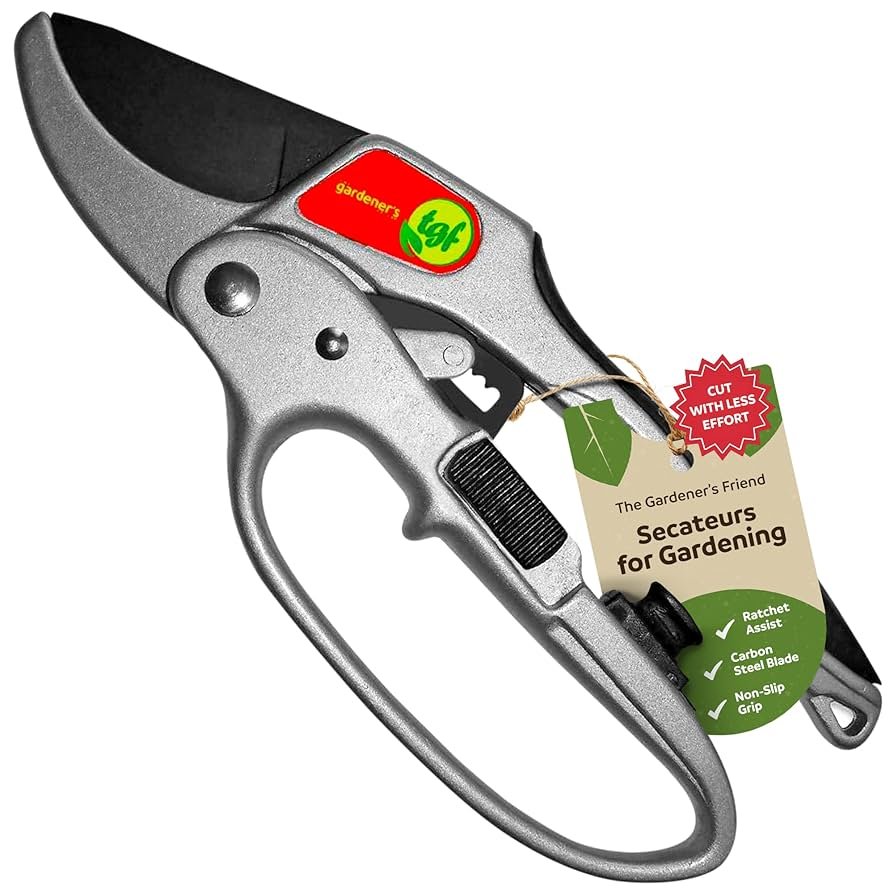
Ratchet Shears
Ratchet shears use a gear system to increase cutting power. They cut in stages, making thick branches easier to handle.
| Feature | Benefit |
| Ratchet mechanism | Reduces hand effort |
| Multiple cutting steps | Better for thick branches |
| Can cut wire | Depends on blade strength |
Materials Pruning Shears Can Cut
Pruning shears are useful tools for gardeners and landscapers. They cut different materials depending on their design and strength. Knowing what pruning shears can cut helps you use them safely and effectively.
This guide explains the types of materials pruning shears can handle. It covers branches, wires, and the limits of these tools.
Branches And Stems
Pruning shears work best on branches and stems. They cut fresh, green wood easily. Dry or dead wood can be harder to cut and may dull the blades faster.
- Soft stems under 1/2 inch thick
- Young branches up to 3/4 inch thick
- Thin shoots and flower stems
Soft Wire
Some pruning shears can cut soft wire. This includes thin garden wire and floral wire. These wires are usually less than 16 gauge thickness. Cutting soft wire can save you time in garden projects.
| Wire Type | Maximum Thickness | Cutting Ease |
| Floral Wire | 0.5 mm | Easy |
| Garden Wire | 1 mm | Moderate |
| Soft Iron Wire | 1.2 mm | Moderate |
Hard Wire Limitations
Pruning shears cannot cut hard wire well. Hard wire is thick and tough. Using shears on hard wire can damage the blades or cause injury. Use wire cutters or pliers for hard wire.
- Steel wire thicker than 1.5 mm
- Galvanized wire and fencing wire
- Hardened or tempered wire
Risks Of Cutting Wire With Pruning Shears
Pruning shears are designed for cutting plant stems and branches. Using them to cut wire can lead to problems.
This article explains the risks of cutting wire with pruning shears. It covers damage to blades, injury hazards, and tool lifespan.
Damage To Shear Blades
Cutting wire can chip or dull the sharp blades of pruning shears. This damage reduces their ability to cut plants cleanly.
- Blades may become nicked or cracked.
- Edges lose sharpness quickly.
- Blade alignment can be affected.
- Repair or replacement costs increase.
Personal Injury Hazards
Using pruning shears on wire increases the risk of accidents. Wire may snap or slip during cutting.
Injuries can happen from flying wire pieces or sudden tool movement.
- Wear protective gloves and eye protection.
- Use the right tool designed for wire cutting.
- Keep hands clear of the cutting area.
Reduced Tool Lifespan
Cutting wire puts extra stress on pruning shears. This shortens their usable life.
| Effect | Result |
|---|---|
| Blade wear | More frequent sharpening needed |
| Joint stress | Loosening or breaking of pivot |
| Handle strain | Possible cracking or breaking |

Credit: www.canac.ca
Safe Techniques For Cutting Wire
Cutting wire with pruning shears can be risky if you do not use the right techniques. Using tools properly keeps you safe and protects the tools.
This guide explains how to cut wire safely with pruning shears by choosing the right tool, holding it well, and wearing protection.
Choosing The Right Tool
Pruning shears are made for cutting plant stems, not thick wire. Thin wire may be cut, but thick or hard wire needs special tools.
Use wire cutters or pliers for metal wire to avoid damage or injury. Check if the tool is strong enough for the wire’s thickness.
- Use pruning shears only for soft, thin wire
- Choose wire cutters for thicker metal wire
- Check tool blades for sharpness and strength
Proper Grip And Positioning
Hold pruning shears firmly with a good grip to avoid slipping. Place the wire close to the blade’s base for easier cutting.
Keep your hands away from the cutting line. Cut slowly and steadily to control the tool and wire safely.
- Grip handles tightly but not too hard
- Position wire near the blade’s strongest point
- Keep fingers away from cutting area
- Apply steady pressure for a clean cut
Wearing Protective Gear
Wear safety glasses to protect your eyes from flying wire pieces. Gloves protect your hands from cuts and scratches.
Use sturdy gloves and glasses every time you cut wire. Safety gear reduces the chance of injuries.
- Wear safety glasses to guard your eyes
- Use thick gloves to protect your hands
- Consider long sleeves for extra skin protection
Alternatives To Pruning Shears For Wire Cutting
Pruning shears are great for cutting plants but not ideal for wire. You need tools made for cutting metal. This guide shows some good alternatives.
Different wires need different tools. Using the right tool makes the job easier and safer. Here are three common tools you can use instead of pruning shears.
Wire Cutters And Pliers
Wire cutters and pliers are designed to cut and grip wires. They come in many sizes and styles. These tools work well for thin to medium wire.
- Wire cutters have sharp edges made to slice wire cleanly.
- Pliers can grip and twist wire before cutting.
- Both tools give you more control than pruning shears.
- They are easy to carry and use for small jobs.
Bolt Cutters
Bolt cutters are strong tools made for cutting thick wire and metal rods. They use long handles to give you more power. These work well for heavy or tough wire.
| Feature | Detail |
| Cutting Capacity | Thick wires, bolts, chains |
| Handle Length | Long for extra leverage |
| Blade Type | Hardened steel for durability |
| Best Use | Heavy-duty wire cutting jobs |
Tin Snips
Tin snips cut thin metal sheets and wires. They look like scissors but have stronger blades. These tools are good for cutting soft wire or metal strips.
Advantages of tin snips include:
- Lightweight and easy to handle
- Good for curved or straight cuts
- Work well on soft metals and wires
- Not suitable for very thick wire
Maintaining Pruning Shears After Wire Cutting
Pruning shears can cut wire, but this use can wear them out faster. Proper care helps keep them sharp and working well.
After cutting wire, cleaning and maintenance are important to avoid damage and rust. Follow simple steps to keep your shears in good shape.
Cleaning And Lubrication
Wire leaves small bits and dirt on pruning shears. Clean the blades after use to stop rust and sticky residue.
Use a soft cloth and warm, soapy water to clean the blades. Dry them well to prevent moisture damage.
Apply a light oil or lubricant to the pivot point and blades. This keeps the shears moving smoothly and stops rust.
- Wipe blades with a clean cloth
- Use mild soap and water for cleaning
- Dry blades completely
- Apply a few drops of oil on joints and blades
Sharpening Blades
Cutting wire can dull pruning shears quickly. Sharpen the blades often to keep them cutting cleanly.
Use a sharpening stone or file made for garden tools. Follow the blade’s original angle to avoid damage.
- Hold the blade steady
- Sharpen in one direction
- Keep the original blade angle
- Test sharpness on a small branch
Regular Inspections
Check pruning shears often for any damage after cutting wire. Look for bent parts, loose screws, or rust.
Tighten screws and fix small problems before they get worse. Replace parts if needed to keep shears safe.
- Look for blade chips or bends
- Check the pivot bolt tightness
- Inspect for rust or corrosion
- Replace worn or broken parts
When To Replace Pruning Shears
Pruning shears are handy tools for gardening and light cutting tasks. Over time, their performance can drop, and they may become unsafe to use. Knowing when to replace them helps keep your work easy and safe.
This guide covers signs of wear, performance issues, and safety concerns that show it is time for new pruning shears.
Signs Of Wear
Look closely at your pruning shears for visible damage. Worn-out parts make cutting harder and can damage plants.
- Dull or chipped blades that do not cut cleanly
- Loose or bent handles that affect grip
- Rust or corrosion on metal parts
- Broken springs or missing screws
Performance Issues
When pruning shears lose their sharpness or smooth action, they slow down your work. You may need to replace them if sharpening or repairs do not help.
| Problem | Effect | Solution |
| Dull Blades | Hard to cut branches | Sharpen or replace blades |
| Sticky Joint | Slow cutting action | Clean and lubricate or replace |
| Loose Handles | Poor control | Tighten screws or replace tool |
Safety Concerns
Old or damaged pruning shears can cause accidents. If the tool feels unstable or unsafe, replace it right away.
- Blades that slip or do not lock properly
- Handles that crack or break under pressure
- Rusty blades that might snap
- Springs that lose tension, causing sudden closures
Credit: leafyease.com

Credit: www.amazon.ca
Frequently Asked Questions
Can Pruning Shears Cut Metal Wire Effectively?
Pruning shears can cut thin, soft metal wire but may struggle with thick or hard wire. Using shears on tough wire can damage the blades and reduce their lifespan.
What Types Of Wire Can Pruning Shears Cut?
Pruning shears work best on thin, flexible wires like garden or floral wire. Heavy gauge or steel wire usually requires specialized cutters for clean cuts.
Will Cutting Wire Dull Pruning Shears?
Yes, cutting wire can dull pruning shears quickly. Wire is harder than plant stems and can cause blade edges to become less sharp over time.
Are Pruning Shears Suitable For Cutting Thick Wire?
No, pruning shears are not designed for thick wire. For thick wire, use wire cutters or bolt cutters to avoid damaging the shears.
Conclusion
Pruning shears work well for thin, soft wire cutting. Thick or hard wire can damage the blades. Use tools made for wire to avoid problems. Regular pruning shears are best for plants, not wire. Choose the right tool to make work easier and safer.
Taking care of your shears helps them last longer. Small tasks need small tools. Simple advice, clear results.

