
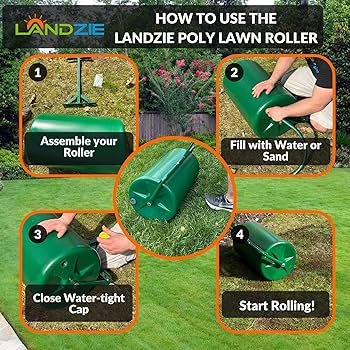
Are you tired of tripping over your lawn roller or finding it rusted and unusable when you need it most? Proper storage is key to maintaining your equipment’s longevity and effectiveness.
Imagine opening your garage or shed and effortlessly retrieving a clean, well-maintained lawn roller ready to help you achieve that perfect, manicured lawn. You’ll discover simple yet effective strategies to store your lawn roller, ensuring it’s always in top condition and ready for action.
Don’t let improper storage ruin your tools—read on to unlock the secrets to keeping your lawn roller in pristine shape!

Credit: www.amazon.com
Choosing The Right Storage Spot
Storing your lawn roller properly keeps it in good shape. Picking the right spot helps protect it from damage.
Consider factors like where you keep it, the temperature, and sunlight. These affect how long your roller lasts.
Indoor Vs Outdoor Storage
Indoor storage protects your lawn roller from rain and dirt. It also reduces rust and wear.
Outdoor storage is easier but exposes the roller to weather. Use covers if you store it outside.
- Indoor storage: cleaner and safer
- Outdoor storage: needs protection like a cover
- Keep the roller off wet ground
Ideal Temperature And Humidity
Store your lawn roller in a cool place. Avoid spots with high heat or cold.
Humidity causes metal parts to rust. Keep the storage area dry to stop rust and damage.
- Temperature: 50-70°F (10-21°C) is best
- Humidity: low to prevent rust
- Use a dehumidifier if indoors is damp
Avoiding Direct Sunlight
Direct sunlight can heat the roller and fade paint. It may also dry out rubber parts.
Store the lawn roller in a shaded spot or inside. This keeps it looking good and working well.
- Keep away from windows with strong sun
- Use covers to block sunlight if outside
- Shade helps protect paint and rubber parts
Cleaning Before Storage
Proper cleaning is important before storing your lawn roller. It keeps the roller in good shape. Dirt and moisture can cause damage over time.
Cleaning helps avoid rust and keeps the roller ready for the next use. Follow simple steps to clean it well.
Removing Dirt And Grass
Start by removing any dirt and grass stuck on the roller. Use a stiff brush or a scraper for this task. Make sure to clean all sides.
Cleaning off debris prevents it from hardening and causing scratches. It also stops mold from growing during storage.
- Use a stiff brush or plastic scraper
- Clear dirt from rollers and handles
- Remove grass clippings and mud
- Do this before the roller dries out
Checking For Rust Or Damage
Look carefully for signs of rust or damage on the roller. Rust can weaken the metal and cause holes. Check the frame, handles, and roller surface.
If you find rust, use sandpaper or a wire brush to remove it. Fix any loose parts or dents before storage to keep the roller safe.
- Inspect metal parts for rust spots
- Sand off any rust found
- Check for dents and loose screws
- Tighten or repair damaged parts
Drying Thoroughly
After cleaning, dry the lawn roller completely. Moisture left on the roller can cause rust and mold. Use a cloth or let it air dry outside.
Store the roller in a dry place after it is fully dry. This helps keep it in good condition for the next time you use it.
- Wipe roller with a dry cloth
- Leave roller outside to air dry
- Ensure no moisture remains
- Store in a dry, sheltered area
Preparing The Roller
Proper care helps your lawn roller last longer. Preparing it before storage keeps it in good shape. This guide covers important steps to ready your roller.
Emptying fluids, lubricating parts, and protecting metal are key tasks. Each step prevents damage and rust during storage.
Emptying Water Or Fuel
Remove all water from the roller to avoid freezing and cracking. Drain any fuel to stop clogs and damage in the engine.
- Turn off the roller and let it cool down.
- Open the drain plug to empty water from the drum.
- Drain fuel from the tank into a safe container.
- Run the engine until it stops to clear fuel lines.
- Close all plugs securely after draining.
Lubricating Moving Parts
Lubricate joints and moving parts to reduce wear and rust. Use the right oil or grease for each part.
| Part | Lubricant Type | Frequency |
| Axle | Grease | Before storage |
| Handle joints | Light machine oil | Before storage |
| Roller bearings | Grease | Every 6 months |
Protecting Metal Surfaces
Cover metal parts to stop rust and corrosion. Clean surfaces and apply protective coatings before storing.
- Wash the roller and dry it completely.
- Apply a thin layer of oil or rust-preventive spray.
- Store the roller in a dry, covered place.
- Place a tarp over the roller for extra protection.

Credit: brinly.com
Storage Techniques
Proper storage of a lawn roller keeps it in good shape for years. Storing it well also makes it easier to use next season.
Focus on protecting the roller, keeping it stable, and avoiding ground moisture. These steps help prevent damage and rust.
Using Protective Covers
Use a protective cover to shield your lawn roller from dirt and rain. Covers reduce rust and keep parts clean. Choose a waterproof cover made from durable material.
- Clean the roller before covering
- Use a breathable waterproof cover
- Secure the cover tightly to prevent wind damage
- Check the cover regularly for holes or wear
Positioning For Stability
Place the roller in a stable position to stop it from rolling or falling. A flat, firm surface works best. Avoid uneven or soft ground.
| Position | Reason |
| Flat concrete floor | Prevents rolling and sinking |
| Garage corner | Keeps it out of the way |
| Against a wall | Extra support to stay upright |
Elevating Off The Ground
Lift the roller off the ground to stop moisture damage. Use wooden blocks or pallets. Elevation helps air flow around the roller.
- Place two sturdy wooden blocks parallel under the roller
- Make sure the blocks are dry and free from rot
- Check height so the roller is off the floor but stable
- Inspect regularly to ensure the roller stays elevated
Seasonal Maintenance Tips
Storing a lawn roller properly helps keep it in good shape. Seasonal care prevents damage and keeps it ready for use.
Follow these tips to maintain your lawn roller during storage and prepare it for the next season.
Mid-storage Inspections
Check your lawn roller regularly while it is stored. Look for signs of rust or damage on the metal parts. Make sure the roller is still clean and dry.
Lubricate moving parts if needed. This keeps the roller working smoothly and prevents parts from seizing up.
Preventing Mold And Mildew
Mold and mildew grow in damp places. Keep the roller in a dry, well-ventilated area to stop this from happening.
- Wipe down the roller with a dry cloth before storing
- Store on a raised platform to avoid ground moisture
- Cover with a breathable tarp, not plastic sheeting
- Allow air to circulate around the roller
- Check periodically for any signs of mold
Preparing For Spring Use
Before using the roller in spring, inspect it carefully. Clean off dirt and check for damage. Inflate tires if needed.
| Preparation Task | Details |
| Clean Roller | Remove dirt and debris with a brush or hose |
| Check Tires | Inflate to recommended pressure |
| Lubricate Parts | Apply oil to moving joints |
| Inspect Roller Surface | Fix dents or rust spots |
| Test Roll | Ensure smooth rolling on flat ground |

Credit: brinly.com
Frequently Asked Questions
How Should I Clean A Lawn Roller Before Storage?
Clean your lawn roller by removing dirt and grass clippings. Use water and a brush to scrub off debris. Dry it completely to prevent rust and damage during storage.
Where Is The Best Place To Store A Lawn Roller?
Store your lawn roller in a dry, sheltered area like a garage or shed. Avoid damp spots to prevent rust and extend its lifespan.
Should I Drain Water From A Water-filled Lawn Roller?
Yes, always drain water from water-filled rollers before storage. This prevents freezing damage and prolongs the roller’s durability during cold seasons.
How Do I Prevent Rust On A Lawn Roller During Storage?
Apply a light coat of oil or lubricant on metal parts. Keep the roller dry and off the ground to avoid moisture buildup and rust formation.
Conclusion
Storing your lawn roller properly keeps it in good shape. Clean it well before storing to avoid rust and dirt. Choose a dry, covered place to protect it from weather. Keep it off the ground to stop moisture damage. Check the roller regularly for any signs of wear.
Taking these simple steps helps your lawn roller last longer. Ready for use whenever you need it. Easy care makes your gardening tools work better. Small efforts now save time and money later.

