
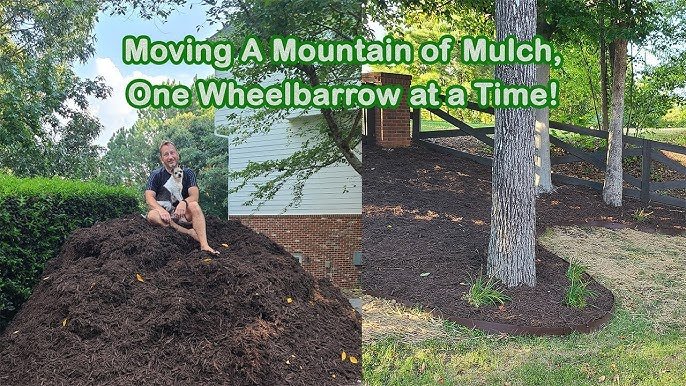
Moving mulch with a wheelbarrow might seem like a straightforward task, but it can quickly become a back-breaking chore if not done efficiently. Imagine saving time and effort while achieving a perfectly mulched garden.
Sounds ideal, right? This is where our expert tips come in handy. By the end of this article, you’ll discover simple yet effective strategies to make moving mulch a breeze. Whether you’re a seasoned gardener or just starting out, these insights will transform your approach.
Ready to learn how to make your gardening tasks easier and more enjoyable? Keep reading to uncover the secrets to mastering mulch movement with ease!
Choosing The Right Wheelbarrow
Moving mulch with a wheelbarrow makes the job easier and faster. Picking the right wheelbarrow helps you carry heavy loads without strain.
Consider the type, size, and material of the wheelbarrow before buying. These factors affect how well it works for your mulch moving tasks.
Types Of Wheelbarrows
There are several types of wheelbarrows. Each type fits different needs and terrain. Choosing the right one helps you move mulch smoothly.
- Standard wheelbarrows:One wheel in front for easy turning and control.
- Two-wheel wheelbarrows:More stable on uneven ground and heavier loads.
- Flat-free tire wheelbarrows:No flats, less maintenance but less shock absorption.
Wheelbarrow Size And Capacity
Size and capacity decide how much mulch you can carry at once. A bigger wheelbarrow holds more but may be harder to push.
| Size | Capacity | Best Use |
| Small (4-5 cubic feet) | Light loads | Small gardens, easy to handle |
| Medium (6-8 cubic feet) | Moderate loads | Most mulch moving tasks |
| Large (9+ cubic feet) | Heavy loads | Big projects, heavy mulch |
Material And Durability
Wheelbarrows come in different materials. The right material lasts longer and handles mulch weight well.
- Steel:Very strong and long-lasting but heavier to push.
- Plastic:Light and rust-proof but can crack under heavy loads.
- Aluminum:Lightweight and rust-resistant, good for moderate loads.
Preparing For The Move
Moving mulch with a wheelbarrow needs good planning. Preparing well saves time and effort.
Start by selecting the right mulch, checking your path, and using proper safety gear. These steps make the job easier and safer.
Selecting The Best Mulch
Choose mulch that suits your garden and wheelbarrow capacity. Light mulches like pine bark are easier to move.
- Pick mulch that is dry to avoid extra weight.
- Consider size; smaller pieces load better in the wheelbarrow.
- Avoid mulch with large sticks that can cause spills.
Checking The Pathway
Clear the path before moving mulch. A smooth route helps prevent accidents and saves energy.
| Path Checkpoint | What to Do |
| Obstacles | Remove rocks, sticks, and debris |
| Surface | Ensure ground is even and firm |
| Space | Make sure the path is wide enough for the wheelbarrow |
| Weather | Avoid muddy or slippery conditions |
Safety Gear Essentials
Wear safety gear to protect yourself during the mulch move. Proper equipment reduces injury risks.
- Use gloves to protect your hands from splinters and dirt.
- Wear sturdy shoes with good grip to prevent slipping.
- Consider knee pads if you will bend or kneel often.
- Use eye protection if dust or debris is likely.
Loading Mulch Efficiently
Moving mulch with a wheelbarrow is easier when you load it properly. Good loading saves time and effort.
Focus on techniques that help you scoop, avoid overloading, and balance the load well.
Proper Scooping Techniques
Scoop mulch using a shovel or your hands. Start from the pile’s edge to keep it stable.
Keep the scoop shallow to avoid spilling mulch outside the wheelbarrow.
- Use a flat shovel for loose mulch
- Scoop mulch gently to keep it in place
- Work close to the wheelbarrow for easy loading
Avoiding Overloading
Do not fill the wheelbarrow too full. Overloading makes it hard to push and control.
Keep mulch below the wheelbarrow’s sides to avoid spills and accidents.
- Load small amounts at a time
- Check the weight before moving
- Stop adding mulch if the wheelbarrow feels heavy
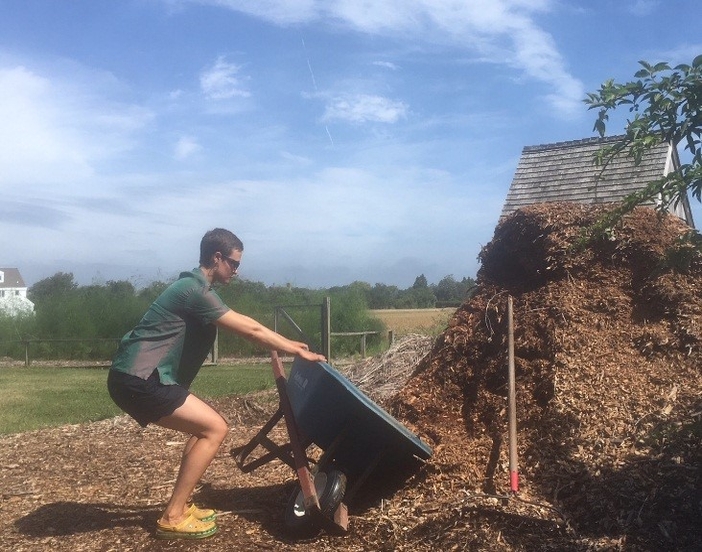
Balancing The Load
Place mulch evenly to keep the wheelbarrow balanced. This helps you push it smoothly.
Put heavier mulch near the wheel to reduce strain on your arms.
- Distribute mulch side to side evenly
- Keep weight centered over the wheel
- Adjust the load if the wheelbarrow tips
Credit: garrettwade.com
Wheelbarrow Handling Tips
Moving mulch with a wheelbarrow can save time and effort. Proper handling helps avoid spills and injuries.
Learn how to push or pull, manage rough ground, and keep your load steady.
Pushing Vs. Pulling
Pushing a wheelbarrow is usually safer and easier than pulling. It gives better control and uses your body weight to help move the load.
- Keep your back straight and bend your knees when pushing.
- Use your arms and legs evenly to avoid strain.
- Pulling can cause you to lose balance or strain your back.
Navigating Uneven Terrain
Uneven ground can make wheelbarrow handling tricky. Move slowly and watch your path carefully.
| Terrain Type | Handling Tip |
| Gravel | Push steadily to avoid slipping. |
| Grass | Use wide tires for better grip. |
| Hills | Keep the load light and go slow. |
Maintaining Control And Stability
Control and stability keep the wheelbarrow from tipping. Balance the load and use both hands firmly.
- Place heavier mulch near the wheel for easier balance.
- Do not overload the wheelbarrow; keep weight manageable.
- Hold the handles tightly and keep your arms slightly bent.
- Stop and adjust the load if you feel unsteady.
Expert Hacks For Easier Transport
Moving mulch with a wheelbarrow can be tough and tiring. Using smart tips helps make the job easier and faster.
This guide shares simple hacks to carry mulch without strain or mess. Use these ideas to save time and energy.
Using Mulch Bags
Mulch bags help keep the mulch contained and easier to move. You can carry smaller amounts without spills.
- Fill bags halfway to avoid heavy loads
- Use strong, tear-proof bags for durability
- Carry bags with handles or tie them securely
- Stack bags on the wheelbarrow for better balance
- Empty bags close to the spot to reduce carrying distance
Leveraging Tools And Accessories
Using the right tools can reduce effort and improve safety. Add these accessories to your wheelbarrow setup.
| Tool | Benefit | Tip |
| Wheelbarrow ramp | Smooths loading/unloading | Place on flat ground |
| Mulch scoop | Speeds up filling | Use gloves for grip |
| Wheelbarrow liner | Protects wheelbarrow from dirt | Use heavy-duty plastic |
| Adjustable handles | Improves comfort | Set to your height |
Teamwork Strategies
Working with others cuts down the time and makes mulch transport less tiring. Share tasks for better flow.
- One person loads the mulch
- Another pushes the wheelbarrow
- Switch roles to avoid fatigue
- Communicate clearly to prevent accidents
- Plan short trips to keep energy up

Credit: www.angi.com
Post-transport Maintenance
After moving mulch with a wheelbarrow, taking care of your tools and materials is important. Proper maintenance helps keep your equipment in good shape. It also ensures mulch stays fresh and ready for your garden.
This guide covers cleaning the wheelbarrow, storing mulch correctly, and caring for your wheelbarrow.
Cleaning The Wheelbarrow
Remove all mulch and dirt from the wheelbarrow after use. This prevents rust and damage. Use a hose to wash away stuck soil and debris.
Dry the wheelbarrow well to stop moisture from causing rust. Clean tools last longer and work better.
- Empty all mulch and dirt
- Rinse with water to remove residue
- Use a brush for stubborn dirt
- Dry completely before storing
Storing Mulch Properly
Store mulch in a dry, shaded place to keep it fresh. Cover it with a tarp to protect it from rain. Wet mulch can cause mold and slow decomposition.
Keep mulch away from direct sunlight to prevent it from drying out too fast. Proper storage extends mulch life and quality.
- Choose a dry, cool area for storage
- Cover mulch with a tarp or plastic sheet
- Avoid storing mulch directly on soil
- Check mulch regularly for moisture and pests
Wheelbarrow Care Tips
Check the wheelbarrow’s tire pressure before each use. Properly inflated tires make moving mulch easier. Tighten any loose bolts or screws to keep the wheelbarrow stable.
Store the wheelbarrow in a dry place to prevent rust. Lubricate the wheel axle occasionally to keep it rolling smoothly.
- Check and inflate tires as needed
- Tighten bolts and screws regularly
- Store wheelbarrow indoors or covered
- Lubricate wheel axles every few months

Credit: www.thisoldhouse.com
Frequently Asked Questions
How Do I Safely Load Mulch Into A Wheelbarrow?
Load mulch evenly to maintain balance. Use a shovel for control. Avoid overloading to prevent tipping and strain. Keep the mulch level to reduce spills while moving.
What’s The Best Way To Transport Mulch With A Wheelbarrow?
Push the wheelbarrow slowly on flat ground. Keep your back straight and use your legs to avoid injury. Take short, steady steps to maintain control.
How Can I Prevent Mulch From Spilling During Transport?
Do not overfill the wheelbarrow. Use a tarp or liner if available. Move at a steady pace and avoid sharp turns to keep mulch contained.
Should I Wear Protective Gear When Moving Mulch?
Yes, wear gloves to protect hands from splinters and dirt. Use closed-toe shoes for foot safety. Consider a dust mask if mulch is dry and dusty.
Conclusion
Moving mulch with a wheelbarrow becomes easier with these simple tips. Always load small amounts to avoid spills and make pushing smoother. Keep your back straight to stay comfortable and safe. Take breaks if you feel tired. Choose the right path to save time and effort.
With some care, your mulch will be in place quickly and neatly. This helps your garden look great and stay healthy. Try these ideas next time you work outside. You will see how much easier the job feels.

