
Do you dream of a lush, green lawn that feels like a soft carpet beneath your feet? Achieving that dream might be closer than you think.
If your lawn looks tired or patchy, it’s probably crying out for a breath of fresh air. The secret weapon? A manual aerator. This simple tool can transform your lawn without the need for expensive equipment or professional help. Imagine boosting your lawn’s health and vitality with just a bit of effort.
Intrigued? Keep reading to discover how using a manual aerator can be a game-changer for your outdoor space. You’ll learn step-by-step how to wield this tool effectively, ensuring your grass gets the air, water, and nutrients it needs to thrive. Let’s unlock the secrets to a beautiful lawn together.
Benefits Of Lawn Aeration
Lawn aeration helps grass grow strong and healthy. It lets air, water, and nutrients reach the roots better.
Using a manual aerator is simple and effective. It improves the soil and makes your lawn look greener.
Improved Soil Health
Aeration breaks up hard soil. It creates space for roots to grow deep. This helps grass survive drought and stress.
Enhanced Nutrient Absorption
Aeration allows nutrients to reach the roots faster. This helps grass absorb what it needs to stay green and strong.
- Fertilizers work better
- Grass grows thicker
- Less need for extra feeding
Better Water Penetration
Aeration helps water soak deep into the soil. This reduces runoff and keeps grass hydrated longer.
| Benefit | Effect on Lawn |
| Water Soaking | Improves root hydration |
| Drainage | Prevents puddles and soil erosion |
| Root Growth | Supports strong and healthy grass |
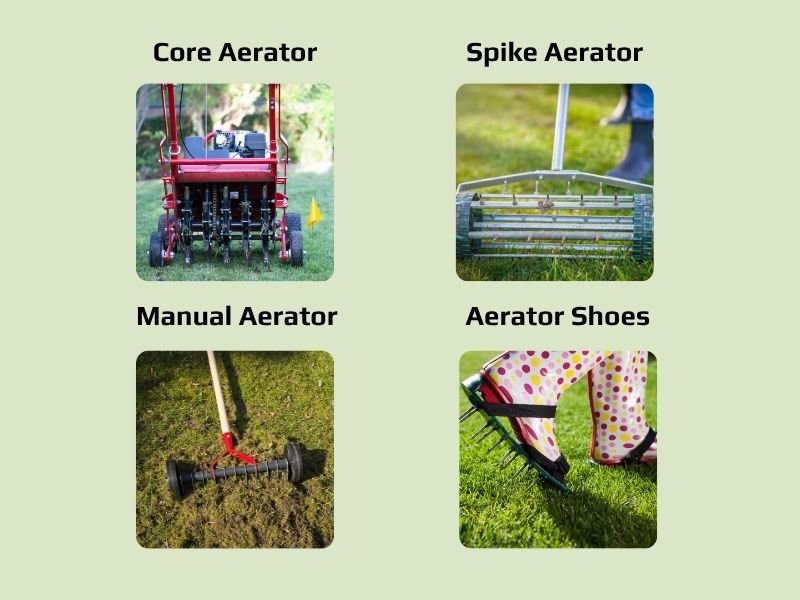
Types Of Manual Aerators
Manual aerators help improve lawn health by letting air reach the soil. They make it easier for grass roots to grow deep.
There are different types of manual aerators. Each type works in a unique way to open the soil surface.
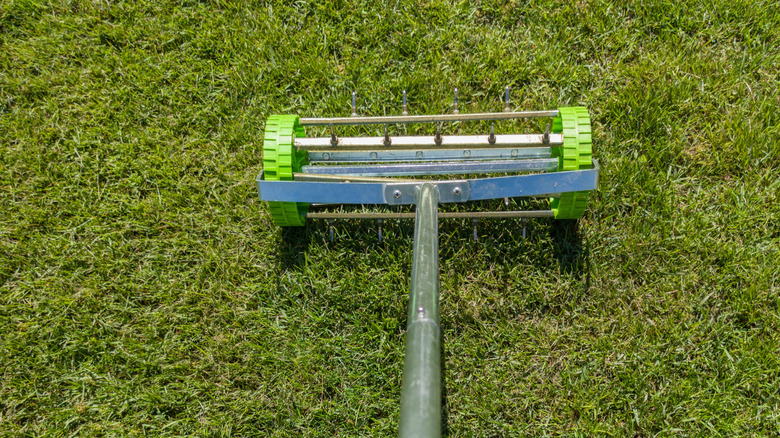
Spike Aerators
Spike aerators use solid spikes to poke holes in the soil. These spikes push into the ground without removing soil.
This type is good for softer soils. It helps air and water reach grass roots by making small holes.
- Spikes create holes by pushing soil aside
- Easy to use with hand tools or shoes
- Works best on lawns with low soil compaction
- Does not remove plugs of soil
Core Aerators
Core aerators remove small plugs of soil from the ground. This makes space for air, water, and nutrients.
These aerators work well on compacted lawns. They help soil breathe better and improve lawn growth.
- Removes cores or plugs of soil
- Reduces soil compaction effectively
- Usually has hollow tines or tubes
- May require more effort than spike aerators
Preparing Your Lawn
Preparing your lawn before using a manual aerator helps improve its health. Good preparation makes aeration easier and more effective.
Take time to get your lawn ready. This includes mowing, watering, and marking obstacles.
Mowing And Watering
Mow your lawn a day before aeration. Cut the grass shorter than usual but avoid scalping.
Water your lawn lightly the day before aerating. Wet soil helps the aerator work better.
- Mow to about 2 to 2.5 inches tall
- Remove grass clippings to clear the surface
- Water enough to moisten the soil but not soak it
- Check soil moisture by squeezing a handful; it should feel damp
Marking Obstacles
Look for obstacles like sprinkler heads, rocks, or wires in your lawn. Mark these spots to avoid damage.
Use flags, cones, or bright markers to show where obstacles are. This keeps your aerator safe and your lawn intact.
- Walk your lawn slowly to find hidden objects
- Place markers at each obstacle location
- Remove small debris like sticks or stones if possible
- Keep markers visible while aerating
Credit: www.housedigest.com
Step-by-step Aeration Process
Manual aeration helps your lawn breathe better and grow healthy roots. This process allows air, water, and nutrients to reach the soil more easily.
Using a manual aerator is simple if you follow the right steps. Start by picking the right tool, then use the proper technique, and finish with even coverage.
Choosing The Right Tool
Manual aerators come in different types. The most common are spike aerators and plug aerators. Spike aerators poke holes in the soil. Plug aerators remove small soil plugs.
- Spike aerators are lighter and easier to use on soft soil.
- Plug aerators work better on compacted soil.
- Choose one with comfortable handles for better grip.
- Check the size of the tines to match your lawn needs.
Proper Technique For Using A Manual Aerator
Use the aerator by pushing it straight down into the soil. Pull it out carefully to avoid tearing the grass. Repeat this process across your lawn.
| Action | Tip |
| Push aerator down | Use body weight for steady pressure |
| Pull aerator out | Lift straight up to keep holes clean |
| Move to next spot | Keep holes about 3 to 4 inches apart |
| Repeat | Cover entire lawn for best results |
Coverage Tips For Even Aeration
Even coverage is key to effective aeration. Plan your path to avoid missing spots or overlapping holes too much.
Follow these tips for even coverage:
- Divide your lawn into smaller sections.
- Aerate one section at a time.
- Work in rows, moving back and forth.
- Make a second pass at a 90-degree angle to the first.
- Mark areas you have finished to avoid repeats.
Post-aeration Lawn Care
After using a manual aerator, your lawn needs special care to heal well. Proper steps help grass grow healthy and green.
This guide covers fertilizing, seeding, and watering after aeration to keep your lawn in top shape.
Fertilizing And Seeding
Fertilizing and seeding after aeration helps nutrients reach the roots and fills bare spots. Use the right type of fertilizer and grass seed for your lawn.
- Apply fertilizer that matches your grass type and soil needs.
- Spread grass seed evenly over the aerated area.
- Lightly rake the soil to cover seeds for better contact.
- Use a starter fertilizer to support new seedlings.
- Avoid heavy fertilizers that can burn young grass.
Watering After Aeration
Watering helps soil settle and supports new seed growth. Keep the soil moist but not soggy for best results.
| Watering Schedule | Purpose |
| First 3 days | Light watering twice daily to keep soil moist |
| Next 2 weeks | Water deeply once a day to encourage root growth |
| After 2 weeks | Water 2-3 times weekly depending on weather |
Credit: www.lawnstarter.com
Common Mistakes To Avoid
Using a manual aerator helps improve soil health and lawn growth. But some errors can reduce its benefits. Avoid these common mistakes to get the best results.
Understanding what not to do is as important as knowing how to aerate. Here are two key mistakes to watch out for.
Over-aerating
Too much aeration can damage your lawn instead of helping it. Over-aerating breaks down soil structure and stresses grass roots. It also wastes time and effort.
- Do not aerate your lawn more than twice a year.
- Avoid aerating during very wet or very dry conditions.
- Focus on compacted areas rather than the whole lawn if possible.
- Use the correct aerator type for your soil and lawn size.
Ignoring Soil Conditions
Soil condition affects how well aeration works. Ignoring it may cause poor results or even harm your lawn.
| Soil Condition | Effect on Aeration | What to Do |
|---|---|---|
| Clay Soil | Heavy and hard to penetrate | Use a core aerator with strong tines |
| Sandy Soil | Drains quickly but loses nutrients | Aerate lightly to avoid erosion |
| Dry Soil | Hard and compacted | Water lawn a day before aerating |
| Wet Soil | Soft and easily damaged | Wait for soil to dry before aerating |
When To Aerate Your Lawn
Aerating your lawn helps grass grow stronger roots. It lets air, water, and nutrients reach the soil.
Knowing the right time to aerate keeps your lawn healthy and green all year.
Seasonal Timing
Spring and fall are the best seasons to aerate most lawns. Cool-season grasses do well in early spring or fall.
Warm-season grasses benefit from aeration in late spring or early summer. Avoid aerating during dry or very hot months.
- Spring for cool-season grass
- Fall for cool-season grass
- Late spring for warm-season grass
- Early summer for warm-season grass
Signs Your Lawn Needs Aeration
Look for signs that show your soil is compacted or your grass is struggling.
| Sign | What It Means |
| Water pools on the surface | Soil does not absorb water well |
| Grass looks thin or patchy | Roots lack space to grow |
| Hard soil when you push a screwdriver | Soil is too compacted |
| Heavy foot traffic areas | Soil gets pressed down often |

Credit: www.amazon.ca
Frequently Asked Questions
What Is A Manual Aerator Used For?
A manual aerator helps improve soil aeration and water absorption. It creates small holes in the soil to reduce compaction. This process enhances root growth and lawn health. It is ideal for small gardens and lawns.
How Do You Operate A Manual Aerator Correctly?
Push the aerator spikes into the soil evenly. Apply steady pressure and pull it out slowly. Repeat the process in a grid pattern for full coverage. Water the lawn after aeration to help nutrients absorb better.
When Is The Best Time To Use A Manual Aerator?
The best time is during early spring or fall. Soil should be moist but not soggy for easier penetration. Avoid aerating during extreme heat or drought. Regular aeration improves soil health and lawn vitality.
How Often Should I Aerate My Lawn Manually?
Aerate your lawn once or twice a year. Lawns with heavy foot traffic may need more frequent aeration. Over-aerating can damage grass roots. Monitor soil condition and adjust frequency accordingly for best results.
Conclusion
Using a manual aerator helps your lawn stay healthy and green. It improves soil and lets water reach roots better. Regular aeration reduces lawn problems like patches and dryness. You only need a few simple steps to use it well.
This tool saves money and keeps your grass strong. Try it during growing seasons for best results. A well-aerated lawn looks great and feels soft. Keep your lawn happy with this easy care tip. Simple, effective, and worth the effort.
