
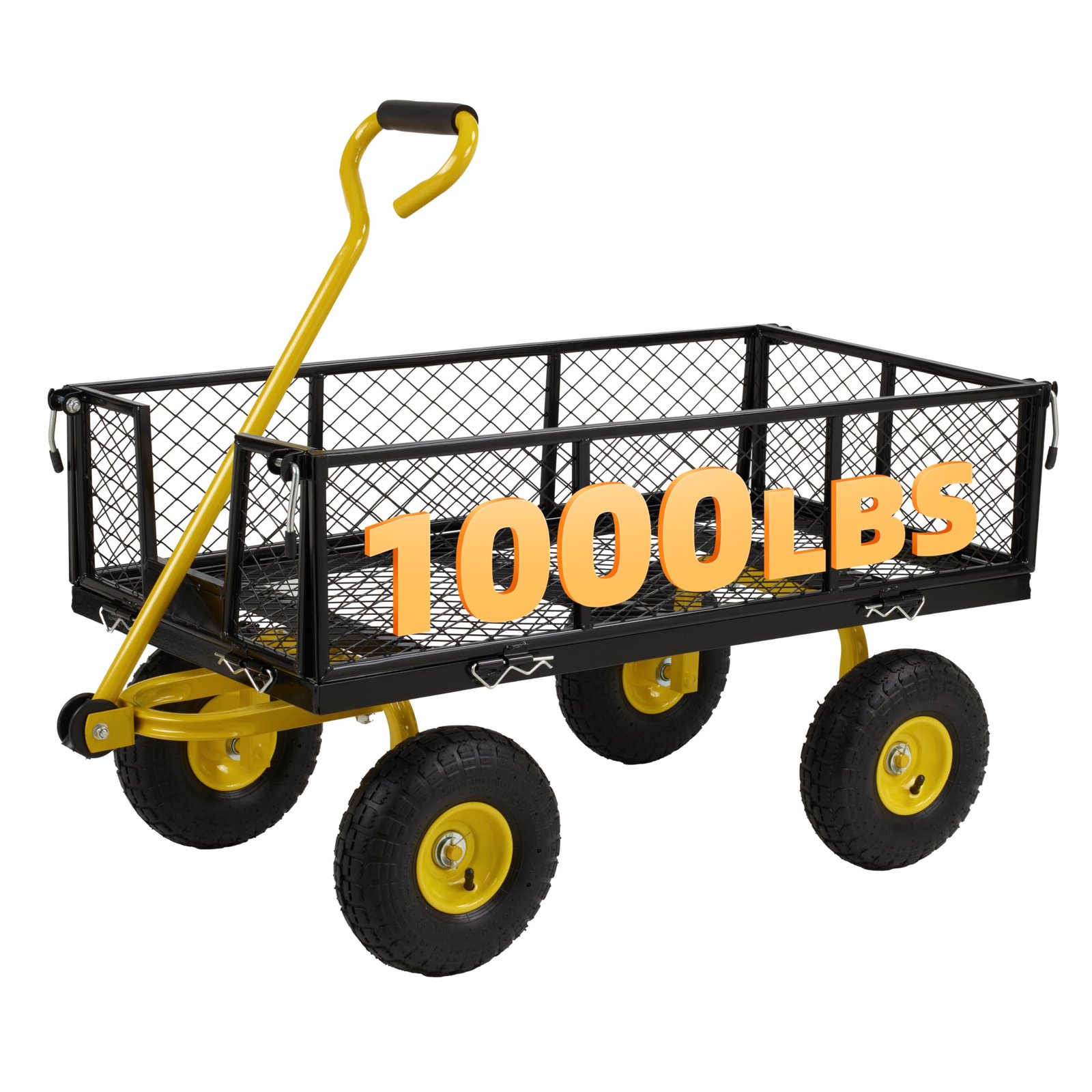
Imagine transforming your gardening experience into something more enjoyable and efficient. One tool can make a world of difference: the garden cart.
If you’ve ever felt the strain of carrying heavy loads across your yard or wished for an easier way to transport tools and supplies, a garden cart might be your new best friend. You’ll discover how a garden cart can revolutionize your gardening tasks, saving you time and effort.
You’ll learn about its versatile uses and why it’s a must-have for anyone looking to enhance their outdoor space. Stick around, and you’ll see how this simple tool can turn a daunting chore into a delightful activity.
Credit: www.vevor.com
Garden Cart Basics
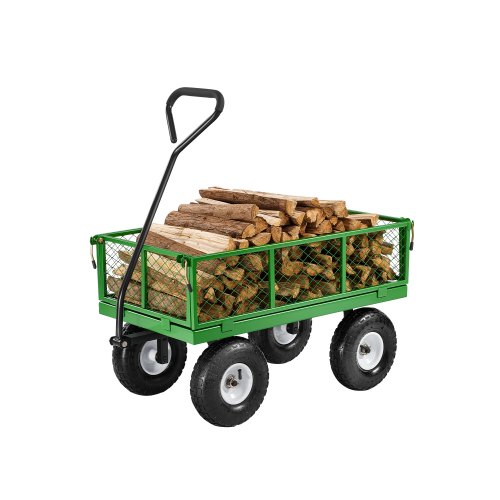
A garden cart is a tool used to carry heavy items in the yard or garden. It helps move soil, plants, tools, and other materials easily.
Garden carts come in different sizes and styles. They usually have wheels and a handle for easy pushing or pulling.
Key Features
Garden carts have features that make gardening tasks easier. Most carts have strong wheels to move on rough ground.
They often include a sturdy frame and a deep bed to carry many items. Some carts have removable sides or tilting beds to unload materials quickly.
- Strong wheels for rough surfaces
- Sturdy frame for heavy loads
- Deep bed to hold many items
- Handles for easy pushing or pulling
- Some have tilting beds or removable sides
Common Uses
Garden carts help with many outdoor tasks. They move soil, mulch, rocks, and plants from one place to another.
People use garden carts for cleaning up leaves, carrying tools, and transporting harvested vegetables or fruits.
- Transporting soil and mulch
- Moving plants and pots
- Carrying garden tools
- Hauling rocks and debris
- Collecting leaves and garden waste
Types Of Garden Carts
Garden carts help carry tools, plants, and soil around your yard. They make gardening easier and save your back from heavy lifting.
There are different types of garden carts. Each type fits different needs and garden sizes.
Two-wheel Carts
Two-wheel carts have only two wheels and a handle to pull or push. They are easy to steer on narrow paths.
These carts are good for carrying light to medium loads. They work well on uneven ground and small gardens.
- Easy to maneuver in tight spaces
- Lighter and simpler design
- Best for small loads and uneven terrain
Four-wheel Carts
Four-wheel carts have four wheels and a flat bed or deep box. They carry heavier loads than two-wheel carts.
These carts are stable and easy to push. They work well on flat surfaces and larger gardens.
- Good for heavy loads and bulky items
- Stable and balanced design
- Easy to push on smooth ground
Motorized Carts
Motorized carts use a small engine or battery for power. They reduce effort when moving very heavy loads.
These carts are great for big gardens or farms. They save time and energy during long work sessions.
- Powered by battery or gas engine
- Can carry very heavy loads
- Useful for large gardens and farms
Materials And Build
A garden cart is a helpful tool for moving soil, plants, and tools. It is made from different materials that affect its strength and weight.
The build of a garden cart affects how long it lasts and how much it can carry. Knowing about the materials helps you choose the right cart.
Metal Frames
Metal frames are strong and can carry heavy loads. They often use steel or aluminum for the frame. Steel is very tough but heavier.
Aluminum frames are lighter and resist rust better. Metal frames last a long time and handle rough use well.
- Steel frames are durable but heavier
- Aluminum frames are light and rust-resistant
- Metal frames give strong support
Plastic Bodies
Plastic bodies make garden carts lightweight and easy to move. They do not rust and need little care. Plastic can be strong but may crack if overloaded.
Plastic carts are good for light to medium tasks. They often have a metal frame for extra strength and support.
- Plastic is light and rust-free
- Needs less maintenance
- Can crack under heavy load
Wooden Options
Wooden garden carts have a classic look. They are sturdy but heavier than plastic carts. Wood can wear out if left outside in rain.
Wooden carts need regular care like sealing or painting. They are good for those who want a natural material and do light to medium work.
- Wood is strong but heavy
- Needs protection from weather
- Offers a natural, classic look
Capacity And Size
Garden carts come in many sizes and capacities. These features affect how much you can carry and move.
Choosing the right cart depends on what loads you plan to transport and where you will use it.
Load Limits
Each garden cart has a maximum load limit. This limit tells you the heaviest weight the cart can safely carry.
- Light carts hold up to 150 pounds, good for small tasks.
- Medium carts carry between 150 and 300 pounds, ideal for most garden jobs.
- Heavy-duty carts support over 300 pounds, used for large loads and rough terrain.
Dimensions To Consider
Size affects how much space the cart takes and what you can load inside. Look at width, length, and height.
| Dimension | Typical Range | Purpose |
|---|---|---|
| Length | 30 to 50 inches | Determines how long the cart bed is |
| Width | 20 to 30 inches | Defines how wide the load area is |
| Height | 10 to 20 inches | Controls the depth for carrying loose materials |
Mobility And Maneuverability
A garden cart helps move heavy items in your yard easily. Its design focuses on smooth movement and easy control.
Good mobility and maneuverability save time and effort while working in your garden.
Wheel Types
The wheels of a garden cart affect how well it moves on different surfaces. Some wheels work better on soft soil, while others suit hard paths.
Common wheel types include pneumatic, solid, and plastic wheels. Each type offers different benefits for mobility.
- Pneumatic wheelshave air inside for smooth rides on rough ground.
- Solid wheelsare durable and do not go flat, good for hard surfaces.
- Plastic wheelsare lightweight but can be less durable on rough terrain.
Handle Designs
Handles help you steer and control the garden cart. The design affects comfort and ease of use.
Some carts have fixed handles, while others feature adjustable or ergonomic designs for better grip.
- Fixed handlesare simple and strong but may not fit all users.
- Adjustable handlescan change height for comfort.
- Ergonomic handlesreduce hand strain during long use.
Additional Features
Garden carts come with extra features that make gardening easier. These features add comfort and convenience.
Understanding these features can help you pick the right cart for your needs.
Foldability
Many garden carts fold for easy storage. Foldable carts save space in your garage or shed.
Folding usually involves simple steps and takes only a few seconds.
Storage Compartments
Storage compartments help keep tools and supplies organized. Some carts have built-in boxes or trays.
- Small compartments for seeds and gloves
- Larger bins for soil bags or pots
- Easy access pockets for quick use items
Accessories
Garden carts may include accessories to improve function. Some common accessories are:
| Accessory | Purpose |
| Removable tool holders | Hold hand tools securely |
| Canopy covers | Protect contents from rain |
| Extra wheels | Enhance stability on rough ground |
Choosing The Right Garden Cart
A garden cart helps you carry tools, soil, and plants easily. Picking the right one makes your work faster and less tiring.
Think about what you need the cart for. This helps you find the best size and type for your garden tasks.
Assessing Your Needs
Consider what you will carry in the garden cart. Heavy loads need strong carts with good wheels.
Check the size of your garden paths. A smaller cart fits narrow spaces better.
- Heavy items require sturdy frames
- Large items need a wide bed
- Small gardens may need compact carts
Budget Considerations
Garden carts come in many price ranges. Decide how much you want to spend before shopping.
Cheaper carts may be lighter and less durable. More expensive carts often last longer and carry heavier loads.
- Set a price range to narrow choices
- Balance cost with quality and features
- Check for carts with good warranties
User Reviews
Read user reviews to learn about real experiences. Reviews help you find carts that work well and last long.
Look for comments on ease of use, durability, and wheel performance. Avoid carts with many complaints.
- Check ratings from many users
- Focus on recent reviews
- Note any common problems reported
Credit: www.vevor.com
Maintenance Tips
Keeping your garden cart in good shape helps it last longer. Regular care makes it safer and easier to use.
Simple maintenance steps can prevent costly repairs. Follow these tips on cleaning, storage, and repairs.
Cleaning
Clean your garden cart after each use to remove dirt and debris. This prevents rust and wear on the surfaces.
- Use a hose to wash off mud and soil
- Wipe down metal parts with a dry cloth
- Remove any stuck plant material
- Dry the cart completely before storing
Storage
Store your garden cart in a dry, sheltered place. This protects it from rain and sun damage.
| Storage Tip | Reason |
| Keep cart under cover | Prevents rust and paint fade |
| Store on a flat surface | Avoids tire damage and imbalance |
| Remove heavy loads | Reduces pressure on wheels and frame |
Repairs
Fix small problems quickly to stop bigger damage. Check wheels, handles, and the frame often.
- Tighten loose bolts and screws
- Replace worn or flat tires
- Lubricate wheel axles for smooth movement
- Patch holes or cracks in the cart bed

Credit: www.amazon.com
Frequently Asked Questions
What Is A Garden Cart Used For?
A garden cart helps transport soil, plants, tools, and debris easily. It reduces physical strain during gardening tasks. It is a versatile tool for both small and large garden projects.
How Does A Garden Cart Improve Gardening?
A garden cart saves time and effort by carrying heavy loads. It keeps tools organized and accessible. It enhances efficiency and reduces the risk of injury while gardening.
What Features Should A Good Garden Cart Have?
A good garden cart has sturdy wheels, a durable frame, and a large carrying capacity. It should be lightweight, easy to maneuver, and resistant to rust. Comfort handles and foldable designs add convenience.
Can A Garden Cart Be Used For Other Purposes?
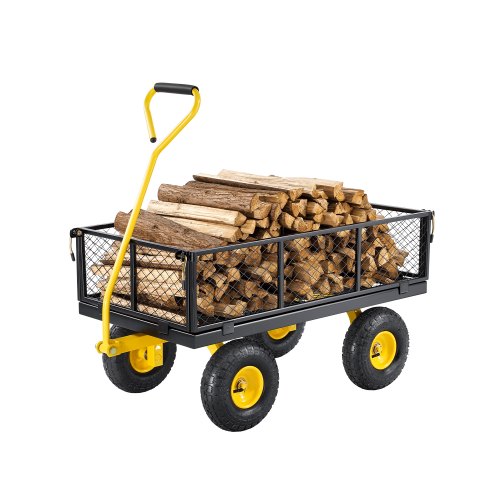
Yes, garden carts are multi-functional. They can transport firewood, outdoor equipment, or heavy groceries. Their strong build supports various household and outdoor tasks beyond gardening.
Conclusion
A garden cart helps carry tools and plants with less effort. It saves time and reduces strain on your body. You can move soil, mulch, and other items easily. This simple tool makes gardening more enjoyable and less tiring. Choosing the right garden cart fits your needs and space.
Small or large, it helps keep your garden tidy. A garden cart is a useful helper for every gardener. Try one and see how it changes your work. Gardening becomes easier with the right tools by your side.

