

Are you tired of dealing with endless piles of leaves cluttering your beautiful yard? You’re not alone.
Many homeowners face the daunting task of keeping their outdoor spaces clean and tidy, especially during the fall. The good news is that a yard vacuum can be your secret weapon in transforming this chore into a breeze. With the right approach, you can make your yard vacuum work more efficiently than ever before.
Imagine having a pristine yard with minimal effort, giving you more time to relax and enjoy your outdoor space. You’ll discover essential tips that will help you use your yard vacuum effectively, turning yard maintenance from a dreaded task into a satisfying, quick, and easy routine. Ready to revolutionize the way you manage your yard? Let’s dive in!

Credit: www.thesun.co.uk
Choosing The Right Yard Vacuum
Using a yard vacuum helps keep your outdoor space clean. Picking the right vacuum makes the job easier and faster.
There are many types and features to consider. Match the vacuum to your yard size for the best results.
Types Of Yard Vacuums
Yard vacuums come in different styles. Each type works best for certain jobs and yard sizes.
- Push Vacuums:Handheld or walk-behind models. Good for small yards.
- Tow-Behind Vacuums:Attach to a lawn tractor. Best for large yards.
- Backpack Vacuums:Lightweight and portable. Ideal for quick cleanups.
Features To Look For
Look for features that make your work easier. Some features help improve vacuum power or comfort.
- Adjustable suction power for different debris types
- Large collection bags to reduce emptying frequency
- Easy-to-clean filters for better performance
- Comfortable handles or straps for longer use
- Durable wheels for smooth movement on rough ground
Matching Vacuum To Yard Size
Choose a vacuum size that fits your yard. A small vacuum may not work well on a big yard.
Large yards need strong, high-capacity vacuums. Small yards can use lightweight, easy-to-move models.
- Small yards: Handheld or push vacuums
- Medium yards: Walk-behind vacuums with bigger bags
- Large yards: Tow-behind vacuums with powerful motors
Preparing Your Yard
Using a yard vacuum is easier when your yard is ready. Preparing your yard helps you clean faster and safer.
Before starting, check the area for things that can stop or damage your vacuum. This saves time and effort.
Clearing Large Debris
Remove big sticks, rocks, and toys from the yard. These items can block or break the vacuum parts.
- Pick up branches and sticks by hand.
- Move stones to a safe place.
- Check for garden tools left on the ground.
- Keep pet toys and balls away from the cleaning path.
Checking For Obstacles
Look for hidden obstacles like holes, wires, and uneven ground. These can cause accidents or damage.
| Obstacle | Risk |
| Holes | Vacuum gets stuck or tips over |
| Exposed wires | Electric shock or fire hazard |
| Uneven ground | Damage to machine or injury |
| Garden decorations | Breaks or blockages |
Timing Your Clean-up
Choose the right time to vacuum your yard. Avoid wet or windy days for better results.
- Check the weather forecast before starting.
- Clean after leaves fall but before they get wet.
- Vacuum in the morning or afternoon when the wind is low.
- Repeat cleaning regularly to keep the yard tidy.
Operating Tips For Maximum Efficiency
Using a yard vacuum properly makes yard work faster and easier. It helps keep your outdoor space clean without much effort.
Follow these tips to get the best results from your yard vacuum. Good handling and settings can save time and energy.
Optimal Suction Settings
Adjust the suction power based on the type of debris. Stronger suction works well for heavy leaves and twigs.
Lower suction is better for light debris like grass clippings. This prevents clogging and extends the vacuum’s life.
- Use high suction for wet or heavy leaves
- Use low suction for dry, light debris
- Check the vacuum’s manual for recommended settings
- Adjust suction as needed while working
Proper Handling Techniques
Hold the yard vacuum steady and move it slowly over the ground. This helps the vacuum pick up more debris.
Keep the nozzle close to the surface but avoid scraping the ground. This prevents damage to the vacuum and yard.
- Keep a firm grip on the handle
- Move the vacuum in smooth, slow motions
- Do not tilt the vacuum too much
- Clear clogs quickly to keep airflow steady
Using Attachments Effectively
Use the right attachments for different tasks. Attachments help reach tight spots and pick up different debris types.
Switch attachments as needed to improve cleaning speed and ease. Keep the attachments clean for best results.
- Use narrow nozzles for corners and tight spaces
- Use wide nozzles for open areas
- Use brush attachments for stubborn debris
- Clean attachments after each use
Maintenance For Longevity
Keeping your yard vacuum in good shape helps it last longer. Regular care prevents costly repairs.
Simple maintenance tasks keep your vacuum working well all year. This guide shows key steps.
Cleaning Filters And Bags
Filters and bags catch dust and leaves. Cleaning them keeps air flowing and vacuum strong.
Empty bags before they get too full. Wash or replace filters as the manual says.
- Check bags after every use
- Wash reusable filters with water only
- Replace filters if torn or worn
- Let filters dry fully before reuse
Inspecting Moving Parts
Moving parts like wheels and blades need regular checks. They wear out from use and dirt.
Look for cracks, loose screws, and damage. Fix small problems before they get worse.
- Check wheels for smooth rolling
- Inspect blades for sharpness and cracks
- Tighten loose bolts or screws
- Remove debris that blocks parts
Storing Your Vacuum Properly
Store your yard vacuum in a dry place. Avoid moisture to stop rust and damage.
Keep it covered to block dust. Store parts safely to avoid loss or breakage.
- Use a shed or garage for storage
- Cover vacuum with a cloth or tarp
- Remove bags and filters before storing
- Store blades separately if possible
Safety Tips During Use
Using a yard vacuum can make cleaning easier and faster. It is important to follow safety tips to avoid accidents.
Proper safety helps protect you and others while using the yard vacuum.
Wearing Protective Gear
Always wear protective gear to keep yourself safe. This gear helps stop injuries from flying debris and dust.
Use gloves, safety glasses, and ear protection when operating the vacuum.
- Gloves protect your hands from sharp objects
- Safety glasses shield your eyes from dust and debris
- Ear protection reduces noise damage to your hearing
Avoiding Hazardous Materials
Check the area before vacuuming to remove dangerous materials. Do not vacuum anything that can cause harm.
Keep away from sharp objects, chemicals, and large rocks that may damage the machine or cause injury.
- Do not vacuum glass or metal pieces
- Avoid wet leaves or liquids to prevent clogging
- Remove sticks or large debris by hand first
Safe Handling Practices
Use the yard vacuum carefully to avoid accidents. Follow all instructions and handle the machine with care.
Keep the vacuum on stable ground and do not overreach while using it.
- Turn off the vacuum before clearing blockages
- Do not leave the machine running unattended
- Store the vacuum in a dry, safe place after use
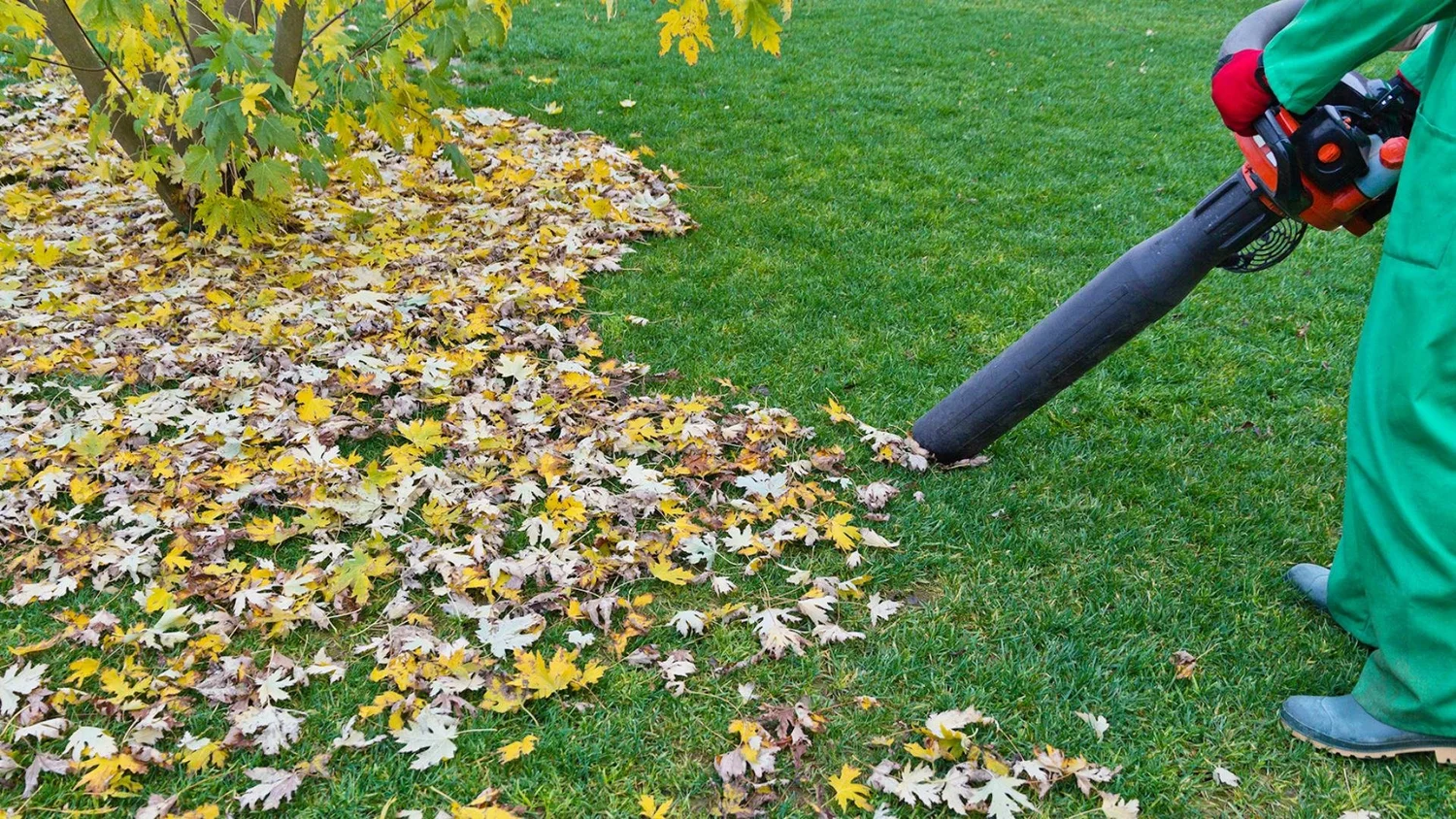
Credit: www.ecograssus.com
Troubleshooting Common Issues
Yard vacuums help keep your yard clean by picking up leaves and debris. Sometimes, they may face problems during use.
Knowing how to fix common issues can save time and keep your yard vacuum working well.
Dealing With Clogs
Clogs happen when leaves, sticks, or debris block the vacuum tube or bag. This stops the vacuum from working properly.
Check the vacuum tube and bag regularly for blockages. Remove any stuck debris carefully to avoid damage.
- Turn off and unplug the vacuum before checking.
- Use a stick or tool to clear clogs gently.
- Empty the bag if it is full to improve airflow.
- Clean the vacuum filter to prevent dirt buildup.
Handling Loss Of Suction
Loss of suction lowers the vacuum’s power to pick up debris. It can be caused by air leaks or dirty parts.
Inspect the vacuum hose, bag, and connections for holes or loose fittings. Replace or fix parts as needed.
- Check the hose for cracks or holes.
- Make sure the bag is sealed tightly.
- Clean or replace clogged filters.
- Look for loose clamps or fittings and tighten them.
Addressing Mechanical Problems
Mechanical issues include engine trouble, broken belts, or stuck blades. These can stop the vacuum from running smoothly.
Regular maintenance helps prevent these problems. Check belts, blades, and the engine often for wear or damage.
- Replace worn or broken belts.
- Sharpen or replace dull blades.
- Change the engine oil as recommended.
- Clean the spark plug and air filter regularly.

Credit: www.familyhandyman.com
Frequently Asked Questions
How Do I Prepare My Yard For Vacuuming?
Clear large debris and dry leaves before using the yard vacuum. Check for rocks and sticks that may damage the machine. Mow the lawn if needed to make vacuuming easier. This preparation ensures efficient and safe operation.
What Settings Optimize Yard Vacuum Performance?
Adjust the vacuum height based on grass length and debris type. Use lower settings for short grass and higher for thick debris. Regularly check and clean the vacuum filter. Proper settings improve suction and prevent clogging.
Can Yard Vacuums Handle Wet Leaves?
Most yard vacuums work best with dry leaves. Wet leaves can clog the machine and reduce efficiency. If using on wet debris, operate slowly and clean filters frequently. Check your model’s guidelines for specific wet debris use.
How Often Should I Empty The Yard Vacuum Bag?
Empty the bag when it reaches about two-thirds full. Overfilling reduces suction power and strains the motor. Regular emptying keeps the vacuum running smoothly and prevents blockages. It also prolongs the vacuum’s lifespan.
Conclusion
Using a yard vacuum correctly saves time and effort. Regular cleaning keeps your yard neat and healthy. Always follow safety tips for smooth operation. Check and empty the vacuum bag often. Clear large debris before vacuuming for best results. With care, your yard vacuum lasts longer.
Enjoy a cleaner yard with less work. Simple steps make yard cleanup easier and faster. Keep your outdoor space fresh and inviting every season.
