
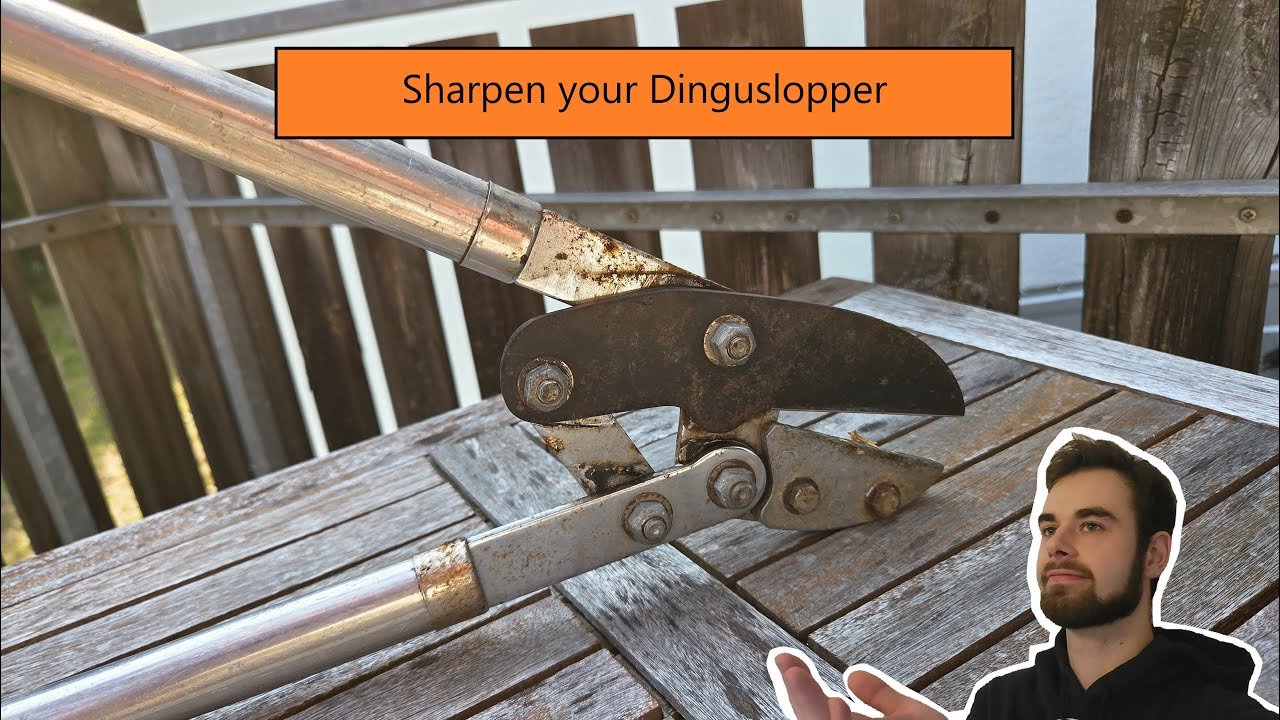
Are your loppers starting to feel a bit dull? Have you noticed your once-precise cuts turning into ragged edges?
If so, it’s time to sharpen those trusty garden tools! Properly sharpened loppers not only make your gardening tasks easier but also ensure the health of your plants. Imagine gliding through branches with minimal effort and achieving clean cuts every time.
Sounds satisfying, doesn’t it? By the time you finish reading this guide, you’ll know exactly how to bring your loppers back to their peak performance. Get ready to transform your gardening experience and give your plants the care they deserve. Stay tuned, your garden is about to thank you!

Credit: www.yahoo.com
Tools Needed
Sharpening loppers keeps them cutting cleanly and easily. Using the right tools makes the job simple.
This guide covers the tools you need to sharpen your loppers safely and well.
Types Of Sharpening Tools
You can use several tools to sharpen lopper blades. Each tool works best in different cases.
- Flat File:A metal file with a flat surface. It smooths and sharpens dull edges.
- Sharpening Stone:A rough stone used with water or oil to grind blades sharp.
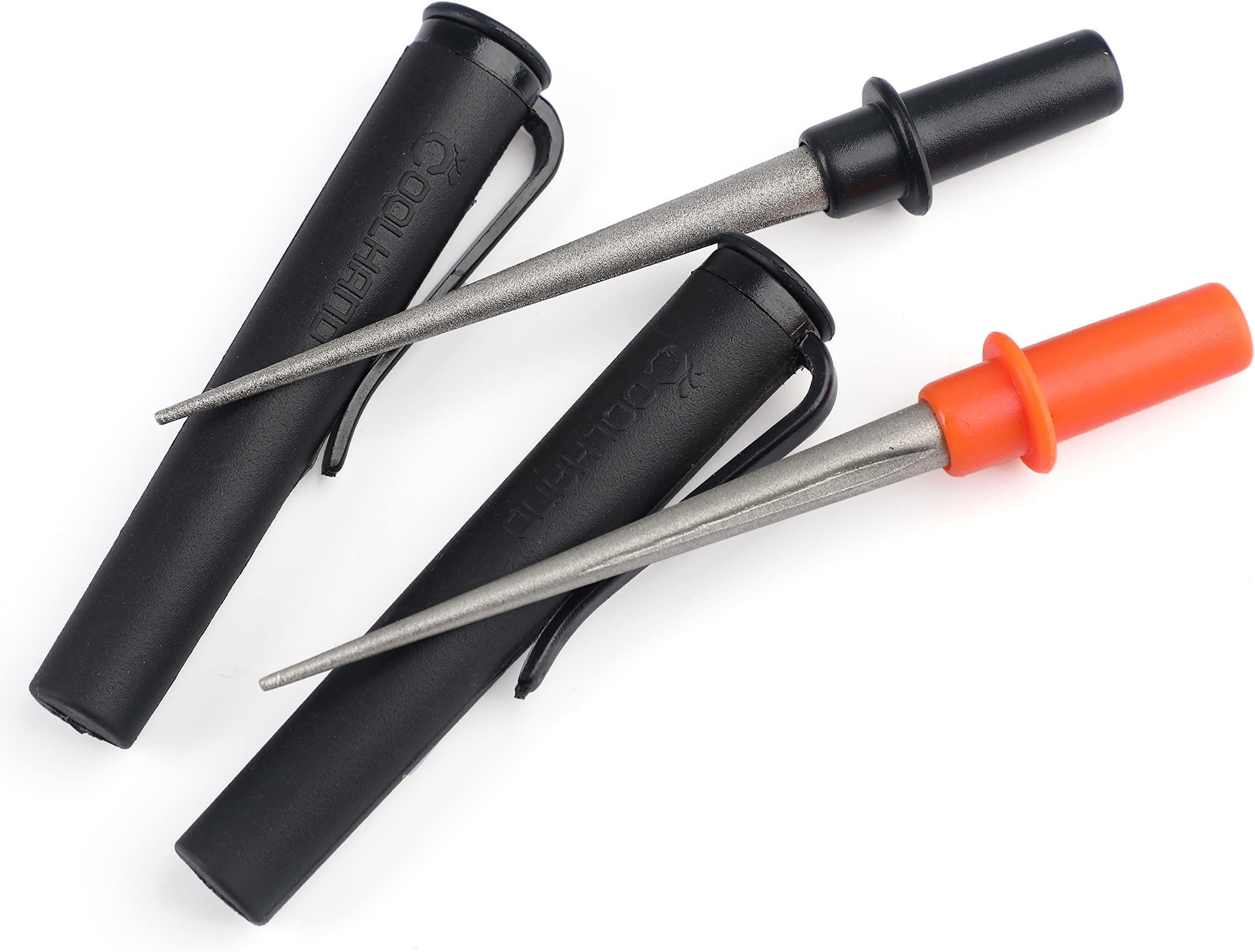
- Diamond File:A fine file with diamond particles. It sharpens edges precisely.
- Angle Grinder:A power tool with a grinding wheel. It quickly sharpens very dull blades.
Choose a tool based on how dull your loppers are and how much control you want.
Safety Gear
Wearing safety gear protects you while sharpening loppers. Always be careful with sharp tools.
- Safety Glasses:Protect your eyes from metal filings and sparks.
- Work Gloves:Keep your hands safe from cuts and scrapes.
- Dust Mask:Prevents breathing in metal dust during sharpening.
- Long Sleeves:Protect your arms from flying debris.
Use the right safety gear to stay safe and finish sharpening without injury.
Credit: www.dugoutnorthbrook.com
Preparing The Loppers
Before sharpening loppers, get them ready for the job. Proper preparation makes sharpening easier and safer.
Start by checking the blades for dirt and rust. Clean blades sharpen better and last longer.
Cleaning The Blades
Remove all dirt, sap, and debris from the blades. Use warm, soapy water and a cloth or brush to clean them.
Dry the blades well after cleaning to avoid rust. Clean blades help you see the sharp edge clearly.
- Mix warm water with mild soap
- Use a soft brush to scrub the blades
- Rinse with clean water
- Wipe dry with a clean cloth
Removing Rust
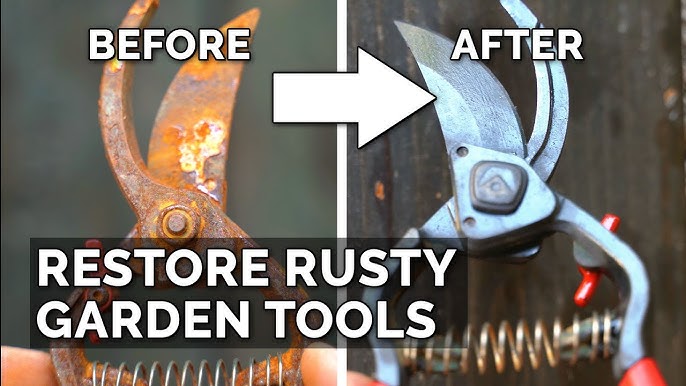
Rust weakens the blades and makes sharpening hard. Use steel wool or sandpaper to remove rust spots.
Work gently to avoid damaging the metal. After removing rust, wipe blades clean and dry them well.
- Use fine steel wool or 120-grit sandpaper
- Rub rusted areas in small circles
- Keep blades dry after cleaning
- Apply a light oil coat to prevent new rust
Sharpening Techniques
Keeping your loppers sharp makes cutting easier and safer. Dull blades can damage plants and waste energy.
Different tools help sharpen loppers. You can use a sharpening stone, a file, or a grinding tool. Each works well if used right.
Using A Sharpening Stone
A sharpening stone smooths and sharpens the blade edge. It works best on blades with small nicks or dull edges.
First, clean the blade. Hold the stone at a 20-degree angle to the blade. Move the stone in one direction along the edge. Repeat until the blade is sharp.
- Use water or oil on the stone to reduce friction
- Keep a steady angle for even sharpening
- Sharpen both sides if the blade is beveled on both edges
Using A File
A metal file removes small amounts of metal to sharpen the blade. It is good for rough sharpening and fixing damaged edges.
Hold the file at a 20 to 30-degree angle to the blade. Push the file away from you along the edge. Use smooth, even strokes. Check often to avoid over-sharpening.
- Use a flat file for straight edges
- Use a round file for curved edges
- Wear gloves for safety
Using A Grinding Tool
A grinding tool quickly sharpens blades. It uses a spinning wheel to grind metal off the blade edge.
Hold the blade firmly and gently touch the edge to the grinding wheel. Move the blade along the wheel to avoid overheating one spot. Cool the blade in water often.
- Wear eye and ear protection
- Keep the blade cool to prevent damage
- Use light pressure for a smooth edge
Sharpening Tips
Keeping your loppers sharp makes cutting easier and safer. Sharp blades work better and last longer.
Use the right tools and follow simple steps to sharpen your loppers properly. This guide helps you keep the blades in top shape.
Maintaining The Blade Angle
Keep the blade angle steady while sharpening. Most lopper blades have a 20 to 30-degree angle.
Matching the original angle helps the blade cut cleanly and last longer. Use a file or sharpening stone to keep this angle.
- Check the edge angle before sharpening
- Hold the file at the same angle as the blade
- Sharpen in one direction to keep the angle consistent
- Avoid changing the angle to protect the blade shape
Even Stroke Pressure
Apply steady, even pressure when sharpening the blade. Pressing too hard can damage the edge.
Use smooth strokes to remove small amounts of metal. This keeps the blade sharp and smooth.
- Use light to medium pressure on the file or stone
- Move the tool evenly along the blade edge
- Count strokes to balance sharpening on both sides
- Stop and check the blade sharpness often
Testing The Sharpness
Checking if your loppers are sharp is easy and important. Sharp tools cut better and are safer to use.
This guide explains how to test sharpness by cutting small branches and using visual checks.
Cutting Small Branches
Try cutting small branches to see how well the blades perform. Sharp loppers slice cleanly with little effort.
- Pick branches about 1/2 inch thick.
- Cut slowly and watch how the blade moves through the wood.
- Sharp blades will cut smoothly without crushing the branch.
- Dull blades may tear or crush the wood, needing extra force.
- Test several cuts to be sure about the sharpness.
Visual Inspection
Look closely at the lopper blades to spot dullness or damage. Small nicks or rust reduce cutting power.
| Blade Condition | Effect on Cutting |
| Sharp edge | Clean cuts, less effort |
| Dull edge | Rough cuts, more force needed |
| Nicks or chips | Jagged cuts, can damage plants |
| Rust spots | Blade weakness, harder cutting |
Blade Maintenance
Keeping your lopper blades sharp helps you cut cleanly and safely. Regular care extends the tool’s life and saves effort.
Blade maintenance includes cleaning, lubricating, and storing the tool correctly. These steps prevent rust and damage.
Lubricating The Joints
Lubricating the joints keeps your loppers moving smoothly. It stops squeaking and reduces wear on moving parts.
- Clean the joint area with a dry cloth to remove dirt.
- Apply a few drops of light machine oil or spray lubricant to the pivot point.
- Open and close the loppers several times to spread the oil evenly.
- Wipe off any excess lubricant to avoid attracting dust.
Storing Properly
Proper storage protects your loppers from damage and rust. Keep them dry and safe from impacts.
| Storage Tip | Reason |
|---|---|
| Hang loppers on a wall hook | Prevents blade contact with the ground |
| Keep in a dry place | Stops rust and corrosion |
| Cover blades with a sheath or cloth | Protects sharp edges and prevents injury |
| Store out of reach of children | Ensures safety |
Credit: www.youtube.com
Frequently Asked Questions
How Often Should I Sharpen My Loppers?
Sharpen loppers after every 10-15 uses or when cutting becomes difficult. Regular sharpening maintains clean cuts and extends tool life.
What Tools Are Best For Sharpening Loppers?
Use a sharpening stone, file, or diamond sharpener. These tools provide precise edges and work well on lopper blades.
Can Sharpening Loppers Prevent Plant Damage?
Yes, sharp loppers make clean cuts, reducing plant stress and disease risk. Dull blades crush stems and harm plants.
Is It Safe To Sharpen Loppers At Home?
Absolutely. Use gloves, eye protection, and secure the loppers. Follow proper sharpening steps to avoid injury.
Conclusion
Sharpening loppers keeps your garden tools working well. Clean, sharp blades cut branches smoothly and save effort. Regular sharpening prevents damage and extends tool life. Use a file or sharpening stone for best results. Take your time and follow safety steps carefully.
With sharp loppers, pruning becomes easier and more enjoyable. Keep your tools ready for healthy plants and neat gardens. Simple care makes a big difference in your gardening tasks.
