
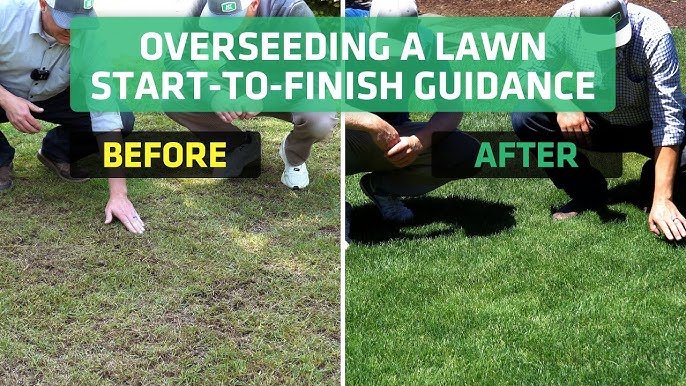
Your lawn is more than just a patch of grass; it’s the canvas for family picnics, the stage for summer barbecues, and the first thing guests notice about your home. But maintaining that lush, green expanse can sometimes feel like a losing battle.
If your lawn has started to show signs of wear and tear, with bare patches or thinning grass, it might be time to consider overseeding. DIY lawn overseeding is a straightforward and cost-effective way to breathe new life into your yard.
By adding new grass seeds to your existing lawn, you can improve its density, color, and resilience. But before you grab your gardening gloves and seed spreader, you’ll want to know the secrets to doing it right. Here, we’ll share easy-to-follow overseeding tips that will make your lawn the envy of the neighborhood. Get ready to transform your outdoor space and enjoy a thriving, picture-perfect lawn. Keep reading to discover how simple steps can yield big results.
Benefits Of Overseeding
Overseeding is an easy way to improve your lawn’s health. It means spreading new grass seed over old grass.
This process helps make your lawn look thicker, greener, and healthier.
Improving Lawn Density
Overseeding fills in bare spots and thin areas. This creates a thick carpet of grass that is strong and dense.
Enhancing Turf Color
New grass seeds bring fresh green color to your lawn. This makes the lawn look lively and bright.
Reducing Weed Growth
Healthy, thick grass stops weeds from growing. Overseeding helps grass grow strong and crowd out weeds.
- Blocks sunlight weeds need
- Fills spaces where weeds can grow
- Improves soil health to support grass
Repairing Damaged Areas
Overseeding helps fix spots damaged by pets, foot traffic, or weather.
| Damage Cause | How Overseeding Helps |
| Pet Urine | Replaces dead grass with new growth |
| Heavy Foot Traffic | Strengthens worn areas |
| Drought | Fills dry, patchy spots |
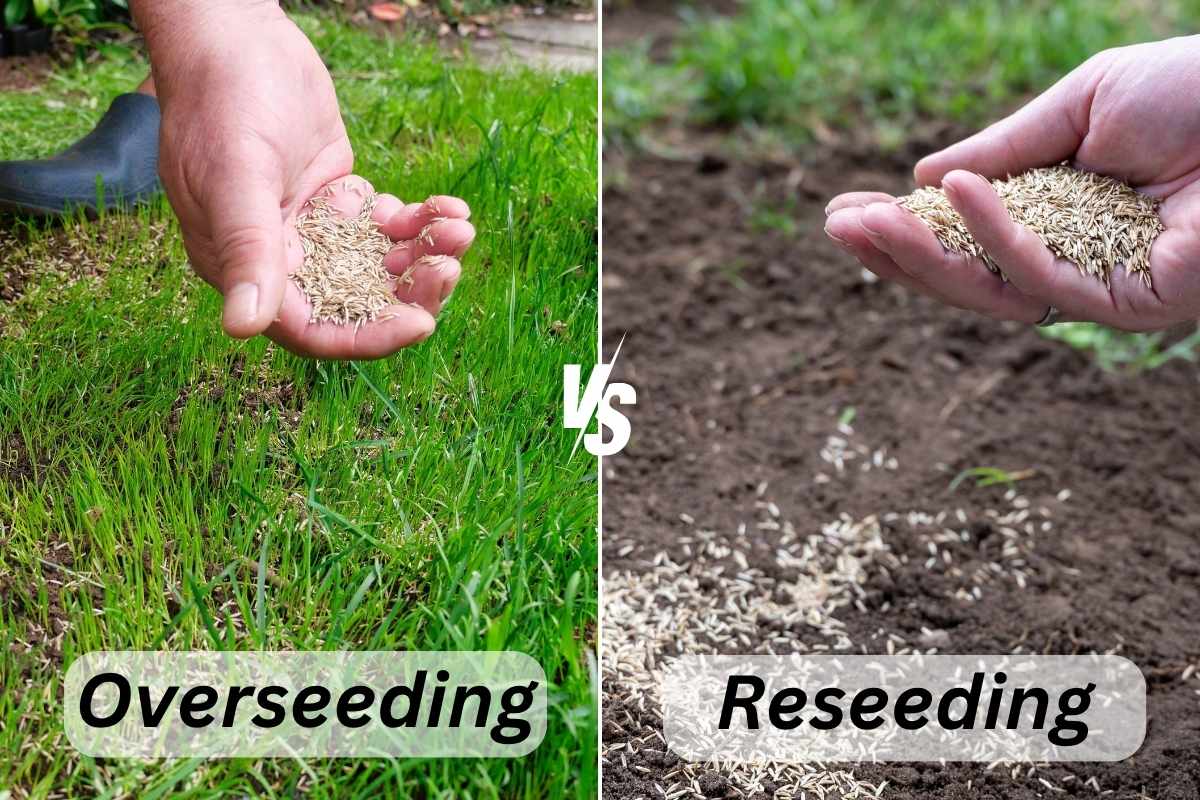
Credit: www.lawnstarter.com
Best Time To Overseed
Overseeding helps keep your lawn thick and healthy. Choosing the right time improves grass growth.
Knowing when to overseed depends on many factors. Timing affects seed germination and lawn recovery.
Seasonal Considerations
Seasons guide the best time to overseed your lawn. Spring and fall are the most common choices.
Spring helps grass grow before summer heat. Fall allows grass to grow before winter cold.
- Spring overseeding: March to May
- Fall overseeding: August to October
- Avoid summer and winter due to stress
Climate Impact
Climate affects overseeding success. Warm and cool climates need different timing.
In warm climates, overseed in early fall. In cool climates, early fall or late spring works best.
- Warm climates: September to October
- Cool climates: April to May or September
- Adjust timing for local weather patterns
Ideal Weather Conditions
Good weather helps seeds grow strong roots. Mild temperatures and moist soil are ideal.
Rain or watering is important after overseeding. Avoid dry or freezing conditions during seed growth.
- Temperatures between 50°F and 70°F (10°C to 21°C)
- Consistent moisture without flooding
- Calm days to reduce seed movement
Choosing The Right Grass Seed
Picking the right grass seed is key to a healthy lawn. Different seeds suit different soils and light conditions. Knowing which seed fits your yard will help you grow strong grass.
This guide covers types of grass seeds, matching seed to soil, and choosing seeds for sun or shade. Use these tips to select the best seed for your lawn.
Types Of Grass Seeds
There are warm-season and cool-season grass seeds. Warm-season seeds grow best in hot climates. Cool-season seeds thrive in cooler areas. Choose based on your local weather.
- Bermuda: Good for warm, sunny areas
- Fescue: Tolerates cold and shade well
- Kentucky Bluegrass: Best for cool, moist soil
- Zoysia: Handles heat and drought
Matching Seed To Soil
Soil type affects seed growth. Sandy soil drains fast but holds less nutrients. Clay soil holds water but drains slowly. Loamy soil is best for most grass seeds.
| Soil Type | Best Grass Seed |
| Sandy | Bermuda, Zoysia |
| Clay | Fescue, Kentucky Bluegrass |
| Loamy | Most types grow well |
Selecting Seed For Sun And Shade
Some seeds need full sun. Others grow well in shade. Knowing your lawn’s light helps you pick the right seed.
- Bermuda
- Zoysia
- Fescue
- Fine Fescue

Credit: landzie.com
Preparing Your Lawn
Getting your lawn ready is key before overseeding. Proper preparation helps seeds grow well.
This guide covers mowing, cleaning, and soil care. Follow these tips for a healthy lawn.
Mowing Techniques
Mow your lawn short but not too close. This helps seeds reach the soil easily.
- Set mower blade to about 1.5 to 2 inches.
- Mow the day before overseeding.
- Collect and remove the clippings after mowing.
- Avoid mowing again for a few days after overseeding.
Removing Debris
Clear leaves, sticks, and dead grass. Debris blocks seed contact with soil.
Use tools like rakes or leaf blowers for cleaning. This opens the soil surface for better seed growth.
Soil Testing And Amendments
Test your soil to know its pH and nutrients. This guides which amendments to add.
| Soil pH | Amendment Needed |
| Below 6.0 | Add lime to raise pH |
| 6.0 to 7.0 | Usually no change needed |
| Above 7.0 | Add sulfur to lower pH |
Seeding Methods
Overseeding your lawn helps fill bare spots and makes grass thicker. Choosing the right seeding method is important for good growth.
Each method has its own steps and tools. Pick one that fits your lawn size and equipment.
Broadcasting Seeds
Broadcasting spreads seeds evenly by hand or with a tool. It works well for small or medium areas.
Walk at a steady pace to cover all spots. Avoid dumping seeds in one place.
- Mix seeds with sand for even spread
- Overlap passes to avoid gaps
- Water lightly after spreading
Using A Seed Spreader
A seed spreader helps distribute seeds faster and more evenly. It is great for large lawns.
Choose between drop and rotary spreaders. Drop spreaders are precise. Rotary spreaders cover wider areas.
- Calibrate the spreader to control seed amount
- Walk at a steady speed for even coverage
- Overlap rows slightly to avoid misses
Hand Seeding Tips
Hand seeding works well for small patches and hard-to-reach spots. It gives you control over seed placement.
Use your fingers or a scoop to spread seeds lightly. Avoid clumping seeds in one area.
- Break up soil before seeding
- Press seeds gently into the soil
- Keep seeded areas moist for best growth

Credit: www.youtube.com
Post-seeding Care
Taking good care of your lawn after overseeding helps new grass grow strong. Pay attention to watering, feeding, and protecting the young grass.
Following simple steps can give your lawn the best chance to fill in thick and healthy.
Watering Schedule
New grass needs regular water to sprout and grow. Keep the soil moist but not soaked. Water lightly several times a day at first.
- Water 2–3 times daily for the first 2 weeks
- Reduce to once daily after sprouts appear
- Water deeply every 2–3 days after grass grows stronger
Fertilizing For Growth
Fertilizer gives young grass the nutrients it needs. Use a starter fertilizer high in phosphorus for root growth. Avoid too much nitrogen early on.
| Fertilizer Type | When to Apply | Benefit |
| Starter Fertilizer | At seeding | Boosts root growth |
| Balanced Fertilizer | 4 weeks after seeding | Supports leaf growth |
| Slow-Release Fertilizer | 6–8 weeks after seeding | Feeds grass steadily |
Protecting New Grass
New grass is delicate. Keep foot traffic low and watch for pests. Use simple barriers or signs if needed.
Tips to Protect New Grass:
- Keep pets off the lawn during early growth
- Remove debris and fallen leaves gently
- Use light mulch to hold moisture and warmth
- Inspect for insects or disease regularly
Common Mistakes To Avoid
Overseeding your lawn helps keep grass thick and healthy. Many people try it themselves but make some common errors. Avoiding these can improve your results.
Here are some frequent mistakes and tips to prevent them during overseeding.
Overwatering
Too much water after overseeding can wash away seeds or cause mold. Keep soil moist but not soaked. Water lightly two to three times daily until grass sprouts.
- Water early in the morning or late afternoon
- Use a fine spray to avoid seed movement
- Reduce watering frequency once grass grows
- Avoid puddles that drown seeds
Ignoring Soil Health
Healthy soil helps seeds grow strong roots. Test your soil before overseeding. Add lime or fertilizer if needed. Remove debris and dead grass.
| Soil Problem | Effect on Lawn | Solution |
| Compacted soil | Poor root growth | Aerate before overseeding |
| Low nutrients | Slow grass growth | Apply balanced fertilizer |
| Incorrect pH | Nutrient lockout | Add lime or sulfur |
Seeding Too Thick Or Thin
Using too many seeds causes crowding and disease. Too few seeds leave bare spots. Follow seed bag instructions for best rates. Spread seeds evenly for uniform growth.
Remember these tips for seeding rates:
- Check recommended seeds per square foot on the package.
- Use a spreader to apply seeds evenly.
- Adjust rates for your grass type and climate.
Tools And Materials Needed
Overseeding your lawn helps keep it healthy and green. Using the right tools makes the job easier and more effective.
This guide covers the essential equipment and some optional tools for better results.
Essential Equipment
You need a few basic tools to start overseeding your lawn. These tools help prepare the soil, spread seeds, and water the area.
- Rake – to loosen soil and remove debris
- Seed spreader – for even seed distribution
- Lawn mower – to cut grass short before overseeding
- Garden hose or sprinkler – to water the seeds regularly
- Fertilizer spreader – to apply starter fertilizer for the seeds
Optional Tools For Efficiency
These tools help save time and improve seed coverage but are not required for every lawn overseeding project.
| Tool | Use |
|---|---|
| Power dethatcher | Removes dead grass and thatch faster |
| Core aerator | Creates holes for better seed and water penetration |
| Seed roller | Presses seeds firmly into the soil |
| Leaf blower | Clears debris quickly from the lawn |
Frequently Asked Questions
What Is The Best Time For Diy Lawn Overseeding?
The best time to overseed your lawn is during early fall or spring. These seasons offer ideal soil temperatures and moisture for seed germination and growth.
How Do I Prepare My Lawn For Overseeding?
Start by mowing your lawn short and removing debris. Next, aerate the soil to improve seed-to-soil contact and increase oxygen flow.
Which Grass Seed Type Is Best For Overseeding?
Choose grass seed that matches your existing lawn type and climate. Common types include Kentucky bluegrass, fescue, and ryegrass for cool-season lawns.
How Often Should I Water After Overseeding?
Water lightly but frequently, about 2-3 times daily, to keep soil moist. Gradually reduce watering as seedlings grow stronger after two weeks.
Conclusion
Overseeding your lawn can bring new life and green color. Follow these simple tips to do it right. Prepare the soil well before spreading the seeds. Water the lawn gently but often to help seeds grow. Keep an eye on weeds and remove them quickly.
Patience pays off; your lawn will look fuller soon. Small effort now leads to a healthy, lush yard later. Enjoy the process and watch your lawn improve each day.
