
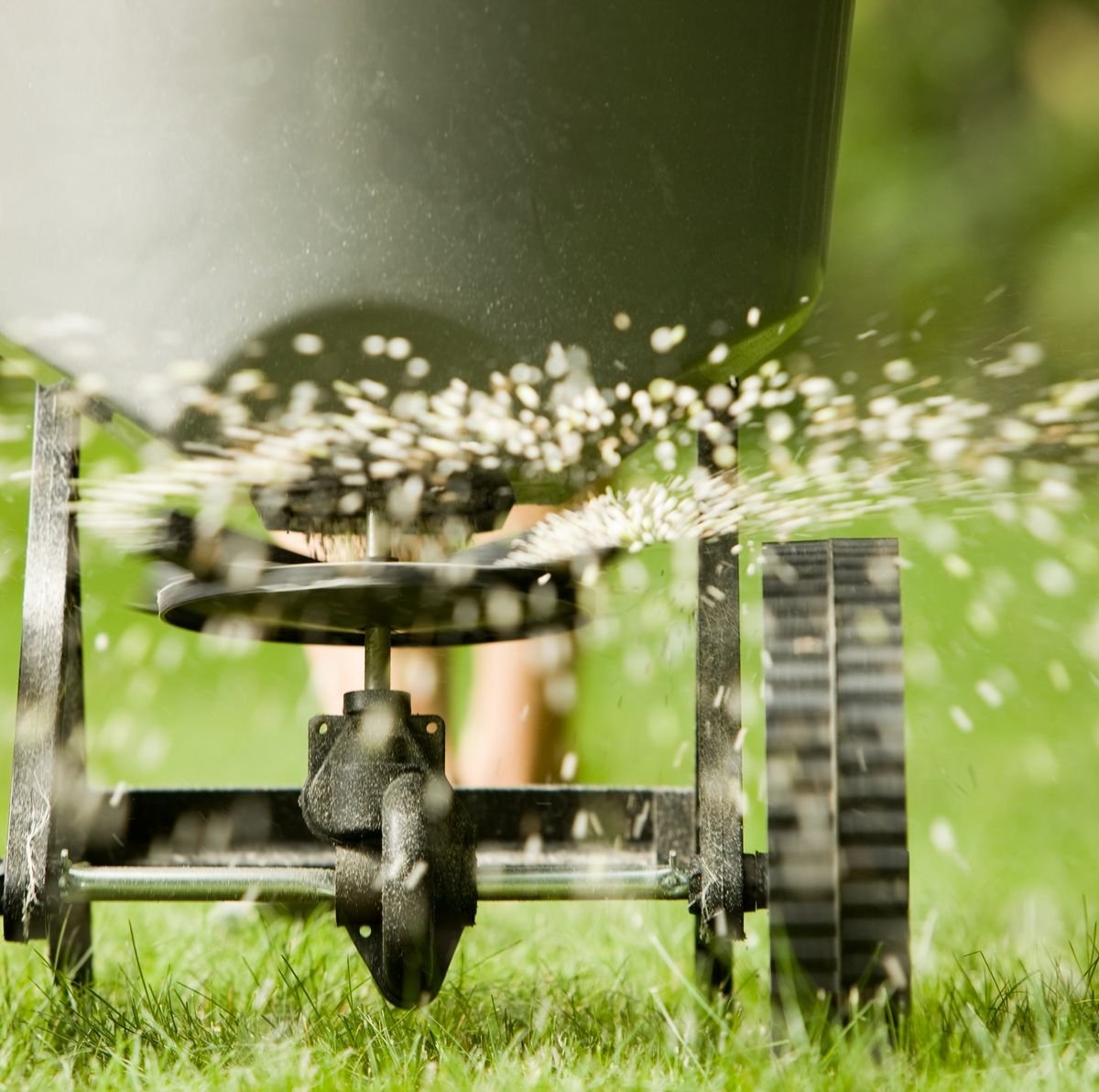
Are you dreaming of a lush, green lawn that is the envy of your neighborhood? Fertilizing your lawn the right way is the key to achieving that vibrant, healthy grass you’ve always wanted.
But, with so many methods out there, how do you ensure you’re doing it right? Using a spreader might just be your secret weapon. In this guide, you’ll discover how to fertilize your lawn with a spreader efficiently and effectively.
We’ll walk you through each step, ensuring you avoid common mistakes and maximize the benefits. Ready to transform your lawn into a green paradise? Let’s dive in and unlock the secrets to a perfect lawn!
Choosing The Right Fertilizer
Fertilizing your lawn helps grass grow thick and green. Picking the right fertilizer is key for a healthy lawn.
Different fertilizers provide different nutrients. Understanding which one to use saves time and money.
Types Of Lawn Fertilizers
There are many lawn fertilizers available. They come in three main types: granular, liquid, and slow-release.
Granular fertilizers are easy to spread with a spreader. Liquid fertilizers work fast but need water soon after.
- Granular:Solid particles, spread evenly
- Liquid:Mixed with water, quick absorption
- Slow-release:Feeds grass over a long time
Nutrient Requirements For Grass
Grass needs three main nutrients: nitrogen, phosphorus, and potassium. These help with growth, roots, and stress resistance.
Different grasses and soils need different amounts of nutrients. A soil test can show what your lawn needs most.
- Nitrogen (N):Helps grass grow green and thick
- Phosphorus (P):Builds strong roots
- Potassium (K):Increases resistance to drought and disease
Seasonal Fertilizer Selection
Fertilizer needs change with the seasons. Use different mixes in spring, summer, and fall for best results.
Spring fertilizers help grass start growing. Summer fertilizers keep grass healthy. Fall fertilizers prepare grass for winter.
| Season | Recommended Fertilizer | Reason |
|---|---|---|
| Spring | High nitrogen | Boosts green growth |
| Summer | Balanced N-P-K | Maintains health and color |
| Fall | Low nitrogen, high potassium | Strengthens roots for winter |
Selecting A Spreader
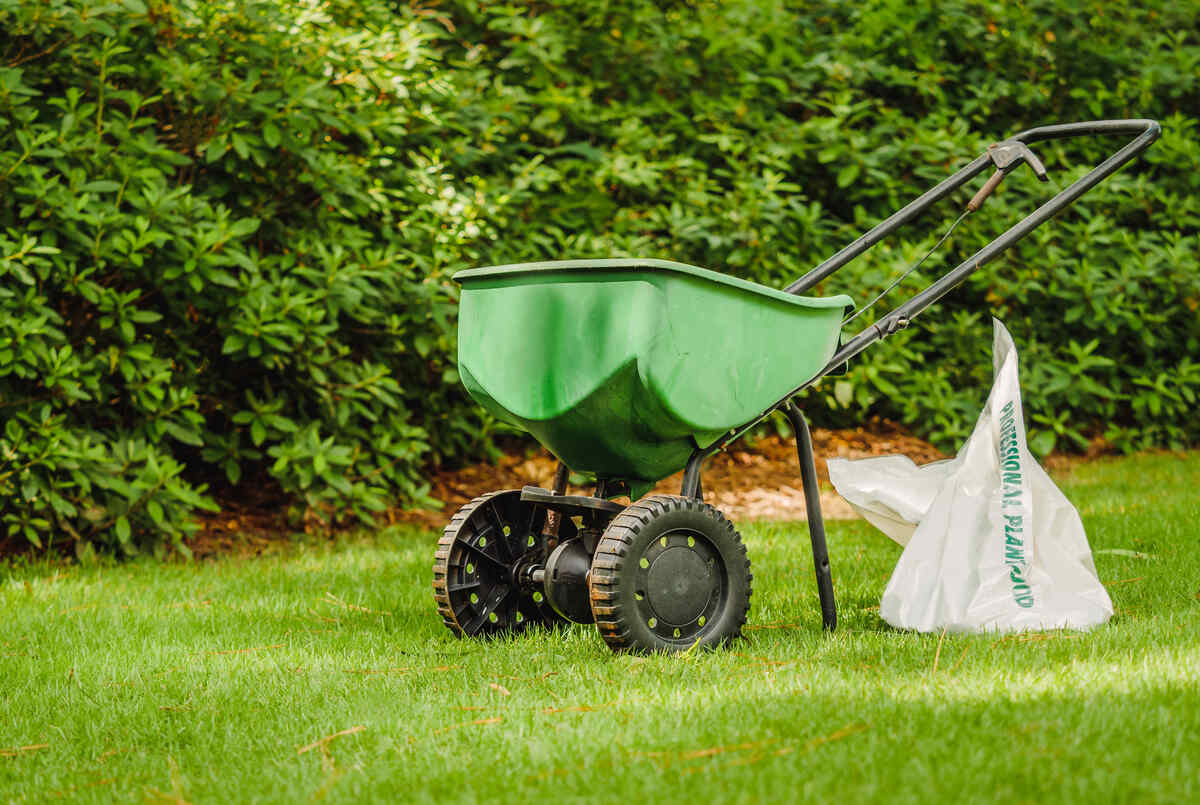
Fertilizing your lawn evenly helps it grow healthy and green. Choosing the right spreader makes this task easier and more effective.
There are different types of spreaders. Each type works best for certain lawns and fertilizers.
Broadcast Vs. Drop Spreaders
Broadcast spreaders throw fertilizer over a wide area. They cover large lawns quickly.
Drop spreaders drop fertilizer straight down. They give more control and reduce waste.
- Broadcast spreaders:Good for big lawns, faster work.
- Drop spreaders:Best for small lawns and precise application.
- Broadcast spreaders can spread fertilizer unevenly near edges.
- Drop spreaders avoid spreading on sidewalks or driveways.
Spreader Features To Consider
Look for a spreader that fits your lawn size and fertilizer type. Check how easy it is to use and clean.
- Size:Larger hoppers hold more fertilizer.
- Adjustable settings:Control how much fertilizer is released.
- Durability:Metal parts last longer than plastic ones.
- Easy to push or pull:Choose a model that feels comfortable.
- Coverage width:Wider spread covers more ground in less time.
Calibrating Your Spreader
Calibrate your spreader to apply the right amount of fertilizer. This prevents over or under-fertilizing your lawn.
Check the fertilizer bag for recommended settings. Test your spreader on a small area before full use.
- Fill the spreader with fertilizer.
- Set the spreader to the recommended rate.
- Apply fertilizer on a measured test strip.
- Weigh the fertilizer used or check coverage.
- Adjust the settings if needed for even spreading.
Preparing Your Lawn
Fertilizing your lawn with a spreader works best when your lawn is ready. Preparing your lawn helps the fertilizer reach the grass roots. It also makes your lawn greener and healthier.
Take time to prepare before spreading fertilizer. This includes mowing, cleaning, and testing the soil. These steps ensure good fertilizer absorption and growth.
Mowing Before Fertilizing
Mow your lawn a few days before fertilizing. Keep the grass height around 2 to 3 inches. This helps fertilizer reach the soil and roots better.
Do not cut the grass too short. Short grass can stress the lawn and reduce fertilizer benefits. Remove clippings if they are thick or wet.
Clearing Debris
Clear leaves, sticks, and other debris from your lawn before fertilizing. Debris blocks fertilizer from reaching the grass and soil. Use a rake or leaf blower to clean the area well.
Removing debris also prevents mold and pests. A clean lawn surface helps spread fertilizer evenly.
Soil Testing Basics
Test your soil to know its nutrient needs. Soil testing shows pH level and nutrient amounts. This helps choose the right fertilizer type and amount.
You can buy a soil test kit or send samples to a lab. Follow the instructions carefully. Test every few years for best lawn care.

Credit: www.rasnetwork.org
Fertilizing Techniques
Fertilizing your lawn helps keep the grass green and healthy. Using a spreader makes it easier to apply fertilizer evenly.
Good techniques help you avoid patches and over-fertilizing. Learn how to use the spreader for the best results.
Setting The Spreader Rate
Check the fertilizer bag for the recommended spreader setting. This number tells you how much fertilizer to apply per 1,000 square feet.
Set the spreader dial to this number before you start. Using the wrong rate can harm your lawn or waste fertilizer.
- Find the rate on the fertilizer package
- Adjust the spreader to match the rate
- Test on a small area to see if the amount is right
Applying Fertilizer Evenly
Walk at a steady pace when spreading fertilizer. Keep the spreader level to avoid uneven application.
Try to cover the entire lawn without stopping or going too fast. This helps the fertilizer spread in a uniform layer.
- Keep a steady walking speed
- Hold the spreader level
- Do not rush or stop suddenly
- Cover the whole lawn area
Overlap And Coverage Tips
Overlap your passes slightly to avoid missed spots. Each pass should cover part of the last one’s edge.
Use a pattern like a grid or stripes to make sure the whole lawn gets fertilizer. Avoid too much overlap to prevent over-fertilizing.
- Overlap each pass by 25% to 30%
- Use a back-and-forth or grid pattern
- Avoid going over the same spot twice
- Check for missed areas and fill them in
Post-fertilizing Care
After spreading fertilizer on your lawn, proper care helps the grass absorb nutrients well. This care supports healthy growth and prevents damage.
Taking simple steps after fertilizing keeps your lawn green and strong. Pay attention to watering, avoid mistakes, and watch your lawn’s health closely.
Watering Your Lawn
Watering your lawn after fertilizing helps the nutrients reach the roots. Water gently to avoid washing fertilizer away.
Use about a half inch of water soon after spreading fertilizer. Keep the soil moist for the next few days but avoid overwatering.
- Water early in the morning to reduce evaporation
- Use a sprinkler for even coverage
- Check soil moisture regularly
Avoiding Common Mistakes
Do not apply too much fertilizer. Too much can burn your grass and harm the soil. Spread fertilizer evenly to avoid patchy growth.
Do not fertilize before heavy rain. Rain can wash away fertilizer before it works. Also, avoid mowing immediately after fertilizing.
- Avoid over-fertilizing your lawn
- Do not spread fertilizer unevenly
- Do not fertilize before rainstorms
- Wait at least two days before mowing
Monitoring Lawn Health
Check your lawn regularly for signs of stress or disease. Healthy grass should look green and grow evenly after fertilizing.
If you see yellow spots or brown patches, investigate the cause. Adjust watering or fertilizing habits if needed to keep your lawn healthy.
- Look for color changes in grass blades
- Watch for uneven growth or bare spots
- Test soil if problems persist
- Keep a lawn care journal to track changes
Credit: www.lawnstarter.com
Troubleshooting Common Issues
Fertilizing your lawn with a spreader can improve grass health. Sometimes, problems happen after fertilizing. Knowing how to fix these issues helps keep your lawn green.
This guide covers three common problems: burnt grass, uneven growth, and how to adjust your fertilizer plan.
Dealing With Burnt Grass
Burnt grass happens when too much fertilizer is applied at once. The lawn may turn yellow or brown in spots. Act fast to help the grass recover.
- Water the lawn deeply to wash out excess fertilizer.
- Avoid adding more fertilizer until the grass recovers.
- Use a spreader with the correct settings to prevent future burns.
- Apply fertilizer in smaller doses more often.
Handling Uneven Growth
Uneven growth means some areas grow faster or greener than others. This may be due to spreader problems or soil differences.
| Cause | Solution |
| Spreader settings too low | Increase spreader rate |
| Spreader overlaps or misses areas | Walk at steady pace and overlap passes slightly |
| Soil quality varies | Test soil and add amendments as needed |
| Uneven watering | Water lawn evenly and regularly |
Adjusting Fertilizer Plans
Your fertilizer plan may need changes based on lawn condition and season. Adjusting helps avoid problems like burning and uneven growth.
Check these tips to adjust your plan:
- Reduce fertilizer amount if grass looks stressed.
- Increase fertilizer in slow growth seasons.
- Choose slow-release fertilizer for steady feeding.
- Follow soil test results for nutrient needs.

Credit: www.aol.com
Frequently Asked Questions
How Do I Choose The Right Spreader For Fertilizing?
Select a spreader based on lawn size and fertilizer type. Broadcast spreaders suit large areas, while drop spreaders are ideal for small, precise applications. Ensure the spreader has adjustable settings for even fertilizer distribution.
When Is The Best Time To Fertilize With A Spreader?
Fertilize early morning or late afternoon to avoid heat stress. Apply fertilizer during growing seasons, usually spring and fall. Moist soil helps nutrients absorb better, so water before spreading fertilizer.
How Do I Calibrate My Spreader Correctly?
Calibration ensures even fertilizer application. Fill the spreader with a known amount of fertilizer. Spread it over a measured area and adjust the settings until the coverage matches the recommended rate on the fertilizer package.
Can I Use Any Fertilizer With A Lawn Spreader?
Most granular fertilizers work well with spreaders. Check fertilizer packaging for spreader compatibility. Avoid using wet or clumpy fertilizers, as they can clog the spreader and cause uneven application.
Conclusion
Fertilizing your lawn with a spreader keeps grass healthy and green. Choose the right fertilizer and set the spreader correctly. Walk at a steady pace to apply evenly. Clean the spreader after use to avoid clogs. Regular care makes your lawn look fresh and strong.
Small steps lead to big results. Try these tips for a vibrant lawn all year.
