
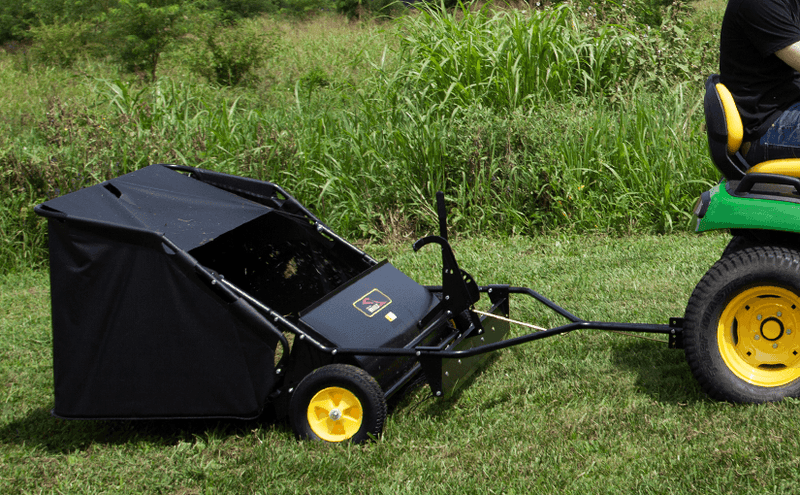
Towing a lawn sweeper with your mower can transform your yard care routine, making it more efficient and less time-consuming. Imagine this: your lawn, free of leaves and debris, achieved effortlessly as you mow.
Sounds appealing, doesn’t it? If you’ve ever wondered how to make the most of your mowing sessions, you’re in the right place. In this guide, you’ll discover the simple steps to hitch your lawn sweeper to your mower, turning yard work into a task you look forward to.
Say goodbye to extra hours of raking and sweeping, and say hello to a pristine lawn with minimal effort. Ready to unlock the secret to a tidier, more beautiful yard? Let’s dive in.
Choosing The Right Mower
Towing a lawn sweeper needs a mower that can handle the job. The right mower makes towing easy and safe.
Picking the right mower means looking at its type, towing capacity, and features. These factors help you work better.
Mower Types Suitable For Towing
Not all mowers can tow a lawn sweeper. Some types work better because of their design and power.
Riding mowers and lawn tractors are the best choices. They have enough power and a frame for towing.
- Riding Mowers:Small and easy to use, good for light towing.
- Lawn Tractors:Larger, with stronger engines for heavier loads.
- Zero-Turn Mowers:Fast and agile, but some lack towing attachments.
Checking Towing Capacity
Towing capacity tells how much weight your mower can pull safely. It is important to check this before you tow.
Look in your mower’s manual or on the manufacturer’s label. Do not exceed the stated towing limit to avoid damage.
- Find the maximum towing weight in the manual.
- Include the weight of the lawn sweeper and any debris.
- Leave extra capacity for safe handling.
Essential Mower Features
Some mower features help with towing and make the work easier. Look for these features before you buy or use a mower.
Good features include a hitch, strong engine, and good brakes. These keep towing safe and stable.
- Hitch Attachment:A sturdy place to connect the lawn sweeper.
- Powerful Engine:Enough power to pull the sweeper and grass clippings.
- Brake System:Helps control speed and stop safely when towing.
- Stable Frame:Keeps mower steady while pulling the sweeper.
Credit: www.vevor.com
Preparing The Lawn Sweeper
Before towing a lawn sweeper with your mower, it is important to prepare the sweeper properly. This ensures smooth operation and protects your equipment.
Preparing involves cleaning, adjusting, and securing parts to avoid damage during use.
Cleaning And Inspecting The Sweeper
Start by removing any debris, leaves, or grass from the brushes and hopper. Dirt buildup can reduce the sweeper’s effectiveness.
- Empty the hopper completely
- Brush off dirt and grass clippings
- Check wheels and axles for wear or damage
- Look for cracks or broken parts on the frame
Adjusting Height And Brushes
Set the height of the lawn sweeper so the brushes lightly touch the ground. This helps collect debris without damaging the grass.
| Adjustment | Purpose |
| Brush height | Ensures efficient sweeping |
| Hopper height | Prevents scraping on uneven ground |
| Wheel height | Maintains balance and smooth towing |
Securing Loose Parts
Check all bolts, nuts, and pins to make sure they are tight. Loose parts can fall off and cause damage or accidents.
- Tighten hitch connections to the mower
- Secure any loose brushes or guards
- Lock the hopper in place
- Inspect safety chains and straps
Attaching The Sweeper To The Mower
Towing a lawn sweeper with a mower requires careful attachment. Proper connection keeps the sweeper stable and safe. This guide explains how to attach the sweeper correctly.
Focus on matching the hitch, securing the link, and testing the connection. These steps help avoid damage and ensure smooth towing.
Selecting The Correct Hitch
Choosing the right hitch is the first step. Use a hitch that fits both the mower and the sweeper for safe towing.
- Check the mower’s hitch type before buying a sweeper.
- Match the hitch size and shape to avoid loose connections.
- Use a pin or bolt that fits securely in the hitch slot.
- Consider a hitch with a locking mechanism for extra safety.
Connecting The Sweeper Safely
Connect the sweeper to the mower with care. Follow these safety tips to prevent accidents while towing.
| Step | Action | Tip |
|---|---|---|
| 1 | Align the sweeper hitch with the mower hitch. | Park on a flat surface to keep both stable. |
| 2 | Insert the hitch pin fully through both hitches. | Use a cotter pin to secure the hitch pin. |
| 3 | Attach safety chains if available. | Cross chains under the hitch to catch if it disconnects. |
| 4 | Check all connections for tightness. | Wiggle the hitch to ensure no play. |
Testing The Connection
After connecting, test the link before mowing. This step avoids hazards on the lawn.
- Pull the mower forward slowly to check for hitch movement.
- Turn the mower gently to test the sweeper’s response.
- Stop and inspect the hitch if you hear unusual noises.
- Adjust or tighten the connection if needed before full use.

Credit: www.amazon.com
Operating Tips For Towing
Towing a lawn sweeper with a mower helps keep your yard clean. It saves time by collecting leaves and grass clippings as you mow.
To tow safely, you need to follow some basic rules. These tips will help you operate your mower and lawn sweeper together without problems.
Starting And Stopping Safely
Always start moving slowly when towing a lawn sweeper. This prevents sudden jerks that can damage the equipment.
When stopping, slow down gradually. Avoid sudden stops to keep the sweeper from tipping or bouncing.
- Check that the sweeper is properly attached before starting
- Begin moving at a low speed
- Apply brakes gently to stop
- Stop on flat ground when possible
Managing Speed And Turns
Keep your speed slow and steady while towing. High speeds can cause loss of control or damage to the sweeper.
Take wide and slow turns. Sharp turns may cause the sweeper to tip or detach from the mower.
- Drive at speeds below 5 mph
- Make turns wide and slow
- Use extra caution on slopes and uneven ground
- Stop and check connections if you feel instability
Avoiding Common Hazards
Watch out for obstacles like rocks, tree roots, and uneven ground. These can damage the sweeper or cause accidents.
Be careful on slopes. Always tow the sweeper uphill or downhill slowly to avoid tipping.
- Clear the area of debris before towing
- Stay off very steep slopes
- Keep an eye on the sweeper for signs of damage
- Do not tow over large rocks or holes
Maintaining Your Equipment
Proper care keeps your lawn sweeper and mower working well. Regular maintenance saves time and money. It also ensures safety while towing.
Focus on cleaning, checking parts, and storing equipment correctly. These steps help your tools last longer and perform better.
Post-towing Cleaning
After towing your lawn sweeper, remove dirt and debris. Clean the brushes and empty the collection bag. Check for stuck leaves or grass clippings.
- Use a brush or compressed air to clean hard-to-reach spots
- Wash the sweeper with water but avoid soaking bearings
- Dry parts fully before storage to prevent rust
Regular Maintenance Checks
Inspect your lawn sweeper and mower often. Look for worn parts, loose nuts, and damaged tires. Check the brushes for wear and adjust if needed.
| Component | What to Check | Frequency |
| Brushes | Wear and alignment | Monthly |
| Tires | Pressure and damage | Before each use |
| Fasteners | Tightness | Monthly |
| Collection Bag | Cleanliness and tears | After every use |
Storage Recommendations
Store your mower and sweeper in a dry, sheltered place. Protect them from rain and sunlight to avoid damage. Keep them off the ground if possible.
- Cover equipment with a breathable tarp
- Remove batteries or fuel if applicable
- Lubricate moving parts before storing
- Check for pests or nests in stored equipment

Credit: www.amazon.com
Frequently Asked Questions
How Do I Connect A Lawn Sweeper To A Mower?
To connect, attach the lawn sweeper’s hitch to the mower’s tow bar securely. Use a proper pin or clip to lock it. Ensure the connection is tight to prevent detachment during towing.
What Mower Types Can Tow A Lawn Sweeper?
Most riding mowers, garden tractors, and zero-turn mowers can tow a lawn sweeper. Check your mower’s towing capacity in the manual to avoid overloading and ensure safe operation.
What Speed Is Safe When Towing A Lawn Sweeper?
Maintain a slow, steady speed under 5 mph when towing a lawn sweeper. This prevents debris from spilling and ensures better control of both mower and sweeper.
How Do I Maintain A Lawn Sweeper For Towing?
Regularly clean brushes and check tires. Lubricate moving parts and inspect the hitch connection before towing. Proper maintenance ensures effective sweeping and prolongs the sweeper’s lifespan.
Conclusion
Towing a lawn sweeper with a mower is simple and safe. Attach the sweeper securely to avoid accidents. Drive slowly and watch your path carefully. Regular maintenance keeps the sweeper working well. Practice a few times to feel confident. Clean up leaves and debris faster this way.
Enjoy a neat lawn with less effort. This method saves time and energy outdoors. Keep these tips in mind for best results. Your yard will look great all season long.
