
Imagine stepping onto your lawn and feeling a soft, lush carpet underfoot. But instead, you find a spongy, uneven surface that seems to resist your every step.
This might be the result of thatch, a common issue that can turn your vibrant yard into a patchy, unhealthy mess. You might be wondering, what causes thatch in your lawn and how can you prevent it? Understanding this is crucial if you want to maintain a healthy, beautiful lawn.
We’ll delve into the root causes of thatch, helping you to identify and tackle this problem head-on. Get ready to transform your lawn into the envy of the neighborhood!
/chinchcheck_twitter.png?t=1524146193912&width=722&height=361&name=chinchcheck_twitter.png)
Credit: blog.nutrilawn.com
What Is Thatch
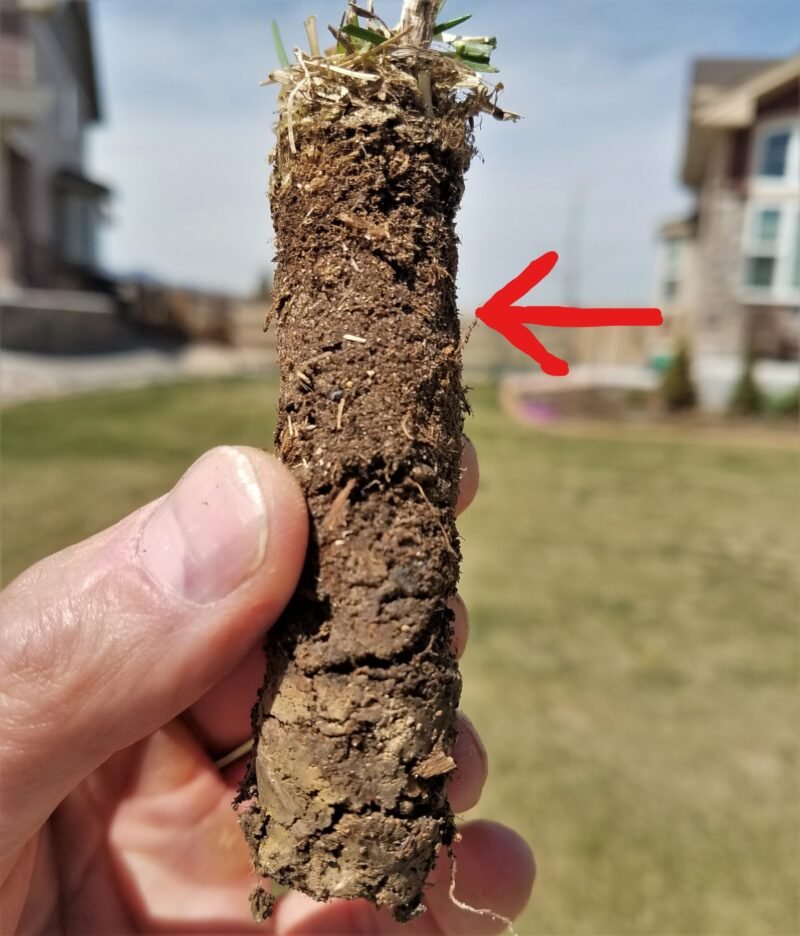
Thatch is a layer of dead grass, roots, and other organic material. It forms between the green grass blades and the soil surface.
This layer can stop water, air, and nutrients from reaching the soil. It can affect the health of your lawn.
Types Of Thatch
Thatch is made up of different materials from your lawn. These materials break down at different speeds.
- Grass Clippings:Fresh cut grass that has not decomposed yet.
- Dead Grass Blades:Older grass that has died but not rotted away.
- Roots:Small root pieces that stay in the soil layer.
- Stolons and Rhizomes:These are stems that grow along or under the soil.
- Other Organic Debris:Leaves and other plant parts that mix into the thatch.
Why Thatch Builds Up
Thatch grows when the lawn produces more organic material than it can break down. Some conditions make this worse.
| Cause | Effect on Thatch |
| Overwatering | Slows down decomposition of dead material |
| Overfertilizing | Promotes fast grass growth, more thatch |
| Soil Compaction | Reduces air and water flow, slows breakdown |
| Low Soil Microbe Activity | Fewer microbes to digest dead material |
| Grass Type | Some grasses produce more thatch naturally |
Common Causes Of Thatch
Thatch is a layer of dead grass and roots that builds up on your lawn. It can stop water and nutrients from reaching the soil. Knowing what causes thatch helps you keep your lawn healthy.
Many factors can cause thatch. These include watering habits, fertilizing, mowing, soil condition, and types of grass. Below are the common causes of thatch in lawns.
Excessive Watering
Watering your lawn too much can cause thatch to grow. When the soil stays wet, grass roots grow shallow. This makes grass produce more stems and leaves, which add to thatch.
Overuse Of Fertilizers
Using too much fertilizer makes grass grow fast. This quick growth creates a lot of dead grass and roots. These dead parts do not break down quickly and form thatch.
Improper Mowing Techniques
Cutting your grass too short or using dull mower blades can harm your lawn. This stress causes grass to produce extra stems and roots. These parts add to thatch buildup.
- Cut grass at the right height
- Use sharp mower blades
- Do not cut more than one-third of the grass height
- Avoid mowing when the grass is wet
Soil Compaction
When soil is hard and compacted, grass roots cannot grow deep. Shallow roots cause the grass to produce more stems and leaves. This extra growth adds to the thatch layer.
Grass Species Prone To Thatch
| Grass Type | Thatch Tendency |
| Bermuda Grass | High |
| Zoysia Grass | High |
| Kentucky Bluegrass | Medium |
| Fescue | Low |
| Ryegrass | Low |
Signs Of Thatch Problems
Thatch is a layer of dead grass and roots between the soil and green grass. It can harm your lawn if it becomes too thick.
Knowing the signs of thatch problems helps you fix your lawn early. Watch for changes in how your lawn looks and feels.
Spongy Lawn Feel
A lawn with too much thatch feels soft and springy underfoot. This happens because the thick layer holds air and water.
Walking on a spongy lawn can damage the grass roots. It also means the grass is not growing well in the soil below.
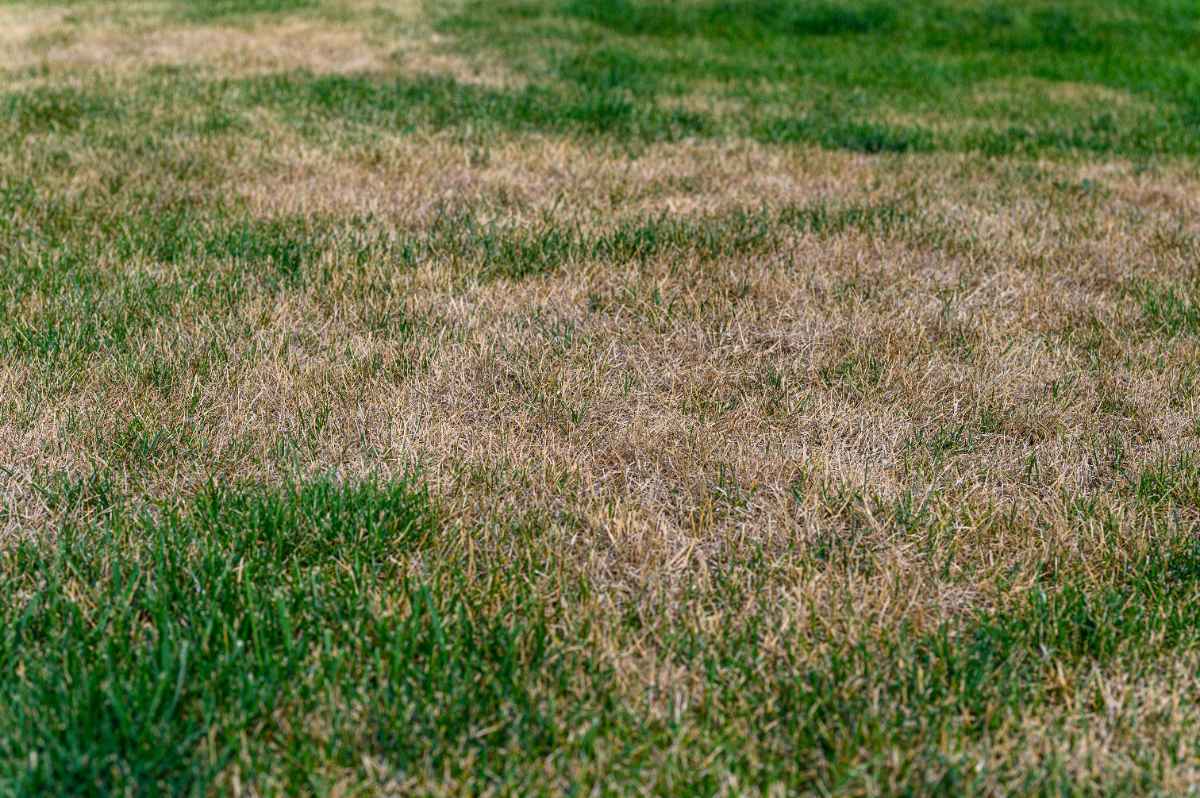
Brown Patches
Thatch buildup can cause parts of your lawn to turn brown. The grass may die because it can’t get enough nutrients.
Brown patches often appear in spots where the thatch is thickest. These areas may look dry or unhealthy.
Poor Water Absorption
Thatch acts like a barrier that stops water from reaching the soil. Water may run off or pool on the lawn surface.
Poor water absorption causes the grass roots to dry out. This weakens the lawn and makes it less green.
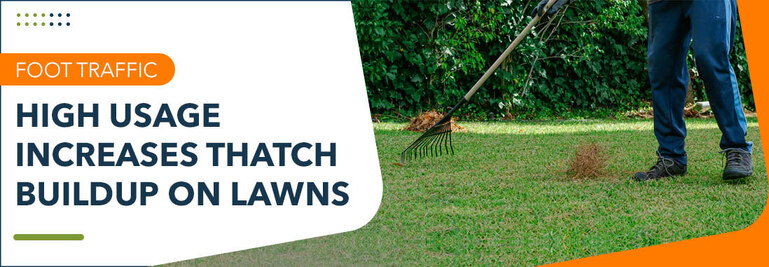
Credit: www.yourgreenpal.com
Simple Fixes For Thatch
Thatch builds up when dead grass and roots form a layer on the soil. This can stop water and nutrients from reaching the grass roots. Fixing thatch helps keep your lawn healthy and green.
Use easy methods to reduce thatch and improve lawn health. These fixes work well if you do them regularly.
Regular Aeration
Aeration makes holes in the soil to let air, water, and nutrients reach grass roots. It also helps break down thatch. You can use a spike or plug aerator for this task.
Proper Mowing Practices
Cutting grass the right way helps prevent thatch buildup. Keep mower blades sharp and avoid cutting too short. Cutting high encourages deep roots and less thatch.
- Cut only one-third of the grass height at a time
- Keep mower blades clean and sharp
- Leave grass clippings on the lawn to add nutrients
- Avoid mowing when the grass is wet
Balanced Fertilization
Using the right fertilizer amount helps grass grow healthy. Too much nitrogen causes fast growth and thick thatch. Use fertilizer according to soil test results.
| Fertilizer Type | Effect on Thatch |
| High Nitrogen | Increases thatch quickly |
| Balanced N-P-K | Promotes healthy growth |
| Organic Fertilizer | Improves soil and reduces thatch |
Adjusting Watering Schedules
Water your lawn deeply but less often. Too much water keeps soil wet and helps thatch grow. Water early in the morning to reduce evaporation.
Using Thatch Removal Tools
Use tools like dethatchers or rakes to remove thick thatch layers. This helps grass grow better and stops disease. Regular dethatching keeps your lawn clean and healthy.
Tips for dethatching:
- Use a dethatcher in spring or fall
- Rake the lawn to remove loose thatch
- Don’t remove all thatch at once to avoid stress
- Water the lawn after dethatching to help recovery
Preventing Thatch Build-up
Thatch is a layer of dead grass and roots that builds up on your lawn. It blocks water and nutrients from reaching the soil. Preventing thatch keeps your lawn healthy and green.
Proper care and good choices can stop thatch from forming. Focus on grass type, soil health, and regular lawn care to reduce thatch problems.
Choosing The Right Grass
Select grass types that grow well in your climate and soil. Some grasses produce less thatch naturally. Cool-season grasses like fescue and ryegrass usually form less thatch than warm-season grasses.
- Use grasses suited to your region
- Avoid fast-growing grasses that produce more thatch
- Mix grass types to reduce thick thatch layers
Maintaining Healthy Soil
Good soil helps grass grow strong and breaks down thatch. Test your soil to check pH and nutrients. Add organic matter to improve soil health.
| Soil Test Item | Ideal Range |
| pH Level | 6.0 to 7.0 |
| Nitrogen | Moderate |
| Organic Matter | 3% or higher |
Consistent Lawn Care Routine
Regular lawn care stops thatch from building up. Use proper mowing, watering, and aeration to keep your lawn healthy.
- Mow often but never cut grass too short
- Water deeply and less frequently
- Aerate soil once or twice a year
- Remove grass clippings to reduce thatch
- Apply fertilizer properly to avoid excess growth
Credit: www.lawnstarter.com
Frequently Asked Questions
What Is Thatch In A Lawn?
Thatch is a dense layer of dead grass, roots, and stems. It accumulates between soil and green grass blades, affecting lawn health.
What Causes Excessive Thatch Buildup?
Excessive thatch forms from overwatering, over-fertilizing, and poor soil aeration. These conditions slow decomposition of organic material.
How Does Thatch Harm My Lawn?
Thatch blocks water, air, and nutrients from reaching soil. It encourages pests and diseases, weakening grass growth.
Can Lawn Mowing Cause Thatch Problems?
Yes, mowing too short or with dull blades causes grass stress. This promotes thatch buildup and weakens lawn resilience.
Conclusion
Thatch builds up when grass grows faster than it breaks down. Overwatering, poor soil, and heavy fertilizing add to the problem. This layer stops water and nutrients from reaching roots. Regular lawn care helps keep thatch under control. Aerate your soil and avoid overfeeding your grass.
Removing thatch improves lawn health and appearance. Keep your lawn balanced for strong, green growth. Simple steps make a big difference in lawn care.
