
Are you tired of spending endless hours raking up grass clippings after mowing your lawn? Imagine having a tool that can save you time and energy, while keeping your yard looking pristine.
A lawn sweeper might just be the solution you’re looking for. But before you make a purchase, you’re probably wondering: is a lawn sweeper really good for handling grass clippings? We’ll dive into the benefits and potential drawbacks of using a lawn sweeper.
By the end, you’ll have all the information you need to decide if this tool is the right fit for you and your lawn care routine. Get ready to discover how you can simplify your yard work and enjoy more free time.
Credit: www.vevor.com
Benefits Of Using A Lawn Sweeper
A lawn sweeper helps keep your yard clean by collecting grass clippings. It works well on large lawns and saves effort.
Using a lawn sweeper is better than raking or using a mower bag. It makes lawn care easier and more effective.
Efficient Grass Clipping Removal
A lawn sweeper quickly picks up grass clippings left after mowing. It cleans the surface well without damaging the grass.
The brushes sweep up clippings and send them into a collection bag. This keeps your lawn neat and tidy.
- Collects dry and wet clippings
- Works on uneven ground
- Reduces leftover debris
Improved Lawn Health
Removing grass clippings prevents thatch buildup, which can harm your lawn. It lets air and water reach the roots.
Clearing clippings stops mold and pests from growing. A clean lawn encourages strong, healthy grass growth.
- Prevents disease
- Improves soil breathability
- Supports grass root development
Time-saving Advantages
A lawn sweeper covers large areas fast. It reduces the time spent cleaning after mowing.
You spend less effort compared to raking. The collected clippings are easy to dispose of or compost.
- Quick cleanup process
- Less physical work
- Easy to empty and maintain
Types Of Lawn Sweepers
Lawn sweepers help clean grass clippings and debris from your yard. They come in different styles to fit your needs.
Choosing the right lawn sweeper depends on your yard size and how much work you want to do.
Push Lawn Sweepers
Push lawn sweepers are small and easy to use. You push them across your lawn to pick up grass clippings.
They work well for small to medium yards. You get exercise while cleaning your lawn.
Tow-behind Lawn Sweepers
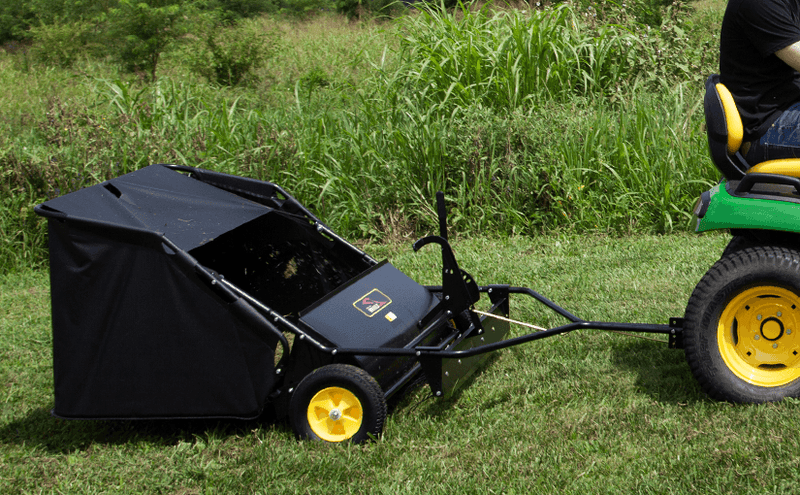
Tow-behind lawn sweepers attach to a lawn tractor or ATV. They cover large areas quickly.
These sweepers are best for big yards. They hold more grass clippings and need less effort.
Electric Vs. Manual Models
Electric lawn sweepers use a motor to spin brushes. They require less effort than manual models.
Manual sweepers rely on your pushing power. They are lighter and do not need batteries or fuel.
- Electric sweepers are easier to use but heavier
- Manual sweepers are simple and lightweight
- Choose based on your physical ability and yard size
Lawn Sweeper Vs. Other Tools
Lawn sweepers help collect grass clippings easily. They work by sweeping the lawn and gathering debris.
Many tools can remove clippings, but each works differently. Let’s compare lawn sweepers with other common tools.
Rakes And Leaf Blowers
Rakes are simple tools that pull grass clippings into piles. They need physical effort and take time.
Leaf blowers use air to move clippings. They can clear large areas fast but may scatter debris.
- Rakes are quiet and cheap but tiring
- Leaf blowers work quickly but can be noisy
- Lawn sweepers collect clippings without scattering
Mulching Mowers
Mulching mowers cut grass into small pieces. They leave clippings on the lawn to decompose.
This helps feed the grass but can look messy. Mulching mowers do not remove clippings completely.
- Mulching mowers recycle clippings into fertilizer
- They do not collect clippings for removal
- Lawn sweepers gather clippings for a clean lawn
Vacuum Lawn Sweepers
Vacuum lawn sweepers use suction to pick up clippings. They work well on uneven lawns and thick grass.
These sweepers can be heavier and cost more. They collect and store clippings like regular lawn sweepers.
- Vacuum sweepers use suction to gather debris
- They handle wet or dense clippings better
- Push lawn sweepers are lighter and easier to use
Impact On Grass And Soil
A lawn sweeper helps remove grass clippings from your yard. It collects clippings left after mowing.
Removing clippings can affect both grass health and soil quality. Understanding this impact is important.
Effect On Grass Growth
Grass clippings contain nutrients that feed the lawn. Leaving clippings can help grass grow stronger.
Using a lawn sweeper removes these nutrients from the lawn. This might slow grass growth if done often.
- Clippings provide nitrogen and other nutrients
- Removing clippings means less natural fertilizer
- Use sweeper occasionally to balance nutrient loss
Soil Aeration Considerations
Grass clippings can protect soil by keeping it moist. They also reduce soil erosion and compaction.
Using a lawn sweeper often might reduce this natural protection. This can affect soil aeration and health.
- Clippings help keep soil moist and loose
- Removing clippings may lead to drier soil
- Soil may become compacted without clippings
- Aerate soil regularly if you remove clippings
Avoiding Lawn Damage
Using a lawn sweeper incorrectly can harm grass blades or roots. Sweeping too often can stress the lawn.
Choose the right time and speed to avoid damage. Sweep only when clippings are thick or wet.
- Do not sweep right after mowing very short grass
- Adjust sweeper height to avoid digging into soil
- Use sweeper gently on sensitive lawn areas
- Alternate sweeping with natural mulching
Maintenance And Usage Tips
A lawn sweeper can help keep your yard clean by collecting grass clippings. Using it correctly makes your lawn healthier. Proper care of the sweeper keeps it working well for a long time.
Follow simple steps for using and maintaining your lawn sweeper. This keeps your grass clippings manageable and your tool in good shape.
Proper Sweeper Operation
Push the lawn sweeper at a steady pace to collect clippings well. Avoid going too fast or too slow. Make sure the brushes touch the ground but do not dig in.
Empty the collection bag or hopper when it gets full. This helps the sweeper work better and prevents clippings from spilling.
- Adjust brush height for different grass lengths
- Use overlapping passes for full coverage
- Check wheels and brushes before starting
Cleaning And Storage
Clean the sweeper after each use to stop grass buildup. Remove clippings from brushes and collection parts. This keeps the sweeper running smoothly.
Store the sweeper in a dry place to stop rust and damage. Cover it to protect from dust and moisture.
- Use a brush or air hose to clean brushes
- Check for loose or worn parts regularly
- Store off the ground if possible
Seasonal Use Recommendations
Use the lawn sweeper mostly in spring and summer. This is when grass clippings are heavy. Avoid use in wet or frozen conditions to protect the sweeper.
Before winter, clean and store the sweeper carefully. This prevents damage from cold and moisture during off-season.
- Sweep up leaves in fall to keep lawn clear
- Do not use on frozen or snowy ground
- Inspect and prepare sweeper before spring use
Credit: www.vevor.com
Expert Opinions And User Experiences
Many people wonder if a lawn sweeper is good for grass clippings. Experts and users share their thoughts on this tool. It can help keep your lawn clean and healthy.
This article looks at expert advice and real user experiences. It also covers common problems and how to fix them.
Professional Lawn Care Insights
Professional lawn care specialists say lawn sweepers can be useful. They pick up grass clippings without harming the lawn. This helps prevent thatch buildup and keeps the lawn neat.
- They recommend using a lawn sweeper after mowing.
- It reduces the chance of mold or fungus from wet clippings.
- Helps grass grow by removing debris that blocks sunlight.
- Works best on medium to large lawns with lots of clippings.
Homeowner Reviews
Many homeowners share mixed reviews about lawn sweepers. Some find them very helpful, while others face challenges. Below is a simple table showing common pros and cons from user feedback.
| Pros | Cons |
|---|---|
| Easy to use and saves time | Can be heavy or hard to push |
| Collects clippings well on flat lawns | Less effective on uneven or wet grass |
| Reduces the need for raking | Needs regular cleaning to avoid clogging |
| Helps keep lawn tidy | Some models have small collection bags |
Common Challenges And Solutions
Users face some problems when using lawn sweepers. These issues can be fixed with simple tips. Here are common challenges and their solutions.
- Clogging:Clean the sweeper after use to avoid blockages.
- Heavy pushing:Choose a model with larger wheels for easier movement.
- Ineffective on wet grass:Wait until the lawn dries before sweeping.
- Small collection bag:Empty the bag often during use.

Credit: brinly.com
Frequently Asked Questions
What Are The Benefits Of Using A Lawn Sweeper For Clippings?
A lawn sweeper quickly collects grass clippings, leaves, and debris. It keeps your lawn clean and healthy. Sweeping prevents thatch buildup, promoting better grass growth and reducing disease risk. It also saves time compared to raking.
Can A Lawn Sweeper Damage My Grass?
When used properly, a lawn sweeper does not damage grass. Adjust the height to avoid scalp injury. Light, regular sweeping removes clippings without stressing the lawn. Avoid sweeping wet grass to prevent tearing.
How Often Should I Use A Lawn Sweeper For Clippings?
Use a lawn sweeper after each mowing for best results. This keeps clippings from piling up and smothering the grass. Regular use encourages a tidy lawn and healthier turf. Frequency depends on grass growth and yard size.
Is A Lawn Sweeper Better Than Mulching Clippings?
A lawn sweeper removes clippings completely, reducing thatch buildup. Mulching recycles nutrients but can cause thatch if overdone. Choose a sweeper for quick cleanup; use mulching for natural fertilizing. Both methods have lawn health benefits.
Conclusion
A lawn sweeper helps keep your yard clean and neat. It quickly picks up grass clippings after mowing. This saves time and effort compared to raking by hand. Using a lawn sweeper also prevents clumps that can harm your grass.
It works well on dry grass and leaves too. Choosing the right lawn sweeper depends on your yard size. Regular use keeps your lawn healthy and looking good. A lawn sweeper is a smart tool for easy lawn care. Clean grass clippings mean a happier, greener lawn.
