
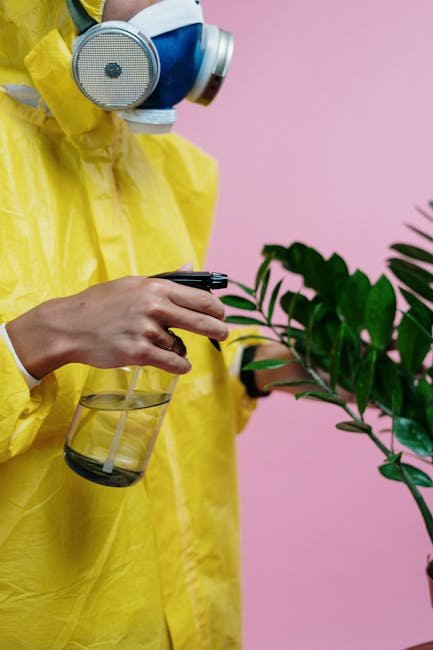
When you’re using sprayers, your safety should always come first. The chemicals and substances you work with can be harmful if they come into contact with your skin, eyes, or lungs.
Knowing exactly what safety gear to use with sprayers can protect you from serious health risks. You’ll discover the essential equipment that keeps you safe and comfortable while you work. Keep reading to learn how to shield yourself effectively and make your spraying tasks worry-free.

Credit: cf-t.com
Choosing The Right Respirator
Using sprayers can expose you to harmful chemicals in the air. A respirator helps protect your lungs from these dangers. Choosing the right one is very important for your safety.
Different types of respirators work better in different situations. You also need to think about how the respirator fits and how to keep it working well.
Types Of Respirators
There are two main types of respirators to use with sprayers. The first type filters out harmful particles and gases. The second type supplies clean air from another source.
- Air-purifying respirators (APR): These remove chemicals and dust from the air.
- Powered air-purifying respirators (PAPR): These use a battery to help pull air through filters.
- Supplied-air respirators (SAR): These give fresh air through a hose from a safe place.
Fit And Comfort
A good fit is key to a respirator’s protection. If it does not fit well, harmful chemicals can enter your lungs. Try different sizes and styles to find the best one for your face.
Comfort matters because you might wear the respirator for a long time. Look for soft straps and lightweight materials. Make sure it does not press too hard on your face.
- Choose the right size for your face shape.
- Check that the seal fits tightly without gaps.
- Pick a respirator with adjustable straps for a secure fit.
- Look for models with soft, breathable materials.
Maintenance And Replacement
Keep your respirator clean to make it work well. After each use, wash parts if the instructions say to. Check for damage like cracks or broken straps.
Replace filters and cartridges often. Old filters do not protect you properly. Follow the manufacturer’s guide on when to change parts.
- Clean the respirator after every use.
- Check for damage before each use.
- Replace filters according to instructions or after exposure.
- Store the respirator in a clean, dry place.

Credit: yoursafety.ie
Protective Clothing Options
Using the right protective clothing is important when working with sprayers. It helps keep you safe from chemicals and sprays.
There are different clothing options to choose from. Each has its own benefits and features.
Materials And Fabrics
Protective clothing is made from many materials. Some fabrics stop chemicals better than others.
Common fabrics include polyester, nylon, and cotton blends. Some have special coatings for extra protection.
- Polyester is strong and resists chemicals
- Nylon is lightweight and durable
- Cotton blends offer comfort but less protection
- Coated fabrics block liquids and sprays
Coveralls Vs. Aprons
Coveralls protect the whole body. They cover arms, legs, and torso.
Aprons only protect the front. They are easier to put on and take off.
- Coveralls give full body protection
- Aprons protect mainly the chest and waist
- Coveralls are better for heavy spraying tasks
- Aprons are good for light or quick jobs
Waterproof Features
Waterproof clothing keeps liquids from soaking through. This helps protect your skin from sprays.
Look for sealed seams and water-resistant coatings. These features improve safety and comfort.
- Waterproof fabrics block liquids and sprays
- Sealed seams stop leaks at stitching points
- Breathable coatings reduce sweat inside clothing
- Easy to clean after use
Eye Protection Essentials
Using sprayers can expose your eyes to chemicals and sprays. Proper eye protection keeps your eyes safe.
Choosing the right gear helps prevent injuries and irritation. Learn about goggles, face shields, and more.
Safety Goggles Vs. Face Shields
Safety goggles fit tightly around your eyes. They block small droplets and dust from entering.
Face shields cover your whole face but have gaps. They protect from large splashes but less from sprays.
- Goggles offer better seal against sprays
- Face shields protect face and neck
- Use goggles for chemical sprays
- Use face shields for heavy splashes
Anti-fog And Ventilation
Fogging can block your view when spraying. Anti-fog coatings help keep lenses clear.
Good ventilation prevents moisture buildup inside goggles. Vent holes or fans improve airflow.
- Choose goggles with anti-fog lenses
- Look for vents that block chemicals but allow air
- Clean lenses regularly to reduce fog
Proper Fit And Coverage
Eye protection must fit snugly without gaps. Loose gear lets chemicals reach your eyes.
Check that goggles cover your eyes fully. Face shields should cover from forehead to chin.
- Adjust straps for a secure fit
- Ensure no gaps near temples or nose
- Replace damaged or worn gear immediately
Hand Protection Choices
Using sprayers can expose your hands to harmful chemicals. It is important to protect your hands to avoid skin damage and health risks.
Choosing the right gloves helps keep your hands safe and makes your work easier. Let’s look at how to pick the best gloves for sprayer use.
Glove Materials For Chemical Resistance
Gloves come in different materials that protect against various chemicals. Some materials resist certain sprays better than others.
Common glove materials include nitrile, neoprene, latex, and PVC. Each has strengths and limits for chemical resistance.
- Nitrile:Good for oils and many chemicals
- Neoprene:Resists acids and alcohols
- Latex:Protects against water-based chemicals
- PVC:Best for strong acids and solvents
Sizing And Dexterity
Gloves must fit well to protect your hands fully. Gloves that are too tight or too loose can cause accidents.
Choose gloves that allow you to move your fingers easily. Good dexterity helps you control the sprayer safely.
- Measure your hand width and length for size
- Try different sizes to find the best fit
- Pick gloves that feel comfortable for long use
- Check that gloves do not limit finger movement
When To Replace Gloves
Gloves wear out over time and may lose protection. Look for signs of damage and replace gloves to stay safe.
Replace gloves if you see holes, cracks, or if chemicals leak inside. Also change gloves after heavy use or long exposure.
- Check gloves before each use for damage
- Replace gloves after contact with strong chemicals
- Discard gloves if they feel sticky or stiff
- Keep spare gloves ready for quick changes
Footwear For Spraying Tasks
Wearing the right footwear is important for safety during spraying work. It protects your feet from chemicals and keeps you steady on wet or slippery ground.
This guide covers key features of footwear to use with sprayers. Learn what to look for in boots to stay safe and comfortable.
Chemical-resistant Boots
Chemical-resistant boots prevent harmful liquids from reaching your skin. They are made from materials that block pesticides and other sprays.
- Look for boots made of rubber, PVC, or neoprene.
- Ensure the boots cover your ankles and lower legs.
- Check that the boots are rated for the chemicals you use.
- Replace boots if they show cracks or damage.
Slip-resistant Soles
Slip-resistant soles help prevent falls on wet or uneven surfaces. They provide better grip while you move around during spraying tasks.
| Type of Sole | Best For | Features |
|---|---|---|
| Rubber | Wet surfaces | Good grip, flexible |
| Polyurethane | Oily or greasy areas | Slip and chemical resistant |
| Thermoplastic | Rough terrain | Durable, strong traction |
Comfort And Durability
Comfort is important for long spraying sessions. Durable boots save money by lasting through tough conditions.
- Choose boots with cushioned insoles to reduce foot fatigue.
- Look for breathable materials to keep feet dry.
- Check stitching and sole attachment for long-lasting wear.
- Try boots on with the socks you wear during spraying.
Additional Safety Accessories
Using a sprayer requires the right safety gear. This keeps you safe from chemicals and mist. You need more than just basic gear.
Here are some additional accessories to ensure your protection. Use these to enhance your safety measures.
Hats And Head Coverings
Hats and head coverings protect your scalp and hair. They shield you from chemical splashes and dust.
Choose a hat that fits well and covers all areas. A wide-brimmed hat is a good option for extra coverage.
- Wide-brimmed hats offer better protection
- Head coverings should be made of non-absorbent material
- Ensure the fit is secure and comfortable
Hearing Protection
Some sprayers can be loud and harm your ears. Protect your hearing with earplugs or earmuffs.
Check the noise level of your sprayer. Use protection if the noise is too high for safety.
- Earplugs are small and easy to use
- Earmuffs provide better noise reduction
- Choose comfortable protection for long use
Emergency Wash Stations
Have an emergency wash station nearby. It helps you quickly rinse off any chemicals.
Know the location of the nearest station. This is important for your safety during an emergency.
- Make sure the station is easy to reach
- Keep the station stocked with clean water
- Train yourself on how to use it properly
Proper Gear Maintenance
Using sprayers requires proper safety gear to protect yourself. Maintaining this gear is crucial for effective protection.
Regular maintenance ensures that your safety gear remains reliable and lasts longer. Let’s explore some key maintenance practices.
Cleaning Procedures
Cleaning your safety gear after each use removes harmful residues. Follow these simple steps to keep your gear in top condition.
- Rinse gear with clean water to remove surface dirt.
- Use mild soap for deeper cleaning.
- Allow gear to air dry completely before storing.
Storage Tips
Proper storage extends the life of your safety gear. Store gear in a cool, dry place to prevent damage.
Consider using a dedicated storage bin labeled “Safety Gear”. This keeps everything organized and easy to find.
Inspection Routines
Regular inspections help identify wear and tear early. Check your gear before each use to ensure it is in good condition.
| Gear Item | Inspection Frequency |
| Gloves | Weekly |
| Goggles | Before each use |
| Respirator | Monthly |
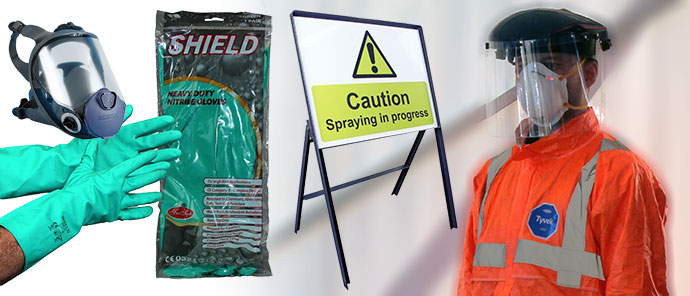
Credit: www.progreen.co.uk
Safety Practices While Spraying
Using sprayers safely protects you and others around you. It also helps keep the environment safe. Always prepare before starting to spray.
Wearing the right gear and following safety rules reduce risks. Learn how to handle sprays correctly to avoid accidents.
Correct Gear Usage
Wear protective clothing like gloves, masks, and goggles. These items stop chemicals from touching your skin or eyes.
- Use chemical-resistant gloves to protect your hands.
- Wear long-sleeved shirts and long pants.
- Put on a face mask to avoid breathing in sprays.
- Wear goggles to protect your eyes.
- Use waterproof boots for foot protection.
Environmental Considerations
Spraying can affect plants, animals, and water. Use sprays in safe weather and avoid windy days to reduce drift.
| Factor | Best Practice |
| Wind Speed | Spray when wind is less than 5 mph |
| Temperature | Spray in cooler parts of the day |
| Nearby Water | Keep sprays away from ponds and streams |
| Non-target Plants | Protect by covering or avoiding spray areas |
Handling Spills And Exposure
If you spill spray, act quickly. Clean spills safely to stop harm to people and nature.
- Stop spraying and avoid spreading the spill.
- Wear protective gear before cleaning.
- Use absorbent materials like sand or cloth.
- Place waste in sealed containers for disposal.
- Wash skin immediately if exposed.
- Seek medical help if you feel sick.
Frequently Asked Questions
What Protective Clothing Is Essential With Sprayers?
Wearing long sleeves, pants, and chemical-resistant gloves is crucial. These protect your skin from harmful chemicals and sprays. Always choose durable, water-resistant materials for maximum safety during spraying tasks.
Why Use Goggles When Operating Sprayers?
Goggles shield your eyes from chemical splashes and airborne particles. They prevent irritation and potential eye injuries. Use tightly sealed, impact-resistant goggles for effective eye protection when handling sprayers.
How Important Is A Respirator With Sprayers?
A respirator filters harmful fumes and airborne chemicals, protecting your lungs. It’s vital in enclosed spaces or when spraying toxic substances. Always select a respirator that fits well and meets safety standards.
Should I Wear Boots While Using Sprayers?
Yes, chemical-resistant boots prevent skin contact with hazardous liquids. They also offer slip resistance on wet surfaces. Choose waterproof, sturdy boots to ensure foot safety during spraying operations.
Conclusion
Protecting yourself while using sprayers is very important. Wear gloves, goggles, and a mask to stay safe. These items keep chemicals away from your skin and eyes. Also, choose clothes that cover your body well. Staying safe helps you work better and avoid health problems.
Always check your gear before starting any spraying job. Safety is easy when you prepare the right way. Keep these tips in mind for every use. Your health matters most.
