
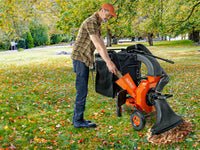
Imagine walking into your yard and seeing every leaf and twig swept away effortlessly. Sounds like a dream, right?
If you have a large yard, you know how challenging it can be to keep it tidy. But what if there was a way to make yard cleanup not just easy, but almost enjoyable? Enter the yard vacuum—a tool designed to transform the way you maintain your outdoor space.
You’ll discover how to use a yard vacuum to manage large yards efficiently. You’ll learn tips and tricks to master this tool, saving you time and effort. Whether it’s the first time you’re hearing about yard vacuums or you’re looking to refine your skills, this guide is for you. Stick around to uncover how you can take the burden out of yard work and turn it into a breeze.
Choosing The Right Yard Vacuum
Large yards need a yard vacuum that can handle a lot of debris. Picking the right vacuum saves time and effort. You can keep your yard clean and tidy with the right tool.
This guide helps you understand different types of yard vacuums. It also covers important features and power options. This way, you can choose the best vacuum for your large yard.
Types Of Yard Vacuums
Yard vacuums come in several types. Each type works best for different yard sizes and debris types. Here are the main types you should know about.
- Push Yard Vacuums:You push these like a lawn mower. They are good for flat, even yards.
- Tow-Behind Vacuums:These attach to a lawn tractor or ATV. They cover large areas quickly.
- Backpack Vacuums:Worn on your back for easy movement. Best for tight spaces and spot cleaning.
- Ride-On Vacuums:These are large machines you drive. They work well on very large properties.
Key Features To Consider
Some features make yard vacuums easier to use and more effective. Look for these key points when choosing your vacuum.
| Feature | Why It Matters |
| Collection Bag Size | Larger bags mean fewer stops to empty debris. |
| Suction Power | Stronger suction cleans heavier leaves and sticks. |
| Adjustable Height | Allows cleaning on different grass lengths and surfaces. |
| Noise Level | Quieter vacuums reduce disturbance to neighbors. |
| Durability | Sturdy build lasts longer and handles rough yard work. |
Power Sources And Mobility
Yard vacuums run on different power sources. Your choice affects how far you can go and how easy it is to move the vacuum.
- Gas-Powered:Offers strong power and long run time. Best for very large yards without easy access to outlets.
- Electric Corded:Lighter and quieter but limited by cord length. Good for yards near the house.
- Battery-Powered:Cordless and easy to move. Run time depends on battery size.
- Manual (Push) Models:No power source needed. Ideal for small jobs or eco-friendly use.
Credit: www.vevor.com
Preparing Your Yard
Using a yard vacuum in large yards saves time and effort. Proper preparation makes the process smooth and safe.
Before starting, you need to clear obstacles and know where debris collects most. Safety is important for a good job.
Clearing Large Debris
Remove big items like branches, rocks, and sticks first. These can block or damage the yard vacuum.
Check your yard carefully and pick up anything too large for the vacuum to handle.
- Look for fallen branches and large sticks
- Pick up stones and garden tools
- Move toys and furniture out of the way
Identifying High-debris Areas
Some spots in your yard collect more leaves and debris. These need extra attention when vacuuming.
Check under trees, near fences, and around flower beds for heavy debris build-up.
- Look for leaf piles under trees
- Check corners and fence lines
- Inspect areas with tall grass or shrubs
Safety Precautions
Wear gloves and eye protection before using a yard vacuum. This protects you from sharp debris and dust.
Keep children and pets away while operating the machine. Follow the vacuum’s safety instructions carefully.
- Wear gloves, goggles, and sturdy shoes
- Clear the yard of small sharp objects
- Do not operate near people or animals
- Read the user manual before use
Operating The Yard Vacuum
Using a yard vacuum helps clean large yards quickly. It collects leaves, grass, and small debris.
Knowing how to operate the machine well makes yard work easier and safer.
Starting And Adjusting Settings
Before starting, check fuel and oil levels. Make sure the collection bag is attached properly.
Turn the key or pull the starter cord to start the vacuum. Adjust the suction power if your model allows it.
- Set suction low for light debris
- Use higher suction for wet or heavy leaves
- Adjust speed for better control on slopes
Effective Vacuuming Techniques
Move the vacuum slowly to let it pick up debris well. Overlap your passes to avoid missing spots.
Keep the nozzle close to the ground but avoid pushing it hard to prevent damage.
- Work in straight lines for full coverage
- Clean wet leaves in smaller sections
- Stop and clear blockages quickly
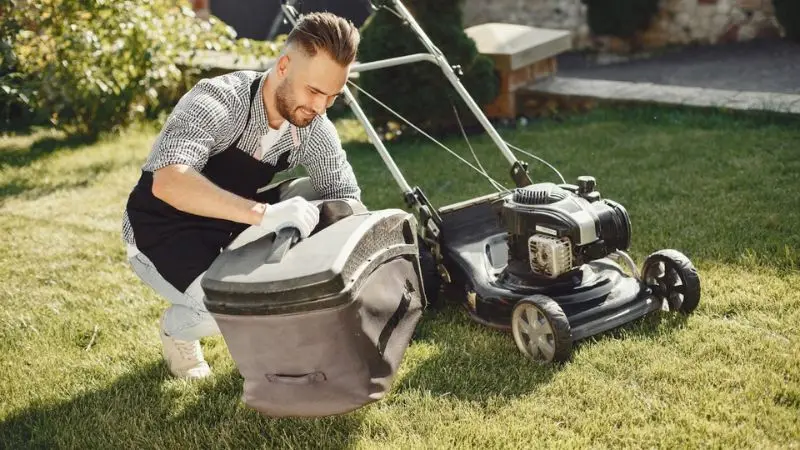
Managing The Collection Bag
Check the collection bag often. Empty it before it gets too full to keep suction strong.
Detach the bag carefully to avoid spilling debris. Clean the bag after use to prevent mold and odors.
- Empty bag when half full for best results
- Inspect for tears or holes regularly
- Wash bag with water and let it dry fully
Credit: www.vevor.com
Maintaining Your Yard Vacuum
Keeping your yard vacuum in good shape helps it work well for years. Regular care prevents breakdowns and saves money.
Follow simple steps to clean, inspect, and store your yard vacuum. This keeps it ready for large yard jobs anytime.
Cleaning Filters And Bags
Clean filters and bags often to keep the vacuum running strong. Dirt and debris can clog parts and reduce power.
- Remove and shake out debris from filters.
- Wash filters with water and let them dry fully.
- Empty vacuum bags after each use.
- Check bags for holes and replace if damaged.
Regular Inspection And Repairs
Look over your yard vacuum before and after use. Check belts, hoses, and moving parts for damage or wear.
| Part | Check For | Action |
| Belts | Cracks or looseness | Tighten or replace |
| Hoses | Leaks or holes | Seal or replace |
| Blades | Dullness or damage | Sharpen or change |
| Fasteners | Loose screws or bolts | Tighten securely |
Storage Tips For Longevity
Store your yard vacuum properly to avoid rust and damage. A clean, dry place extends its life.
- Empty bags and filters before storage.
- Clean dirt and grass from the machine.
- Keep it covered to block dust and moisture.
- Store indoors away from rain and sun.
- Check fuel and oil levels; use fresh fluids.
Maximizing Efficiency In Large Yards
Using a yard vacuum in large yards can save time and effort. Planning and the right tools help you clean faster.
This guide shows how to plan your work, use attachments, and handle different debris types.
Planning Your Cleaning Route
Start by dividing your yard into sections. This keeps you organized and avoids missing spots.
- Map out the yard on paper or a device.
- Mark areas with heavy debris.
- Plan a route that covers all sections without backtracking.
- Work from one side to the other.
- Take breaks to avoid fatigue.
Using Attachments And Accessories
Attachments help you reach tight spots and handle different debris. Choose the right accessory for each job.
- Use extension hoses for corners and under bushes.
- Brush attachments loosen stuck leaves and dirt.
- Wide nozzles cover large areas quickly.
- Collection bags hold more debris for fewer stops.
Dealing With Different Types Of Debris
Different debris needs different handling. Match your vacuum settings to the debris type.
| Debris Type | Recommended Vacuum Setting | Best Attachment |
| Dry Leaves | High suction | Wide nozzle |
| Wet Leaves | Medium suction | Brush attachment |
| Small Twigs | Medium suction | Standard nozzle |
| Grass Clippings | Low suction | Collection bag |
| Light Trash | High suction | Extension hose |
Credit: www.lawnsite.com
Troubleshooting Common Issues
Using a yard vacuum in large yards can save time and effort. Sometimes, you may face problems that slow down your work.
Knowing how to fix common issues helps keep your yard vacuum running smoothly.
Loss Of Suction
Loss of suction can happen if the vacuum hose or bag is blocked. It can also occur if parts are damaged or worn out.
Check for holes or tears in the hose and vacuum bag. Make sure the hose is tightly connected and not bent.
- Inspect hose for cracks or holes
- Empty or replace the vacuum bag if full
- Remove bends or twists in the hose
- Clean or replace filters if dirty
Engine Or Motor Problems
The engine or motor may not start or run poorly. This could be due to fuel, spark, or electrical issues.
Check fuel levels and quality. Inspect spark plugs and air filters. Make sure electrical connections are secure.
- Use fresh fuel and check the fuel tank
- Clean or replace spark plugs
- Clean air filters regularly
- Check battery and wiring for damage
Handling Clogs And Jams
Leaves, sticks, or debris can cause clogs inside the vacuum. Jams stop the machine and reduce performance.
Turn off the vacuum before clearing jams. Remove debris carefully from the intake and chute areas.
- Switch off the machine and unplug it
- Clear debris from the hose and intake
- Check the impeller and remove stuck material
- Use a stick or tool to remove clogs safely
Frequently Asked Questions
How Do I Choose The Right Yard Vacuum For Large Yards?
Select a yard vacuum with strong suction and a wide intake. Check for a powerful engine and large collection bags. Choose models with adjustable settings for different debris types. Prioritize ease of maneuverability for large yard coverage.
What Safety Tips Should I Follow Using A Yard Vacuum?
Wear protective gear like gloves and goggles before operating. Avoid loose clothing that can get caught in the vacuum. Keep children and pets away during use. Always read the manual and follow manufacturer safety guidelines.
How Often Should I Use A Yard Vacuum In Large Yards?
Use the yard vacuum weekly during peak leaf-fall seasons. For regular debris, biweekly use is sufficient. Frequent use prevents buildup and keeps your yard clean. Adjust frequency based on weather and yard size.
Can Yard Vacuums Handle Wet Leaves And Debris?
Most yard vacuums perform best with dry leaves and debris. Wet material can clog the vacuum and reduce efficiency. Check your model’s specifications for wet debris capability. It’s best to dry wet debris before vacuuming.
Conclusion
Using a yard vacuum makes cleaning large yards easier and faster. It helps collect leaves, grass, and debris without much effort. Regular use keeps your yard neat and healthy. Choose the right vacuum for your yard size and type. Follow simple steps to operate it safely and effectively.
Maintain your equipment to ensure it lasts longer. A clean yard looks great and feels inviting. Give your yard the care it deserves with a yard vacuum. Simple tools bring big results.

