
Are you dreaming of a garden that stands out and captures the essence of elegance? Stone edging can be your secret weapon to transform ordinary garden spaces into extraordinary outdoor sanctuaries.
Imagine crisp lines and natural beauty framing your flower beds, walkways, and lawns. With the right stone edging design, you can turn your landscape into a masterpiece that reflects your personal style. Whether you’re looking to add a touch of rustic charm or a sleek modern vibe, stone edging offers endless possibilities.
Stick around to discover stunning stone edging design ideas that will inspire you to elevate your garden like never before.
Choosing The Right Stone
Stone edging adds beauty and structure to your garden. Picking the right stone is key to a lasting design.
Consider the type, color, and strength of the stone. These factors affect how it looks and lasts.
Types Of Garden Stones
There are many kinds of stones for garden edging. Each has unique features and styles.
- Granite: Strong and comes in many colors.
- Limestone: Smooth texture and light colors.
- Sandstone: Soft look with warm tones.
- Slate: Thin layers and dark shades.
- Fieldstone: Natural shapes for rustic designs.
Color And Texture Options
Stone color and texture change your garden’s feel. Choose shades that match your plants and home.
| Stone | Common Colors | Texture |
| Granite | Gray, pink, white | Coarse and grainy |
| Limestone | Beige, cream, light gray | Soft and smooth |
| Sandstone | Red, brown, yellow | Grainy and rough |
| Slate | Black, dark green, purple | Flat and layered |
| Fieldstone | Mixed natural hues | Irregular and rough |
Durability And Maintenance
Choose stones that last and need little care. This saves time and keeps your garden neat.
- Granite resists weather and scratches well.
- Limestone may wear faster but cleans easily.
- Sandstone can chip but looks natural.
- Slate is strong but can break under pressure.
- Fieldstone is tough but may need more cleaning.

Credit: www.youtube.com
Classic Stone Edging Styles
Stone edging adds a timeless look to gardens and yards. It helps define spaces clearly.
Classic stone styles bring structure and beauty to outdoor areas. They work well with many designs.
Straight And Clean Lines
Straight stone edges create a neat and formal look. They are easy to install and maintain.
This style works well for walkways and garden beds. It gives a clear border to separate areas.
- Use uniform stones for a consistent edge
- Keep lines tight for a sharp finish
- Ideal for modern and traditional gardens
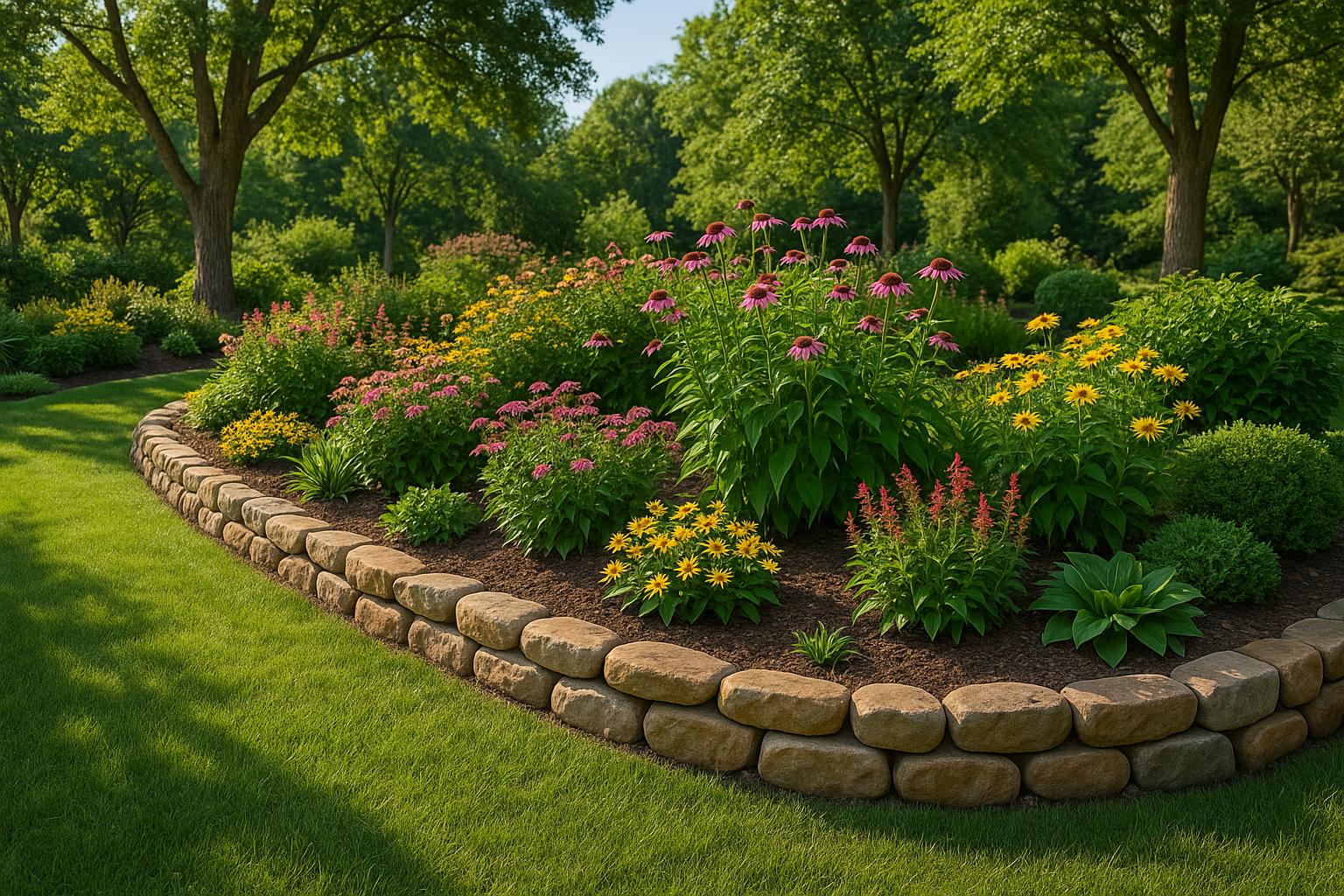
Curved And Flowing Borders
Curved stone edges add softness and movement. They create a natural and relaxed feel.
Use this style around flower beds or ponds. It helps blend the stone with plants smoothly.
- Choose rounded stones for smooth curves
- Plan gentle bends for easy installation
- Works well with informal garden layouts
Stacked Stone Walls
Stacked stone walls create a strong and rustic border. They add height and texture to edges.
This style is perfect for raised beds or terraces. Stones are layered without mortar for a natural look.
- Select flat stones for easy stacking
- Build walls two or more layers high
- Provides a sturdy and lasting edge
Creative Stone Edging Ideas
Stone edging adds style and structure to gardens and yards. It creates clear borders and helps keep soil and plants in place. There are many ways to use stones for edging that fit different tastes and landscapes.
This guide shares creative stone edging ideas. You will learn how to mix stones, use pebbles and gravel, and design pathways with flagstones.
Mixed Stone Patterns
Using different types of stones together creates a unique look. Mixing shapes, colors, and sizes adds texture and interest to your edging. You can combine smooth river rocks with rough granite or small pebbles with large slate pieces.
- Choose stones that vary in color but complement each other.
- Arrange larger stones at the base for stability.
- Fill gaps with smaller stones or gravel for a neat finish.
- Create patterns like spirals or stripes for a creative touch.
Incorporating Pebbles And Gravel
Pebbles and gravel make great edging materials for a softer look. They are easy to install and allow water to drain well. Use them alone or mix with larger stones for contrast.
| Type | Color Options | Best Use |
| Small Pebbles | White, Grey, Brown | Fill gaps and create smooth borders |
| Gravel | Tan, Black, Red | Path edging and drainage areas |
| Crushed Stone | Grey, Blue | Driveway edges and walkways |
Using Flagstones For Pathways
Flagstones create strong and attractive pathways. Their flat surfaces make walking easy. Choose flagstones in natural shapes for a rustic look or cut stones for a formal style.
Tips for Flagstone Pathways:
- Lay stones on a bed of sand for stability.
- Leave small gaps to add ground cover plants.
- Use stones of similar thickness to avoid tripping.
Credit: prolandscapesmd.com
Functional Stone Edging
Stone edging adds beauty and structure to outdoor spaces. It also helps keep gardens neat and organized.
Using stone edging in your yard can solve common gardening problems. It offers practical benefits beyond decoration.
Preventing Soil Erosion
Stone edging stops soil from washing away during rain. It holds the soil in place on slopes and hills.
By creating a barrier, stones protect plants and keep soil where it should be. This helps your garden stay healthy.
- Place stones along slopes to stop soil movement
- Use larger stones for strong barriers
- Combine with mulch for extra protection
Defining Garden Beds
Stone edging clearly marks garden bed borders. This makes your garden look tidy and planned.
It helps gardeners see where to plant and where to walk. Stones create a neat edge that lasts for years.
- Choose stones that match your garden style
- Arrange stones in straight or curved lines
- Keep edges low for easy mowing
Separating Lawn And Flower Areas
Stone edging keeps grass from growing into flower beds. It creates a clean line between lawn and flowers.
This separation makes lawn care easier. It also shows off flower beds better by giving them clear space.
- Use flat stones for a smooth border
- Install edging deep to stop roots from crossing
- Maintain edges by trimming grass regularly
Combining Stone With Other Materials
Stone edging adds a natural and strong border to gardens and pathways. Mixing stone with other materials creates unique designs. It helps match different styles and textures in outdoor spaces.
Using wood, metal, or plants with stone can enhance the look and feel of your edging. Each material brings its own charm and function. Let’s explore some creative ideas.
Stone And Wood Borders
Wood pairs well with stone to soften hard edges. Wooden borders give warmth and a rustic touch. You can use wood planks or logs alongside stone for contrast.
- Use wooden beams to frame stone paths.
- Place small logs next to stone for a natural look.
- Combine stone tiles with wooden decking for garden edges.
- Seal wood to protect it from moisture near stone.
Stone With Metal Accents
Metal adds a modern edge when paired with stone. Thin metal strips or panels work well with stone borders. They create clean lines and a sleek appearance.
| Metal Type | Effect | Best Use |
| Corten Steel | Rustic, weathered look | Garden edging |
| Stainless Steel | Shiny and modern | Path borders |
| Aluminum | Lightweight and durable | Raised stone beds |
Integrating Plants And Stones
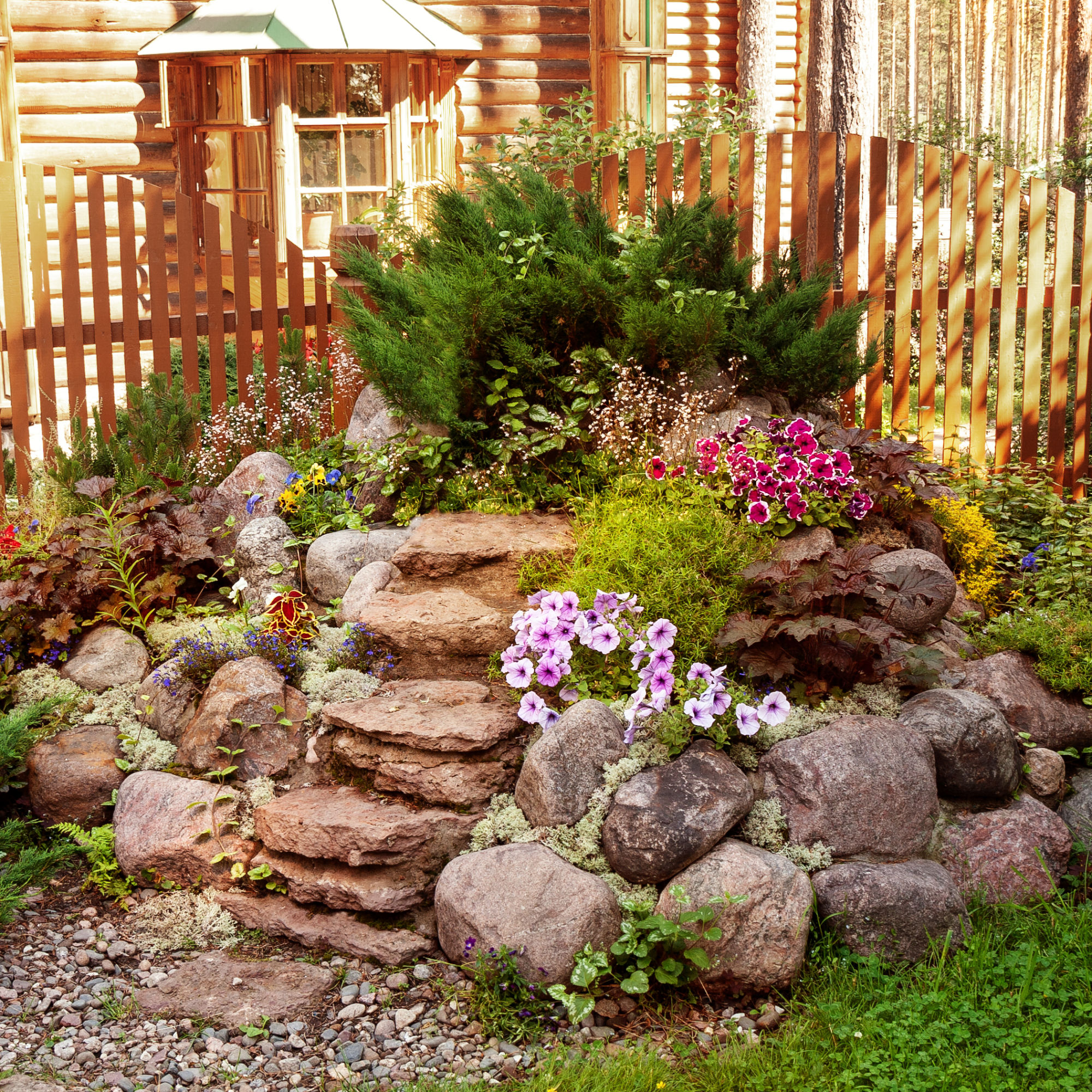
Plants soften the hard look of stone edging. Combining stones with greenery adds color and life. Choose plants that grow well near stones.
Try adding these plants with stone edges:
- Succulents for dry areas
- Low-growing groundcovers
- Flowering herbs like lavender
- Small shrubs for height contrast
Credit: www.gardeningknowhow.com
Diy Stone Edging Tips
Stone edging adds a natural look to your garden or yard. It helps keep soil and mulch in place. You can make stone edging yourself with some planning and care.
This guide covers the tools and materials you need. It also shows how to install stone edging step by step. Finally, it lists common mistakes to avoid for a neat finish.
Tools And Materials Needed
- Landscape stones or bricks
- Shovel and trowel
- Garden gloves
- Measuring tape
- Level
- Rubber mallet
- String and stakes
- Sand or gravel for base
- Garden hose or spray bottle
Having these tools ready will make the job easier. Choose stones that fit your garden style and size.
Step-by-step Installation Guide
- Mark the edging area using string and stakes.
- Remove grass and soil about 4 to 6 inches deep.
- Level the ground and add a layer of sand or gravel.
- Place the stones tightly along the marked line.
- Tap stones gently with a rubber mallet to set them.
- Fill gaps with soil or sand and water the area.
- Check the level and adjust stones if needed.
Follow these steps carefully for a strong and neat stone border.
Common Mistakes To Avoid
| Mistake | Why to Avoid | Tip |
| Not preparing the ground | Stones may shift or sink | Dig and level before placing stones |
| Using uneven stones | Creates unstable edges | Pick stones close in size and shape |
| Ignoring drainage | Water can damage edging | Ensure slight slope for water flow |
| Leaving gaps between stones | Weeds grow through gaps | Place stones tightly and fill gaps |
Maintaining Stone Edging
Stone edging adds beauty and structure to your garden or yard. Keeping it clean and in good shape helps it last longer.
Regular care prevents damage and keeps the stones looking fresh. Let’s explore how to maintain your stone edging well.
Cleaning Techniques
Cleaning stone edging removes dirt, moss, and stains. Use gentle tools to avoid scratching the stones.
Soft brushes and mild soap work well. Rinse with water and let the stones dry naturally.
- Use a soft brush or broom
- Mix mild soap with water
- Scrub stones gently to remove dirt
- Rinse thoroughly with clean water
- Allow stones to dry in the sun
Repairing Damaged Stones
Cracks or chips can happen over time. Fixing them early stops the damage from spreading.
Replace broken stones or fill small cracks with a suitable filler made for stone. Keep the area clean before repair.
- Inspect stones regularly for damage
- Remove loose or broken pieces
- Use stone filler for small cracks
- Replace stones if they are badly damaged
- Clean the surface before applying repair materials
Seasonal Care Advice
Season changes affect stone edging. Prepare your stones for cold and wet weather to prevent damage.
Clear leaves and debris in fall. In winter, avoid using salt near stones to stop erosion.
- Remove leaves and dirt in autumn
- Check for cracks before winter
- Avoid salt or harsh chemicals in winter
- Use sand for traction if needed
- Inspect stones after winter for damage
Frequently Asked Questions
What Are Popular Stone Edging Materials?
Popular stone edging materials include granite, limestone, slate, and sandstone. These stones offer durability and aesthetic appeal for garden borders and pathways.
How To Choose The Right Stone Edging Design?
Choose stone edging based on garden style, climate, and maintenance needs. Consider shape, color, and size for harmony with your landscape.
Can Stone Edging Prevent Soil Erosion?
Yes, stone edging effectively prevents soil erosion by stabilizing soil and reducing runoff. It keeps garden beds neat and intact.
How To Install Stone Edging Yourself?
To install stone edging, prepare the ground, lay stones evenly, and secure them with sand or mortar. Proper alignment ensures durability.
Conclusion
Stone edging adds charm and structure to any garden or yard. It defines spaces and keeps soil and mulch in place. Choose designs that match your style and landscape needs. Simple or intricate patterns can change your outdoor look. Regular care will keep your stone edging looking fresh and neat.
Small changes make big differences in your garden’s appeal. Try different stones or shapes for a personal touch. Enjoy a tidy, beautiful space that feels welcoming and cared for. Stone edging is a smart way to enhance your outdoor area easily.
