
If you’re a homeowner or gardener aiming for that perfect, lush green lawn, you’ve likely come across the term “dethatching.” But what exactly does it mean for your yard?
Dethatching involves removing the layer of dead grass and roots, known as thatch, that can accumulate on the surface of your lawn. This process can breathe new life into your grass, but it also comes with its own set of challenges.
Have you ever wondered if dethatching is the right step for your lawn care routine? We’ll break down the pros and cons of dethatching your lawn, helping you make an informed decision. So, if you’re curious about maximizing your lawn’s potential, read on to discover whether dethatching is your next move toward a vibrant, healthy yard.
%20(1).jpg)
Credit: www.yourgreenpal.com
Benefits Of Lawn Dethatching
Dethatching your lawn removes the layer of dead grass and debris. This helps your lawn stay healthy and strong.
Removing thatch improves the soil and grass conditions. Your lawn can grow better with proper care.
Improved Air And Water Flow
Thatch blocks air and water from reaching the soil. Dethatching opens up the lawn’s surface.
Better air and water flow helps grass roots grow deep and strong. It also reduces water runoff and puddles.
- Allows oxygen to reach grass roots
- Improves water penetration into the soil
- Reduces water pooling on the surface
Enhanced Nutrient Absorption
Thatch stops nutrients from reaching grass roots. Dethatching clears the way for nutrients in the soil.
Grass can take in more nutrients after dethatching. This leads to stronger and greener lawns.
- Fertilizers reach the roots easily
- Soil nutrients become more available
- Grass grows with better nutrition
Healthier Grass Growth
Dethatching removes dead material that blocks sunlight. Grass gets more light, which it needs to grow.
Removing thatch helps reduce lawn diseases and pests. A clean lawn surface supports healthy grass growth.
- Increases sunlight reaching grass blades
- Reduces chances of fungal infections
- Encourages thicker and greener grass
Drawbacks Of Lawn Dethatching
Dethatching is a process that removes dead grass and debris from a lawn. It can help improve lawn health but has some downsides. Knowing these drawbacks helps you decide if dethatching is right for your lawn.
This article covers the main drawbacks of lawn dethatching. We discuss damage risks, the effort involved, and the cost issues you may face.
Potential Damage To Grass
Dethatching can harm your grass if done too often or too aggressively. It can cause:
- Stress to grass roots
- Damage to new grass blades
- Increased vulnerability to weeds and pests
- Patchy or thin lawn areas
Young or weak lawns are especially at risk. It is best to dethatch only when needed and with proper tools.
Labor And Time Intensive
Dethatching takes effort and time. It can be physically demanding to remove thatch manually or to operate dethatching machines.
| Task | Estimated Time | Effort Level |
| Raking by hand | 2-4 hours per 1,000 sq ft | High |
| Using dethatching machine | 1-2 hours per 1,000 sq ft | Medium |
| Cleanup and disposal | 30 minutes to 1 hour | Medium |
For large lawns, dethatching can take a full day or more. Many people find it hard to fit this work into their schedule.
Cost Considerations
Dethatching may require buying or renting tools. You might also pay for professional services. These costs add up.
- Renting a dethatcher machine: $40 to $100 per day
- Buying dethatching rake: $20 to $50
- Professional dethatching service: $100 to $300 per 1,000 sq ft
- Additional lawn repair or reseeding after dethatching
Budgeting for dethatching is important. Unexpected costs may arise if the lawn needs extra care after dethatching.
Signs Your Lawn Needs Dethatching
Dethatching helps keep your lawn healthy by removing dead grass layers. Knowing when to dethatch saves your lawn from damage.
Watch for certain signs that tell you your lawn needs dethatching. These signs show that thatch buildup affects your grass.
Visible Thatch Layer
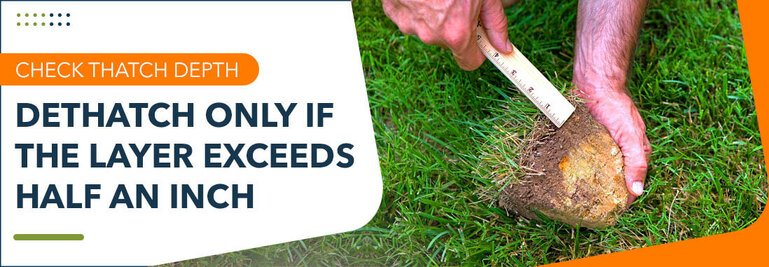
A thick thatch layer looks like a spongy, brown mat between the grass and soil. It stops water and nutrients from reaching roots.
- Check if the thatch layer is thicker than half an inch
- Look for dead grass and roots on the surface
- Press your finger into the grass to feel the thatch
Poor Drainage
Water pools on the lawn surface or drains slowly. This happens because thick thatch blocks water from reaching the soil.
| Drainage Sign | What It Means |
| Water puddles after rain | Thatch blocks water |
| Soil stays wet too long | Grass roots get less air |
| Grass looks soggy or weak | Too much moisture on surface |
Thinning Grass
Grass starts to look thin and patchy. The roots cannot grow well under thick thatch layers.
- Spots with less grass coverage
- Grass blades are smaller and weaker
- More weeds growing in thin areas

Credit: www.angi.com
Best Tools For Dethatching
Dethatching helps remove dead grass and debris from your lawn. Using the right tools makes this task easier and more effective.
There are different tools to choose from, each with its own benefits and drawbacks. This guide covers manual rakes, power dethatchers, and compares aerators with dethatchers.
Manual Rakes
Manual rakes are simple tools with sharp blades or tines. They help pull up thatch by hand and are best for small lawns.
- Low cost and easy to use
- Require physical effort
- Best for light dethatching tasks
- Allow precise control over the area
- Time-consuming for large lawns
Power Dethatchers
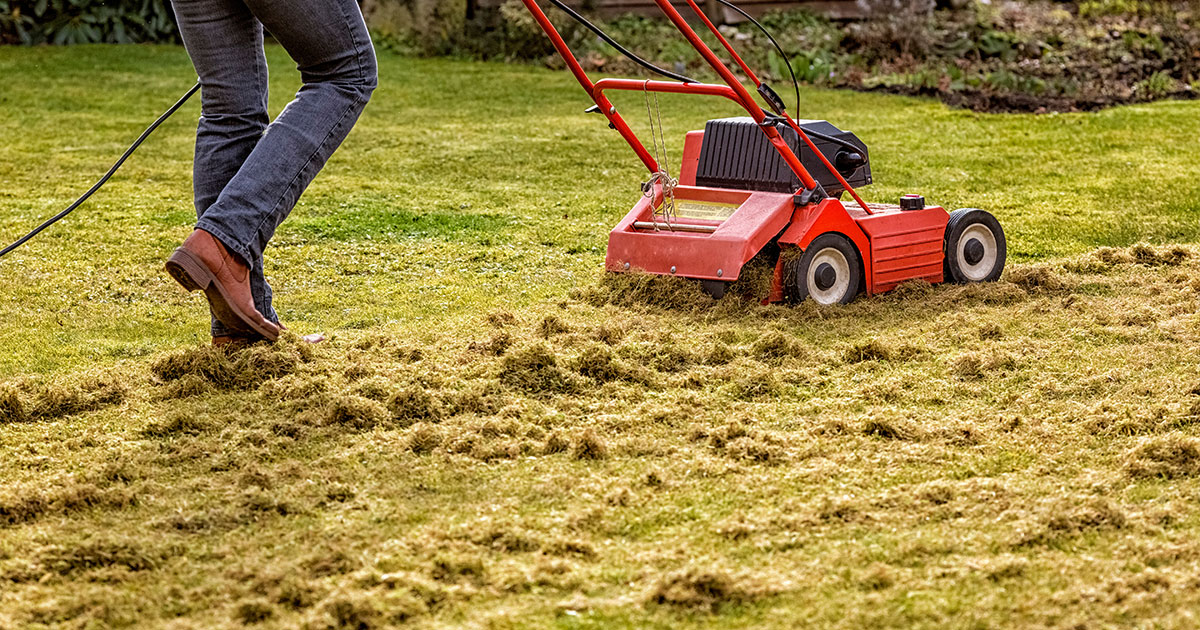
Power dethatchers use a motor to remove thatch faster than manual rakes. They are ideal for medium to large lawns with thick thatch layers.
| Pros | Cons |
| Works quickly | More expensive than manual rakes |
| Less physical effort needed | Requires storage space |
| Can cover large areas easily | Needs maintenance and fuel or electricity |
Aerators Vs. Dethatchers
Aerators and dethatchers both improve lawn health but do different jobs. Aerators create holes to let air and water in. Dethatchers remove the thick layer of dead grass.
- Aerators:Help soil breathe and reduce compaction
- Dethatchers:Remove dead grass to allow new growth
- Aerators work best in compacted soil
- Dethatchers work best when thatch is thicker than half an inch
Optimal Timing For Dethatching
Dethatching helps keep your lawn healthy by removing dead grass layers. Doing it at the right time helps grass grow back fast.
Picking the best time to dethatch depends on the season, grass type, and weather. These factors affect how well your lawn recovers.
Seasonal Considerations
Dethatch in the growing season for best results. This lets grass heal quickly after removal of thatch.
Spring and early fall are the best times. Grass grows actively during these seasons and can recover faster.
- Spring: Ideal for cool-season grasses
- Early fall: Good for warm-season grasses
- Avoid dethatching in summer or winter
Grass Type Impact
Different grasses have different growth patterns. This affects when dethatching should be done.
Cool-season grasses grow best in spring and fall. Warm-season grasses grow in late spring to summer.
- Cool-season grasses: Kentucky bluegrass, fescue, ryegrass
- Warm-season grasses: Bermuda, zoysia, St. Augustine
- Dethatch during their active growth phase
Weather Conditions
Weather impacts how well your lawn recovers after dethatching. Avoid extreme heat or cold.
Choose a day with mild temperatures and light wind. Water the lawn before dethatching for easier thatch removal.
- Do not dethatch during drought or heavy rain
- Ideal soil moisture helps dethatching tools work better
- Good weather speeds up grass recovery
Step-by-step Dethatching Process
Dethatching is the process of removing dead grass and debris from your lawn. It helps your grass breathe and absorb water better.
Follow these steps to dethatch your lawn properly and keep it healthy.
Preparation Tips
Prepare your lawn before dethatching to get the best results. Check the grass height and soil moisture.
Cut your grass to about 2 inches tall. Water your lawn a day before if the soil is dry. Avoid dethatching wet soil.
- Remove sticks, rocks, and debris from the lawn
- Mow the grass to the right height
- Water the lawn lightly one day before
- Wear gloves and protective gear
Dethatching Techniques
Use tools or machines to remove the thatch layer. Choose a method based on your lawn size and thatch thickness.
Manual rakes are good for small lawns. Power rakes or vertical mowers work better for larger areas.
- Use a dethatching rake to pull out dead grass
- Try a power rake for thick thatch layers
- Run the dethatcher in one direction first
- Repeat perpendicular passes if needed
- Collect the debris after dethatching
Post-dethatching Care
After dethatching, your lawn needs extra care to recover and grow healthy. Clean up and water your grass well.
Apply fertilizer if the soil needs nutrients. Avoid heavy foot traffic on the lawn for a few days.
- Rake and remove all thatch debris
- Water the lawn deeply after dethatching
- Apply lawn fertilizer if needed
- Reseed bare spots if visible
- Keep off the lawn for a few days
Alternatives To Dethatching
Dethatching removes dead grass and debris from your lawn. It helps grass grow better but can stress the soil. Some people look for gentler ways to care for their lawn.
Here are three good alternatives to dethatching. Each method supports lawn health without heavy disruption.
Regular Aeration
Aeration means making small holes in the soil. This lets air, water, and nutrients reach grass roots easier. It reduces soil compaction and helps grass grow strong.
- Use a core aerator tool for best results
- Aerate during growing seasons like spring or fall
- Water lawn after aeration to help recovery
Topdressing
Topdressing adds a thin layer of soil or compost on top of the lawn. It improves soil quality and smooths uneven areas. This method also helps break down thatch naturally.
| Material | Benefits |
|---|---|
| Compost | Adds nutrients and improves soil life |
| Sand | Improves drainage and prevents soil compaction |
| Loam | Balances soil texture and supports root growth |
Proper Lawn Maintenance
Good lawn care helps avoid thatch buildup. Proper mowing, watering, and fertilizing keep grass healthy. These habits reduce the need for dethatching or other treatments.
- Cut grass at the right height for your grass type
- Water deeply but less often
- Use fertilizer suited for your soil and grass
- Remove grass clippings to reduce thatch
Credit: landdesignsbycolton.com
Frequently Asked Questions
What Is Lawn Dethatching And Why Is It Important?
Lawn dethatching is removing excess thatch, a layer of dead grass and roots. It improves air, water, and nutrient flow, promoting healthier grass growth and preventing lawn diseases.
How Often Should You Dethatch Your Lawn?
Most lawns benefit from dethatching every 1 to 3 years. Frequency depends on grass type, soil, and thatch thickness. Avoid dethatching too often to prevent lawn damage.
What Are The Benefits Of Dethatching A Lawn?
Dethatching enhances lawn health by improving soil aeration and nutrient absorption. It reduces pest problems and promotes stronger root growth, resulting in a greener, thicker lawn.
Can Dethatching Harm Your Lawn?
Yes, dethatching can damage grass if done excessively or incorrectly. It may stress the lawn, leading to bare spots. Proper timing and technique are essential to avoid harm.
Conclusion
Dethatching your lawn can bring both benefits and challenges. It helps grass breathe and grow stronger. But dethatching too often may damage your lawn. Choose the right time and method carefully. Know your lawn’s needs before starting. Regular care keeps your grass healthy and green.
Balance is key for a beautiful lawn year-round. Think twice and act smart for best results.

