
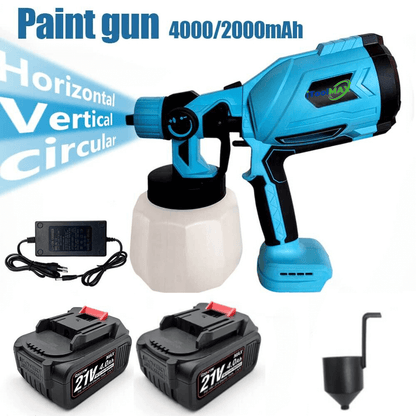
Imagine a world where painting a fence or spraying your garden doesn’t involve tangled cords or limited mobility. Cordless sprayers promise just that: convenience and freedom.
But as you consider making the switch, a pressing question arises—are they safe to use? Your safety is a top priority, and understanding the ins and outs of cordless sprayers can make all the difference. You’ll discover the hidden truths about cordless sprayers, learn essential safety tips, and find out if this modern tool is right for you.
Stay with us to uncover how you can enjoy the benefits of cordless technology without compromising on safety.
:strip_icc()/bhg-paint-sprayers-test-graco-17g180-magnum-prox19-melissa-inman-29-0cfbde80d51a41a287c187c98963b4ba.jpeg)
Credit: www.bhg.com
Cordless Sprayers Basics
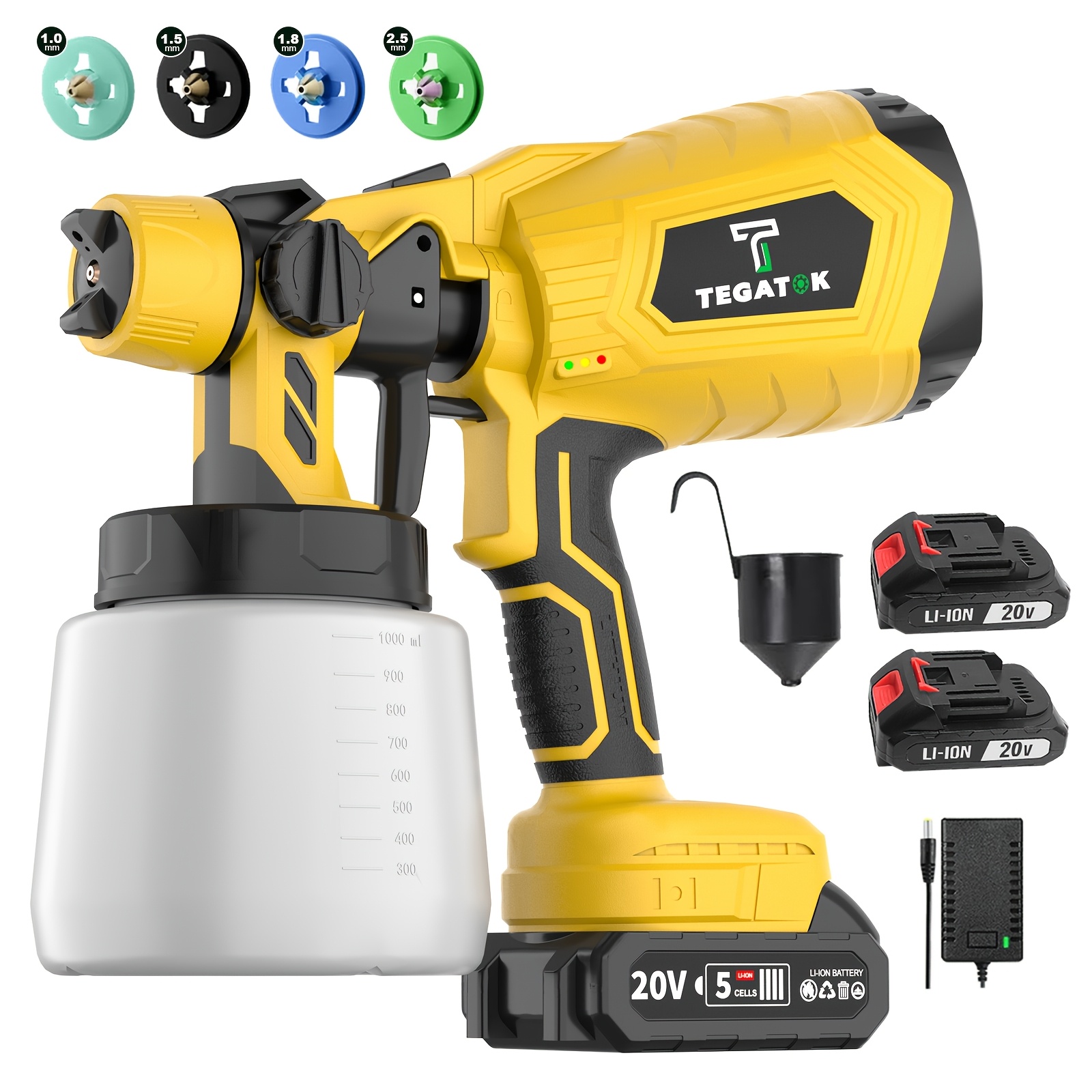
Cordless sprayers are tools that spray liquids without a power cord. They use batteries to work, making them easy to move.
These sprayers are popular for gardening, cleaning, and small farming jobs. They help spread water, pesticides, or fertilizers quickly.
Types Of Cordless Sprayers
There are different types of cordless sprayers based on how they spray and what they hold inside. Each type fits certain jobs better.
- Pump Sprayers:Use a manual pump to build pressure before spraying.
- Battery-Powered Sprayers:Use rechargeable batteries to spray continuously without manual pumping.
- Backpack Sprayers:Worn on the back to carry larger tanks for bigger jobs.
- Handheld Sprayers:Small and light, best for quick or spot spraying tasks.
Common Uses And Applications
Cordless sprayers work well in many tasks. They make spraying safe, fast, and easy in places without power outlets.
| Use | Description |
| Gardening | Apply water, fertilizers, or insecticides on plants. |
| Cleaning | Spray cleaning solutions on windows or outdoor furniture. |
| Disinfecting | Spread disinfectants in homes or public spaces. |
| Small Farming | Spray pesticides or nutrients on crops in small fields. |
| Painting | Apply paint in small or detailed areas with fine spray. |
Safety Risks To Consider
Cordless sprayers are handy tools for many jobs. They let you spray without a cord getting in the way.
Still, these sprayers have some safety risks. Knowing these risks helps you stay safe while using them.
Chemical Exposure Hazards
Chemicals in sprayers can cause harm if they touch your skin or eyes. Breathing in sprays can also hurt your lungs.
Always wear gloves and eye protection. Use a mask if you spray chemicals that create fumes.
- Wear protective gloves and goggles
- Use a mask to avoid breathing chemicals
- Keep sprays away from children and pets
- Work in well-ventilated areas
Battery And Electrical Concerns
Cordless sprayers use batteries that can overheat or leak if damaged. Poor charging habits may shorten battery life or cause fire.
Use only the charger made for your sprayer. Avoid charging near water or in very hot places.
- Check batteries for damage before use
- Charge batteries in dry, cool places
- Do not use damaged or swollen batteries
- Keep batteries away from metal objects
Sprayer Malfunctions
Sprayers can leak or clog. Leaks cause chemical spills, while clogs may cause sudden sprays that can hurt you.
Check your sprayer before use. Clean it regularly to prevent blockages and fix leaks fast.
- Inspect sprayer for cracks or leaks
- Clean nozzles and filters often
- Do not use if spray flow is uneven
- Stop using if battery or parts feel hot
Expert Safety Tips
Cordless sprayers are handy tools for gardening and cleaning tasks. Using them safely protects you and others from harm.
Follow these expert tips to handle cordless sprayers with care and avoid accidents.
Proper Protective Gear
Wearing the right protective gear lowers the risk of exposure to chemicals and injuries.
- Wear gloves made of chemical-resistant material.
- Use safety goggles to protect your eyes.
- Put on a long-sleeved shirt and long pants.
- Consider a face mask to avoid inhaling sprays.
- Wear sturdy, closed-toe shoes to protect your feet.
Safe Handling And Operation
Operate cordless sprayers carefully to prevent leaks and spills.
- Read the user manual before use.
- Mix chemicals outdoors or in a well-ventilated area.
- Check the sprayer for damage before starting.
- Do not point the sprayer at people or pets.
- Keep the sprayer steady and spray evenly.
- Turn off the sprayer when not in use.
Maintenance And Inspection
Regular maintenance keeps your cordless sprayer working safely and well.
| Task | Frequency | Details |
| Clean nozzle | After each use | Remove clogs and residue |
| Check battery | Weekly | Charge fully and inspect for damage |
| Inspect seals | Monthly | Look for cracks or leaks |
| Lubricate parts | Every 3 months | Use manufacturer-recommended oil |
| Store properly | After each use | Keep in a dry, cool place |
Credit: www.temu.com
Environmental Impact
Cordless sprayers offer a cleaner way to apply chemicals outdoors. They reduce the chance of spills and leaks.
Using cordless sprayers carefully can help protect the soil, water, and air around us.
Safe Chemical Disposal
Disposing of chemicals safely stops pollution. It prevents harm to animals and plants.
Always follow local rules for getting rid of leftover chemicals. Never pour them into drains or on the ground.
- Use designated disposal sites for chemicals
- Store chemicals in original containers with labels
- Do not mix different chemicals before disposal
- Clean sprayers carefully to avoid leftover spills
Preventing Contamination
Contamination happens when chemicals reach places they should not. This can hurt water, soil, and wildlife.
Use cordless sprayers with care to avoid spraying near water or plants that are not targets.
- Check wind direction before spraying
- Spray only during calm weather
- Keep sprayer parts clean and leak-free
- Store chemicals away from water sources
Choosing A Safe Cordless Sprayer
Using a cordless sprayer is convenient for gardening and cleaning. Safety should be a top priority when selecting one.
Knowing the key safety features and certifications helps you pick a sprayer that is reliable and safe to use.
Key Safety Features
Safe cordless sprayers include features that protect users and prevent accidents. Look for these important safety elements.
- Automatic shut-off to stop spraying when the tank is empty
- Pressure control to avoid over-spraying and leaks
- Locking triggers to prevent accidental sprays
- Durable, chemical-resistant tanks and hoses
- Clear instructions for safe handling and cleaning
Certifications And Standards
Certifications show that a sprayer meets safety and quality rules. Check for these marks before buying.
| Certification | What It Means |
| UL Listed | Meets electrical safety standards |
| CE Mark | Complies with European health and safety rules |
| EPA Approved | Safe for use with pesticides and chemicals |
| RoHS Compliant | Free of harmful hazardous substances |

Credit: www.amazon.com
Common Myths About Safety
Cordless sprayers are popular tools for gardening and cleaning tasks. Some people worry about their safety. This article clears up common myths about cordless sprayers.
Understanding the facts can help you use cordless sprayers safely and with confidence. Here are some common myths and the truth behind them.
Myth: Cordless Sprayers Are Prone To Exploding
Many think cordless sprayers can explode because they use batteries. In reality, modern lithium-ion batteries have safety features. These features prevent overheating and explosions when used properly.
Myth: They Leak Harmful Chemicals Easily
Some believe cordless sprayers leak chemicals more than other types. Most cordless sprayers have well-sealed tanks and nozzles. This design helps stop leaks and protects users from exposure.
Myth: Using Them Without Protective Gear Is Safe
People may think protective gear is not needed because cordless sprayers are easy to handle. Protective gear is important. It prevents skin and eye contact with chemicals or sprays.
- Wear gloves to protect your hands.
- Use goggles to shield your eyes.
- Wear a mask to avoid inhaling sprays.
- Use long sleeves to cover your skin.
Myth: They Are Hard To Control And Cause Accidents
Some think cordless sprayers are difficult to use and cause spills or accidents. Cordless sprayers are designed for easy control. Lightweight bodies and adjustable nozzles help reduce accidents.
| Feature | Benefit |
| Lightweight design | Easy to carry and hold |
| Adjustable nozzle | Control spray pattern and amount |
| Battery power | Consistent spray without cords |
Frequently Asked Questions
Are Cordless Sprayers Safe For Household Use?
Yes, cordless sprayers are safe for household use when used correctly. Always follow the manufacturer’s instructions and wear protective gear to avoid exposure to chemicals.
Can Cordless Sprayers Cause Electrical Hazards?
Cordless sprayers use battery power, reducing electrical hazard risks. However, avoid using them in wet conditions to prevent short circuits or shocks.
How To Safely Handle Chemicals With Cordless Sprayers?
Always wear gloves, masks, and eye protection when handling chemicals. Store chemicals properly and clean the sprayer after each use to maintain safety.
Do Cordless Sprayers Pose Health Risks?
When used properly, cordless sprayers pose minimal health risks. Avoid inhaling sprays and ensure good ventilation during application to protect your health.
Conclusion
Cordless sprayers can be safe when used properly. Always read and follow the instructions carefully. Wear protective gear like gloves and masks for safety. Keep the sprayer clean and store it well after use. Avoid spraying in windy or crowded areas to prevent accidents.
Regularly check the sprayer for leaks or damage. With simple care and attention, cordless sprayers are a helpful tool. They make spraying easier and safer for most tasks. Safety depends on how you use and maintain the device.
