
Considering a garden tiller for your backyard oasis? You might be wondering if it’s truly a worthwhile investment for your gardening needs.
Picture this: rich, fertile soil, perfectly tilled and ready for planting. The idea of a lush, vibrant garden is enticing, isn’t it? Imagine saving time and energy while achieving that dream garden you’ve always wanted. With a garden tiller, your soil can be transformed effortlessly, making your gardening tasks easier and more efficient.
But before you make a decision, it’s essential to weigh the benefits and see if a tiller aligns with your gardening goals. Dive into this article to discover how a garden tiller can revolutionize your gardening experience and decide if it’s the right tool for you.
Benefits Of Using A Garden Tiller
Using a garden tiller makes soil preparation easier. It helps break up hard ground quickly.
A garden tiller lets you prepare your garden bed well for planting. This tool saves effort and improves soil quality.
Improved Soil Aeration
A garden tiller loosens compacted soil. This allows air to reach plant roots better. Good aeration helps roots grow strong and healthy.
Enhanced Nutrient Mixing
Tilling mixes organic matter and fertilizers evenly into the soil. Plants get nutrients from all parts of the soil.
- Breaks up clumps of soil for better nutrient spread
- Mixes compost and manure into the ground
- Improves soil texture for easier root growth
Time-saving Advantages
| Task | Manual Effort | With Garden Tiller |
|---|---|---|
| Breaking hard soil | 2 hours | 30 minutes |
| Mixing compost | 1 hour | 15 minutes |
| Preparing large beds | 3 hours | 45 minutes |
A garden tiller cuts the time needed for soil work. You get more done quickly and with less strain.
Types Of Garden Tillers
Garden tillers help prepare soil for planting. They break up hard ground and mix in nutrients.
There are different types of tillers. Each type works best for certain garden sizes and soil types.
Electric Tillers
Electric tillers run on electricity. They are lighter and easier to use than gas tillers.
These tillers work well for small to medium gardens. They make less noise and produce no fumes.
- Best for small gardens and light soil
- Require access to a power outlet or charged battery
- Lightweight and easy to maneuver
- Low maintenance and quiet operation
Gas-powered Tillers
Gas-powered tillers use gasoline engines. They are strong and can handle tough soil.
These tillers are good for large gardens and heavy-duty work. They are heavier and louder than electric models.
- Good for large areas and hard soil
- Offer more power and deeper tilling
- Require fuel and regular engine maintenance
- Heavier and produce more noise
Manual Tillers
Manual tillers are hand tools without engines. They need physical effort to turn the soil.
These tillers are ideal for very small gardens or flower beds. They are quiet and easy to store.
- Simple and inexpensive
- Require no fuel or power
- Best for small spaces and light soil
- Need physical strength to use
Factors To Consider Before Buying
Buying a garden tiller takes some thought. It is important to know what fits your garden’s needs. This helps you get the best tool for your work.
Look at different factors before making a choice. These will guide you to pick the right tiller for your soil and garden size.
Soil Type And Garden Size
Soil types vary from soft to hard and clay-like. Some soils need stronger tillers. Your garden size matters too. A big garden needs a larger tiller.
- Soft soil needs less power to till.
- Hard soil or clay needs a strong tiller with sharp blades.
- Small gardens can use a hand-held or lightweight tiller.
- Large gardens need a heavy-duty tiller for faster work.
Power And Durability
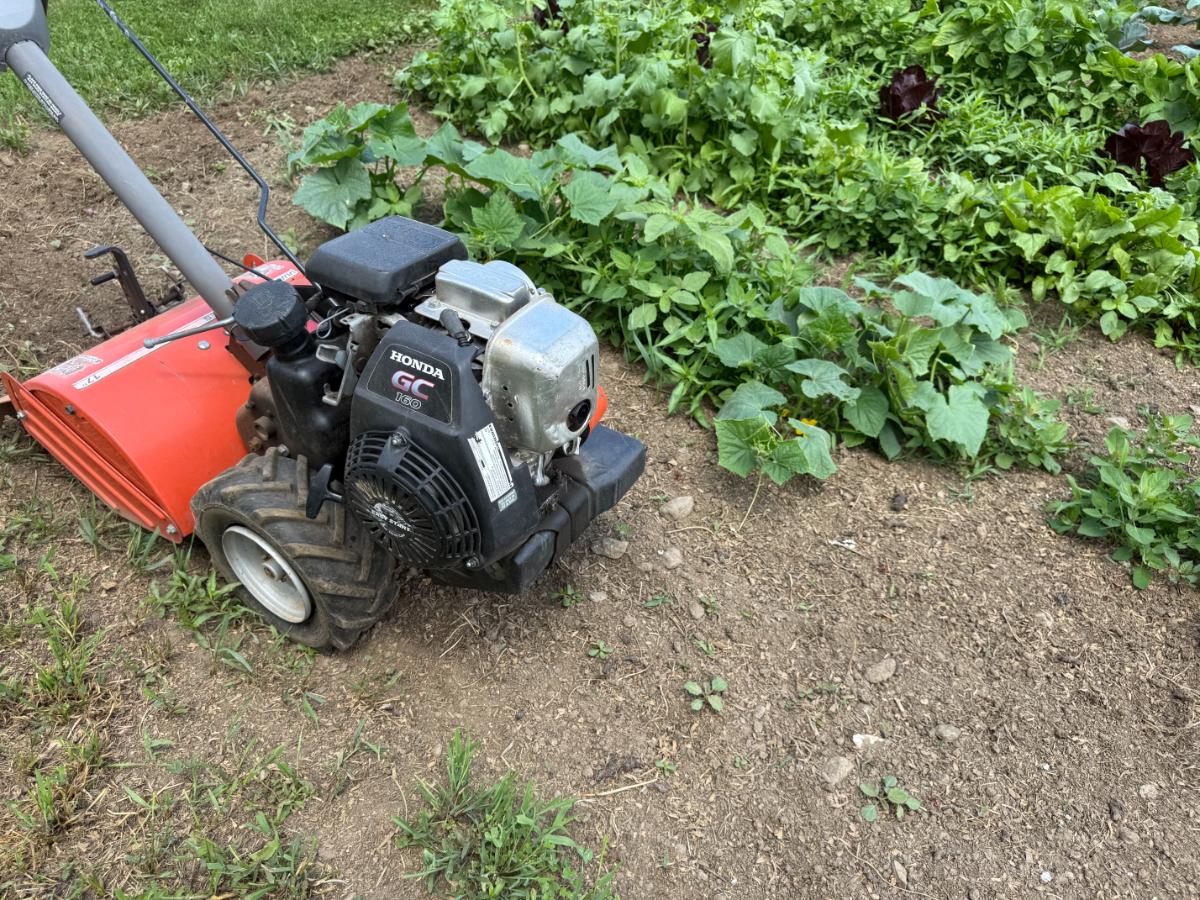
Power determines how well the tiller breaks the soil. Durability means the tiller lasts through many uses. Gas tillers offer strong power but need more care. Electric tillers are lighter and easier but may lack power for tough soil.
| Type | Power Source | Durability |
| Gas Tiller | Gas engine | High, needs regular maintenance |
| Electric Tiller | Electric motor | Moderate, less maintenance |
| Manual Tiller | No engine | Low, for light soil |
Ease Of Use And Maintenance
A tiller should be easy to handle and care for. Check the weight and size. Look for simple controls. Maintenance should be easy and not take much time.
- Choose a tiller with adjustable handles for comfort.
- Look for models with easy-start engines.
- Check how often you need to clean and oil parts.
- Find out if replacement parts are available.
Credit: gardening.org
Alternatives To Garden Tillers
Garden tillers help prepare soil but are not the only option. Many gardeners use other tools and methods. These alternatives can be easier or better for small gardens.
Below are some common alternatives to garden tillers. These options help loosen soil and improve plant growth naturally.
Hand Tools For Soil Preparation
Hand tools work well for small garden areas and raised beds. They help break up soil and remove weeds without power.
- Garden Fork:A garden fork loosens soil by lifting and turning it gently.
- Hoe:A hoe removes weeds and breaks the surface crust of the soil.
- Hand Trowel:A trowel is good for digging small holes and mixing soil.
- Broadfork:This tool loosens soil deeply without cutting through roots.
Natural Soil Conditioning Methods
Natural methods improve soil health over time. They increase nutrients and help soil hold water better.
| Method | Benefits | How to Use |
|---|---|---|
| Composting | Adds nutrients and improves soil texture | Mix compost into soil before planting |
| Cover Crops | Protects soil and adds nitrogen | Plant in off-season, then till into soil |
| Mulching | Retains moisture and reduces weeds | Spread organic mulch around plants |
| Crop Rotation | Prevents soil depletion and pests | Change crops each season |
Common Mistakes To Avoid With Tillers
Using a garden tiller can make soil preparation easier. But many people make mistakes that hurt their garden.
Avoiding these mistakes helps your plants grow better. It also keeps you safe while working.
Over-tilling Risks
Too much tilling can damage your soil. It breaks the soil structure and kills helpful organisms.
Over-tilling also causes soil to dry out and lose nutrients. This makes it harder for plants to grow strong.
- Soil erosion increases with too much tilling
- Soil compacts more after repeated tilling
- Useful earthworms and microbes die off
- Water drains poorly in over-tilled soil
Ignoring Safety Precautions
Garden tillers have sharp blades and strong motors. Not using safety gear can cause serious injuries.
Always read the manual and follow safety rules. This protects you and others while using the tiller.
- Wear gloves and sturdy shoes
- Keep children and pets away
- Turn off the tiller before clearing jams
- Use eye and ear protection

Credit: www.reddit.com
Tips For Maximizing Garden Tiller Efficiency
Using a garden tiller can save time and effort in preparing your soil. To get the best results, you need to use the tiller correctly and keep it in good shape.
This guide offers simple tips to help your garden tiller work better and last longer.
Proper Tilling Techniques
Start tilling when the soil is dry but not too hard. Wet soil can clump and damage the tiller.
Move the tiller slowly and steadily to break the soil evenly. Avoid pushing too fast to prevent strain on the machine.
- Clear the area of rocks and large debris before tilling
- Till in straight lines for better soil coverage
- Overlap each pass slightly for even tilling
- Do not till too deep; 6 to 8 inches is enough for most plants
Regular Maintenance Practices
Keep your garden tiller clean after each use. Remove dirt and plant material from the tines and other parts.
Check the oil and fuel levels before starting. Change the oil as recommended in the tiller’s manual to keep the engine running smoothly.
- Inspect tines for wear and replace if needed
- Tighten any loose bolts and screws
- Sharpen tines regularly to improve cutting
- Store the tiller in a dry place to avoid rust

Credit: www.reddit.com
Frequently Asked Questions
What Is The Main Purpose Of A Garden Tiller?
A garden tiller breaks up soil to prepare it for planting. It improves soil aeration and nutrient mixing, making gardening easier and more effective.
How Does A Garden Tiller Save Time?
A garden tiller quickly loosens soil, reducing manual labor. It covers large areas faster than hand tools, boosting productivity and efficiency.
Are Garden Tillers Suitable For Small Gardens?
Yes, compact tillers work well in small gardens. They offer precise soil cultivation without damaging nearby plants or hardscaping.
Can A Garden Tiller Improve Soil Health?
Absolutely, tillers mix organic matter into soil. This enhances soil texture, drainage, and nutrient availability, promoting healthier plant growth.
Conclusion
A garden tiller can save time and effort in soil preparation. It helps break up hard ground quickly and makes planting easier. Small gardens may not need one, but larger plots benefit a lot. Costs and storage space are worth thinking about first.
Choosing the right tiller depends on your garden size and needs. Overall, a garden tiller can be a helpful tool for many gardeners. Consider your situation before deciding if it fits your work.
