
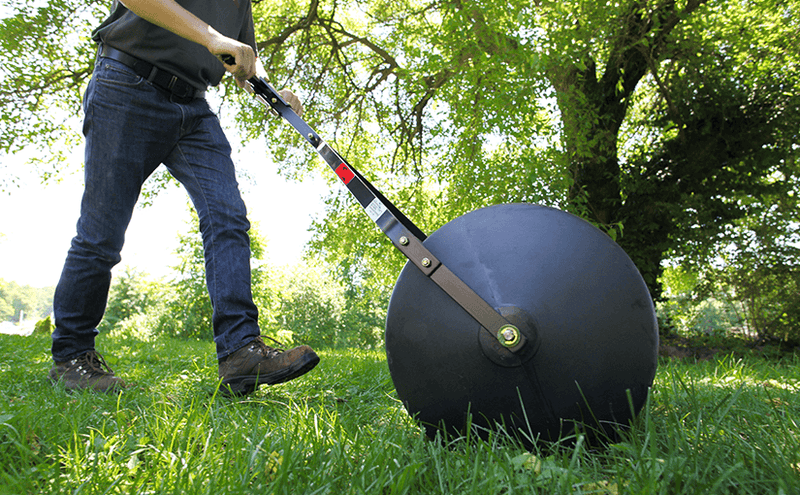
Are you struggling to get that perfectly smooth, even lawn? Choosing the right lawn roller can make all the difference.
But with so many options out there, how do you pick the one that fits your needs and budget? This guide will help you understand exactly what to look for, so you can make your lawn look its best without wasting time or money.
Keep reading, and soon you’ll know how to choose a lawn roller that works perfectly for your yard.
Credit: www.garant.com
Types Of Lawn Rollers
Lawn rollers help flatten your grass and soil. They improve lawn appearance and make seeding easier.
Different lawn rollers suit different jobs. Choose the right type for your lawn size and needs.
Water-filled Rollers
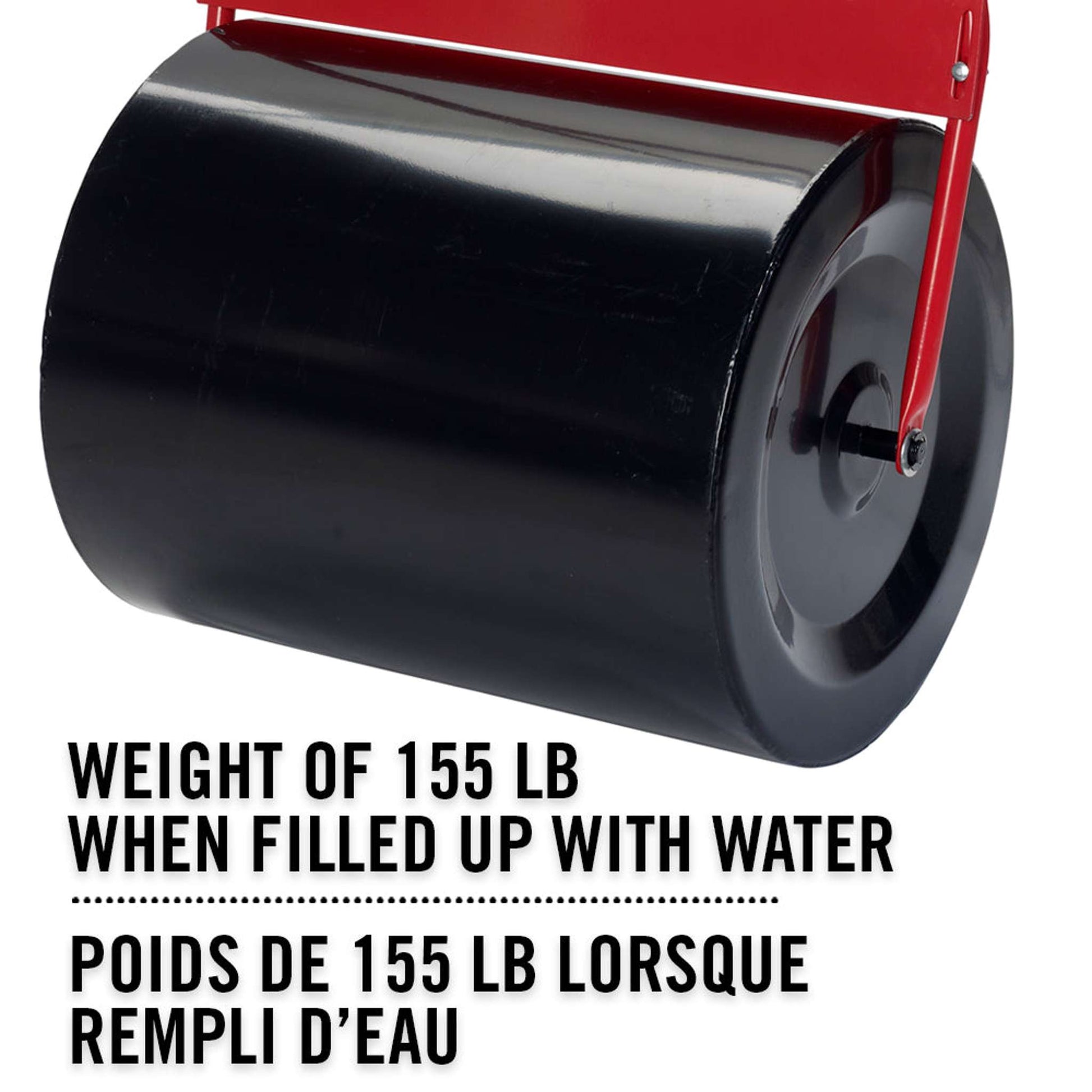
Water-filled rollers are hollow and fill with water. You can adjust their weight by adding or removing water.
They are easy to move when empty. These rollers work well on small to medium lawns.
- Adjustable weight for different soils
- Light to move when empty
- Good for home gardens
Steel Rollers
Steel rollers are heavy and strong. They give firm pressure to flatten the lawn well.
These rollers are best for large lawns or tough soil. They last a long time but can be hard to move.
- Heavy and durable
- Good for large areas
- Provide strong soil compaction
Polyethylene Rollers
Polyethylene rollers are made from tough plastic. They are lighter than steel but still strong.
These rollers resist rust and are easy to handle. Some models also fill with water for extra weight.
- Rust-resistant and lightweight
- Easy to move and store
- Can fill with water for weight
Key Features To Consider
Choosing the right lawn roller helps you get a smooth and even lawn. Picking the best one means looking at important parts of the roller.
Think about the size, weight, handle, and materials. These features affect how well the roller works and how easy it is to use.
Roller Size And Weight
The roller size decides how much ground you can cover in one pass. Bigger rollers cover more area but can be hard to control.
Weight is key for pressing the soil evenly. Heavy rollers press better but need more effort to push or pull.
- Choose a size that fits your lawn area.
- Pick a weight that matches your strength and lawn needs.
- Some rollers can be filled with water or sand to add weight.
Handle Design And Comfort
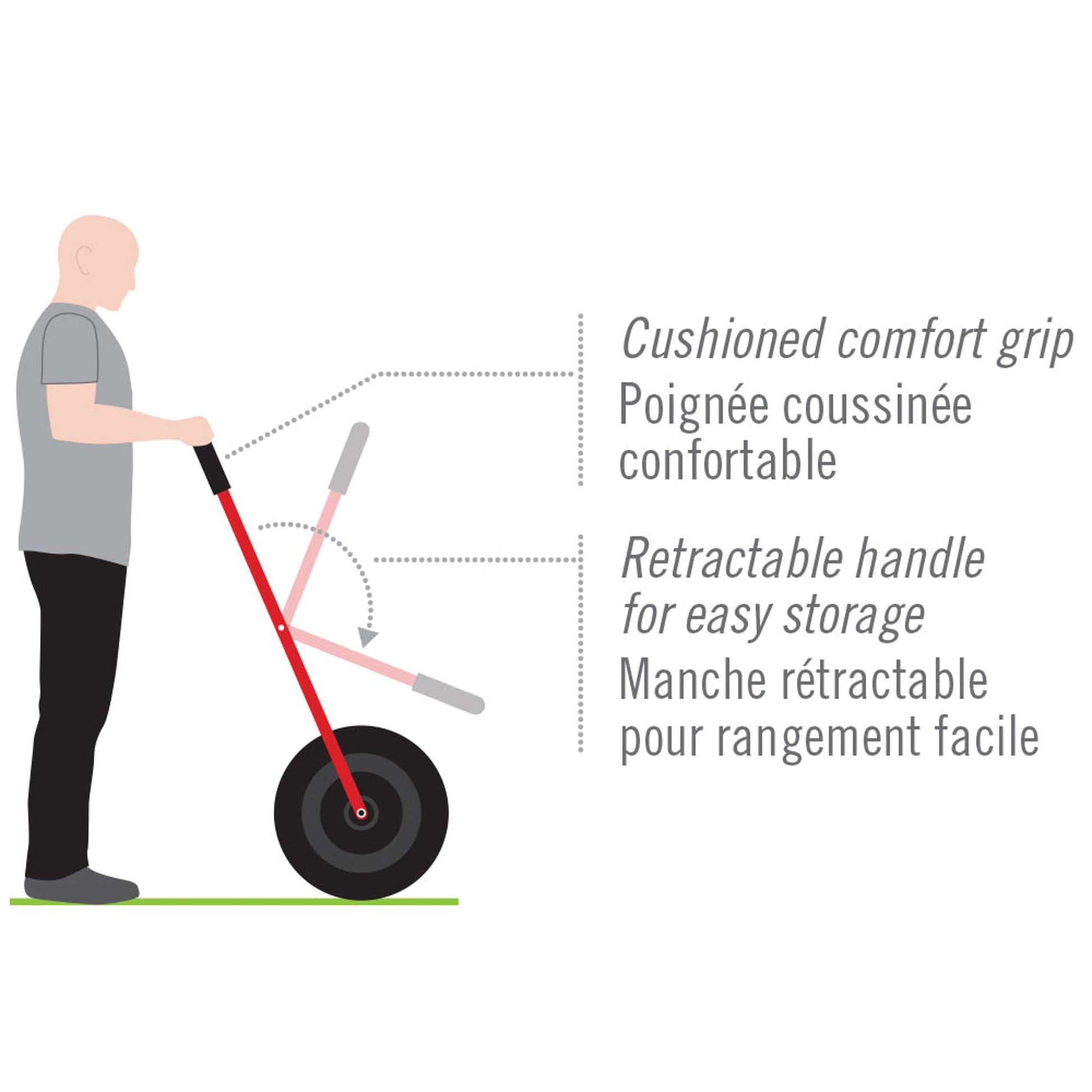
A good handle helps you steer and control the roller easily. Look for handles that feel comfortable in your hands.
Comfortable grips reduce hand strain. Adjustable handles let you set the height right for you.
- Check for padded or rubber grips.
- Look for adjustable handle heights.
- Make sure the handle folds for easy storage.
Durability And Material Quality
Strong materials make your roller last longer. Steel rollers are tough but heavy. Plastic rollers are light but less durable.
Look for rust-resistant coatings to keep your roller in good shape. Good quality parts make the roller safer and easier to use.
- Choose steel or heavy-duty plastic rollers.
- Check for rust or corrosion resistance.
- Look for strong welds and solid construction.
Matching Rollers To Lawn Size
Choosing the right lawn roller depends on your lawn’s size. Using the correct roller helps you achieve a smooth, even surface.
Different lawn sizes need different roller sizes and weights. This guide helps you pick the best roller for your lawn.
Small Lawns
Small lawns need lightweight and easy-to-move rollers. A small roller saves time and is easier to store.
Choose a roller that is narrow and light. This fits well in tight spaces and corners.
- Roller width: 12 to 18 inches
- Weight: 20 to 40 pounds
- Material: Plastic or metal with water/ sand fill
Medium Lawns
Medium lawns need rollers that cover more area but remain easy to handle. A medium-size roller balances size and weight.
Look for rollers that are wider and can hold more water or sand for added weight.
- Roller width: 18 to 24 inches
- Weight: 40 to 80 pounds
- Material: Steel or heavy-duty plastic
Large Lawns
Large lawns require wide and heavy rollers. These cover large areas quickly and press the soil deeply.
Select a roller with a wide drum and the ability to add heavy ballast like sand or water.
- Roller width: 24 inches or more
- Weight: 80 pounds and above
- Material: Steel, often with filling options
Credit: www.garant.com
When And How To Use Lawn Rollers
Lawn rollers help flatten soil and grass after seeding or lawn repair. Using them correctly improves lawn health and appearance.
Knowing the right time and technique for rolling ensures your lawn stays healthy and smooth. It also prevents damage.
Optimal Timing For Rolling
Roll your lawn when the soil is moist but not too wet. This helps the roller smooth the surface without causing soil compaction.
After seeding, wait until the seeds are lightly covered by soil. Rolling then helps press seeds firmly into the soil for better contact.
- Roll after lawn seeding or repair
- Choose a day with moist but firm soil
- Avoid rolling on very wet or dry ground
- Roll before mowing for a smooth finish
Techniques For Best Results
Push or pull the lawn roller slowly in straight lines. Overlap each pass slightly to cover the entire lawn evenly.
Do not roll too often. One or two passes are enough. Too much rolling can compact soil and harm grass roots.
- Roll in parallel lines for even coverage
- Overlap passes to avoid missed spots
- Use light pressure to avoid soil compaction
- Limit rolling to one or two times per session
Safety Tips
Wear sturdy shoes to protect your feet when using a lawn roller. Keep hands and feet away from the roller while moving it.
Check the lawn for rocks or debris before rolling. Clear obstacles to avoid damage to the roller and injury.
- Wear closed-toe shoes for protection
- Keep clear of moving parts
- Remove rocks and debris from the lawn
- Use the roller on flat ground only
Maintenance And Storage Tips
Taking care of your lawn roller helps it last longer. Regular maintenance keeps it working well.
Good storage stops damage and rust. Keep your roller safe between uses to protect it.
Cleaning After Use
Clean the lawn roller right after using it. Dirt and grass can cause problems if left on.
Use water and a brush to remove mud and grass clippings. Avoid harsh chemicals that can damage paint.
- Rinse off loose dirt with a hose
- Scrub stuck debris with a soft brush
- Dry the roller thoroughly to prevent rust
Proper Storage Practices
Store your lawn roller in a dry place to stop rust. Keep it off the ground if possible.
Cover the roller with a tarp or cloth. This protects it from dust and moisture.
- Choose a shed or garage for storage
- Keep roller away from direct sunlight
- Check for leaks or moisture regularly
Troubleshooting Common Issues
If the roller does not move smoothly, check the wheels or bearings. Dirt or rust can cause stiffness.
Fix small rust spots quickly to avoid bigger problems. Use sandpaper and rust-resistant paint.
- Lubricate moving parts regularly
- Inspect for cracks or dents before use
- Tighten loose bolts and screws

Credit: www.garant.com
Frequently Asked Questions
What Size Lawn Roller Should I Choose?
Choose a lawn roller size based on your lawn’s area. Small rollers suit small lawns, while large rollers cover big spaces quickly. Consider storage and handling ease when selecting a size for your lawn roller.
Should I Get A Water Or Sand-filled Roller?
Water-filled rollers are lighter and easier to transport. Sand-filled rollers provide more weight for better soil compaction. Choose based on your lawn’s soil type and your need for portability.
How Heavy Should My Lawn Roller Be?
A lawn roller weight depends on soil firmness and lawn condition. Light rollers (50-100 lbs) suit soft soils, while heavier rollers (100-300 lbs) compact firmer soils effectively. Avoid overly heavy rollers to prevent lawn damage.
Can I Use A Lawn Roller On Newly Seeded Grass?
Yes, but use a light roller to avoid damaging seeds. Rolling helps improve seed-to-soil contact, promoting better germination. Avoid heavy rolling on fresh seedbeds to protect young grass.
Conclusion
Choosing the right lawn roller makes lawn care easier and better. Think about your yard size and soil type first. Pick a roller that fits your needs and budget. Consider weight and ease of use to avoid extra work. A good lawn roller helps your grass grow smooth and healthy.
Take time to compare options before buying. A well-chosen lawn roller saves time and effort. Your lawn will look neat and cared for all year. Simple steps lead to a great lawn.
