
Have you ever noticed trees with thick trunks but very few branches, almost as if someone carefully trimmed them? That’s pollarding—a special way of pruning trees that might seem strange at first.
But understanding what pollarding is can change how you see and care for trees around you. If you want to keep your trees healthy, control their size, or even create a unique garden look, knowing about pollarding is a game-changer.
Keep reading to discover what pollarding trees really means and why it could be the perfect technique for your outdoor space.
Pollarding Basics
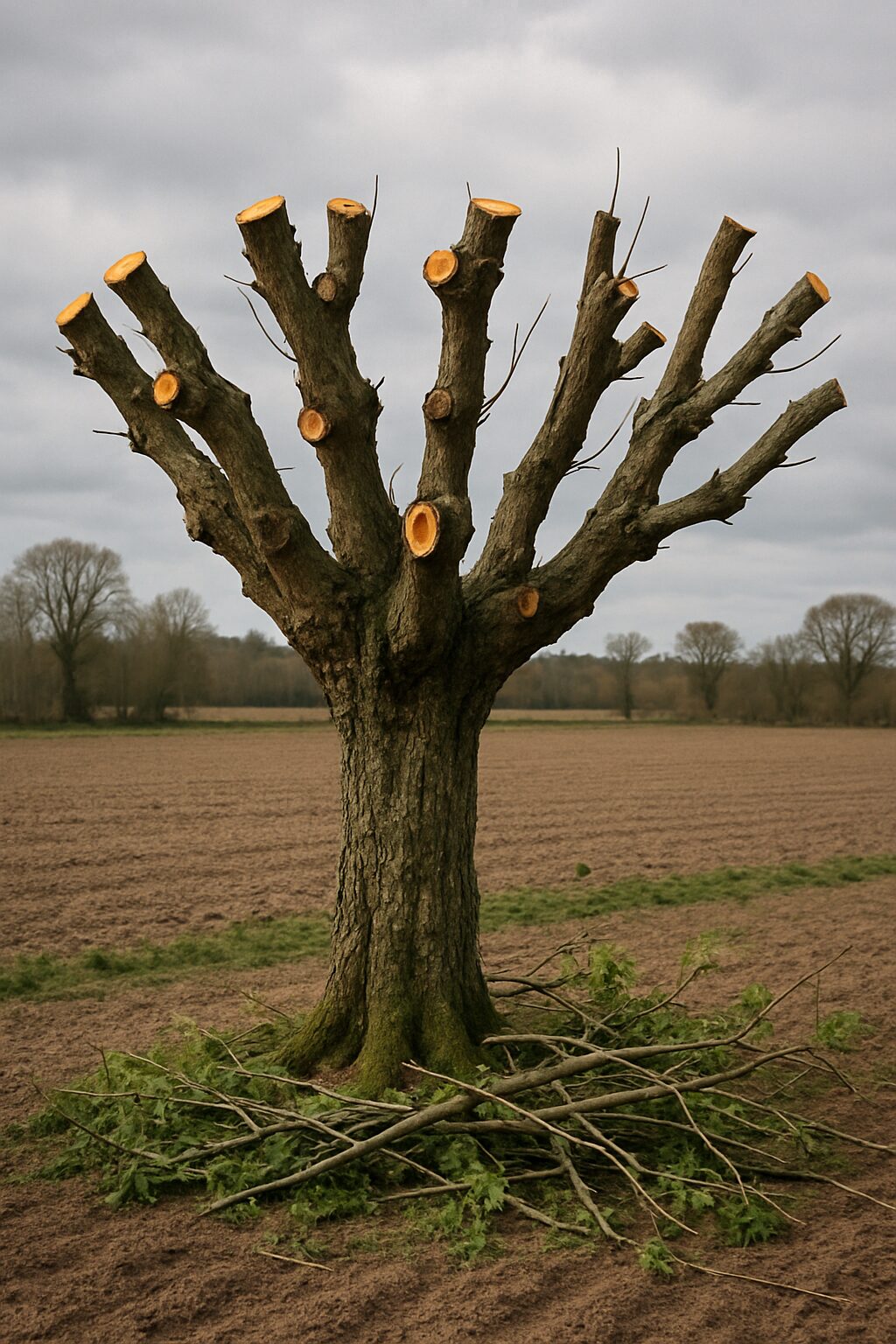
Pollarding is a way to trim trees by cutting branches back to the trunk. It helps control the size and shape of a tree.
This method keeps trees healthy and safe in areas with limited space. People use pollarding to manage trees in towns and parks.
Origins And History
Pollarding started many years ago, first used in Europe. Farmers used it to get wood and leaves without cutting down the tree.
The practice helped keep trees alive for a long time. It also created wood for tools and fuel while providing shade for animals.
How Pollarding Works
Pollarding cuts branches near the tree’s trunk each year or every few years. New shoots grow from the cut points.
This keeps the tree smaller and encourages strong, healthy growth. It also prevents large branches from falling.
- Cut branches back to main trunk or stems
- Allow new shoots to grow from the cuts
- Repeat trimming regularly to control size
- Helps trees live longer in small spaces
Common Tree Species
Some tree types respond well to pollarding. These trees can grow new shoots easily after cutting.
- Willow (Salix)
- Plane tree (Platanus)
- Oak (Quercus)
- Lime or linden (Tilia)
- Ash (Fraxinus)
Benefits Of Pollarding
Pollarding is a tree pruning method that cuts branches back to the main stem. It helps keep trees healthy and manageable.
This technique offers many benefits for trees and the environment around them.
Promotes Tree Health
Pollarding removes old and weak branches. This helps the tree grow new, strong shoots.
It also reduces the risk of disease by improving air flow through the branches.
Controls Tree Size
Pollarding keeps trees smaller and easier to manage. This is useful in crowded or urban areas.
It prevents trees from growing too tall and interfering with power lines or buildings.
Enhances Landscape Aesthetics
Pollarded trees have a neat and uniform shape. This adds order and style to gardens and parks.
The clean lines and rounded tops create a classic look that many people enjoy.
Supports Wildlife Habitats
New growth from pollarding provides fresh leaves and branches for animals. Birds and insects use these for food and shelter.
Pollarded trees can create diverse habitats and help support local wildlife.
Pollarding Techniques
Pollarding is a tree pruning method that controls growth and shape. It helps keep trees healthy and manageable in small spaces.
This technique involves cutting back branches to a set height, encouraging new shoots to grow from the same area.
Timing And Frequency
Pollarding should be done at the right time to avoid harming the tree. Late winter or early spring is best, before new growth starts.
Regular pruning every one to three years keeps the tree healthy and maintains its shape.
- Prune during the tree’s dormant season
- Keep to a consistent schedule
- Avoid pollarding in late summer or fall
- Check local guidelines for specific tree species
Tools Needed
Using the right tools makes pollarding safer and easier. Clean and sharp tools reduce damage to the tree.
| Tool | Purpose |
| Pruning saw | Cut thick branches |
| Hand pruners | Trim small shoots |
| Gloves | Protect hands |
| Ladder | Reach higher branches |
Step-by-step Process
Follow these steps to pollard a tree properly and safely.
- Wear protective gloves and safety gear.
- Remove any dead or damaged branches first.
- Cut back all branches to the chosen height, usually 6 to 10 feet.
- Make clean cuts just above a bud or branch collar.
- Clear away all cut branches and debris.
- Inspect the tree regularly and repeat pruning as needed.
Credit: www.thorstrees.co.uk
Challenges And Risks
Pollarding trees is a pruning method that cuts branches back to the main trunk. This practice can shape trees and control their size. It also brings several challenges and risks that need careful attention.
Understanding these risks helps keep trees healthy and prevents damage. The following sections explain the main problems linked to pollarding.
Potential Tree Damage
Pollarding can cause serious harm if not done right. Cutting too much weakens the tree. It can lead to cracks, splits, or even death. Old wounds may not heal well and become entry points for pests.
Repeated pollarding over years can reduce tree growth and vitality. The tree might lose its natural shape and strength. This damage can reduce the tree’s lifespan.
Pest And Disease Risks
Fresh cuts from pollarding invite pests and diseases. Open wounds allow fungi, bacteria, and insects to enter the tree. This can cause decay and infections that spread inside the wood.
- Insects like borers can damage the wood
- Fungal infections weaken the tree’s structure
- Bacterial diseases cause rot and leaf drop
- Pests may attack stressed or damaged trees more
Common Mistakes To Avoid
| Mistake | Effect |
|---|---|
| Cutting too close to the trunk | Damages bark and cambium, slows healing |
| Pollarding at the wrong season | Increases pest attacks and stress |
| Removing too many branches | Weakens tree and reduces food production |
| Ignoring tree health before pollarding | Can kill already weak or sick trees |
Pollarding In Urban Settings
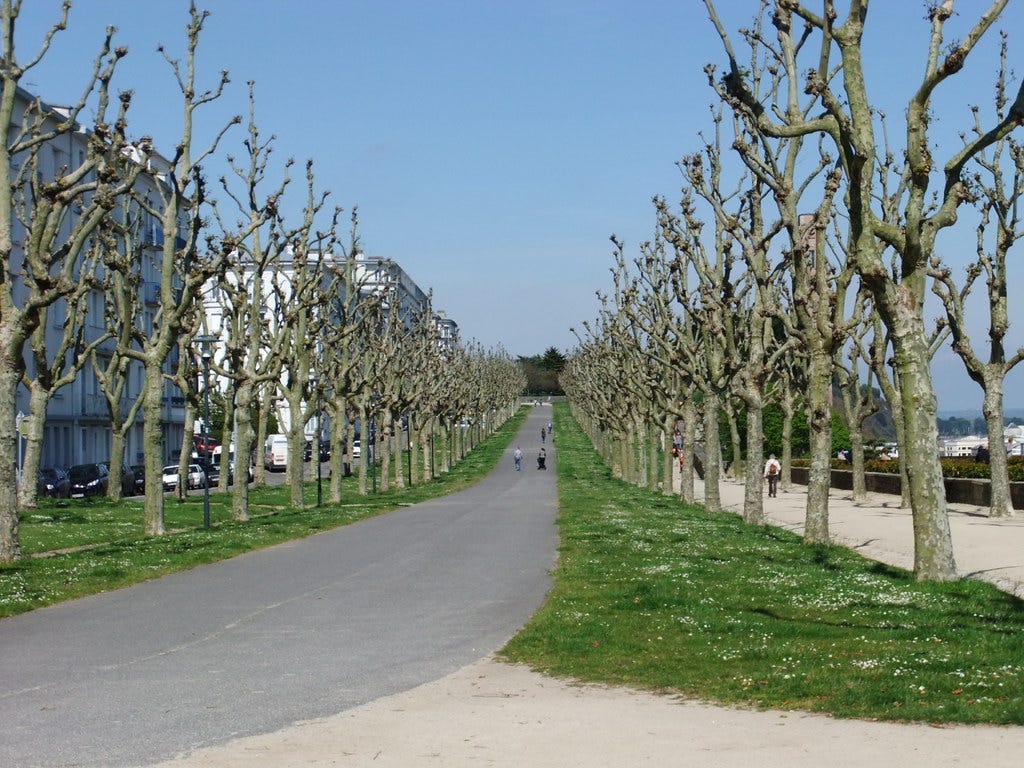
Pollarding is a tree pruning technique. It helps manage tree size and shape. In cities, pollarding keeps trees healthy and safe. It also helps trees fit in small spaces.
Urban areas face unique challenges. Pollarding can solve some of these issues. It is important for tree care in cities.
Managing Space Constraints
Cities have limited space for trees. Pollarding helps trees grow in small areas. It keeps trees from getting too big. This prevents trees from blocking roads or sidewalks.
Pollarding also helps manage tree roots. This is important to protect sidewalks and buildings. Regular pollarding keeps trees small and manageable.
- Smaller tree size fits urban spaces
- Prevents obstruction of infrastructure
- Controls root growth
Safety Considerations
Pollarded trees are safer in cities. Regular pruning reduces the risk of falling branches. This is important for busy streets and crowded areas.
Safe trees are less likely to cause accidents. Pollarding also helps with tree health. Healthy trees are stronger and more stable.
- Reduces risk of falling branches
- Improves tree health
- Enhances public safety
Regulations And Permissions
Pollarding in cities requires permission. City regulations control tree care. It is important to check local laws before starting pollarding.
Some trees may have special protection. In those cases, special permits are needed. Always follow local guidelines for tree care.
- Check local tree regulations
- Obtain necessary permits
- Follow guidelines for protected trees
Credit: www.colwynn.com
Maintaining Pollarded Trees
Pollarding is a method of tree pruning. It helps trees grow in a controlled manner. Maintaining pollarded trees is essential for their health.
Proper maintenance involves regular checks and care. This ensures the trees remain strong and healthy.
Regular Inspection
Check pollarded trees regularly. Look for signs of disease or pests. Inspect the branches and leaves.
- Watch for broken branches
- Check for unusual growths
- Look for discoloration of leaves
Pruning Tips
Pruning helps maintain the shape of the tree. It should be done when the tree is dormant. Use sharp tools for clean cuts.
- Trim branches back to the same point each year
- Avoid cutting too close to the main trunk
- Remove weak or crossing branches
Long-term Care
Long-term care is important for tree health. Provide water during dry spells. Keep the base of the tree clear of weeds.
- Water during dry weather
- Fertilize if the soil is poor
- Monitor growth patterns over time
Alternatives To Pollarding
Pollarding is a way to cut trees to keep them small. Some other ways can help manage trees too.
These options can be better for certain trees and places. They help keep trees healthy and safe.
Coppicing
Coppicing means cutting a tree near the ground. New shoots grow from the base after cutting.
This method helps trees live longer and produce wood or branches. It is good for some types of trees.
- Cut close to the ground
- New shoots grow each year
- Useful for wood and wildlife habitats
Standard Pruning
Standard pruning removes some branches to shape a tree. It helps keep the tree strong and healthy.
Pruning can improve air flow and let more light into the tree. It also reduces risks of falling branches.
- Cut dead or weak branches
- Shape the tree for better growth
- Prevent damage to property or people
Natural Growth Management
Natural growth management lets trees grow without heavy cutting. It works by guiding the tree’s shape gently.
This method supports wildlife and maintains the tree’s natural form. It needs less frequent trimming than pollarding.
- Allow branches to grow naturally
- Remove only damaged or dangerous parts
- Support local ecosystem and wildlife

Credit: www.reddit.com
Frequently Asked Questions
What Is Pollarding In Tree Care?
Pollarding is a pruning technique that cuts tree branches back to the trunk. It encourages new growth and maintains tree size. This method helps manage tree shape, promotes health, and prevents overcrowding in urban areas.
Why Do People Pollard Trees?
People pollard trees to control size, shape, and safety. It prevents branches from interfering with power lines or buildings. Pollarding also encourages healthy growth and extends a tree’s life by removing old, heavy limbs.
How Often Should Trees Be Pollarded?
Trees should be pollarded every 1 to 5 years, depending on species and growth rate. Regular pollarding maintains shape and health. Timing is crucial to avoid stress and encourage vigorous new growth.
Are All Tree Species Suitable For Pollarding?
Not all tree species respond well to pollarding. Commonly pollarded trees include willows, lindens, and planes. Species with strong regrowth ability and tolerance to pruning are best suited for this method.
Conclusion
Pollarding helps keep trees healthy and shaped well. It controls size and encourages new growth. This method suits urban and garden trees. Regular care after pollarding is very important. Trees live longer and look neat with pollarding. It is a simple way to manage tree growth.
Try pollarding to maintain your trees easily.
