
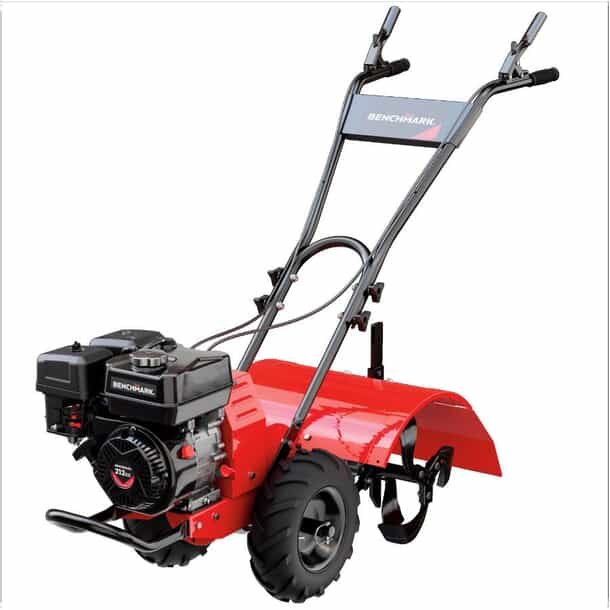
Are you ready to transform your garden into a thriving oasis? Understanding what a garden tiller is can make all the difference in how you prepare your soil and grow your plants.
Whether you’re starting fresh or maintaining your garden, a garden tiller is a powerful tool that can save you time and effort. You’ll discover exactly what a garden tiller does, why it’s essential for your gardening success, and how it can make your work easier and more enjoyable.
Keep reading to unlock the secret to healthier soil and a more beautiful garden!
Credit: www.familyhandyman.com
Garden Tillers Basics
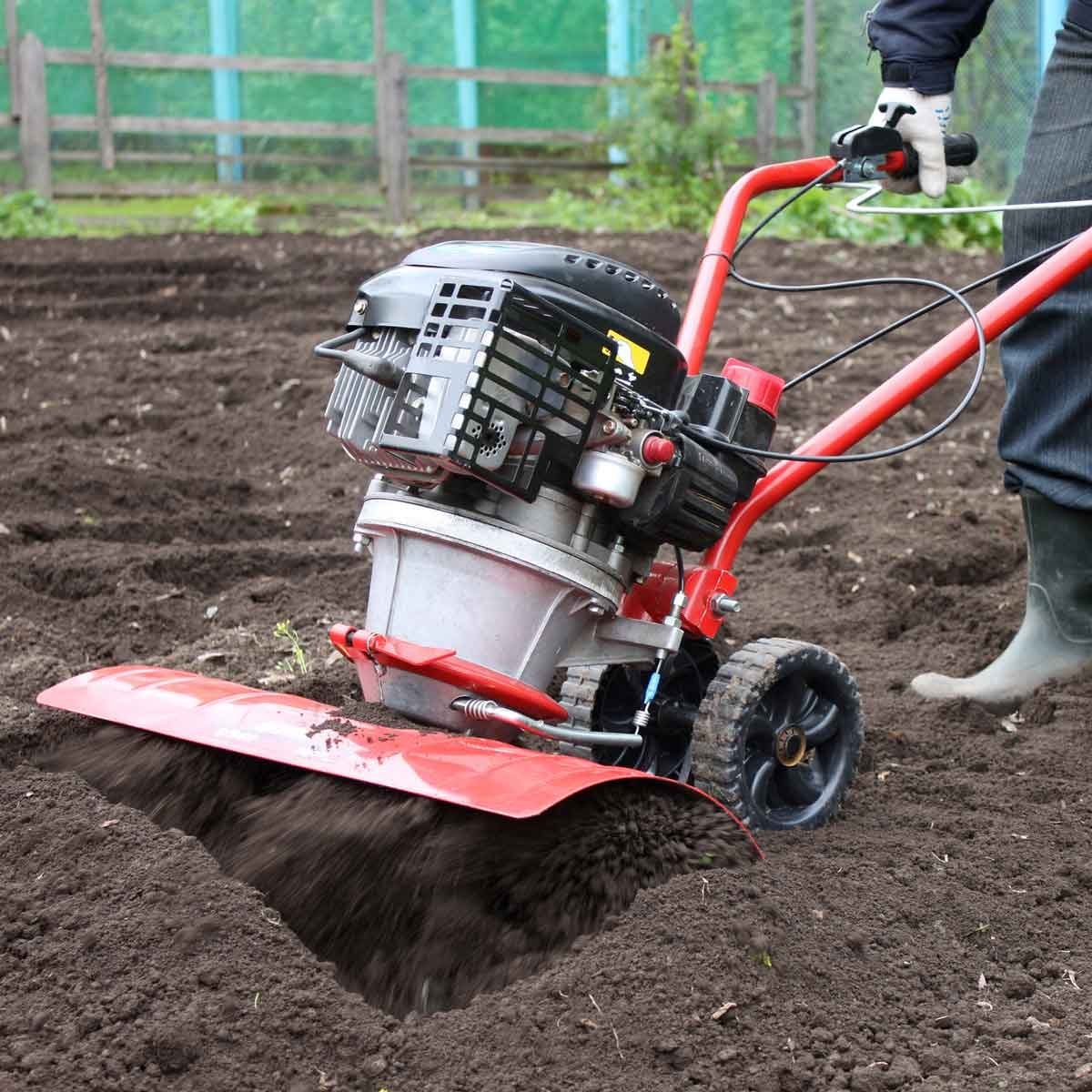
A garden tiller is a tool that breaks up soil for planting. It helps prepare the ground by loosening hard earth.
Using a tiller saves time and effort compared to hand digging. It is useful for both small and large gardens.
Types Of Garden Tillers
Garden tillers come in different styles to fit various gardening needs. They vary in size and power source.
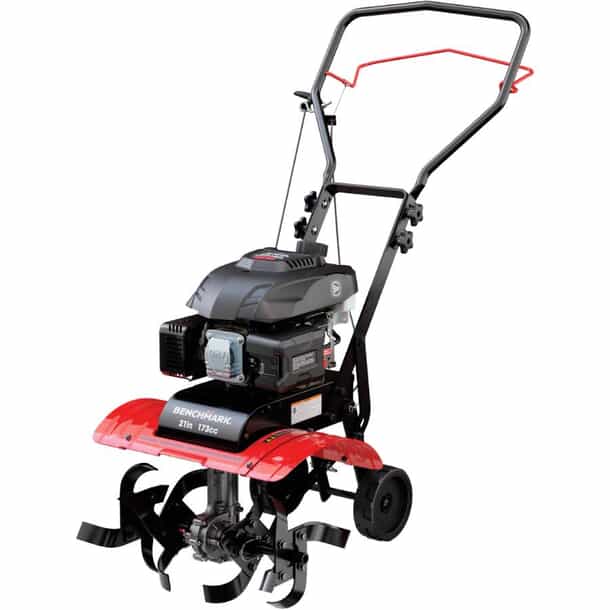
- Front-Tine Tillers:The tines are in front of the wheels, best for light digging and mixing soil.
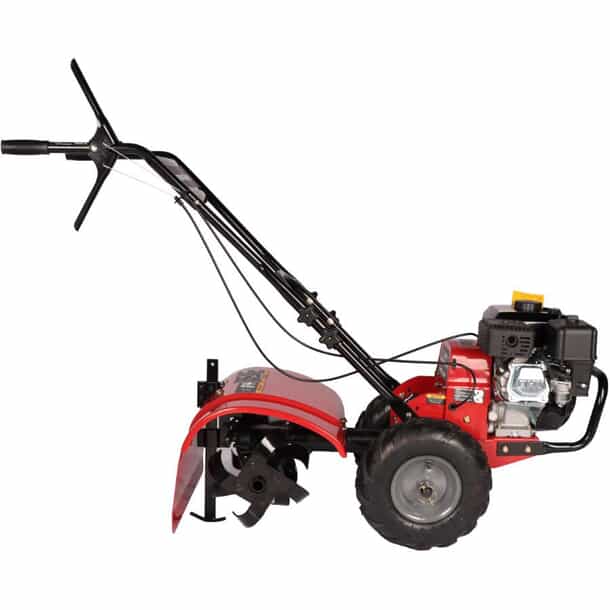
- Rear-Tine Tillers:The tines are behind the wheels, used for heavy soil and large areas.
- Cultivators:Smaller and lighter, perfect for weeding and stirring soil between plants.
- Electric Tillers:Powered by electricity, quieter and good for small gardens.
- Gas Tillers:Use gasoline, offer more power for tough soil and bigger jobs.
How Garden Tillers Work
Garden tillers use rotating blades called tines to dig into the soil. These blades turn to break up dirt.
The machine moves forward as the tines dig, mixing air and nutrients into the soil. This helps plants grow better.
Key Components
| Component | Function |
| Engine or Motor | Provides power to rotate the tines |
| Tines | Rotate to dig and turn over soil |
| Handlebars | Allow the user to steer and control the tiller |
| Wheels | Help move the tiller forward or backward |
| Depth Adjuster | Controls how deep the tines dig into the soil |
Choosing The Right Tiller
A garden tiller helps prepare soil for planting. Picking the right tiller makes your gardening easier and more efficient.
This guide explains important points to consider before buying a tiller. Look at size, power, fuel type, and features.
Size And Power Options
Tillers come in small, medium, and large sizes. Small tillers work well for light soil and small gardens. Large tillers handle tough soil and bigger areas.
Power varies from electric motors to gas engines. Choose power based on soil type and garden size. Stronger tillers cut through hard soil easier.
Gas Vs Electric Tillers
| Type | Pros | Cons |
| Gas | More power, good for large gardens | Louder, needs fuel, heavier |
| Electric | Quieter, lighter, less maintenance | Limited power, needs outlet or battery |
Gas tillers suit big jobs and rough soil. Electric tillers fit small gardens and soft soil. Think about where you will use the tiller.
Features To Consider
- Adjustable tines for different soil depths
- Forward and reverse gears for ease of use
- Wide handles for better control
- Easy start systems to save effort
- Lightweight design for mobility
These features improve how you use the tiller. Choose what fits your garden size and your strength.
Preparing Your Soil
A garden tiller helps break up hard soil. This makes planting easier and helps plants grow well.
Using a tiller prepares your garden bed by mixing nutrients and loosening the earth. Good soil prep leads to a better harvest.
When To Till Your Garden
Tilling is best done in early spring before planting. This gives roots space to grow.
Do not till when the soil is very wet or frozen. Wait for dry, soft soil for best results.
Soil Conditions For Tilling
Good soil for tilling should be moist but not muddy. Dry soil is hard to break up.
Check soil texture by squeezing a handful. It should hold shape but crumble easily.
- Moist soil tilts easily
- Wet soil clumps and compacts
- Dry soil is tough to till
Safety Tips For Soil Prep
Always wear gloves and sturdy shoes while tilling. This protects your hands and feet.
Keep your hands away from moving parts of the tiller. Turn off the machine before adjusting it.
- Wear safety glasses to protect your eyes
- Use ear protection if the tiller is loud
- Clear rocks and debris before tilling
Using A Garden Tiller
A garden tiller helps break up soil to prepare your garden for planting. It makes soil soft and easy to work with.
Using a tiller saves time and effort compared to digging by hand. It is useful for both small and large gardens.
Step-by-step Operation
Start by reading the tiller’s manual to understand its parts and safety tips. Wear gloves and sturdy shoes before using it.
Turn on the tiller and hold it firmly. Slowly guide it over your garden soil in straight lines. Overlap each pass slightly to till all soil evenly.
- Clear rocks and debris from the soil first
- Keep a steady speed and avoid rushing
- Make multiple passes for hard soil
- Turn off and clean tiller after use
Techniques For Different Soil Types
Soft soil needs light tilling to avoid overworking it. Hard or compact soil requires more effort and passes to break up.
Sandy soil tills easily but can dry out fast. Add moisture before tilling to help soil hold nutrients better.
- Clay soil: Till slowly and in small sections
- Loamy soil: Use moderate speed and depth
- Sandy soil: Till gently to avoid erosion
Common Mistakes To Avoid
Do not till soil when it is too wet. Wet soil can clump and damage soil structure. Wait for dry conditions.
Avoid tilling too deep. It can bring weeds and damage earthworms. Keep tilling shallow for best results.
- Skipping safety gear like gloves and boots
- Rushing and losing control of the tiller
- Ignoring soil type and moisture levels
- Not cleaning the tiller after use
Maintaining Your Tiller
Keeping your garden tiller in good shape helps it work better and last longer. Regular care stops problems and saves money.
Simple maintenance tasks can keep your tiller ready for the next gardening job. Let’s look at how to clean, store, and fix common issues.
Cleaning And Storage
After using your tiller, remove dirt and debris. This keeps parts from wearing out or rusting. Clean your tiller with a brush or hose.
Store your tiller in a dry place. Cover it to keep dust and moisture away. Drain fuel if you plan to store it for a long time.
- Brush off soil and grass
- Wash with water but avoid the engine
- Dry the tiller completely
- Store indoors or under a cover
- Empty the fuel tank for long storage
Routine Maintenance Tasks
Check your tiller often to keep it running well. Look at the oil, air filter, and spark plug. Change or clean them as needed.
Keep the blades sharp and tight. Loose or dull blades make tilling hard and can damage the machine.
- Check and change engine oil regularly
- Clean or replace the air filter
- Inspect and clean the spark plug
- Sharpen tiller blades
- Tighten all bolts and screws
Troubleshooting Common Issues
If your tiller won’t start, check the fuel and spark plug first. Dirty parts or old fuel can cause problems.
If the tiller runs rough or stalls, clean the carburetor and air filter. Also, check for loose parts or worn blades.
- Tiller won’t start: Check fuel and spark plug
- Engine runs rough: Clean carburetor and air filter
- Machine shakes: Tighten loose parts
- Blades not turning well: Sharpen or replace blades
Credit: www.homehardware.ca
Benefits Of Using A Tiller
A garden tiller is a tool that helps prepare the soil for planting. It is used to break up hard soil, mix in nutrients, and make planting easier.
Tillers can save time and energy while improving soil and plant growth. Let’s explore the benefits of using a tiller in your garden.
Time And Effort Savings
Using a garden tiller can reduce the time you spend preparing your soil. It helps to quickly break up the soil, which is much faster than using a shovel or hoe.
With a tiller, you can cover large areas in less time. This makes it easier to keep your garden well-prepared for planting.
Improved Soil Health
Tillers help mix organic matter into the soil. This improves soil health by adding nutrients and promoting better water drainage.
Healthy soil supports strong root growth for plants. It also helps control weeds by turning them under the soil.
Enhanced Plant Growth
Well-tilled soil allows plants to grow better. It creates a loose soil structure, which helps roots spread easily and access nutrients.
Plants in well-prepared soil often grow stronger and produce more fruits and flowers. This makes your garden more productive and beautiful.
- Loose soil structure aids root expansion
- Improved nutrient access boosts plant health
- Better water retention supports plant growth
Credit: www.homehardware.ca
Frequently Asked Questions
What Is A Garden Tiller Used For?
A garden tiller breaks up soil to prepare for planting. It improves soil aeration and mixes nutrients evenly. This tool saves time and effort in garden maintenance.
How Does A Garden Tiller Work?
A garden tiller uses rotating blades to dig into soil. It loosens compacted earth and turns it over. This action creates a fine, workable soil bed for seeds.
What Types Of Garden Tillers Are Available?
There are gas-powered, electric, and manual garden tillers. Gas tillers are powerful for large areas. Electric tillers suit smaller gardens. Manual tillers are best for light soil work.
Can A Garden Tiller Improve Soil Health?
Yes, tilling aerates soil and mixes organic matter. It promotes better root growth and water absorption. Proper tilling helps maintain a healthy garden ecosystem.
Conclusion
A garden tiller makes soil preparation easier and faster. It breaks up hard ground and mixes nutrients well. Using a tiller helps plants grow strong and healthy. Small or large gardens both benefit from this tool. Choosing the right tiller depends on your garden size.
Regular use keeps your soil loose and ready to plant. This simple machine saves time and effort in gardening. A garden tiller is a helpful tool for any gardener.
