
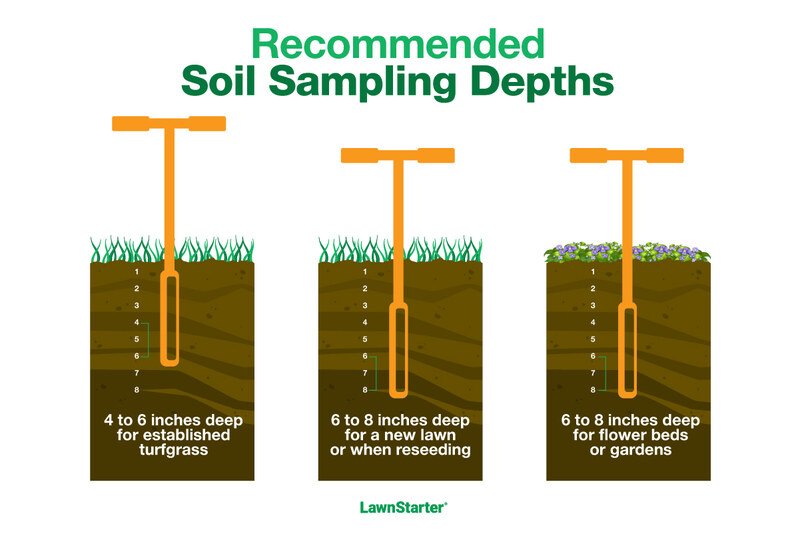
Have you ever wondered what’s really in the soil beneath your feet? Understanding what a soil test measures can unlock the secrets to healthier plants, bigger gardens, and more productive crops.
When you know exactly what your soil needs, you can make smarter choices that save time, money, and effort. This article will guide you through the simple but powerful insights a soil test provides—so you can take control of your garden or farm and watch it thrive like never before.
Keep reading to discover what a soil test can reveal about your soil and why it matters to you.
Soil Nutrient Levels
Soil tests check the nutrient levels in soil. These nutrients help plants grow strong and healthy.
Knowing the nutrient levels helps farmers and gardeners add the right fertilizers. This keeps plants healthy and improves crop yield.
Macronutrients: Nitrogen
Nitrogen is a key nutrient for plants. It helps leaves grow and makes plants green.
Soil tests measure nitrogen to see if plants have enough for strong growth. Low nitrogen can cause yellow leaves.
Macronutrients: Phosphorus
Phosphorus helps plants build roots and flowers. It also helps produce energy for growth.
Testing phosphorus shows if soil supports good root development and flower production. Low phosphorus slows plant growth.
Macronutrients: Potassium
Potassium helps plants resist disease and survive harsh weather. It also improves fruit and flower quality.
Soil tests check potassium levels to ensure plants stay healthy and strong. Low potassium weakens plants.
Micronutrients: Essential Trace Elements
Micronutrients are small amounts of nutrients plants need. They include iron, zinc, copper, and manganese.
Soil tests measure these trace elements to prevent deficiencies. Even small shortages can affect plant health.
- Iron helps with chlorophyll and green color.
- Zinc supports growth and enzyme function.
- Copper aids in photosynthesis and disease resistance.
- Manganese helps with nutrient absorption.

Credit: collegeofems.com
Soil Ph And Acidity
Soil tests measure many things that affect plant health. One important factor is soil pH and acidity.
Soil pH shows how acidic or alkaline the soil is. This affects how plants take nutrients from the soil.
Impact Of Ph On Plant Growth
Soil pH influences plant growth by affecting nutrient availability. Some nutrients dissolve better at certain pH levels.
If the soil is too acidic or too alkaline, plants may struggle to absorb nutrients. This can slow growth and reduce yields.
- Low pH (acidic soil) can cause aluminum and manganese to be toxic
- High pH (alkaline soil) can block iron and phosphorus uptake
- Most plants prefer pH between 6.0 and 7.5
Adjusting Soil Ph For Optimal Results
Testing soil pH helps decide if adjustment is needed. Changing pH improves plant nutrient uptake.
Lime is added to raise pH in acidic soils. Sulfur lowers pH in alkaline soils.
- Add lime to acidic soil to reduce acidity
- Add sulfur to alkaline soil to increase acidity
- Test soil pH regularly to track changes
- Follow recommended application rates for best results
Soil Texture And Composition
Soil texture shows the mix of sand, silt, and clay in soil. It affects how soil holds water and air.
Knowing the soil texture helps gardeners and farmers choose the right plants and care methods.
Sand, Silt, And Clay Proportions
Soil is made of three main parts: sand, silt, and clay. Each has different sizes and feels.
- Sandparticles are the largest and feel gritty.
- Siltparticles are medium-sized and feel smooth.
- Clayparticles are the smallest and feel sticky.
The proportions of these parts change soil texture from sandy to clayey. This mix affects plant growth.
Effect On Water Retention And Drainage
| Soil Type | Water Retention | Drainage |
| Sandy Soil | Low | High |
| Silty Soil | Medium | Medium |
| Clay Soil | High | Low |
Sandy soil drains water quickly but holds little water. Clay soil keeps water well but drains slowly. Silty soil is in between both.
Organic Matter Content
Soil tests measure the amount of organic matter in the soil. Organic matter is made of dead plants and animals.
It is very important for healthy soil and plant growth. Knowing the organic matter content helps farmers and gardeners.
Role In Nutrient Supply
Organic matter stores nutrients that plants need. It slowly releases these nutrients into the soil.
This helps plants get a steady supply of food for growth. Nutrients like nitrogen, phosphorus, and sulfur come from organic matter.
- Holds nutrients to prevent them from washing away
- Feeds soil microbes that help break down nutrients
- Improves nutrient availability for plant roots
Improving Soil Health With Organic Matter
Adding organic matter makes soil better. It improves soil structure and helps it hold water.
Healthy soil supports more microbes and worms. These creatures keep the soil alive and fertile.
- Increases water retention to reduce drought stress
- Improves soil aeration for root growth
- Supports beneficial organisms that fight plant diseases
Contaminants And Toxins
Soil tests check for harmful substances that may be in the ground. These contaminants can affect plant growth and health.
Testing soil helps identify toxins that could be dangerous to people, animals, and the environment.
Common Soil Contaminants
Soil can contain many types of contaminants. These come from human activities or natural sources.
- Heavy metals like lead, arsenic, and mercury
- Pesticides and herbicides from farming
- Petroleum products such as oil and gasoline
- Industrial chemicals and waste materials
- Excess salts that harm plants
These contaminants can stay in the soil for a long time. They may cause health problems or damage plants.
Testing For Heavy Metals And Chemicals
Soil tests look for heavy metals that can poison plants and animals. Testing also finds harmful chemicals from pollution.
Samples are taken from different soil layers. Labs use special tools to measure toxin levels accurately.
- Lead tests check for paint and gasoline residues
- Arsenic tests find chemicals from pesticides
- Mercury tests detect industrial pollution
- Pesticide tests measure leftover farming chemicals
- Oil and chemical tests find spills and leaks
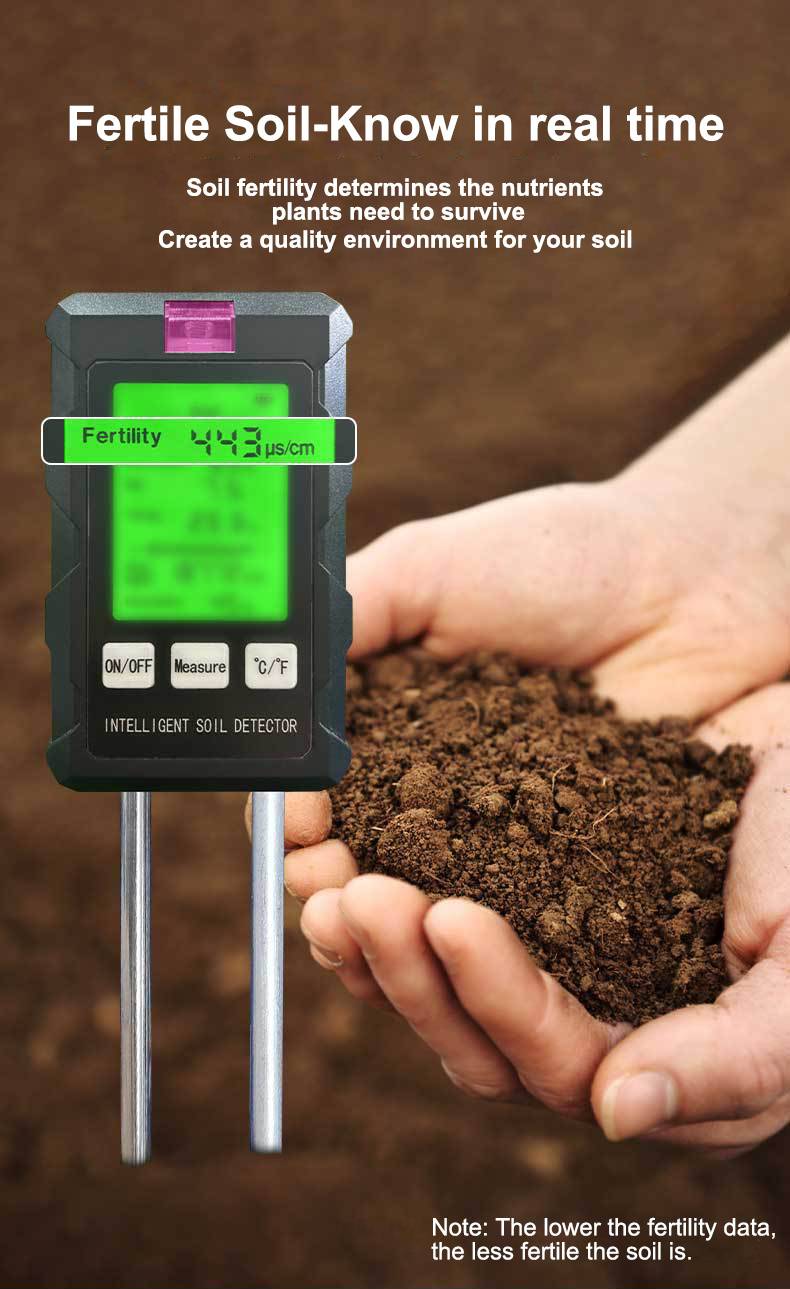
Results show if soil is safe for gardening or needs cleaning. Testing helps protect health and the environment.
Credit: www.spicsoft.com
Interpreting Soil Test Results
Soil tests help you understand your garden’s nutrient needs. They provide data on elements like nitrogen, phosphorus, and potassium. Knowing how to read these results can improve your gardening.
In this guide, we explore how to interpret soil test results and apply the findings for better plant health. Understanding these results helps tailor your fertilizer applications effectively.
Reading Nutrient Reports
Nutrient reports show levels of essential elements in the soil. They often include pH levels and organic matter content. These reports are crucial for creating a balanced soil environment.
- Nitrogen: Affects plant growth and leaf development.
- Phosphorus: Important for root and flower health.
- Potassium: Helps with disease resistance and water regulation.
- pH Level: Indicates soil acidity or alkalinity.
- Organic Matter: Shows the amount of decomposed plant and animal material.
Tailoring Fertilizer Applications
Once you understand your soil’s nutrient needs, you can tailor fertilizer applications. This ensures plants get the nutrients they need without over-fertilizing. Proper application enhances growth and reduces waste.
| Soil Component | Fertilizer Type |
| Low Nitrogen | Nitrogen-rich fertilizer |
| Low Phosphorus | Phosphorus-rich fertilizer |
| Low Potassium | Potassium-rich fertilizer |
| High pH | Sulfur to lower pH |
| Low Organic Matter | Compost or organic matter |

Credit: www.amazon.ca
Frequently Asked Questions
What Nutrients Does A Soil Test Measure?
A soil test measures key nutrients like nitrogen, phosphorus, potassium, calcium, magnesium, and sulfur. These nutrients are essential for healthy plant growth and soil fertility.
How Does Soil Ph Affect Test Results?
Soil pH indicates acidity or alkalinity, affecting nutrient availability. A balanced pH ensures plants absorb nutrients efficiently.
Why Is Soil Texture Important In Testing?
Soil texture, including sand, silt, and clay proportions, influences water retention and nutrient holding capacity. It helps guide soil management practices.
Can Soil Tests Detect Contaminants Or Toxins?
Standard soil tests mainly measure nutrients and pH. Specialized tests are required to detect contaminants like heavy metals or pesticides.
Conclusion
A soil test shows what nutrients your soil needs. It checks pH levels, minerals, and organic matter. Knowing this helps plants grow healthy and strong. You save money by adding only what is needed. Soil tests also prevent over-fertilizing and pollution.
Regular testing keeps your garden or farm productive. Simple steps lead to better soil and better crops. Test your soil and watch your plants thrive. Easy, smart, and effective for every gardener or farmer.
