
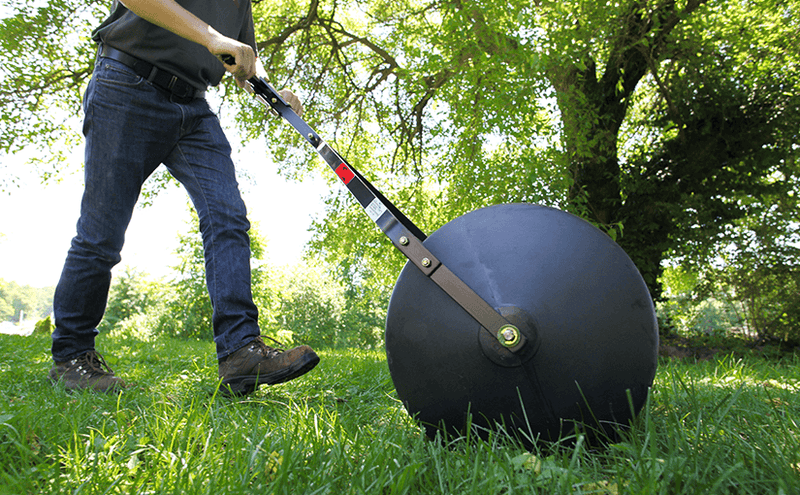
Have you ever wondered how to make your lawn look perfectly smooth and well-kept? Whether you’re dealing with uneven ground, freshly seeded grass, or just want that professional finish, a lawn roller could be the tool you need.
But what exactly is a lawn roller, and how can it help transform your yard? Keep reading to discover how this simple device can make a big difference in the health and appearance of your lawn—and why it might be the secret weapon your garden has been missing.
Credit: www.aosom.com
Purpose Of A Lawn Roller
A lawn roller is a tool used to flatten the ground. It helps make your lawn smooth and even.
People use lawn rollers to prepare soil before planting seeds or laying sod. It improves the look and health of the lawn.
Smoothing Uneven Surfaces
Lawn rollers press down bumps and fill small holes. This makes the surface flat and easier to mow.
A smooth lawn helps prevent accidents and improves the lawn’s appearance. It also supports better water drainage.
Improving Seed-to-soil Contact
After spreading grass seeds, a lawn roller presses seeds into the soil. This helps seeds stay in place and grow well.
Good seed-to-soil contact means seeds get enough moisture and warmth. It leads to faster and stronger grass growth.
Preparing Soil For Sod Installation
Before laying sod, a lawn roller firms the soil surface. This stops the sod from sinking or shifting later.
Firm soil under the sod helps roots grow deep and fast. It makes the new lawn healthy and stable.
Types Of Lawn Rollers
Lawn rollers help flatten soil and grass for a smooth yard. They press down bumps and improve seed contact.
There are different types of lawn rollers to suit your needs. Each type works in a unique way.
Manual Lawn Rollers
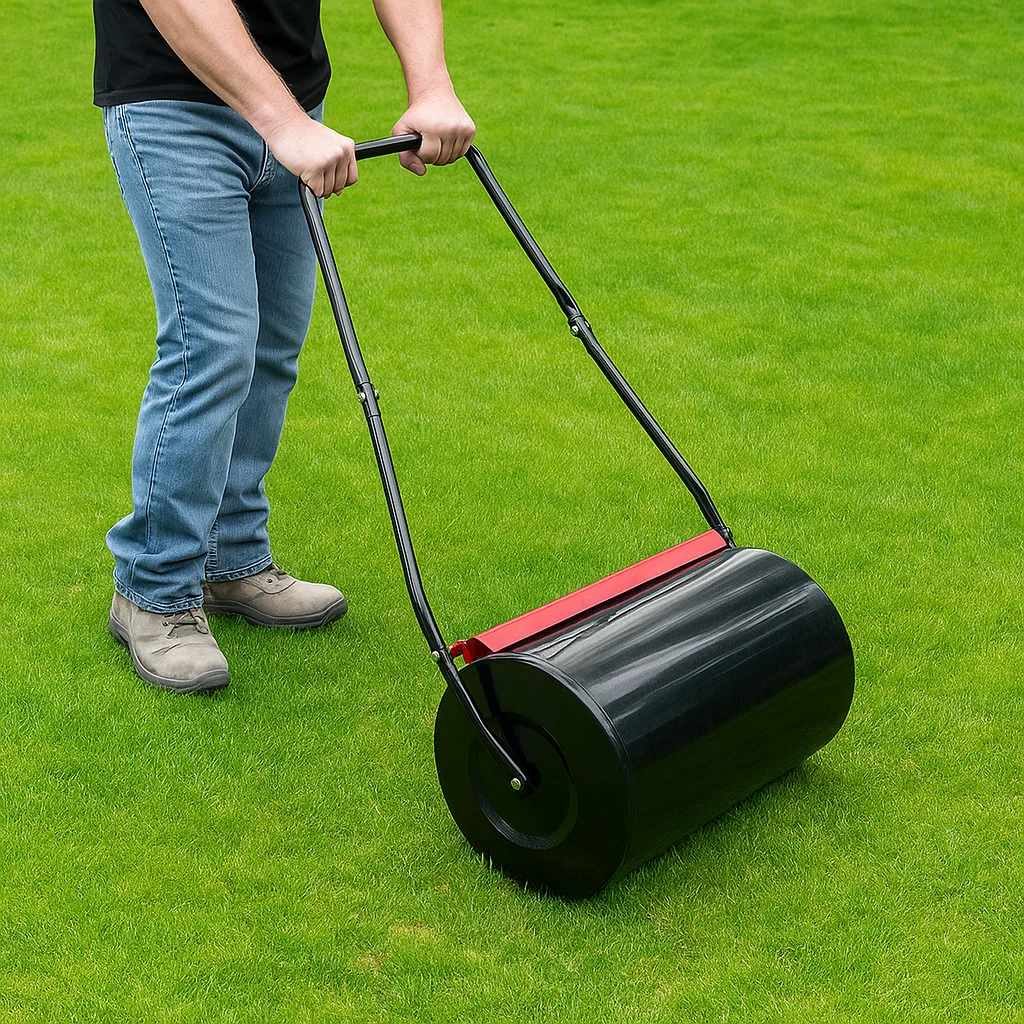
Manual lawn rollers are pushed by hand. They are simple and do not need fuel or electricity.
These rollers are best for small yards or light jobs. They usually have a hollow drum that you can fill with water or sand to add weight.
- Easy to use and maintain
- Good for small areas
- Adjustable weight by filling the drum
- No fuel or power needed
Tow-behind Lawn Rollers
Tow-behind lawn rollers attach to a lawn tractor or ATV. They cover larger areas faster than manual rollers.
These rollers have a bigger drum and more weight. They are ideal for medium to large lawns and fields.
- Requires a tractor or ATV to pull
- Good for bigger lawns
- Heavy drums for better compaction
- Can handle rough terrain
Powered Lawn Rollers
Powered lawn rollers have their own engine. They do not need a tractor or manual pushing.
These rollers are best for large jobs and professional use. They offer more control and power for tough soil.
- Self-powered with an engine
- Easy to operate alone
- Good for heavy compaction
- Used in landscaping and construction
How To Use A Lawn Roller
A lawn roller is a tool used to flatten uneven ground. It helps press seeds and soil after planting. Using it properly improves your lawn’s look and health.
This guide explains when to roll your lawn, how to do it step-by-step, and safety tips to follow.
When To Roll Your Lawn
Roll your lawn after seeding to press seeds into the soil. It also helps smooth bumps and remove air pockets. Avoid rolling wet or soggy lawns because it can damage the grass.
Use a lawn roller in early spring or fall. These seasons help the soil settle and the grass grow well after rolling.
- After planting grass seeds
- To smooth uneven ground
- When soil is dry but not hard
- In early spring or fall
Step-by-step Rolling Process
Start by filling the roller with water or sand for weight. Check the soil moisture to make sure it is not too wet. Then, roll the lawn slowly in straight lines. Overlap each pass slightly for even results.
Roll the lawn in one direction first. Next, roll at a right angle to the first direction. This helps the soil settle evenly and prevents bumps.
- Fill the roller with water or sand
- Check soil moisture
- Roll slowly in straight lines
- Overlap passes slightly
- Roll again at a right angle
Safety Tips
Wear sturdy shoes to protect your feet. Avoid rolling on steep slopes to prevent slipping. Do not overfill the roller; it should be heavy but easy to control.
Keep children and pets away while rolling. Store the roller safely after use to avoid accidents.
- Wear sturdy shoes
- Avoid steep slopes
- Do not overfill the roller
- Keep children and pets away
- Store roller safely after use
Benefits Of Using A Lawn Roller
A lawn roller is a simple tool that helps flatten your lawn. It is usually a heavy cylinder you push or pull over the grass.
Using a lawn roller has many benefits for your yard. It can improve the look and health of your lawn.
Enhanced Lawn Appearance
A lawn roller smooths out bumps and uneven spots. This makes your lawn look neat and tidy.
Rolling helps seeds touch the soil better. This leads to even grass growth and a fuller lawn.
Reduced Soil Erosion
Using a lawn roller compacts the soil lightly. This stops soil from washing away during rain.
It also helps roots stay strong by holding soil in place. This keeps your lawn healthy and green.
Better Lawn Maintenance
A flat lawn is easier to mow and care for. Lawn rollers make it simple to keep your grass neat.
Rolling can also fix small holes or damage quickly. This reduces the chance of weeds growing.
Potential Drawbacks And Precautions
A lawn roller is a tool used to flatten soil and grass. While it helps smooth the lawn, it can cause some problems if not used correctly.
Understanding the risks and taking precautions can keep your lawn healthy and avoid damage from rolling.
Avoiding Soil Compaction
Using a lawn roller too much can compact the soil. Compacted soil stops air and water from reaching roots. This makes it hard for grass to grow well.
To avoid soil compaction, use the roller lightly and only when needed. Avoid rolling wet soil because it compacts more easily.
- Roll only firm soil, not wet or soft ground
- Do not roll the same area repeatedly
- Use a lighter roller for small lawns
- Check soil moisture before rolling
Proper Timing To Prevent Damage
Timing your lawn rolling is important. Rolling at the wrong time can harm your grass and soil.
Roll your lawn when the grass is dry and growing actively. Avoid rolling during drought or extreme heat, as this stresses the grass.
- Roll in early spring or fall for best results
- Do not roll during drought or heat waves
- Wait until grass has recovered from winter
- Roll when soil is dry but not too hard

Credit: www.garant.com
Choosing The Right Lawn Roller
A lawn roller is a handy tool for maintaining a smooth and even lawn. It helps to flatten the soil, ensuring a neat appearance.
Choosing the right lawn roller can enhance your lawn care routine. Consider size, weight, material, and cost to find the best fit for your needs.
Size And Weight Considerations
The size and weight of a lawn roller affect its usability. Larger rollers cover more ground but may be heavier to push.
- Small rollers are easy to maneuver but take longer to cover large areas.
- Medium rollers balance size and ease of use.
- Large rollers are efficient for big lawns but need more strength to operate.
Material And Durability
Lawn rollers come in various materials. Each material offers different durability and maintenance levels.
| Material | Durability |
| Plastic | Lightweight, less durable |
| Steel | Heavy, very durable |
| Polyethylene | Moderate weight, good durability |
Budget And Cost Factors
Budget plays a role in selecting a lawn roller. Prices vary based on features and material.
Consider what features are essential within your budget. A simple roller might be more cost-effective than one with additional features.

Credit: www.amazon.ca
Frequently Asked Questions
What Is The Main Purpose Of A Lawn Roller?
A lawn roller compacts soil and levels uneven ground. It helps create a smooth, firm lawn surface. This tool is often used after seeding or sod installation to ensure good soil contact and promote healthy grass growth.
How Do You Use A Lawn Roller Effectively?
Fill the roller with water or sand for weight. Roll slowly across the lawn in overlapping rows. Avoid over-compacting, which can harm grass roots. Use after seeding or filling holes for best results.
When Should I Use A Lawn Roller On My Lawn?
Use a lawn roller after seeding, sod laying, or filling holes. It helps press seeds and soil firmly together. Avoid rolling when soil is too wet to prevent compaction damage.
Can A Lawn Roller Improve Lawn Health?
Yes, by leveling the surface, it promotes even water and nutrient absorption. It also helps seeds establish better contact with soil. However, overuse can compact soil and harm root growth.
Conclusion
A lawn roller helps smooth and flatten your yard easily. It presses down soil and grass for a neat look. Use it after planting seeds or fixing bumps. Rollers come in different sizes to fit your lawn needs. Regular use keeps your lawn healthy and even.
Simple tool, big difference in lawn care. Try one to see the results yourself. Your grass will thank you for the extra care.
