
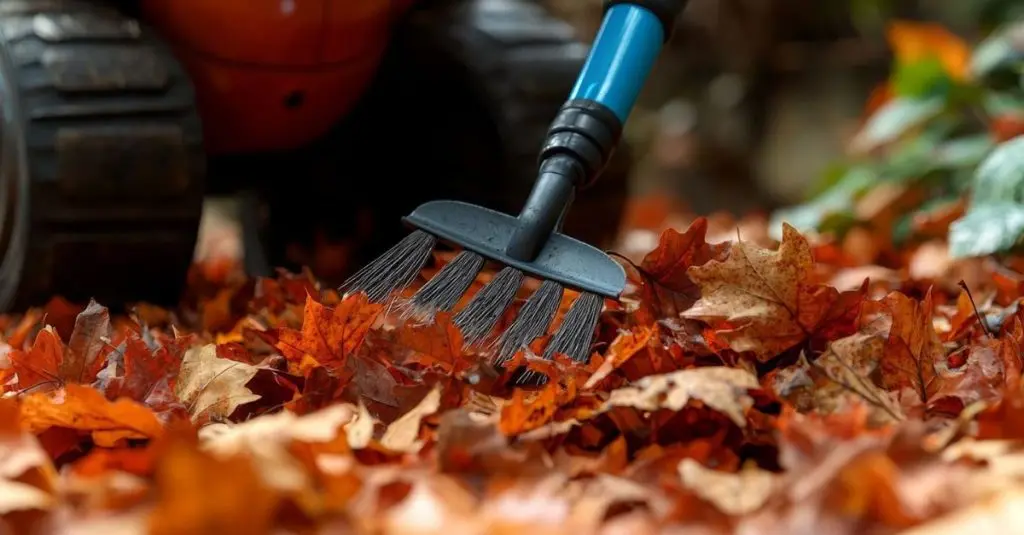
Is your lawn sweeper not picking up leaves and debris as well as it should? You might be surprised how a few simple adjustments can make a big difference.
Knowing how to adjust your lawn sweeper correctly saves you time and effort, giving your yard a cleaner, healthier look. In this guide, you’ll learn easy steps to fine-tune your lawn sweeper, so it works just right every time you use it.
Keep reading to discover how small tweaks can lead to a spotless lawn with less hassle.
Credit: brinly.com
Choosing The Right Lawn Sweeper
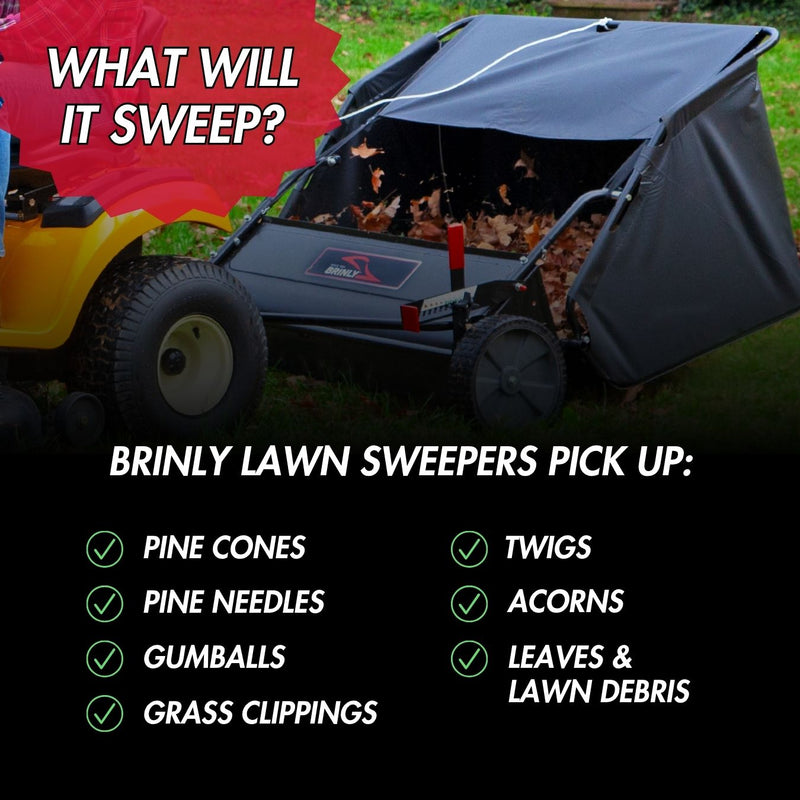
Choosing a lawn sweeper helps keep your yard clean and neat. It picks up leaves, grass clippings, and small debris. Picking the right one makes your work easier.
Different lawn sweepers fit different yard sizes and needs. Knowing the types and features helps you select the best tool for your lawn.
Types Of Lawn Sweepers
Lawn sweepers come in a few types. Each type works well in certain conditions. Here are the common kinds:
- Push Lawn Sweepers:You push these by hand. They work best on small to medium lawns.
- Tow Lawn Sweepers:These attach to a lawn tractor or ATV. They are good for large areas.
- Electric Lawn Sweepers:Powered by electricity, these are light and easy to use on small yards.
- Gas-Powered Lawn Sweepers:Strong and fast for big lawns, but heavier and need fuel.
Key Features To Consider
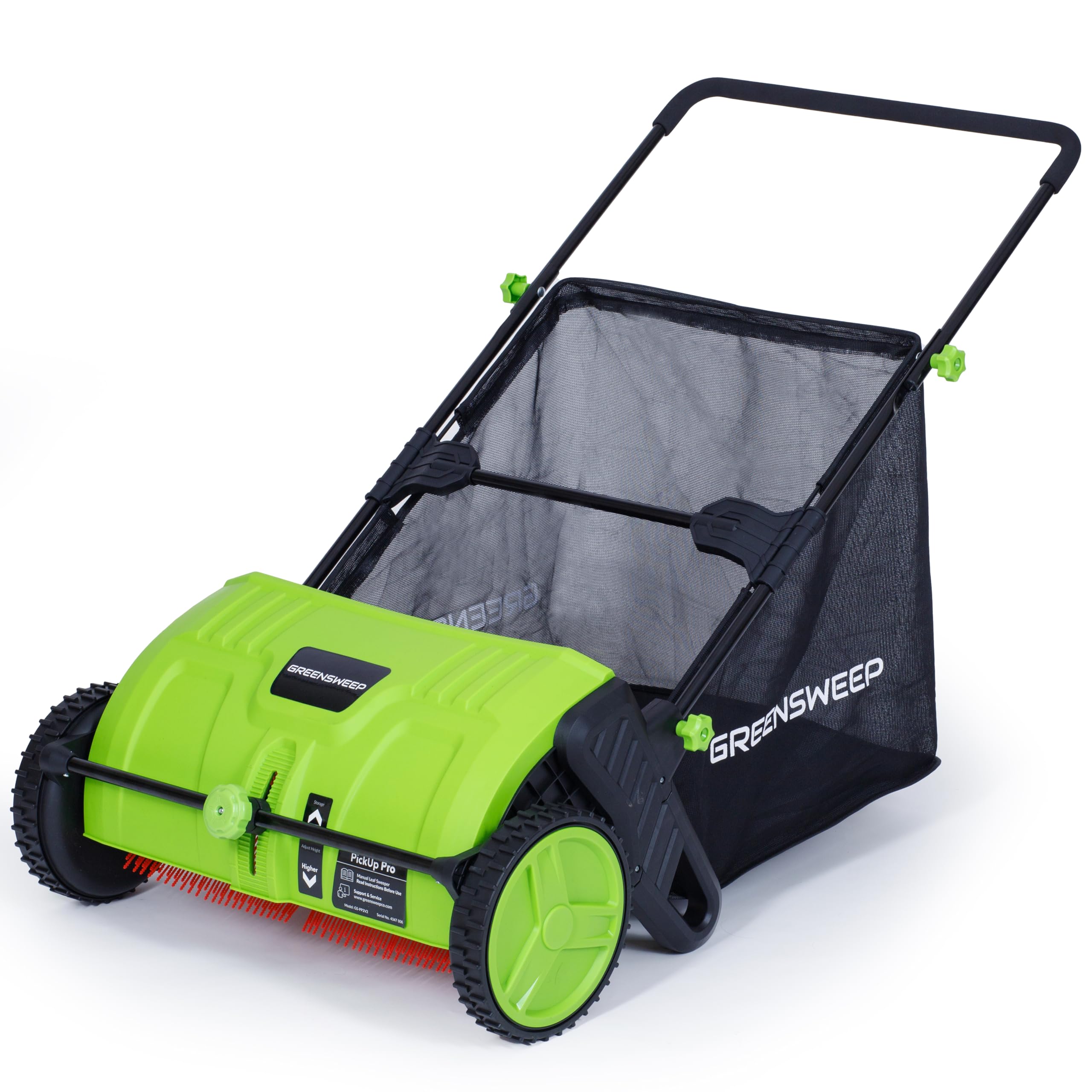
Look at these features before buying a lawn sweeper. They affect how well the sweeper works for you.
| Feature | Why It Matters | What to Look For |
|---|---|---|
| Brush Type | Affects how well debris is picked up | Steel brushes for tough debris, nylon for light leaves |
| Hopper Size | Determines how much debris it holds | Larger hoppers mean fewer trips to empty |
| Adjustable Height | Helps sweep different surfaces and debris sizes | Easy-to-change height settings |
| Durability | Long-lasting use and less repair | Sturdy frame and quality materials |
| Wheel Size | Helps move over rough or uneven ground | Bigger wheels for bumpy lawns |
Credit: www.amazon.com
Preparing Your Lawn Sweeper
Before you use your lawn sweeper, it is important to prepare it properly. This helps your lawn sweeper work well and last longer.
Start by checking two main parts: the brushes and the hopper. These parts collect leaves and debris from your lawn.
Inspecting The Brushes
Brushes pick up leaves and grass clippings. Make sure they are in good shape before you start.
- Look for worn or broken bristles.
- Clean off any stuck debris.
- Check if the brushes spin freely.
- Tighten any loose brush mounts.
Checking The Hopper
The hopper stores the collected debris. Check it for damage and proper attachment to the sweeper.
| Hopper Check | What to Do |
|---|---|
| Cleanliness | Remove dirt and leaves inside the hopper |
| Attachment | Make sure it fits tightly and does not wobble |
| Damage | Inspect for cracks or holes that might leak debris |
| Capacity | Do not overfill to avoid clogging |
Setting The Brush Height
Setting the brush height on your lawn sweeper is important for good cleaning. The right height helps pick up debris without hurting your grass.
Adjusting the brush height depends on your grass length and how to protect your lawn from damage.
Adjusting For Grass Length
Set the brush height to match your grass length. Taller grass needs a higher brush setting. Short grass needs a lower setting to clean well.
- For grass under 2 inches, set the brush low.
- For grass 2 to 4 inches, set the brush medium.
- For grass over 4 inches, raise the brush higher.
Avoiding Damage To The Lawn
To protect your lawn, do not set the brush too low. A very low brush can scratch or pull grass out of the ground.
| Brush Height | Effect on Lawn |
| Too Low | May damage grass blades and roots |
| Correct Level | Removes debris without harm |
| Too High | Leaves debris behind, less effective |
Adjusting The Hopper Angle
The hopper angle is key to your lawn sweeper’s performance. Adjusting it helps you collect more leaves and grass clippings. It also stops blockages that slow you down.
In this guide, learn how to set the hopper angle right. Small changes can make a big difference in how well the sweeper works.
Maximizing Debris Collection
Set the hopper angle so debris falls easily into the container. Too steep or too flat can lower the amount collected. Find the balance for your lawn conditions.
- Start with the hopper angle at a medium setting.
- Test by pushing the sweeper over a leaf-covered area.
- Adjust the angle up if debris misses the hopper.
- Lower the angle if debris piles up outside the hopper.
- Keep the hopper level enough to avoid spilling collected material.
Preventing Blockages
Blockages happen when debris jams the sweeper. Proper hopper angle helps debris flow smoothly. Check the angle regularly to stop clogs.
| Angle Setting | Effect on Blockages |
| Too Steep | Debris clumps and blocks entry to hopper |
| Too Flat | Debris piles up behind the hopper |
| Correct Angle | Debris flows into hopper without clogging |
Calibrating Sweeper Speed
Adjusting the speed of your lawn sweeper is important. It helps to pick up leaves and debris effectively.
Calibrating the speed means setting the right pace for the sweeper brushes and wheels. This makes the cleaning easier and better.
Matching Walking Pace
Walk at a steady speed that matches the sweeper’s brush rotation. This keeps debris moving into the collection bag.
If you walk too fast, the sweeper may miss debris. Walking too slow can cause clogging or uneven sweeping.
- Start at a slow, even pace
- Check if the brushes pick up debris well
- Adjust your walking speed as needed
Optimizing Sweeping Efficiency
Set the sweeper’s height and brush speed to fit your lawn type. This improves the cleaning and reduces missed spots.
Try different settings to find the best balance. A well-calibrated sweeper saves time and effort.
- Adjust brush height to touch the ground lightly
- Increase brush speed for heavy debris
- Lower speed for dry leaves and light debris
- Test settings on a small area first
Testing And Fine-tuning
Adjusting a lawn sweeper ensures it works well on your lawn. Testing and fine-tuning help you get the best results.
These steps will guide you in checking and adjusting your lawn sweeper for optimal performance.
Performing A Trial Sweep
Begin by setting your lawn sweeper at the recommended height. Push it over a small section of your lawn.
Watch how the sweeper collects leaves and debris. Check if it misses any spots or clogs.
- Ensure the brushes touch the ground lightly.
- Check if the hopper is filling evenly.
- Note any areas where the sweeper struggles.
Making Final Adjustments
Adjust the brush height for better collection. Lower it slightly if debris is left behind.
If the sweeper is hard to push, adjust the wheels. Make sure they move smoothly over the ground.
- Test the sweeper after each adjustment.
- Ensure the handle is comfortable to hold.
- Check that all parts are secure and not loose.
Maintaining Your Lawn Sweeper
Keeping your lawn sweeper in good condition is important. It ensures your machine works efficiently and lasts longer.
Regular maintenance helps prevent costly repairs. It also keeps your lawn looking neat and clean.
Cleaning After Use
Cleaning your lawn sweeper after each use is crucial. It prevents debris build-up, which can cause damage.
- Remove leaves and twigs from the brushes.
- Wipe down the frame with a damp cloth.
- Check for any stuck debris in the wheels.
Regular Brush Replacement
Brushes wear out over time. Replacing them regularly ensures optimal performance.
Here is a simple guide on when to replace your brushes:
| Usage Frequency | Replacement Interval |
| Weekly | Every 6 months |
| Bi-weekly | Every 9 months |
| Monthly | Every 12 months |

Credit: www.amazon.com
Frequently Asked Questions
How Do I Adjust The Height Of A Lawn Sweeper?
Adjust the height by using the adjustment knob or lever on the sweeper. Set it to match your grass length. Proper height ensures efficient debris collection and prevents scalping your lawn.
When Should I Adjust The Brushes On A Lawn Sweeper?
Adjust brushes when the sweeper misses debris or damages grass. Set brushes just above ground level for effective sweeping and minimal turf impact. Check and tweak regularly for optimal performance.
Can Adjusting The Lawn Sweeper Improve Debris Collection?
Yes, correct adjustments improve debris pickup significantly. Proper brush height and hopper settings maximize efficiency. Regularly adjust based on grass type and debris size to maintain peak performance.
How Often Should I Check Lawn Sweeper Adjustments?
Check adjustments before each use for best results. Frequent checks prevent damage and maintain effective cleaning. Adjust based on lawn conditions and debris amount.
Conclusion
Adjusting a lawn sweeper helps keep your yard clean and neat. Set the brushes at the right height for best results. Check the settings often to match your lawn’s condition. A well-tuned sweeper picks up leaves and debris easily. Spend a little time adjusting it before use.
Your lawn will look healthier and well cared for. Simple steps make yard work faster and less tiring. Keep your sweeper ready, and enjoy a tidy lawn all season.
