
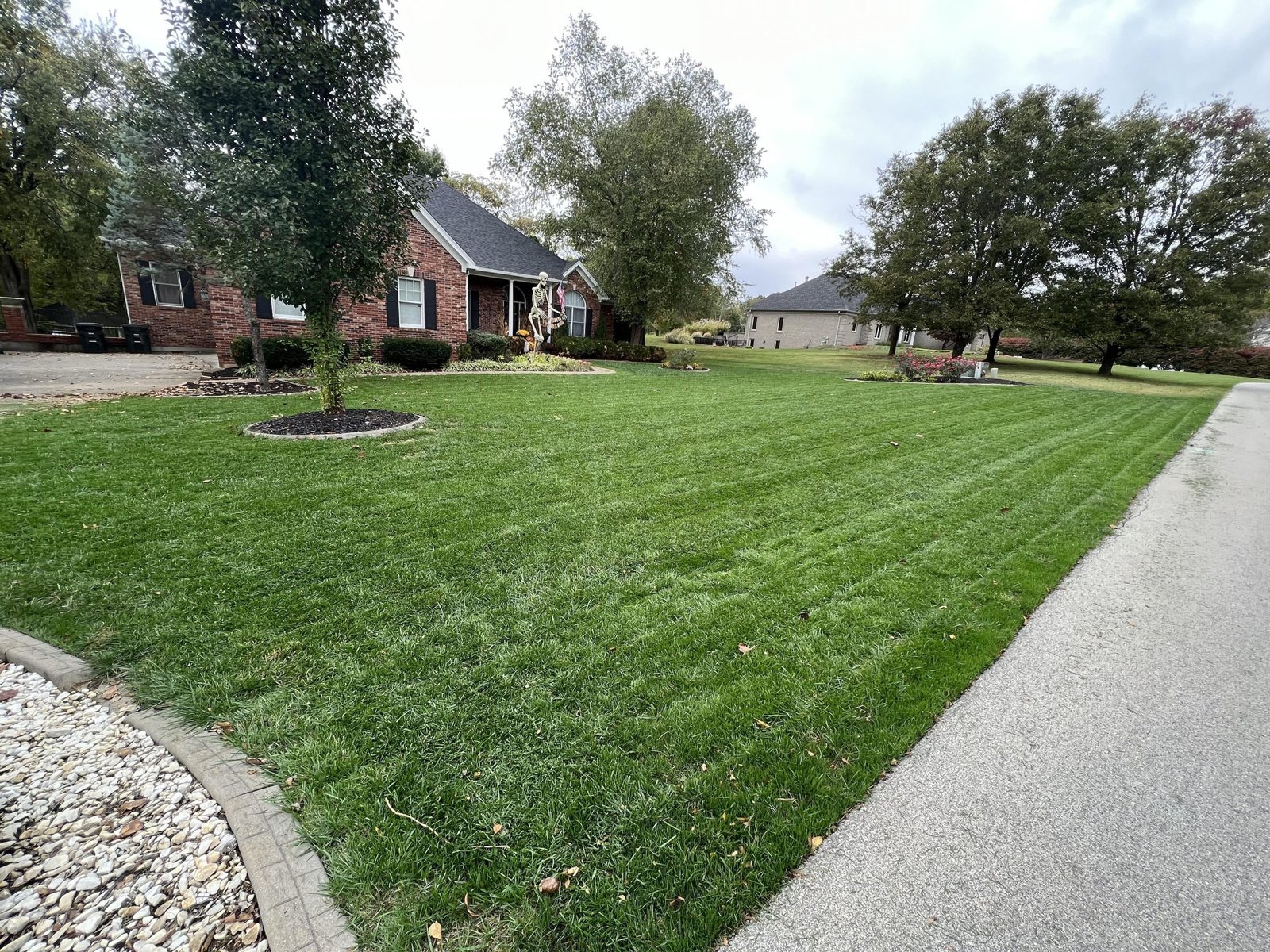
Are you struggling to keep your lawn healthy and green? You might have heard about dethatching and aerating, but which one is really better for your grass?
Choosing the right lawn care method can make a huge difference in how your yard looks and grows. This article will help you understand what dethatching and aerating do, and guide you to the best choice for your lawn’s needs.
Keep reading to discover the secret to a lush, vibrant lawn that will make your neighbors jealous!

Credit: www.earth-smart-solutions.com
Dethatching Basics
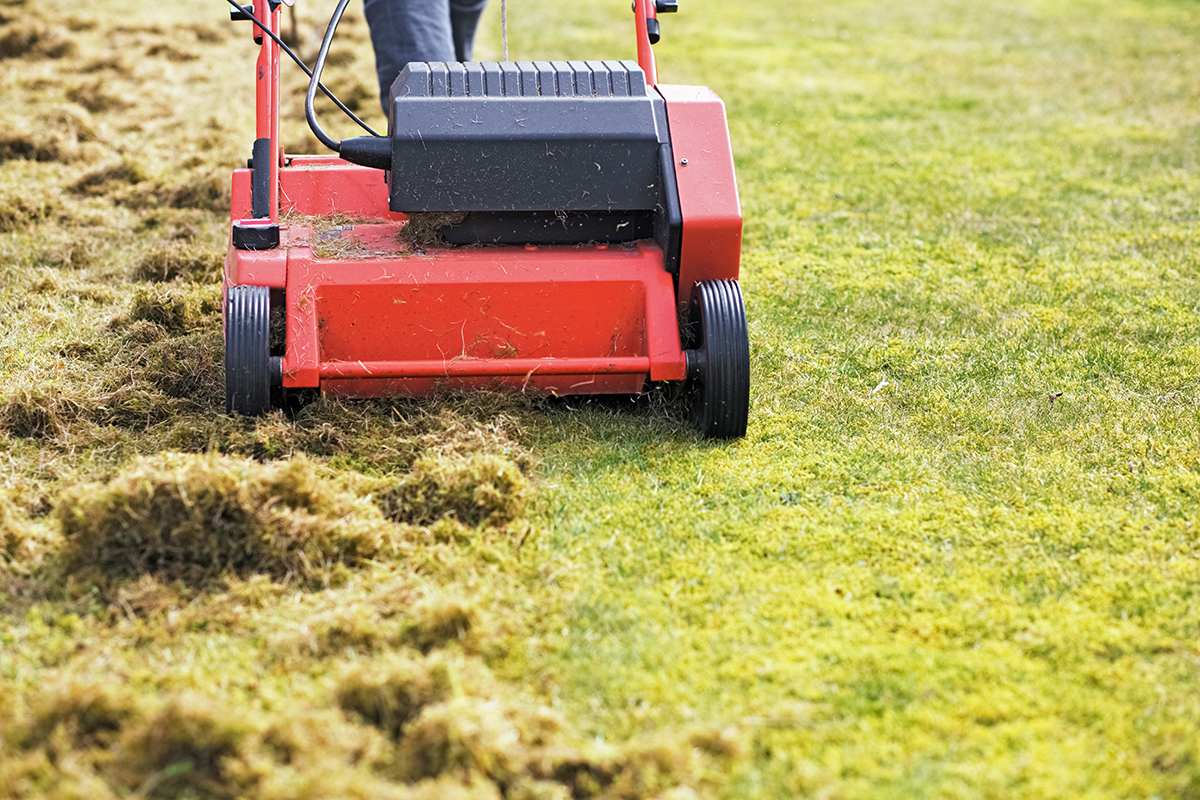
Dethatching is a lawn care task that removes a layer of dead grass and roots. This helps your lawn breathe and grow better.
This process improves water, air, and nutrient flow to the soil. Knowing when and why to dethatch keeps your grass healthy.
What Is Thatch
Thatch is a layer of dead and living grass stems, roots, and debris. It sits between the soil and green grass blades.
A thin layer of thatch is normal and can protect the lawn. But too much thatch blocks water and nutrients.
Causes Of Thatch Buildup
- Overwatering the lawn
- Too much fertilizer use
- Grass types that grow quickly
- Soil compaction preventing decomposition
- Not mowing often enough
These factors make dead grass and roots pile up faster than they break down.
Signs You Need Dethatching
| Sign | Description |
| Spongy Lawn | Grass feels soft and springy when you walk on it |
| Poor Water Absorption | Water pools on the surface instead of soaking in |
| Patchy Grass | Grass grows unevenly or has bare spots |
| Thick Thatch Layer | Thatch layer is more than half an inch thick |
If you notice these signs, dethatching can help your lawn stay healthy.
Credit: www.lawnstarter.com
Aeration Essentials
Aeration helps your lawn grow strong and healthy. It improves air, water, and nutrients flow to the roots.
This process is important for lawns that have compacted soil or thick thatch layers. It makes the soil softer and easier for grass to grow.
How Aeration Works
Aeration pulls small plugs of soil from your lawn. This opens up space for air and water to reach the roots.
The holes also help reduce soil compaction. This lets roots grow deeper and stronger for better grass health.
Types Of Aeration
There are two main types of aeration: spike aeration and core aeration. Each works differently to improve your lawn.
- Spike Aeration:Uses a tool to poke holes in the soil without removing plugs.
- Core Aeration:Removes small plugs of soil, letting the lawn breathe better.
Core aeration is usually better for lawns with heavy soil compaction. Spike aeration is easier but less effective.
When To Aerate Your Lawn
The best time to aerate depends on your grass type. Aerate when the grass is growing actively for quick recovery.
- Cool-season grasses: aerate in early spring or fall.
- Warm-season grasses: aerate in late spring or early summer.
Avoid aerating during drought or extreme heat. This can stress your lawn and slow growth.
Benefits Of Dethatching
Dethatching removes the layer of dead grass and roots on your lawn. This layer is called thatch. Too much thatch can harm your grass.
Removing thatch helps your lawn grow better. It makes your grass healthier and stronger over time.
Improved Nutrient Absorption
Thatch blocks nutrients from reaching the soil. Dethatching removes this barrier. This lets nutrients go straight to the roots.
With better nutrient absorption, grass grows greener and fuller. It helps your lawn stay healthy all year.
Enhanced Water Penetration
Thatch stops water from soaking into the soil. Dethatching opens the soil surface. This helps water reach grass roots faster.
Better water penetration means less water waste. Your lawn gets the moisture it needs to grow strong.
Better Air Circulation
Thatch reduces air flow to the soil. Dethatching clears the lawn surface. This improves air movement around the roots.
Good air circulation helps roots breathe. It supports healthy growth and reduces lawn diseases.
Advantages Of Aeration
Aeration helps improve lawn health by letting air and water reach the roots. It involves making small holes in the soil.
This process is different from dethatching, which removes dead grass layers. Aeration focuses on soil and root health.
Reduced Soil Compaction
Aeration loosens compacted soil. This allows air, water, and nutrients to move freely.
Less compact soil means roots can grow deeper and stronger. It also helps water soak in instead of running off.
Stronger Root Growth
By opening the soil, aeration gives roots room to expand. Strong roots make the grass healthier.
Better root growth helps grass get more nutrients and water. This makes your lawn look greener and last longer.
Improved Lawn Resilience
Aerated lawns handle stress better. They survive drought, heat, and heavy use more easily.
This process helps grass recover faster from damage. It also reduces chances of disease and pests.
Comparing Dethatching And Aeration
Dethatching and aeration are lawn care methods that help keep grass healthy. Both improve lawn growth but work in different ways.
This article compares their effects on lawn health, when to do them, and the tools needed.
Impact On Lawn Health
Dethatching removes thick layers of dead grass and roots, allowing water and nutrients to reach soil better. Aeration creates small holes in the soil, which improves air flow and helps roots grow deep.
- Dethatching clears dead material that blocks nutrients.
- Aeration loosens compacted soil for better root growth.
- Both methods reduce lawn stress and improve health.
Timing And Frequency
Dethatching is best done once a year in early spring or fall. Aeration works well in spring or fall, especially in lawns with heavy foot traffic.
| Method | Best Time | Frequency |
| Dethatching | Early Spring or Fall | Once per year |
| Aeration | Spring or Fall | Once or twice per year |
Equipment And Effort Required
Dethatching needs a dethatcher tool or rake to remove thatch. Aeration requires a core aerator or spike aerator to make holes in the soil.
- Dethatching can be done with manual rakes or power dethatchers.
- Aeration may need specialized machines for large lawns.
- Aeration usually takes more effort but benefits deep root growth.

Credit: www.jclandscapingllc.com
Choosing The Right Method
Taking care of your lawn is important for its health and appearance. Two common methods are dethatching and aerating.
Both methods have their benefits, but choosing the right one depends on specific conditions.
Assessing Lawn Conditions
To decide on dethatching or aerating, first assess your lawn’s condition. Look at grass thickness, soil compaction, and thatch layer.
- If the lawn has a thick thatch layer, dethatching might be necessary.
- If the soil is compacted, aerating can help improve root growth.
- Check for signs of water runoff or poor drainage.
Combining Both Techniques
Sometimes, combining both dethatching and aerating is beneficial. This approach addresses multiple lawn issues at once.
| Technique | Purpose |
| Dethatching | Removes excess thatch |
| Aerating | Loosens compacted soil |
| Both | Improves lawn health |
Seasonal Considerations
The best time for dethatching or aerating varies with the season. Understanding seasonal changes helps in planning these activities.
- Spring: Ideal for aerating when grass starts to grow.
- Summer: Dethatching can be done if the lawn is healthy.
- Fall: Good for both methods to prepare for winter.
Diy Tips And Best Practices
Dethatching and aerating are great for lawn care. Both help your lawn breathe and grow better. Knowing which is best for your lawn can improve its health.
Each method has its benefits. Dethatching removes dead grass, while aerating makes holes in the soil. Choose based on your lawn’s needs.
Tools You Need
Having the right tools makes lawn care easier. Dethatching and aerating require specific tools.
- Rake for dethatching
- Aerator for making soil holes
- Lawn mower for trimming grass
- Gloves for hand protection
Safety Precautions
Safety is important when working on your lawn. Use tools carefully to avoid injury.
- Wear sturdy shoes for protection
- Use gloves to avoid blisters
- Keep children and pets away during work
- Check tools for damage before use
Post-treatment Care
After dethatching or aerating, your lawn needs extra care. This helps it recover faster and stay healthy.
- Water the lawn to help new growth
- Apply fertilizer for nutrients
- Avoid heavy foot traffic for a few days
- Regularly mow to maintain grass height
Frequently Asked Questions
What Is Dethatching And How Does It Work?
Dethatching removes thick layers of dead grass and roots from your lawn. It improves air, water, and nutrient flow. This process helps the grass grow healthier and prevents disease buildup in the soil.
How Does Aerating Improve Lawn Health?
Aerating creates small holes in the soil to reduce compaction. It allows better oxygen, water, and nutrient absorption. Aeration promotes stronger root growth and enhances lawn resilience during drought or heavy use.
When Should I Dethatch Instead Of Aerate?
Dethatch if your lawn has a thick thatch layer over 0. 5 inches. Aerate if soil is compacted or water pools after rain. Both improve lawn health but target different problems.
Can I Dethatch And Aerate On The Same Day?
It’s best to separate dethatching and aeration by a few weeks. This gives the lawn time to recover and maximizes benefits. Doing both on the same day can stress your grass.
Conclusion
Dethatching and aerating both help your lawn breathe and grow. Dethatching removes dead grass and debris, making space for new growth. Aerating creates small holes, allowing water and air to reach roots better. Choose dethatching if your lawn has thick thatch layers.
Pick aerating if soil feels hard or compacted. Sometimes, using both methods works best for healthy grass. Understanding your lawn’s needs helps you decide the right care. Keep your grass green and strong by giving it what it needs. Simple steps lead to a healthy, beautiful lawn.
