
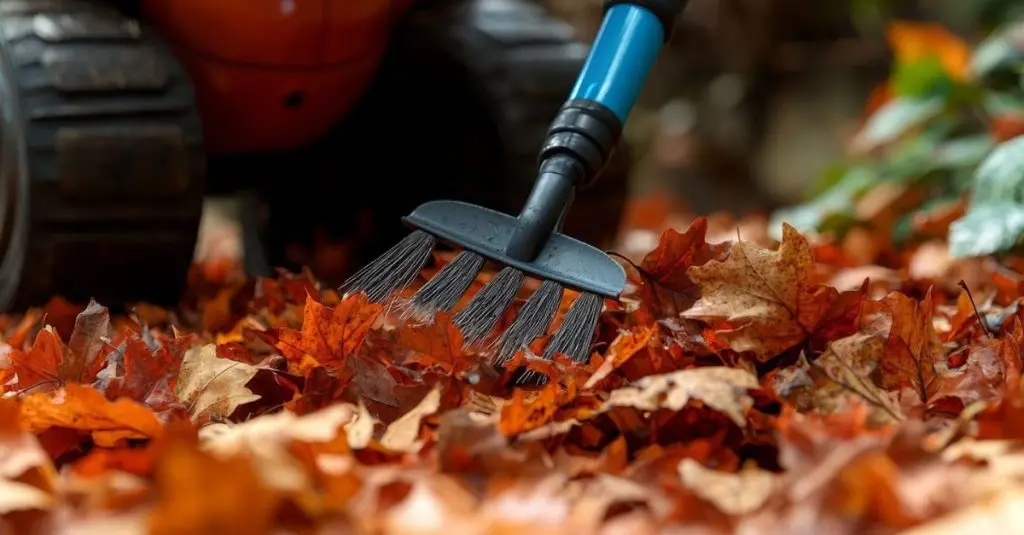
Are you tired of struggling to clear wet leaves from your lawn? You might be wondering if a lawn sweeper is the right tool for this messy job.
Wet leaves can be sticky and heavy, making them harder to clean up than dry ones. But before you give up or grab a rake, let’s explore how a lawn sweeper works with wet leaves—and whether it can save you time and effort.
Keep reading to find out if this handy tool is a good fit for your fall cleanup needs.
Lawn Sweepers And Wet Leaves
Lawn sweepers help clean leaves from grass. They collect leaves so you do not have to rake.
Wet leaves can be hard to sweep. They stick together and to the lawn sweeper parts.
How Wet Leaves Affect Lawn Sweepers
Wet leaves are heavier than dry leaves. This makes the lawn sweeper work harder.
Wet leaves can clog the brushes. The sweeper may not pick up leaves well.
- Leaves stick to brushes and wheels
- Leaves add extra weight to the sweeper
- Wet leaves can slow down the cleaning process
Challenges Of Sweeping Wet Leaves
Sweeping wet leaves can cause the machine to jam. The leaves form clumps on brushes.
Wet leaves can leave behind a wet layer on the grass. This can cause slippery spots.
- Leaves clump and block the sweeper
- Wet leaves are harder to push or tow
- The sweeper may need frequent cleaning
- Grass may stay wet and slippery after sweeping
Credit: www.vevor.com
Types Of Lawn Sweepers
Lawn sweepers help clean leaves and debris from your yard. They come in different types for various needs.
Choosing the right lawn sweeper depends on your yard size and the type of debris you want to collect.
Push Lawn Sweepers
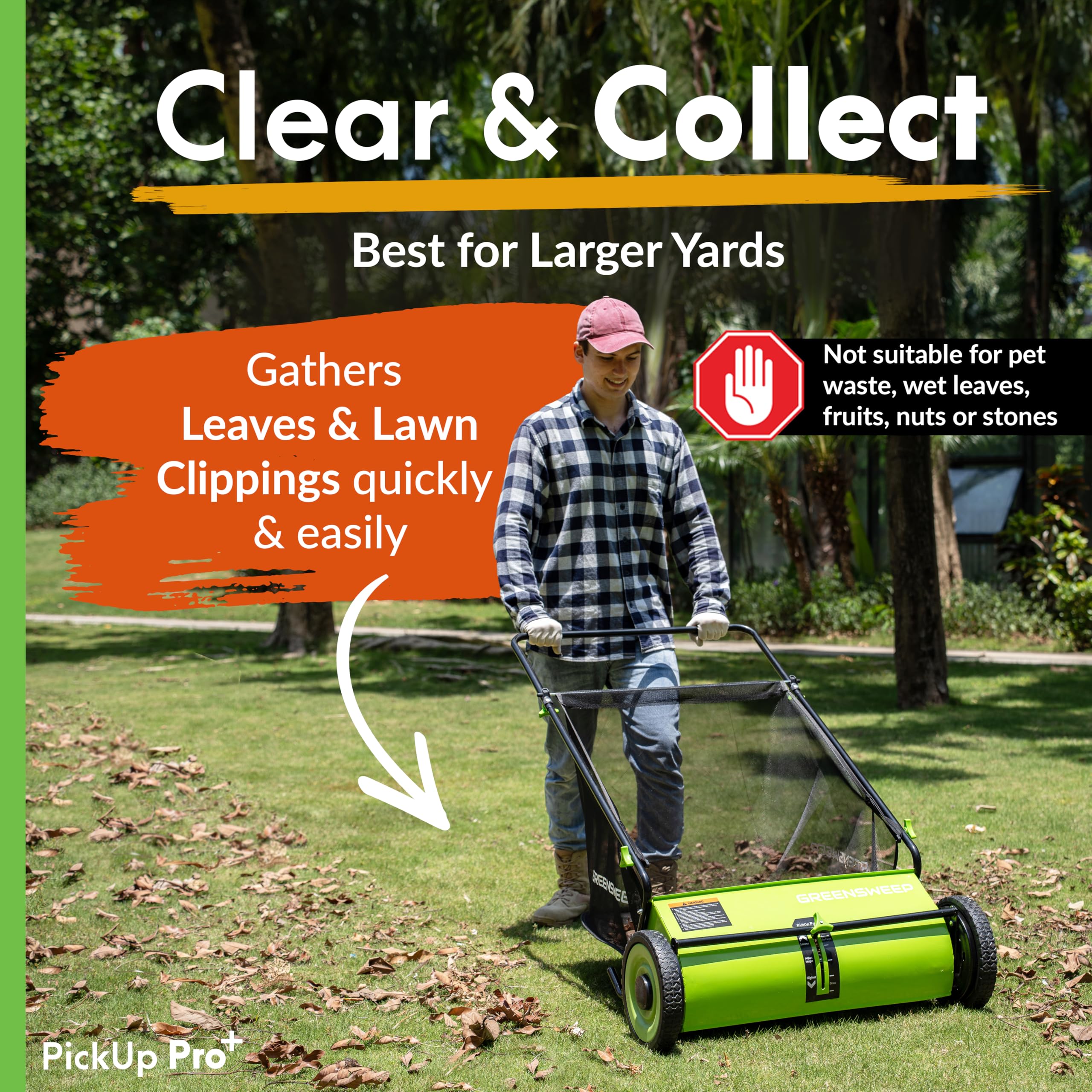
Push lawn sweepers are small and easy to use. You push them across your lawn to pick up leaves.
They work best on dry leaves and light debris. Wet leaves can stick to the brushes and reduce cleaning power.
Tow-behind Lawn Sweepers
Tow-behind lawn sweepers attach to a lawn tractor or ATV. They cover larger areas quickly.
These sweepers have stronger brushes that handle wet leaves better than push models. They collect more debris efficiently.
Performance Factors For Wet Leaves
Cleaning wet leaves with a lawn sweeper is different from dry leaves. Wet leaves stick together and can be heavier.
Some parts of the lawn sweeper affect how well it works on wet leaves. These parts include the brush, the capacity, and the ground it works on.
Brush Design And Material
The brush is the part that lifts leaves off the ground. For wet leaves, brushes with stiff bristles work best. Soft brushes may get clogged or push leaves around.
- Stiff synthetic bristles resist water and dirt
- Metal brushes can last longer but may damage grass
- Adjustable brush height helps handle thick wet leaves
- Rotating brushes clear wet leaves more easily than fixed ones
Sweeper Capacity And Power
Sweepers with larger capacity hold more wet leaves at once. Wet leaves are heavier, so a powerful sweeper is needed to move them well.
| Capacity | Effect on Wet Leaves |
| Small (under 5 bushels) | Must empty often; slows work |
| Medium (5-8 bushels) | Good for small to medium yards |
| Large (over 8 bushels) | Best for large yards; less emptying |
| Power | Stronger pull needed for heavy leaves |
Ground Conditions And Terrain
Wet leaves stick more on uneven or rough ground. Smooth, flat lawns let the sweeper move and collect leaves better.
Tips for ground conditions:
- Clear large sticks and debris before sweeping
- Avoid steep hills to prevent slipping
- Check for soft spots that can slow the sweeper
- Wet grass can make wheels slip, so move slowly
Credit: www.amazon.ca
Alternative Tools For Wet Leaves
Wet leaves can be hard to clean with a lawn sweeper. They often stick to the ground and clog the sweeper. It is better to use tools made for wet conditions.
Some tools work well with wet leaves. They help clear leaves quickly and keep your yard clean.
Leaf Blowers
Leaf blowers move wet leaves with strong air. They do not pick up leaves but push them into piles. This makes it easier to collect wet leaves later.
Electric and gas leaf blowers work well. They can handle damp or wet leaves without clogging. Use a leaf blower before raking or using a lawn sweeper.
Rakes And Other Manual Tools
Rakes work well for wet leaves. They help lift and gather leaves stuck to the ground. Choose a rake with flexible tines to avoid damage to grass.
Other manual tools include leaf scoops and garden forks. Leaf scoops help pick up heavy, wet leaves easily. Garden forks can loosen wet leaves from grass or soil.
- Use a leaf rake with wide, flexible tines
- Leaf scoops make gathering faster
- Garden forks loosen stuck leaves
- Manual tools need more effort but work well
Tips To Improve Sweeping Wet Leaves
Sweeping wet leaves can be tricky because they stick to surfaces and each other. Using a lawn sweeper helps, but you need some tips to get better results.
These tips will help you use your lawn sweeper effectively on wet leaves. You can keep your yard clean without much effort.
Timing And Frequency
Sweeping wet leaves works best when you pick the right time. Avoid working right after heavy rain or early in the morning when leaves are soaked.
Try to sweep leaves more often during wet weather. This prevents leaves from piling up and becoming heavier to remove.
- Sweep after leaves dry a bit in the sun
- Check weather to avoid rain during sweeping
- Sweep every few days to prevent buildup
Maintenance And Adjustments
Keep your lawn sweeper in good shape for better performance. Wet leaves need more power, so check your sweeper’s brushes and wheels often.
Adjust the brush height to avoid pushing leaves too deep into the grass. Clean the brushes after use to stop leaves from sticking.
- Inspect brushes for wear and replace if needed
- Set brush height higher for wet leaves
- Remove stuck leaves from brushes after each use
Combining Tools For Best Results
Using other tools with your lawn sweeper can make wet leaf cleanup easier. A rake or leaf blower can help loosen wet leaves before sweeping.
Start by loosening leaves with a blower or rake, then use the lawn sweeper to collect them quickly. This saves time and effort.
- Use a leaf blower to dry and loosen leaves
- Rake thick piles before sweeping
- Sweep after loosening leaves for better pickup

Credit: brinly.com
Frequently Asked Questions
Can A Lawn Sweeper Handle Wet Leaves Effectively?
A lawn sweeper can pick up wet leaves but struggles with heavy moisture. Wet leaves often stick together, making collection slower and less efficient compared to dry leaves.
Should You Use A Lawn Sweeper On Damp Grass?
Using a lawn sweeper on damp grass is possible but not ideal. Damp grass can clog the brushes and reduce sweeping performance, requiring more frequent cleaning.
How To Improve Lawn Sweeper Performance On Wet Leaves?
To improve performance, try drying leaves before sweeping or rake wet leaves loosely first. Adjust the sweeper height and speed for better leaf pickup on moist surfaces.
Are There Better Tools Than Lawn Sweepers For Wet Leaves?
Yes, leaf blowers or mulching mowers are often more effective on wet leaves. These tools can break up and move wet leaves more efficiently than sweepers.
Conclusion
A lawn sweeper can help with wet leaves, but it has limits. Wet leaves may stick and slow the sweeper down. Regular raking or using a blower might work better after rain. Still, a lawn sweeper saves time on dry days.
Choose the right tool for your yard’s condition. Keep your lawn clean and healthy with proper care. Wet leaves need extra effort, but tools make it easier. Consider your yard size and leaf amount before deciding. Simple steps lead to a neat lawn all year.
