
Have you ever wondered if your yard really needs dethatching? You might be spending time and effort on a task that isn’t necessary—or missing out on something that could make your lawn healthier.
Understanding when and why dethatching matters can save you money and improve your grass’s growth. You’ll discover exactly what dethatching does, how to tell if your yard needs it, and the best way to go about it. Keep reading to find out how to give your lawn the care it truly needs.

Credit: www.reddit.com
What Is Dethatching?
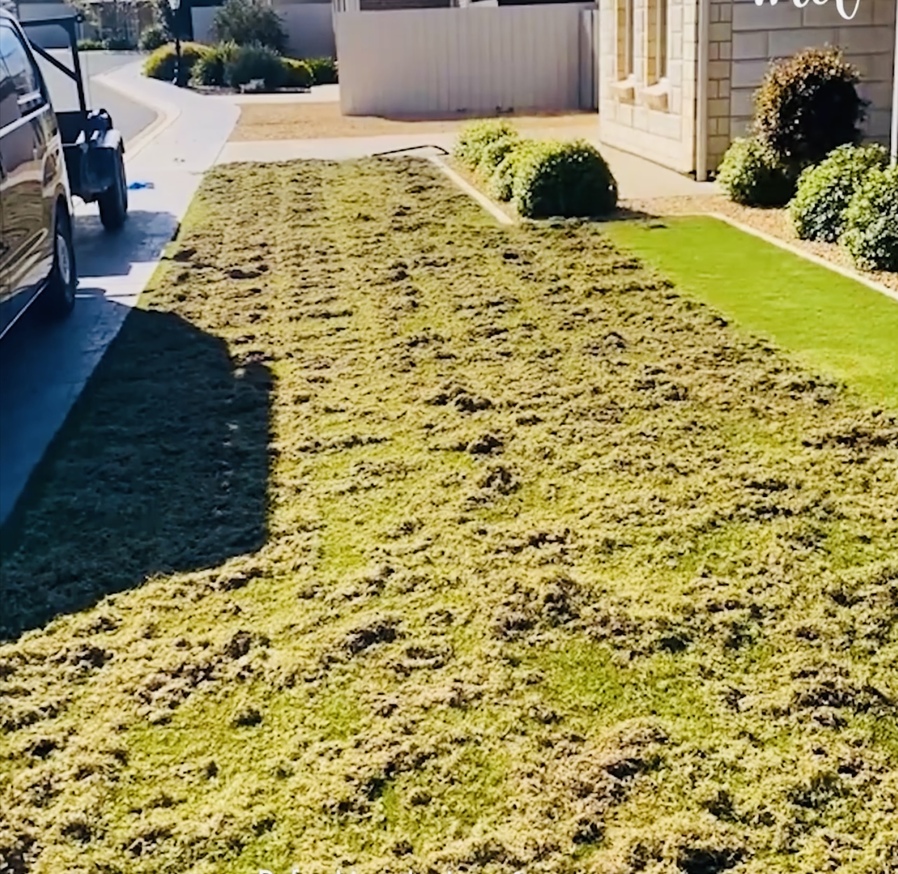
Dethatching is the process of removing thatch from your lawn. Thatch is a layer of dead grass, roots, and other organic material.
This layer sits between the soil and the green grass blades. Removing it helps your lawn breathe and grow better.
Causes Of Thatch Buildup
Thatch builds up because of several reasons. Some grasses produce more thatch naturally. Overwatering and over-fertilizing can also cause buildup.
Low soil temperature and poor lawn care habits let thatch accumulate faster. Using a mower with dull blades can worsen the problem too.
- Grass types like Kentucky bluegrass create more thatch
- Too much water slows decomposition of dead material
- Excess fertilizer encourages rapid grass growth
- Cool soil slows down natural breakdown of thatch
- Poor mowing practices leave dead grass on the lawn
Effects On Lawn Health
Thatch stops water, air, and nutrients from reaching the soil. This weakens grass roots and makes the lawn less healthy.
Thick thatch can cause lawn diseases and attract pests. It also makes the lawn dry and patchy over time.
- Blocks water and nutrients from soil
- Reduces oxygen for roots
- Leads to weak, thin grass growth
- Harbors insects and lawn diseases
- Causes dry and patchy spots
Credit: www.yourgreenpal.com
Signs Your Lawn Needs Dethatching
Dethatching is important for a healthy lawn. It removes the thick layer of dead grass and roots.
Not every yard needs dethatching. Look for these signs to see if your lawn does.
Visible Thatch Layer
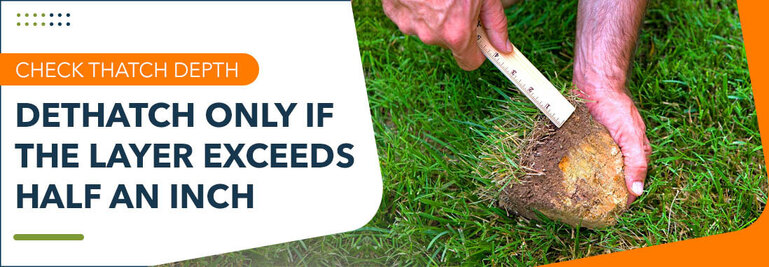
Thatch is a layer of dead grass and roots between the soil and green grass. You can see it by digging a small hole.
If the thatch is thicker than half an inch, your lawn needs dethatching. Too much thatch stops air and nutrients from reaching roots.
Poor Water Absorption
When your lawn does not soak up water well, it may have a thatch problem. Water can run off instead of reaching the soil.
Check if water pools on the surface or runs off quickly. This means your lawn may need dethatching to improve absorption.
Patchy Or Weak Grass Growth
Thick thatch blocks sunlight and nutrients. Grass may grow weak or in patches where thatch is worst.
If parts of your lawn look thin or brown, dethatching can help grass grow better and stronger.
Types Of Lawns And Dethatching Needs
Dethatching is the process of removing dead grass and roots from the lawn. Not every yard needs dethatching. It depends on the type of grass and soil you have.
Knowing your lawn type helps decide if dethatching is needed. Some grasses build thatch faster than others.
Cool-season Vs Warm-season Grasses
Cool-season grasses grow best in cooler weather. Warm-season grasses grow well in hot weather. Each type has different dethatching needs.
Cool-season grasses like bluegrass and fescue often develop thick thatch. They may need dethatching every 1 to 3 years. Warm-season grasses like Bermuda and zoysia produce less thatch. They usually need less frequent dethatching.
- Cool-season grasses: dethatch more often
- Warm-season grasses: dethatch less often
- Watch your lawn for thick thatch buildup
Soil Types And Thatch Accumulation
Soil type affects how much thatch forms in your yard. Clay soils hold moisture and slow decay. This can cause more thatch to build up. Sandy soils drain well and break down thatch faster.
Lawns on clay soil may need dethatching more often. Lawns on sandy soil usually need less dethatching. Checking soil and thatch thickness helps decide if dethatching is needed.
- Clay soil: more thatch, more dethatching
- Sandy soil: less thatch, less dethatching
- Check soil moisture and thatch layer depth
Dethatching Methods
Dethatching removes thick layers of dead grass and roots. This helps your lawn get more air, water, and nutrients.
There are different ways to dethatch your yard. Each method works well in certain situations.
Manual Raking
Manual raking uses a special rake to pull up thatch by hand. It is best for small yards or light thatch.
This method takes time and effort but gives good control. You can focus on problem spots easily.
- Use a dethatching rake with sharp blades
- Rake in one direction to lift the thatch
- Collect and remove debris after raking
Power Raking
Power raking uses a machine with rotating blades to cut and pull up thatch. It works fast for large areas.
This method is good for thick thatch layers but can be rough on the lawn. Use carefully to avoid damage.
- Run the power rake across the lawn slowly
- Adjust blade height to avoid cutting grass roots
- Rake in multiple directions for better results
Using Vertical Mowers
Vertical mowers, also called verticutters, use vertical blades to slice through thatch and soil. This helps grass grow stronger.
This method is good for lawns with heavy thatch and compacted soil. It improves water and air flow to roots.
- Set blade depth based on thatch thickness
- Run mower in straight lines across the lawn
- Remove debris after mowing to prevent buildup
When To Dethatch Your Lawn
Dethatching is the process of removing dead grass and debris from your lawn. It helps the grass grow better by improving air and water flow. But not every yard needs dethatching at the same time.
Knowing the right time to dethatch helps keep your lawn healthy. It depends on the type of grass and the condition of your yard.
Best Seasons For Different Grass Types
Different grasses grow best in different seasons. Dethatch at the right time to avoid damage and help your lawn recover fast.
- Cool-season grasses:Dethatch in early spring or early fall.
- Warm-season grasses:Dethatch in late spring to early summer.
- Mixed lawns:Choose the season that matches the dominant grass type.
Dethatching cool-season grasses during heat can stress them. Warm-season grasses recover best after winter dormancy.
Signs To Avoid Dethatching
Not every lawn needs dethatching. Watch for signs that say your yard is fine without it.
- The thatch layer is less than half an inch thick.
- The grass looks green and grows well.
- The soil drains water quickly without pooling.
- No visible dead grass or moss buildup.
- The lawn was dethatched recently within one year.
Dethatching too often or at the wrong time can harm your lawn. Check these signs before you start.
Alternatives To Dethatching
Not every yard needs dethatching. There are other ways to keep your lawn healthy. These methods can maintain grass and soil in good condition.
Consider these alternatives for a thriving yard. They can improve lawn quality without the need for dethatching.
Core Aeration
Core aeration helps soil breathe better. It involves removing small plugs of soil from the lawn.
This process allows air, water, and nutrients to reach the roots. It can reduce soil compaction and improve grass growth.
- Increases soil oxygen levels
- Enhances water absorption
- Promotes root development
Regular Lawn Maintenance Practices
Simple lawn care routines can prevent thatch build-up. Mowing, watering, and fertilizing are key practices.
Keeping grass at the right height and watering deeply helps. Fertilizing with balanced nutrients supports healthy growth.
- Mow regularly at the right height
- Water deeply but not too often
- Use balanced fertilizers for nutrients
Post-dethatching Lawn Care
After dethatching, your lawn needs special care to recover and grow healthy. These steps will help your grass thrive.
Proper care ensures your lawn stays lush and green, preventing problems like thatch build-up in the future.
Seeding And Fertilizing
Seeding and fertilizing are important after dethatching. This helps fill bare spots and strengthens the grass.
- Choose the right grass seed for your climate.
- Spread seeds evenly across the lawn.
- Apply a balanced fertilizer to boost growth.
Watering Tips
Watering is crucial after dethatching. Proper watering helps new seeds to sprout and grow strong.
- Water early in the morning or late in the afternoon.
- Avoid overwatering to prevent root rot.
- Ensure the soil is moist but not soggy.
Preventing Future Thatch Build-up
Maintaining your lawn helps prevent thatch from forming again. Regular care is key to a healthy lawn.
| Task | Frequency |
| Aerate the lawn | Once a year |
| Use a mulching mower | Every mowing |
| Check soil pH | Twice a year |
Credit: www.yourgreenpal.com
Frequently Asked Questions
What Is Lawn Dethatching And Why Is It Important?
Lawn dethatching removes the layer of dead grass and debris. It helps improve air, water, and nutrient flow to the soil. This promotes healthier grass growth and prevents lawn diseases.
How Do I Know If My Yard Needs Dethatching?
Check for a thick, spongy layer of thatch over half an inch. If grass roots struggle to grow or water pools on the surface, dethatching is needed.
Can Every Lawn Benefit From Dethatching?
Not every lawn needs dethatching. Lawns with minimal thatch or healthy grass don’t require it. Over-dethatching can damage grass and soil structure.
When Is The Best Time To Dethatch A Lawn?
The best time is during active grass growth. For cool-season grasses, early spring or fall works best. For warm-season grasses, late spring to early summer is ideal.
Conclusion
Not every yard needs dethatching. It depends on your lawn’s condition. Thick thatch can block water and nutrients. Removing it helps grass grow better. Check your yard before deciding to dethatch. Too much dethatching can harm your lawn. Regular lawn care can reduce thatch buildup.
Healthy grass often means no need for dethatching. Take time to observe your yard’s health. A little care goes a long way. Keep your lawn green and strong with smart choices.
