
Are you tired of spending hours cleaning up leaves and debris from your lawn? You might be wondering if a lawn sweeper is better than a leaf blower for making your yard look neat and tidy.
Choosing the right tool can save you time, effort, and frustration. You’ll discover which option fits your needs best and how it can transform your yard work. Keep reading to find out which tool will make your outdoor chores easier and more effective.

Credit: www.familyhandyman.com
Lawn Sweeper Basics
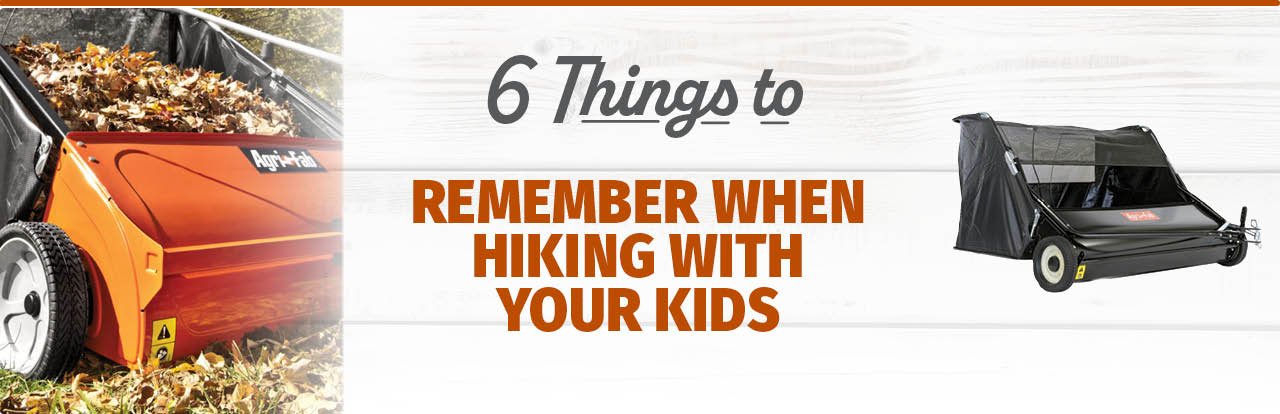
A lawn sweeper helps clean leaves, grass clippings, and debris from your yard. It works by picking up waste into a collection bag or hopper.
People often wonder if a lawn sweeper is better than a leaf blower. Understanding how lawn sweepers work and their types can help you decide.
Types Of Lawn Sweepers
There are different types of lawn sweepers. Each type fits certain yard sizes and needs.
- Push Lawn Sweepers:These are manual and good for small yards.
- Tow-Behind Sweepers:Attach to a lawn tractor or ATV for larger areas.
- Powered Lawn Sweepers:Use gas or electric motors to sweep automatically.
How Lawn Sweepers Work
A lawn sweeper uses rotating brushes to pick up debris. The brushes spin as you push or tow the sweeper.
| Part | Function |
|---|---|
| Brushes | Rotate to sweep leaves and grass into the hopper |
| Hopper/Bag | Collects debris for easy disposal |
| Wheels | Move the sweeper forward and turn the brushes |
Ideal Lawn Conditions
Lawn sweepers work best when the grass is dry and the debris is light. Wet leaves can clog the brushes.
- Grass should be cut before sweeping
- Clear large branches or heavy debris by hand
- Use on lawns that are smooth and level
- Avoid very wet or muddy conditions
Credit: www.vevor.com
Leaf Blower Essentials
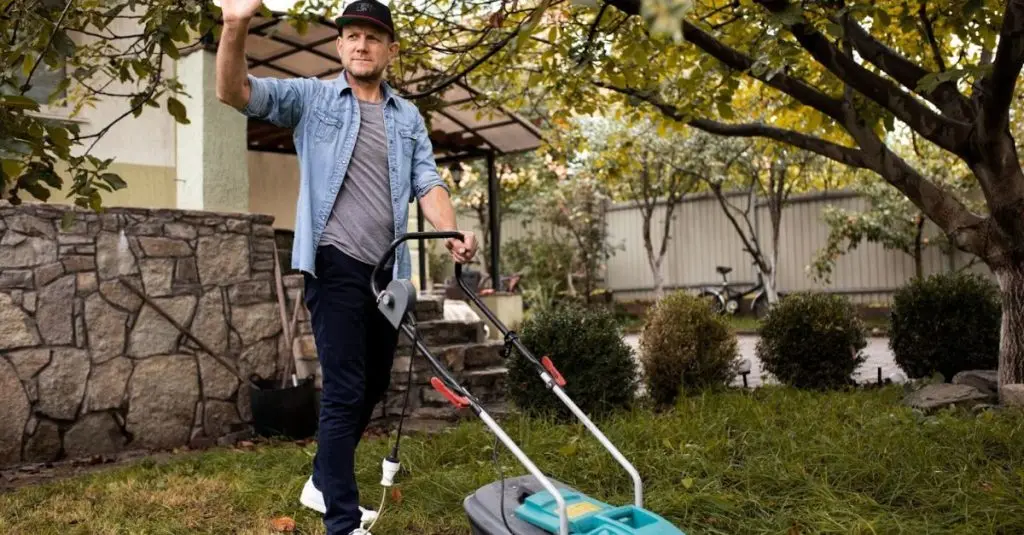
Leaf blowers help clear leaves and debris from yards. They save time and effort compared to manual raking. Understanding their types and uses helps you pick the right one.
This guide covers the main types, how leaf blowers work, and the best situations to use them.
Types Of Leaf Blowers
Leaf blowers come in different designs to fit various needs. Choosing the right type improves comfort and performance.
- Electric Leaf Blowers:Lightweight and quiet. Ideal for small yards and light tasks.
- Battery-Powered Leaf Blowers:Cordless and portable. Good for medium-sized areas with moderate debris.
- Gas-Powered Leaf Blowers:Powerful and heavy. Best for large yards and heavy debris removal.
- Backpack Leaf Blowers:Worn on the back for better weight distribution. Suitable for long use and big areas.
Leaf Blower Functionality
Leaf blowers create strong air streams. This air moves leaves, grass clippings, and light debris quickly. They work by using a motor to spin a fan inside the blower.
| Component | Function |
| Motor | Power source that drives the fan |
| Fan | Spins to push air out |
| Nozzle | Directs the air flow |
| Handle | Allows the user to hold and control the blower |
Best Uses For Leaf Blowers
Leaf blowers work best for clearing leaves and light debris from hard surfaces and lawns. They also help dry wet surfaces and clean gutters with special attachments.
- Remove leaves from driveways, sidewalks, and patios
- Clear grass clippings after mowing
- Dry wet outdoor furniture or surfaces
- Blow out gutters and hard-to-reach areas
- Prepare soil by clearing debris before gardening
Performance Comparison
Choosing between a lawn sweeper and a leaf blower depends on how well they perform. Both tools clear leaves but work in different ways.
This comparison looks at their efficiency, ability to handle debris, and speed of coverage.
Efficiency In Leaf Collection
A lawn sweeper collects leaves by brushing them into a hopper. It gathers leaves in one pass. This reduces the need to rake afterward.
A leaf blower moves leaves by blowing them into piles. It needs more effort to collect leaves after piling. It works better on dry leaves.
- Lawn sweepers gather leaves directly and save cleanup time.
- Leaf blowers require raking or bagging after piling leaves.
- Sweepers work best on flat, even lawns.
Handling Different Debris
Lawn sweepers handle leaves, grass clippings, and light twigs well. They struggle with wet or heavy debris.
Leaf blowers can move wet leaves and heavier debris easily. They are better for clearing debris from hard surfaces like driveways.
- Sweepers pick up dry, light debris.
- Blowers work on wet and heavy debris.
- Blowers clear hard surfaces better than sweepers.
Speed And Coverage
Lawn sweepers cover large areas quickly by collecting leaves in one go. They need space to move and work best on lawns.
Leaf blowers offer flexible coverage and can reach tight spots. They take more time because leaves need to be piled and collected.
- Sweepers clear large lawns fast.
- Blowers reach corners and tight spaces.
- Blowers need extra time for leaf collection after blowing.
Ease Of Use
Choosing between a lawn sweeper and a leaf blower depends on how easy they are to use. Both tools help keep your yard clean. Understanding their setup, handling, and comfort can help you decide which fits your needs.
Let’s look closely at three key areas: setup and operation, maneuverability, and noise and vibration.
Setup And Operation
A lawn sweeper needs some assembly before use. You may have to attach the handle, hopper, or brushes. Leaf blowers often come ready to use or need minimal setup.
- Lawn sweeper assembly can take 10-20 minutes.
- Leaf blowers usually start with simple controls.
- Lawn sweepers require pushing, which can be tiring for some.
- Leaf blowers use a trigger or switch for easy control.
Maneuverability
| Feature | Lawn Sweeper | Leaf Blower |
|---|---|---|
| Weight | Heavier, needs pushing | Lighter, easy to carry |
| Control | Steered by handle | Directed by hand movement |
| Access | Best on flat surfaces | Can reach tight spots |
| Speed | Slower, steady pace | Faster clearing ability |
Noise And Vibration
Lawn sweepers are generally quieter because they do not have a motor. Leaf blowers can be loud and produce vibration during use. This can affect comfort and hearing.
- Lawn sweepers produce little to no noise.
- Electric leaf blowers are quieter than gas models.
- Prolonged use of leaf blowers may cause hand fatigue.
- Using ear protection is recommended with leaf blowers.
Maintenance Needs
Choosing between a lawn sweeper and a leaf blower means thinking about upkeep. Both tools need care to work well and last long.
Understanding how to clean, store, and repair these tools helps keep them in good shape.
Cleaning And Storage
Lawn sweepers collect leaves and grass, so they can get dirty fast. After use, remove debris from brushes and collection bags.
Leaf blowers push air to move leaves and dust. Clean the air vents and nozzles to avoid blockages.
- Empty collection bags on lawn sweepers after each use
- Brush off dirt and grass clippings from sweeper brushes
- Wipe leaf blower surfaces and clean air filters regularly
- Store both tools in a dry place to avoid rust and damage
Durability And Repairs
Lawn sweepers have moving parts like brushes and wheels. These parts wear out but are easy to replace.
Leaf blowers have motors and fans. Motor problems can be costly and need professional repair.
- Sweeper brushes may need changing every few seasons
- Check wheels and axles for damage and fix if needed
- Leaf blower motors require regular checks for smooth running
- Fix cracks or broken nozzles on blowers to keep air flow strong
Cost Of Upkeep
Lawn sweepers usually cost less to maintain. Brushes and bags are affordable to replace.
Leaf blowers may need more expensive repairs. Motor or battery issues can raise costs.
- Replacement brushes for lawn sweepers are low cost
- Leaf blower parts like batteries or motors cost more
- Regular cleaning lowers repair bills for both tools
- Proper storage reduces the chance of damage and extra costs
Environmental Impact
When it comes to lawn maintenance, homeowners often face a dilemma: should they use a lawn sweeper or a leaf blower? Both tools have their own set of advantages and disadvantages, and one of the key factors to consider is environmental impact.
Fuel Consumption And Emissions
Lawn blowers run on gasoline, which is a non-renewable resource that contributes to air pollution and climate change. In contrast, lawn sweepers are often electric or manual, making them a more environmentally friendly option.
According to the US Environmental Protection Agency (EPA), leaf blowers are among the top 10 most polluting lawn and garden equipment. They emit pollutants such as particulate matter, carbon monoxide, and volatile organic compounds, which can harm human health and the environment.
Noise Pollution
Lawn blowers are also a significant source of noise pollution, with some models reaching levels of up to 100 decibels. Prolonged exposure to such loud noises can cause hearing loss and other health problems.
Lawn sweepers, on the other hand, are generally quieter and produce less noise pollution. This makes them a better option for homeowners who live in residential areas or have noise restrictions.
Eco-friendly Alternatives
- Rake and bag leaves: This is a manual method that requires some physical effort but produces no noise or emissions.
- Use a leaf mulcher: These devices chop leaves into small pieces, reducing the need for sweeping or blowing.
- Choose a cordless electric sweeper: These sweepers are environmentally friendly and produce less noise than gas-powered blowers.
Cost Considerations
When deciding between a lawn sweeper and a leaf blower, cost is an essential factor to consider. Both options have their initial purchase price, long-term expenses, and value for money, which can significantly impact your decision.
Initial Purchase Price
The initial purchase price of a lawn sweeper and a leaf blower can vary greatly. A leaf blower is generally less expensive to buy, with prices starting from around $20-$50. In contrast, lawn sweepers can range from $50-$200, depending on the size and features.
| Equipment | Price Range |
|---|---|
| Leaf Blower | $20-$50 |
| Lawn Sweeper | $50-$200 |
Long-term Expenses
Long-term expenses are another crucial aspect to consider when choosing between a lawn sweeper and a leaf blower. Leaf blowers require more frequent replacement of fuel and oil, which can add up to $50-$100 per year. In contrast, lawn sweepers have fewer moving parts and require less maintenance, resulting in lower long-term expenses.
- Leaf Blower Maintenance:
- Fuel replacement (every 1-2 months)
- Oil replacement (every 2-3 months)
- Lawn Sweeper Maintenance:
- Brush replacement (every 6-12 months)
- Belt replacement (every 1-2 years)
Value For Money
Value for money is a critical factor to consider when deciding between a lawn sweeper and a leaf blower. While a leaf blower may be cheaper to buy, its long-term expenses can add up quickly. In contrast, a lawn sweeper may be more expensive upfront, but its lower long-term expenses and higher efficiency make it a more cost-effective option in the long run.
Ultimately, the choice between a lawn sweeper and a leaf blower comes down to your specific needs and budget. Consider your lawn size, type of debris, and maintenance preferences to make an informed decision.
Which One Suits You?
Choosing between a lawn sweeper and a leaf blower depends on your yard and needs. Each tool works best for different situations.
Understanding your lawn size, personal preferences, and budget will help you decide which tool fits you better.
Lawn Size And Type
Lawn sweepers work well on medium to large lawns with lots of leaves or grass clippings. They collect debris into a hopper for easy disposal.
Leaf blowers suit small to medium lawns and gardens. They blow leaves into piles for easier gathering but do not collect debris.
- Use a lawn sweeper for big yards with flat or slightly uneven surfaces.
- Choose a leaf blower for small yards or areas with many plants and tight spaces.
Personal Preferences
If you prefer a cleaner yard without bending down, a lawn sweeper is helpful. It gathers leaves and debris automatically.
If you like quick work and control, a leaf blower may be better. It lets you move leaves exactly where you want.
- Lawn sweeper: less physical effort, good for collecting debris.
- Leaf blower: fast, flexible, but needs manual cleanup.
Budget Constraints
Lawn sweepers usually cost more upfront. They also need space for storage because of their size.
Leaf blowers are often cheaper and easier to store. Some models run on batteries, which adds to the price.
- Lawn sweepers: higher price, good for long-term use.
- Leaf blowers: affordable, good for small budgets.

Credit: www.vevor.com
Frequently Asked Questions
What Are The Main Differences Between A Lawn Sweeper And Leaf Blower?
A lawn sweeper collects leaves and debris using brushes and a hopper. A leaf blower uses air to move leaves. Sweepers are better for large debris, while blowers excel at clearing scattered leaves quickly. Both tools serve different yard cleanup needs.
Which Tool Is Better For Large Yards: Sweeper Or Blower?
Lawn sweepers are ideal for large yards with heavy leaf accumulation. They collect debris efficiently, reducing cleanup time. Leaf blowers work well for quick clearing but may require more effort to gather leaves. Sweepers provide a more thorough solution for big areas.
Can A Lawn Sweeper Replace A Leaf Blower Entirely?
A lawn sweeper cannot fully replace a leaf blower. Sweepers handle heavy debris well but lack the precision of blowers for tight spaces. Leaf blowers are better for clearing gutters, decks, and hard-to-reach spots. Using both tools together is often best.
Are Lawn Sweepers More Environmentally Friendly Than Leaf Blowers?
Yes, lawn sweepers are more eco-friendly since they don’t use gas or generate noise pollution. Many sweepers are manual or electric, producing zero emissions. Leaf blowers often run on gas, contributing to air pollution and noise, making sweepers a greener choice.
Conclusion
Choosing between a lawn sweeper and a leaf blower depends on your needs. Lawn sweepers work well for large yards with lots of leaves. Leaf blowers suit quick clean-ups and tight spaces. Both tools save time and effort. Think about your yard size and how often you clean.
Pick the tool that fits your routine best. This way, yard work becomes easier and less tiring. Simple tools, better results.
