
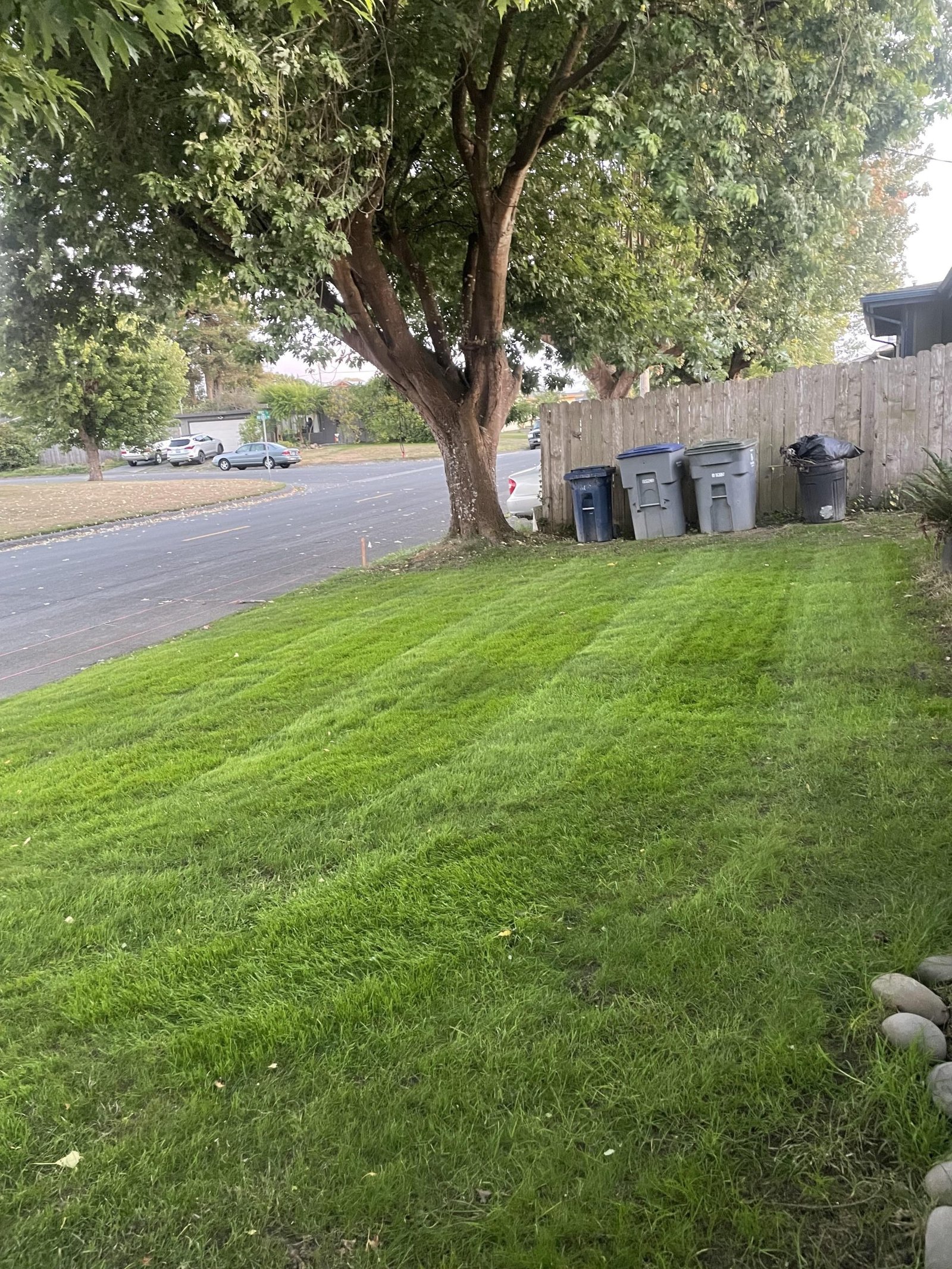
Have you ever wondered if dethatching could harm your lawn instead of helping it? You want your grass to grow thick and healthy, but the idea of pulling up layers of thatch might seem risky.
What if dethatching does more damage than good? You’ll discover the truth about dethatching—when it’s necessary, when it’s not, and how to do it the right way to protect your lawn. Keep reading to learn how to keep your grass green and strong without making costly mistakes.

Credit: lawnsmartkc.com
What Is Dethatching
Dethatching is the process of removing thatch from your lawn. Thatch is a layer of dead grass, roots, and other organic material. It sits between the green grass and the soil.
Too much thatch can block water and nutrients from reaching the soil. Dethatching helps your lawn breathe and grow better.
Why Thatch Builds Up
Thatch forms when grass clippings, roots, and stems do not break down quickly. This happens because of:
- Overwatering
- Heavy use of fertilizers
- Choosing the wrong grass type
- Compacted soil
Tools Used For Dethatching
You can dethatch your lawn using special tools. These tools pull up the thatch layer from the lawn surface.
- Dethatching rake: a rake with sharp blades
- Power rake: a machine with rotating blades
- Vertical mower: cuts through the thatch layer
| Sign | Description |
| Spongy Grass | Lawn feels soft and springy when you walk on it |
| Water Pooling | Water sits on the surface instead of soaking in |
| Thin Grass Growth | Grass looks thin or patchy in some areas |
| Excessive Thatch Layer | Thatch layer thicker than half an inch |
How Often To Dethatch
Most lawns need dethatching every few years. Lawns with heavy thatch may need it more often. Lawns with little thatch may not need dethatching at all.
Tip:Check your lawn’s thatch thickness before dethatching. Use a shovel to dig a small section. Measure the layer between grass and soil.
Signs Your Lawn Needs Dethatching
Dethatching helps remove dead grass and debris from your lawn. It allows water and nutrients to reach the soil. Knowing when to dethatch is important to keep your lawn healthy.
Look for certain signs that show your lawn has too much thatch. These signs tell you it is time to dethatch and improve your grass growth.
Spongy Or Soft Lawn Surface
If your lawn feels soft or springy when you walk on it, thatch might be building up. This layer traps moisture and creates a cushion under your feet.
A spongy lawn can stop water from reaching the roots. Dethatching removes this layer and helps your grass grow stronger.
Visible Layer Of Dead Grass
Look closely at your lawn. If you see a thick layer of dead grass, roots, and debris, that is thatch. Healthy lawns have very little of this layer.
Thatch that is more than half an inch thick can harm your grass. Removing it by dethatching will improve air and water flow.
Water Pools On The Lawn Surface
After watering or rain, water should soak into the soil. If water stays on the surface or pools, thatch could be blocking it.
Dethatching helps water reach the roots better. This keeps your lawn hydrated and healthy.
Grass Growth Is Thin Or Patchy
When thatch builds up, grass roots cannot get enough nutrients. This causes thin or patchy grass areas on your lawn.
Dethatching removes dead material and lets new grass grow thicker and stronger.
Increased Weed Growth
Thatch creates a good place for weeds to grow. If you see more weeds than usual, thatch may be the cause.
Removing thatch can reduce weeds and give your grass a better chance to grow.
How Dethatching Can Harm Your Lawn
Dethatching removes dead grass and roots from your lawn. It helps air and water reach the soil. But it can also hurt your grass if done wrong.
Knowing the risks can help you avoid damage. Here are some ways dethatching can harm your lawn.
Damage To Grass Roots
Dethatching can pull up healthy roots along with thatch. This weakens grass and slows growth. Damaged roots make it hard for grass to get water and nutrients.
- Causes bare spots in your lawn
- Reduces grass’s ability to recover from drought
- Leads to patchy and thin grass coverage
Increased Vulnerability To Pests
When grass roots get hurt, pests find it easier to attack. Weak grass cannot fight off insects and diseases well. Pests can destroy large parts of your lawn quickly.
| Pest Type | Effect on Lawn |
|---|---|
| Grubs | Eat roots, causing dead patches |
| Aphids | Suck sap, weaken grass blades |
| Fungal Infections | Spread faster in damaged areas |
Soil Erosion Risks
Removing too much thatch leaves soil bare and loose. Rain and wind can wash or blow soil away. This erosion reduces soil quality and harms grass growth.
- Topsoil loss reduces nutrients
- Water runoff increases
- Grass struggles to reestablish roots
Benefits Of Regular Dethatching
Dethatching is the process of removing dead grass and debris from your lawn. Doing this regularly keeps your lawn healthy and green.
Removing thatch helps your grass get more nutrients, air, and water. This leads to stronger and healthier grass growth.
Improved Nutrient Absorption
Thatch blocks nutrients from reaching the soil. When you dethatch, roots get better access to essential nutrients.
With improved nutrient absorption, grass grows thicker and greener. Your lawn looks healthier and more vibrant.
Enhanced Air And Water Flow
Thatch layers stop air and water from reaching grass roots. Dethatching clears these barriers and opens the soil.
Better air and water flow helps roots breathe and stay hydrated. This reduces lawn stress and promotes growth.
Healthier Grass Growth
Removing thatch lets grass roots spread easily in the soil. Strong roots support thick and healthy grass blades.
A dethatched lawn recovers faster from damage and stays green longer. It is more resistant to pests and diseases.
Choosing The Right Time For Dethatching
Dethatching helps remove dead grass and debris from your lawn. Doing it at the right time keeps your lawn healthy.
Picking the right moment avoids hurting your grass and improves growth after dethatching.
Seasonal Considerations
Dethatch during your grass’s active growing season. This helps the lawn recover quickly after the process.
Spring and early fall are often the best times. Avoid dethatching in extreme heat or cold to prevent stress.
- Dethatch cool-season grasses in early spring or early fall
- Dethatch warm-season grasses in late spring or early summer
- Never dethatch during drought or heat waves
Grass Type Factors
Different grass types react differently to dethatching. Know your grass type to plan the best time.
Cool-season grasses grow best in cooler weather. Warm-season grasses thrive in hot weather and need dethatching then.
- Cool-season grasses: Kentucky bluegrass, fescue, ryegrass
- Warm-season grasses: Bermuda, zoysia, St. Augustine
- Dethatch only when grass is actively growing
Safe Dethatching Techniques
Dethatching is important for a healthy lawn. It removes the layer of dead grass. This layer can block water and nutrients.
Using the right techniques keeps your lawn safe. Learn about manual and mechanical methods. Choose the best one for your yard.
Manual Vs. Mechanical Methods
Manual dethatching uses tools like rakes. It’s best for small areas. Mechanical methods use machines. These cover large areas quickly.
- Manual methods are gentle on grass.
- Mechanical methods save time.
- Choose based on your lawn size.
Proper Equipment Use
Using the right equipment is key. Make sure tools are clean and sharp. This helps in effective dethatching.
| Equipment | Purpose |
| Rake | Manual dethatching |
| Dethatcher | Mechanical dethatching |
| Aerator | Improve soil health |
Aftercare Tips To Restore Lawn Health
Dethatching can help your lawn breathe, but it may cause stress. Proper care is crucial to restore its health. Follow these aftercare tips to ensure your lawn recovers well.
These tips focus on watering, fertilizing, and overseeding strategies. They will help you keep your lawn lush and green.
Watering And Fertilizing
Watering is essential after dethatching. It helps grass roots recover. Fertilizing provides nutrients to support new growth.
- Water your lawn early in the morning.
- Avoid watering in the evening to prevent disease.
- Use a balanced fertilizer to provide essential nutrients.
- Apply fertilizer after watering to help absorption.
Overseeding Strategies
Overseeding fills in bare spots and thickens your lawn. Choose the right seed mix for your climate and lawn type.
| Seed Type | Best For |
| Ryegrass | Quick germination |
| Bermuda | Warm climates |
| Fescue | Shade tolerance |
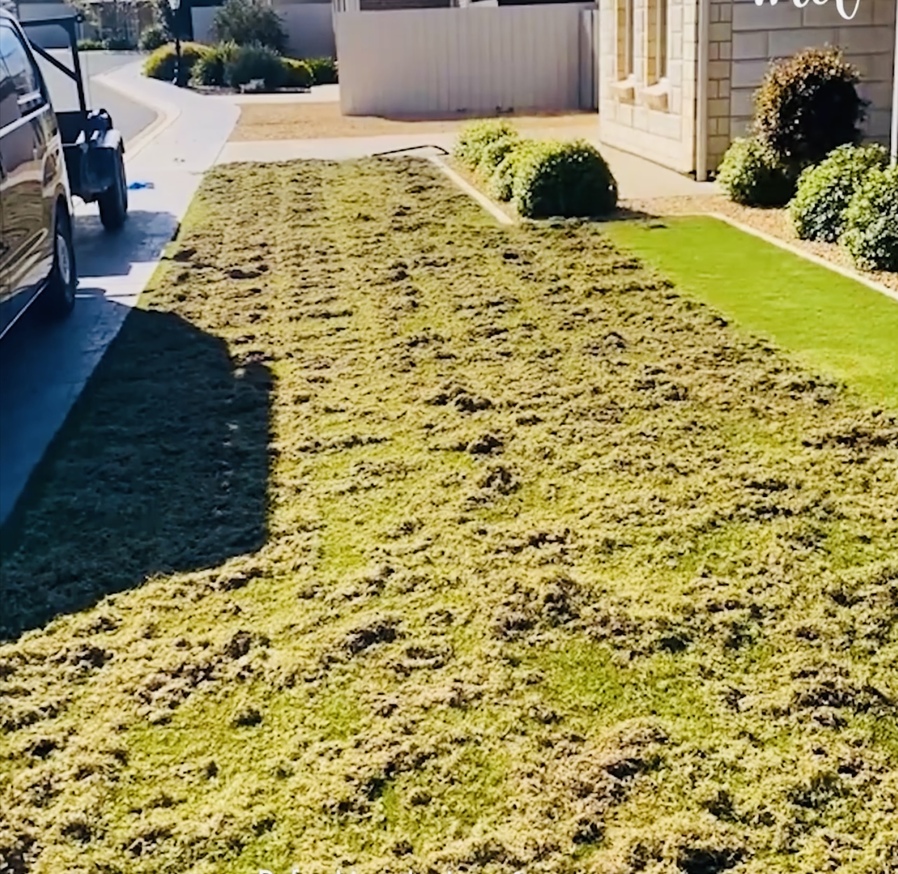
Credit: www.yourgreenpal.com
Alternatives To Dethatching
Dethatching can sometimes harm your lawn by removing too much grass. You can try other ways to keep your lawn healthy. These methods improve soil and grass without hurting the roots.
Here are two good alternatives to dethatching that help your lawn grow strong and green.
Core Aeration
Core aeration pulls small plugs of soil from your lawn. This lets air, water, and nutrients reach the roots better. It reduces soil compaction and helps grass grow deep roots.
Aeration is gentle and does not remove grass like dethatching does. It also helps break down thatch naturally over time.
- Use a core aerator tool for best results
- Do it during the growing season for your grass type
- Water the lawn after aeration to help recovery
- Repeat yearly for best soil health
Topdressing
Topdressing means adding a thin layer of soil or compost over your lawn. This improves soil quality and helps grass grow thick and strong.
It also helps break down thatch naturally by encouraging soil organisms. Topdressing is safe and does not damage your lawn like dethatching can.
- Spread a thin layer of compost or quality soil
- Use a rake or spreader for even coverage
- Water the lawn after topdressing
- Do it once or twice a year for best effects
When To Seek Professional Help
Dethatching your lawn can improve its health, but doing it wrong can cause damage. Knowing when to call a professional can save your grass.
Professionals can assess if dethatching is safe and perform it correctly. Here are some signs that you need expert help.
Signs Of Lawn Stress Or Damage
If your lawn looks thin, brown, or patchy after dethatching, it may be stressed. Professionals can diagnose the problem and suggest treatments.
Lawn Type And Thatch Thickness
Some grass types do not need dethatching or require special care. A thatch layer thicker than half an inch usually needs professional removal to avoid damage.
Lawn Equipment And Technique
Using the wrong dethatching tools or doing it at the wrong time can harm your lawn. Professionals have the right tools and know the best timing.
- Experts use equipment suited for your grass type
- They dethatch at the proper season and soil conditions
- They prevent over-dethatching that weakens roots
- They provide advice on lawn care after dethatching
When Lawn Problems Persist
If lawn problems like moss, weeds, or compaction continue after dethatching, professional help is needed. They can offer a full lawn health plan.
| Problem | Professional Solution |
| Thatch over 0.5 inch | Specialized dethatching |
| Weak or damaged grass | Soil testing and treatment |
| Persistent weeds or moss | Targeted removal and care |
| Soil compaction | Aeration and conditioning |

Credit: www.youtube.com
Frequently Asked Questions
Can Dethatching Harm My Lawn If Done Incorrectly?
Yes, dethatching can damage your lawn if done too aggressively or frequently. It removes vital grass roots and exposes soil, causing stress and potential brown patches.
How Often Should I Dethatch My Lawn Safely?
Dethatch your lawn once every 1-3 years depending on grass type and thatch thickness. Overdoing it weakens grass and increases disease risk.
What Signs Indicate My Lawn Needs Dethatching?
Look for spongy lawn feel, excessive thatch buildup over 0. 5 inches, and poor water absorption. These signs show dethatching can improve lawn health.
Can Dethatching Improve Lawn Growth And Health?
Yes, dethatching removes dead organic matter, allowing better air, water, and nutrient penetration. This stimulates root growth and overall lawn vitality.
Conclusion
Dethatching can harm your lawn if done too often or too deep. It removes dead grass but can also stress healthy roots. Use the right tools and timing to protect your lawn’s health. Small damage heals quickly with proper care.
Balance dethatching with watering and fertilizing for best results. Remember, gentle dethatching helps, but harsh treatment hurts. Keep your lawn strong and green by dethatching carefully.

