
Have you ever wondered if using a lawn roller might actually harm your soil? You want a smooth, even lawn, but could rolling your soil too much cause problems instead of helping?
Understanding how much compaction is too much is key to keeping your grass healthy and strong. You’ll discover the surprising effects of over-compacting soil and learn how to use a lawn roller the right way to get the best results for your yard.
Keep reading to protect your lawn and make it thrive!
Purpose Of Lawn Rollers
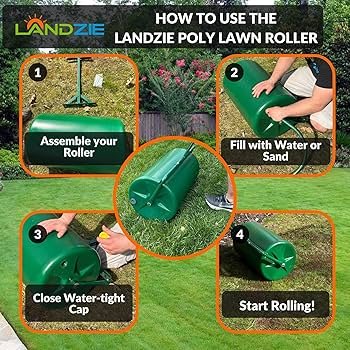
Lawn rollers are tools used to flatten and smooth soil or grass surfaces. They help create an even lawn by pressing down bumps and small holes.
Using a lawn roller can improve the look and feel of your yard. It also helps prepare the soil for planting or seeding new grass.
Benefits For Lawn Care
Lawn rollers offer several benefits for maintaining a healthy lawn. They help improve soil contact with grass seeds, which can lead to better growth.
- Press down rocks and debris to prevent damage to lawn mowers
- Improve soil-to-seed contact for better germination
- Flatten uneven patches to create a smooth lawn surface
- Help repair damage from winter frost or digging animals
Typical Uses In Landscaping
In landscaping, lawn rollers serve many purposes beyond just lawns. They prepare soil beds and help settle gravel or soil after planting.
| Use | Description |
| Soil Preparation | Flatten soil before planting grass or flowers |
| Gravel Setting | Compact gravel paths to reduce loose stones |
| Lawn Repair | Press down sod for better root contact |
| Leveling Ground | Smooth uneven areas in yards or gardens |

Credit: www.amazon.ca
How Lawn Rollers Affect Soil
Lawn rollers are tools used to flatten the ground. They can help smooth uneven soil. But they also change how soil behaves.
This article explains how lawn rollers affect soil and plant growth. It focuses on soil compaction and root health.
Soil Compaction Basics
Soil compaction happens when soil particles are pressed tightly together. This reduces the space between them. Lawn rollers can cause this by pressing the soil hard.
- Compacted soil holds less air and water.
- It becomes harder for water to soak in.
- Soil becomes dense and hard to dig.
- Microorganisms in soil may die or move away.
Impact On Root Growth
Roots need soft, loose soil to grow well. Compacted soil makes it hard for roots to spread and find water. This can hurt plant health and lawn quality.
| Effect | Description |
| Root Penetration | Roots have trouble growing deep in compacted soil. |
| Water Uptake | Less water reaches roots in dense soil. |
| Air Supply | Roots get less oxygen, slowing growth. |
| Plant Stress | Plants may become weak and less green. |
Signs Of Excessive Soil Compaction
Soil compaction happens when the soil becomes too dense. This can stop air, water, and nutrients from reaching grass roots. A lawn roller can cause this if used too much.
Knowing the signs of soil compaction can help you protect your lawn. Look for visible damage, drainage problems, and poor grass health.
Visible Lawn Damage
Compacted soil often shows clear signs on the lawn surface. The grass may look thin or patchy. You might see bare spots or cracks in the soil.
- Grass grows unevenly or stops growing in some areas.
- Soil looks cracked or hard.
- Footprints or tire tracks stay visible for a long time.
Poor Water Drainage
Compacted soil blocks water from soaking in well. Water may pool or run off instead of entering the ground. This can cause puddles after rain or watering.
| Sign | What It Means |
|---|---|
| Water pools on lawn surface | Soil is too dense for water to soak in |
| Water runs off quickly | Soil cannot absorb water well |
| Soil stays wet for long | Poor drainage caused by compaction |
Reduced Grass Health
Grass suffers when soil is compacted. Roots cannot grow deep. Grass looks yellow and weak. It may die off in some spots.
Common symptoms of poor grass health:
- Grass blades turn yellow or brown
- Grass feels thin and weak
- New grass struggles to grow
- Weeds and moss may take over
Credit: www.vevor.ca
Common Mistakes When Using Lawn Rollers
Lawn rollers help smooth and level the soil. But using them wrong can harm your lawn.
This guide covers common mistakes to avoid when using a lawn roller for best results.
Rolling Wet Soil
Rolling soil that is too wet can cause serious damage. Wet soil compacts easily and loses air space.
This stops roots from getting oxygen and water. It also makes the soil hard and dense.
Overusing The Roller
Using the roller too many times can compact the soil too much. This stops water from draining well.
- Roll only when needed, not daily.
- Limit passes to avoid hard soil layers.
- Check the soil firmness after rolling.
Ignoring Soil Type
Different soils react differently to rolling. Clay soils compact quickly. Sandy soils are less affected.
| Soil Type | Effect of Rolling | Advice |
| Clay | Compacts easily | Roll lightly and less often |
| Sandy | Less compaction | Use moderate rolling |
| Loam | Balanced firmness | Roll to level surface only |
Preventing Soil Over-compaction
Using a lawn roller helps flatten the soil and improve lawn appearance. But rolling too much can compact soil too hard. Over-compacted soil stops water, air, and roots from moving freely.
It is important to roll at the right time, use the right roller weight, and use soil aeration to keep soil healthy. These steps prevent soil from becoming too dense.
Best Times To Roll
Rolling soil at the wrong time can cause over-compaction. The best time to roll is when the soil is moist but not wet. This helps smooth the soil without pushing it too hard.
- Roll after rain or watering when soil is damp
- Avoid rolling on very dry or very wet soil
- Roll early in the growing season for best results
- Do not roll on frozen ground
Proper Roller Weight
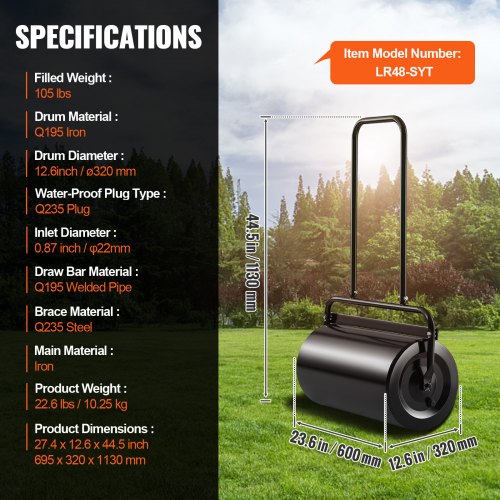
Using a heavy roller can cause soil to compact too much. Light to medium weight rollers are better for most lawns. The roller weight should match the soil type and lawn needs.
| Soil Type | Recommended Roller Weight |
| Sandy Soil | Light (under 50 lbs) |
| Loamy Soil | Medium (50 to 100 lbs) |
| Clay Soil | Light (under 50 lbs) to avoid compaction |
Soil Aeration Techniques
Aeration helps reduce soil compaction by creating small holes. These holes allow air, water, and nutrients to reach roots. Aeration keeps the soil loose and healthy after rolling.
- Use a spike aerator or plug aerator
- Aerate during the growing season
- Water the lawn after aerating
- Avoid aerating when the soil is very wet
Alternatives To Lawn Rolling
Lawn rolling can compact soil too much. This makes it hard for grass roots to grow. Luckily, there are other ways to care for your lawn.
These methods help keep your lawn healthy without harming the soil. Let’s explore some popular alternatives.
Core Aeration
Core aeration is a great way to let air and water reach grass roots. It involves removing small plugs of soil from your lawn.
This process helps break up compacted soil. It also allows nutrients to reach the roots more easily.
- Improves soil drainage
- Boosts grass growth
- Reduces thatch build-up
Topdressing
Topdressing involves spreading a thin layer of soil over your lawn. This method helps improve soil quality and level the lawn surface.
It is especially useful for filling in low spots and improving drainage. Use a mix of sand, soil, and compost for best results.
- Enhances soil structure
- Promotes healthy root growth
- Reduces lawn diseases
Manual Soil Loosening
Manual soil loosening is a simple way to break up compacted soil. You can use a garden fork or spade to gently turn the soil.
This method is best for small areas. It helps improve air and water movement in the soil.
| Tool | Purpose |
| Garden fork | Loosens soil |
| Spade | Turns soil |
Maintaining Healthy Lawn Soil
A healthy lawn needs well-cared-for soil. Compacting soil with a lawn roller can be helpful, but too much can harm the soil.
Learn how to maintain your lawn’s soil health through regular testing, managing nutrients, and proper watering.
Regular Soil Testing
Testing soil regularly helps you know its condition. You can adjust care based on what you find.
| Test Type | Frequency |
| pH Level | Once a year |
| Nutrient Content | Twice a year |
| Compaction | Annually |
Nutrient Management
Proper nutrients keep your lawn green and strong. Understand what nutrients your soil needs.
- Use fertilizer based on soil test results
- Apply organic matter like compost
- Avoid over-fertilizing, as it can harm plants
Watering Practices
Watering affects soil health. Too much or too little water can cause problems.

Credit: www.reddit.com
Frequently Asked Questions
Can A Lawn Roller Make Soil Too Compacted?
Yes, excessive use of a lawn roller can compact soil too much. Over-compacted soil reduces air, water, and nutrient flow. This can harm grass roots and slow growth. Use rollers carefully and avoid rolling when soil is very wet or dry.
When Should You Avoid Using A Lawn Roller?
Avoid using a lawn roller on wet or very dry soil. Wet soil compacts easily and damages structure. Dry soil resists rolling and can crack. Roll lawns when soil is moderately moist for best results.
How Does Soil Compaction Affect Lawn Health?
Soil compaction limits root growth and reduces oxygen availability. Compacted soil drains poorly, causing waterlogging or drought stress. This weakens grass, inviting pests and diseases. Proper soil aeration and minimal rolling maintain a healthy lawn.
Can Lawn Rollers Improve Soil After Seeding?
Yes, lawn rollers gently press seeds into soil for better contact. This improves germination rates and promotes even growth. However, avoid heavy rolling after seeding to prevent soil compaction and seed damage. Light rolling is best for new lawns.
Conclusion
A lawn roller can help smooth your soil and improve lawn appearance. Yet, using it too much can make soil hard and stop water from reaching roots. Soil needs air and space to stay healthy. Roll the lawn only when necessary and avoid heavy pressure.
This keeps your grass strong and growing well. Remember, balance is key to a healthy lawn and happy soil. Choose light rolling for the best results.
