
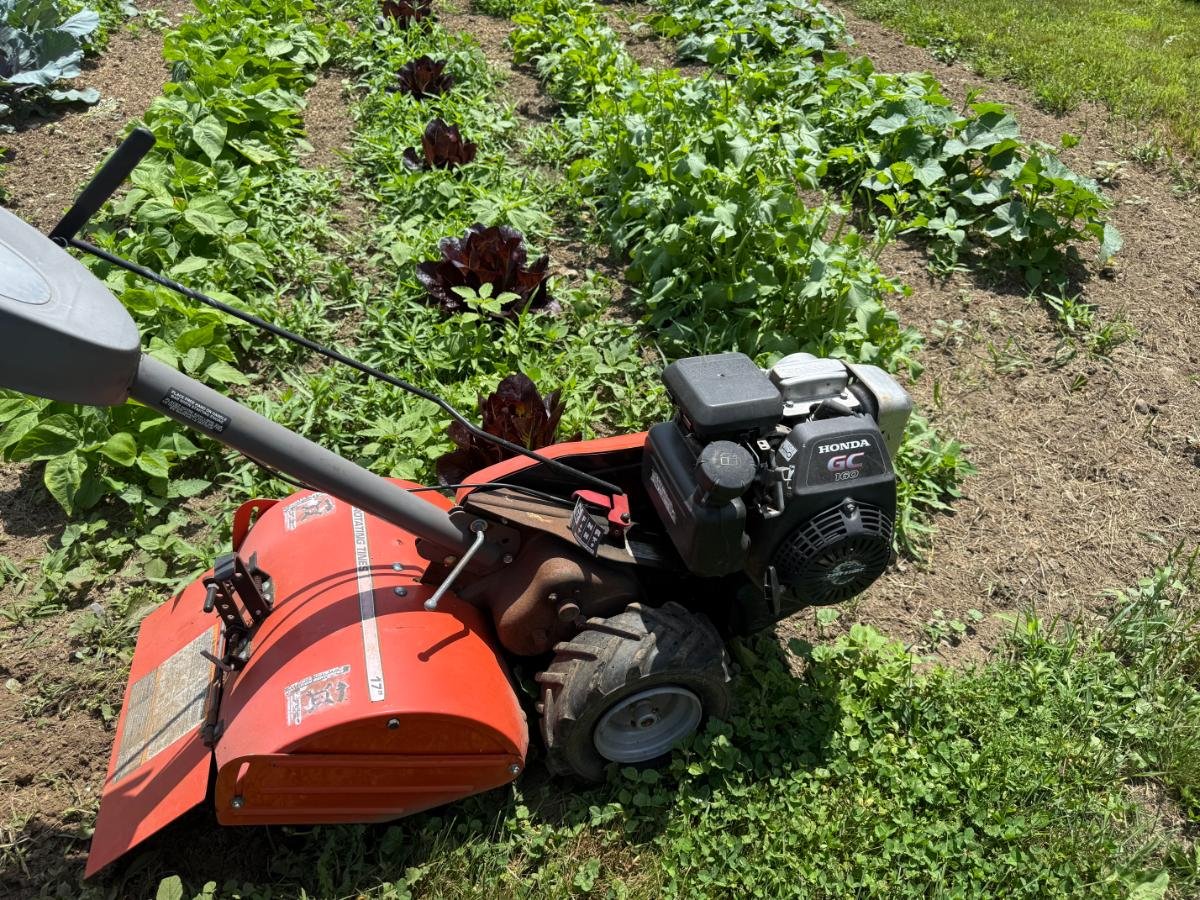
If you want your garden tiller to work smoothly season after season, knowing how to maintain it is key. Your tiller is more than just a tool—it’s the heart of your garden’s preparation.
When you take a few simple steps to care for it, you save money, avoid frustrating breakdowns, and get better results in your soil. You’ll discover easy and practical tips to keep your garden tiller running like new. Ready to make your gardening easier and more enjoyable?
Let’s dive in.
Choosing The Right Tiller
Picking the right garden tiller helps you work faster and easier. It also keeps your plants healthy.
There are many types of tillers. You should know which one fits your garden and soil.
Types Of Tillers
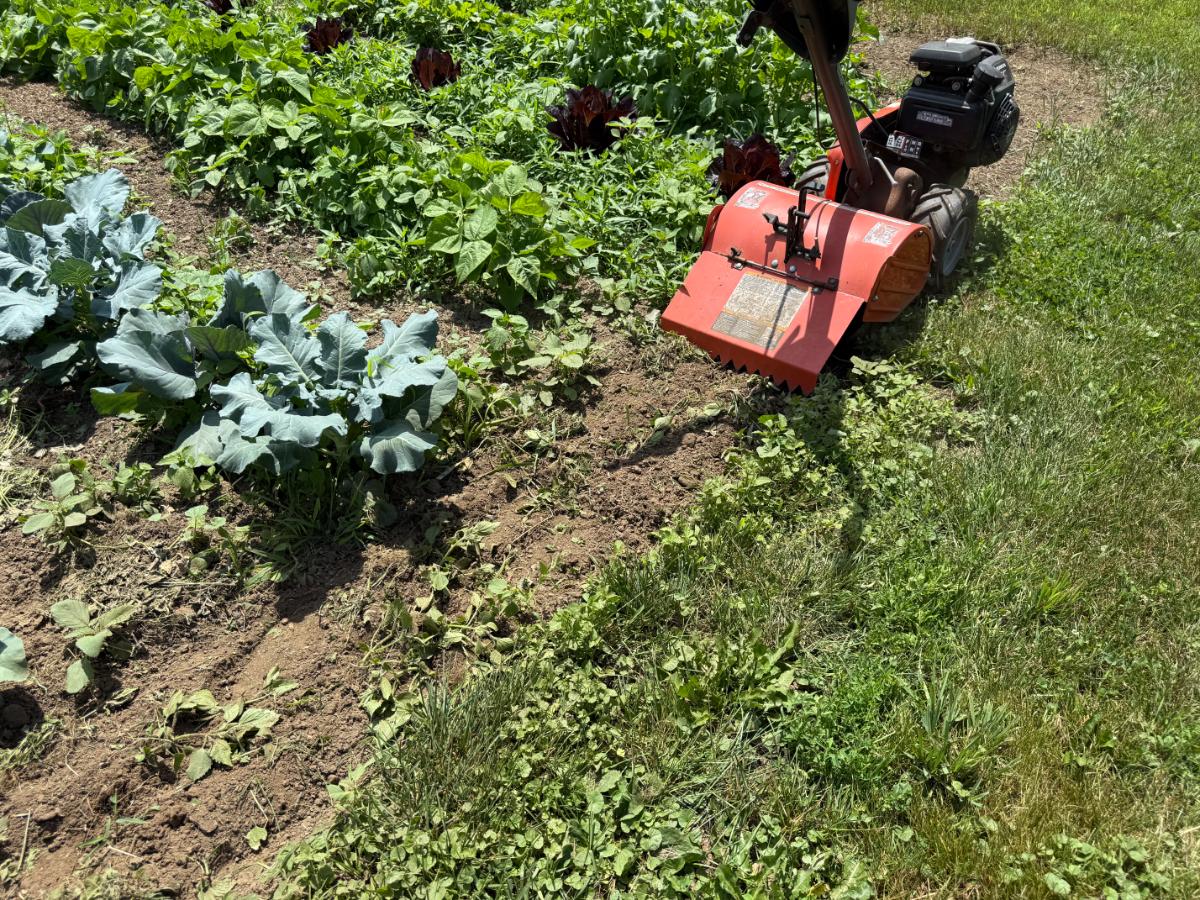
Tillers come in different styles for different jobs. Some are small for light work. Others are big for tough soil.
- Front-tine tillers have blades in front. They are good for breaking new ground.
- Rear-tine tillers have blades in the back. They work well on large, hard soil.
- Cultivators are small tillers. They help loosen soil around plants.
Matching Tiller To Soil And Garden Size
Choose a tiller based on your soil type and garden size. Light tillers work best in soft soil.
Hard or rocky soil needs a stronger tiller. Large gardens need bigger machines to save time.
| Soil Type | Garden Size | Recommended Tiller |
|---|---|---|
| Soft soil | Small garden | Cultivator or small front-tine tiller |
| Soft soil | Large garden | Rear-tine tiller |
| Hard or rocky soil | Small garden | Heavy-duty front-tine tiller |
| Hard or rocky soil | Large garden | Heavy-duty rear-tine tiller |
Credit: gardening.org
Pre-use Inspection
Before using a garden tiller, it is important to inspect it carefully. This helps keep the tiller working well and prevents damage.
Check key parts like fuel, oil, tines, blades, and air filters. Doing this saves time and money.
Checking Fuel And Oil Levels
Start by looking at the fuel tank. Make sure it has enough fuel for your work. Use fresh fuel to avoid engine problems.
Next, check the oil level. Low oil can harm the engine. Use the dipstick to see if the oil level is correct.
- Fill the fuel tank with fresh gasoline
- Check the oil with the dipstick
- Add oil if the level is low
- Use the type of oil the manufacturer recommends
Inspecting Tines And Blades
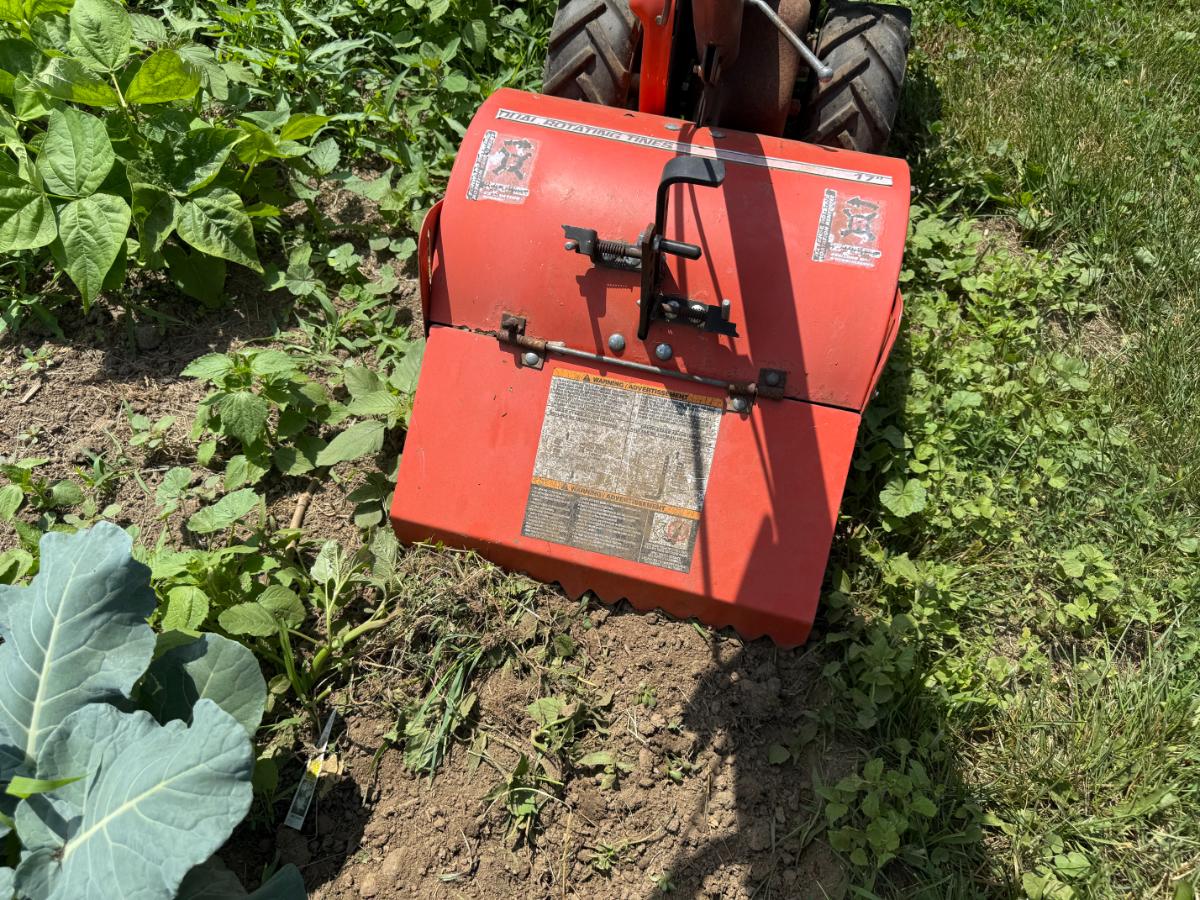
Look closely at the tines and blades. They must be sharp and free from damage. Bent or broken parts reduce tilling power.
Clean any dirt or debris from the tines. Remove stuck weeds or roots before you start working.
- Check for bent or broken tines
- Make sure blades are sharp
- Clean dirt and debris off the tines
- Replace damaged parts before use
Examining Air Filters
Air filters keep dirt out of the engine. Check the filter for dirt and dust before you start.
If the filter is dirty, clean or replace it. A clean air filter helps the engine run smoothly and last longer.
- Remove the air filter cover
- Look for dirt, dust, or damage
- Clean the filter if reusable
- Replace the filter if it is too dirty
Cleaning After Use
Cleaning your garden tiller after use keeps it working well. Dirt and debris can cause damage if left on the machine.
Regular cleaning helps the tiller last longer and run smoothly next time.
Removing Soil And Debris
Soil and plant debris often stick to the blades and wheels. Removing them prevents rust and wear.
Use a stiff brush or a stick to scrape off the dirt. Avoid using water if the tiller is electric.
- Turn off and unplug the tiller before cleaning.
- Brush soil from blades, tines, and wheels.
- Use a cloth to wipe down the body.
- Dry the parts completely to stop rust.
Cleaning Air Filters And Spark Plugs
Clean air filters prevent dirt from entering the engine. Spark plugs need cleaning to start the tiller easily.
Remove the air filter and wash it if it is foam. Replace it if it is paper and very dirty.
- Remove the spark plug using a wrench.
- Check for dirt and clean with a wire brush.
- Replace the spark plug if it is damaged.
- Reinstall parts securely before use.
Lubrication And Oil Changes
Keeping your garden tiller in good shape needs regular care. Lubrication and oil changes help the machine work smoothly. They also extend the tiller’s life and prevent damage.
Understanding how to lubricate moving parts and when to change the oil is key. These tasks are simple but very important for your tiller’s performance.
Lubricating Moving Parts
Lubrication reduces friction and wear on parts like the wheels and blades. It keeps the tiller running quietly and smoothly. Use the right grease or oil for each part. Check your tiller’s manual for guidance.
- Clean the parts before applying lubricant
- Use a grease gun to apply grease on fittings
- Lubricate blade shafts and wheel bearings
- Do not over-lubricate to avoid dirt buildup
- Wipe off excess grease after application
Scheduling Regular Oil Changes
Oil keeps the engine parts moving well and cools them down. Changing oil regularly removes dirt and metal bits. This protects the engine from damage and improves fuel efficiency.
| Interval | Action |
| First 5 hours | Change oil after break-in period |
| Every 25 hours | Replace oil for normal use |
| Every 50 hours | Use synthetic oil if recommended |
| Before storage | Change oil and clean filter |
Blade And Tine Maintenance
Keeping your garden tiller in good shape is important. This guide will help you maintain the blades and tines of your tiller.
Regular maintenance ensures your tiller works efficiently. Let’s focus on sharpening and replacing blades, and adjusting tine depth and angle.
Sharpening And Replacing Blades
Blades need to be sharp for effective tilling. Dull blades can harm your soil and plants.
Check the blades for any damage before sharpening. If they are beyond repair, replacing them is necessary.
- Use a file or grinder to sharpen blades.
- Wear safety gloves to protect your hands.
- Replace blades that are chipped or cracked.
Adjusting Tine Depth And Angle
Proper tine depth helps in breaking soil effectively. Adjusting the angle ensures even tilling.
Check your tiller’s manual for recommended settings. Adjust the depth and angle based on soil type.
- Loosen the adjustment knobs to change depth.
- Set tines deeper for hard soil, shallower for soft.
- Ensure tines are angled correctly for even tilling.
Credit: gardening.org
Storage Tips
Keeping your garden tiller in good shape needs proper storage. Good storage protects it from damage and rust.
Follow these tips to store your tiller safely during off-season or long breaks.
Proper Storage Conditions
Store your tiller in a dry, clean place. Avoid wet or humid areas to stop rust and mold.
Keep it away from direct sunlight. Too much sun can damage plastic and rubber parts.
- Use a covered shed or garage
- Keep the floor dry and clean
- Store on a flat surface to keep balance
- Cover the tiller with a breathable cloth
Preparing Tiller For Off-season
Before storing your tiller, clean it well. Remove dirt, grass, and debris from blades and wheels.
Drain the fuel or add fuel stabilizer. Old fuel can cause engine problems when you use it again.
- Clean air filter or replace if needed
- Check and change the oil
- Lubricate moving parts to prevent rust
- Remove spark plug to avoid moisture damage
- Store in a dry spot after cleaning
Troubleshooting Common Issues
Maintaining a garden tiller is important for a healthy garden. Sometimes, problems can arise. Knowing how to fix them can save time and effort.
Here are some common issues and how to troubleshoot them. This will help keep your garden tiller running smoothly.
Starting Problems
If your tiller won’t start, check the fuel first. Make sure the fuel tank is full and the fuel is fresh.
Next, inspect the spark plug. A dirty or damaged spark plug can prevent starting. Clean or replace it if needed.
- Check fuel level and freshness
- Inspect and clean spark plug
- Ensure choke is in the correct position
Unusual Noises And Vibrations
Strange noises or vibrations can indicate a problem. Loose parts are a common cause. Check all screws and bolts, tighten them if necessary.
If the problem continues, examine the blades. Damaged blades can cause noise. Replace any bent or broken blades.
- Tighten loose screws and bolts
- Inspect blades for damage
- Replace bent or broken blades
Performance Decline
A decline in performance can be frustrating. Start by cleaning the air filter. A clogged filter restricts airflow and reduces efficiency.
Next, ensure the drive belt is in good condition. A worn belt can slip and affect performance. Replace it if worn out.
- Clean or replace air filter
- Inspect drive belt for wear
- Replace worn drive belt
Credit: gardening.org
Safety Precautions
Using a garden tiller can be risky without safety measures. Follow basic rules to avoid injuries.
Proper care and attention keep you safe while maintaining the tiller. Always prepare before use.
Protective Gear
Wear protective gear to protect your body from dirt, debris, and moving parts. This gear reduces the chance of injury.
Always have the right equipment before starting the tiller. This helps keep you safe and comfortable.
- Sturdy gloves to protect your hands
- Safety goggles to shield your eyes
- Long pants and long sleeves for skin protection
- Closed-toe shoes or boots for foot safety
- Ear protection if the tiller is loud
Safe Operation Practices
Operate the garden tiller carefully to avoid accidents. Know how to start, stop, and control the machine safely.
Check the area for rocks, wires, or other objects before you begin. Keep bystanders away while working.
- Read the user manual before operating
- Keep hands and feet away from moving parts
- Start the tiller on flat ground
- Do not use the tiller when tired or distracted
- Turn off the tiller before cleaning or adjusting
- Store the tiller safely after use
Frequently Asked Questions
How Often Should I Clean My Garden Tiller?
Clean your garden tiller after every use. Remove dirt, debris, and plant material to prevent rust and clogging. Regular cleaning ensures smooth operation and extends the tiller’s lifespan.
What Type Of Oil Is Best For Garden Tillers?
Use high-quality engine oil recommended by the manufacturer. Typically, SAE 10W-30 is suitable for most tillers. Check your tiller’s manual for specific oil type and change intervals.
How Do I Sharpen Tiller Blades Safely?
Wear protective gloves and use a metal file or grinder. Remove the blades if possible, sharpen both edges evenly, and avoid overheating to maintain blade strength.
When Should I Replace Garden Tiller Parts?
Replace parts showing wear, cracks, or damage immediately. Regularly inspect blades, belts, and spark plugs to ensure efficient tilling and prevent breakdowns.
Conclusion
Maintaining your garden tiller keeps it working well for years. Clean the blades and check the oil often. Tighten bolts and replace worn parts quickly. Store the tiller in a dry, safe place. Regular care saves money and effort later.
A well-kept tiller makes gardening easier and more fun. Small steps lead to big results in garden care. Keep your tiller ready, and your garden will thrive.
