

If you want a healthy, green yard, understanding your soil is key. Loamy soil is often called the best type for gardening, but how do you know if your yard has it?
Testing your soil is the first step to giving your plants the perfect home to grow strong. In this guide, you’ll learn simple, effective ways to test your loamy soil and discover what it means for your yard. Keep reading to unlock the secrets of your soil and watch your garden thrive like never before.

Credit: deepgreenpermaculture.com
Characteristics Of Loamy Soil
Loamy soil is a mix of sand, silt, and clay. It holds moisture and drains well at the same time.
This soil type is easy to work with. It supports healthy plant growth in many yards and gardens.
Texture And Composition
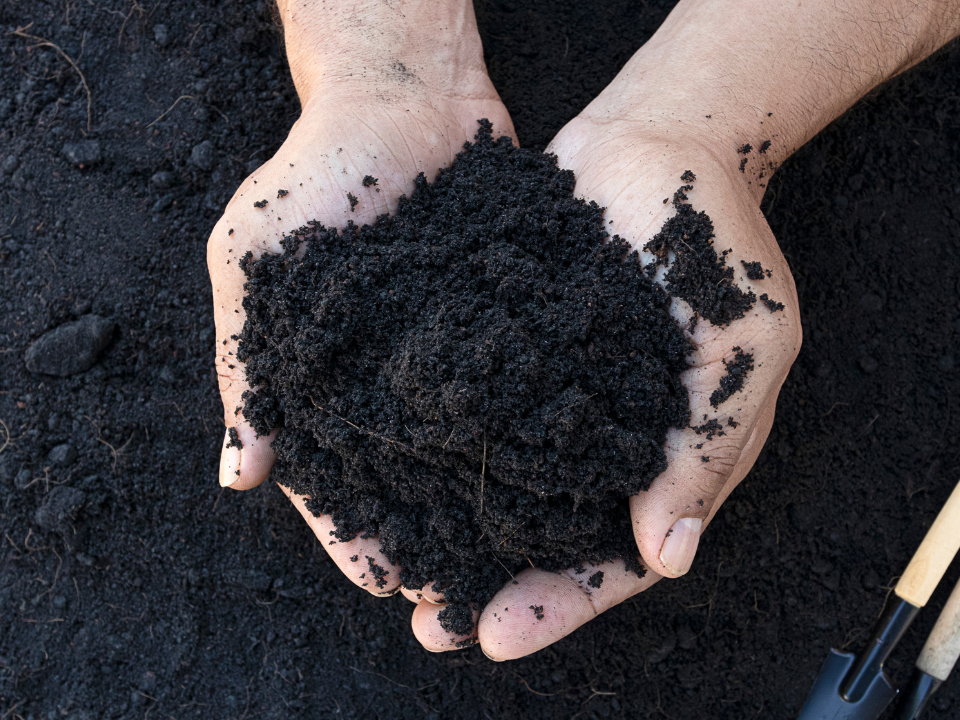
Loamy soil feels soft and crumbly. It is not too sandy or too sticky.
The balance of sand, silt, and clay helps hold nutrients and water. This balance makes loam good for plants.
- Sand gives good drainage and air flow
- Silt holds water and nutrients well
- Clay keeps nutrients in the soil
- Organic matter adds nutrients and improves texture
Benefits For Plant Growth
Loamy soil supports strong root growth. It gives plants enough air, water, and nutrients.
Plants grown in loam often have better health and yield. The soil helps prevent waterlogging and drought stress.
- Good water retention without flooding roots
- Easy root penetration and growth
- Holds nutrients well for plant use
- Improves soil life like earthworms and microbes
Tools Needed For Soil Testing
Testing loamy soil helps you understand its quality for your yard. You need the right tools to check soil health accurately. These tools are easy to use and give useful results.
Knowing the soil condition guides you on what plants will grow well. It also tells you if your soil needs nutrients or adjustments.
Soil Testing Kits
Soil testing kits include everything to test soil nutrients and pH at home. They are affordable and simple to use. Kits often come with instructions and sample containers.
- Small containers to collect soil
- Test tubes or strips for chemicals
- Color charts to compare results
- Instructions for sample preparation
Ph Meters And Moisture Sensors
pH meters measure soil acidity or alkalinity quickly. Moisture sensors check the water content in soil. Both tools help keep your yard healthy by giving real-time data.
| Tool | Purpose | Use |
| pH Meter | Measures soil pH level | Insert probe into soil for instant reading |
| Moisture Sensor | Checks soil water content | Place sensor at root depth to measure moisture |
Collecting Soil Samples
Testing loamy soil helps you know its health and nutrients. Collecting good soil samples is the first step.
Proper samples show true soil conditions. This guide explains how to collect them well.
Choosing Sample Locations
Pick spots that represent your yard well. Avoid places that are unusual like near compost piles or paths.
Take samples from different areas to get a full view of your soil.
- Sample areas with different plants or grass
- Avoid flower beds or new soil patches
- Include shady and sunny spots
- Take samples from areas that look healthy and unhealthy
Proper Sampling Techniques
Use clean tools like a trowel or soil probe to dig 6 to 8 inches deep. This is the root zone of most plants.
Mix soil from several spots in one area to make a combined sample. This gives better test results.
- Clear debris like grass or stones from the soil surface
- Put mixed soil in a clean container or bag
- Label samples with date and location
- Dry samples at room temperature before testing
Credit: medium.com
Testing Soil Texture At Home
Knowing your soil texture helps you care for your yard better. Loamy soil is great for plants because it holds water and drains well.
You can test soil texture at home using simple ways. These tests help you understand if your soil is loamy.
Jar Test Method
The jar test shows the soil’s composition by separating sand, silt, and clay. You only need a jar, water, and soil.
Fill the jar with soil and water. Shake it well. Let it sit for 24 hours to see layers form.
- The bottom layer is sand (largest particles).
- The middle layer is silt (medium size).
- The top layer is clay (smallest particles).
- Loamy soil has roughly equal parts of sand, silt, and clay.
Ribbon Test Method
The ribbon test helps feel the soil texture by making a soil ribbon with water. It shows how sticky and smooth your soil is.
Take some soil and add water until it feels like putty. Press and squeeze it between your fingers to form a ribbon.
- If the ribbon is short and crumbly, the soil is sandy.
- A smooth, long ribbon means high clay content.
- Loamy soil makes a medium-length ribbon that breaks easily.
Measuring Soil Ph
Testing the pH of loamy soil helps you understand its acidity or alkalinity. This test guides you in choosing the right plants and soil treatments.
There are simple methods to measure soil pH at home. Two common tools are pH test strips and electronic pH meters.
Using Ph Test Strips
pH test strips are easy to use and affordable. They change color based on the soil’s pH level.
- Collect a small soil sample from your yard.
- Mix the soil with some distilled water to make a slurry.
- Dip the pH test strip into the mixture for a few seconds.
- Remove the strip and wait for the color to develop.
- Compare the strip color to the chart provided with the strips.
Electronic Ph Meters
Electronic pH meters give quick and accurate readings. They use a probe to measure the soil’s pH directly.
| Step | Action | Tip |
| 1 | Turn on the pH meter and calibrate it with a buffer solution. | Follow the meter’s instruction manual for calibration. |
| 2 | Insert the probe into moist loamy soil. | Make sure the soil is not too dry or too wet. |
| 3 | Wait for the reading to stabilize on the meter’s display. | Hold the meter steady during measurement. |
| 4 | Record the pH value shown. | Clean the probe after use to keep it accurate. |
Assessing Nutrient Levels
Testing loamy soil is important for a healthy yard. It helps you know the nutrients in your soil.
Understanding your soil’s nutrients helps you grow plants better. It ensures your yard stays green and vibrant.
Key Nutrients To Test
Several nutrients are vital for plant growth. Testing these nutrients ensures your soil is balanced.
- Nitrogen: Essential for leaf growth and green color.
- Phosphorus: Helps roots and flowers develop.
- Potassium: Strengthens plants against diseases.
Interpreting Test Results
Understanding test results helps you improve your soil. It tells you which nutrients are lacking.
Adjust your soil based on the results. Add the right nutrients for a healthier yard.
| Nutrient | Action Needed |
| Low Nitrogen | Add compost or fertilizer |
| Low Phosphorus | Use bone meal or rock phosphate |
| Low Potassium | Apply wood ash or potash |
Improving Loamy Soil Quality
Loamy soil is great for your yard because it holds water and nutrients well. Testing your soil helps you know what it needs to grow healthy plants.
Understanding soil quality can help your garden thrive. Let’s explore how to improve it with some key techniques.
Amendments For Nutrient Balance
Adding compost can boost the nutrients in loamy soil. It provides plants with essential minerals and improves soil structure.
Manure is another option. It enriches the soil with nitrogen, which helps plants grow strong and healthy.
- Compost enriches the soil with organic matter
- Manure adds nitrogen for plant growth
- Mulch retains moisture and prevents weeds
Adjusting Soil Ph
Soil pH affects how plants absorb nutrients. You can test your soil with a pH kit to find out its level.
If your soil is too acidic, adding lime can help. It raises the pH level, making nutrients more available to plants.
- Use a pH kit to test your soil’s pH level
- Add lime to increase pH if soil is too acidic
- Elemental sulfur can lower pH if soil is too alkaline
Credit: www.lawnstarter.com
Maintaining Healthy Soil For Yard
Loamy soil is great for yards because it holds water and nutrients well. Testing your soil helps keep it healthy and supports plant growth.
Regular soil checks help you know when to add nutrients or adjust pH. This care improves your yard’s look and health.
Regular Testing Schedule
Test loamy soil at least twice a year. Spring and fall are the best times. These tests show nutrient levels and soil pH.
Keep records of each test. Watch for changes to know when to add fertilizers or lime. Regular testing prevents problems early.
- Test soil in spring before planting
- Test soil in fall after harvest
- Check pH and nutrient levels
- Record results for comparison
Best Practices For Soil Care
Good soil care keeps your yard green and strong. Add organic matter like compost to improve loamy soil.
Avoid compacting soil by limiting heavy traffic. Water deeply but not too often to keep moisture balanced.
- Add compost or mulch yearly
- Use natural fertilizers as needed
- Keep soil loose by aerating
- Water deeply to encourage roots
- Reduce foot traffic on wet soil
Frequently Asked Questions
How Do I Test If My Soil Is Loamy?
To test loamy soil, feel its texture—loam is soft, crumbly, and moist. Mix soil with water to form a ball. It holds shape but crumbles easily. Loamy soil has balanced sand, silt, and clay, supporting healthy plant growth.
What Tools Are Needed For Loamy Soil Testing?
You only need simple tools: a soil sample bag, water, and a jar. A soil testing kit can help check pH and nutrients. These tools let you evaluate texture, moisture, and fertility at home.
How To Check Soil Texture For Loam Type?
Take a soil sample and rub it between your fingers. Loamy soil feels smooth and slightly gritty. Add water to form a ball; it should hold shape but break easily when pressed.
Why Test Loamy Soil Before Planting?
Testing loamy soil ensures optimal plant growth by confirming nutrient balance and texture. It helps identify if amendments are needed. Proper testing prevents poor drainage and root issues, promoting a healthy yard.
Conclusion
Testing loamy soil helps you understand your yard better. It shows what plants will grow well. Simple tests give clear results fast. Knowing soil texture guides your gardening choices. Healthy soil means happier plants and less work. Try testing regularly to track changes over time.
Your yard will thank you with lush growth. Small steps lead to big garden success. Give your soil the attention it needs today.
