
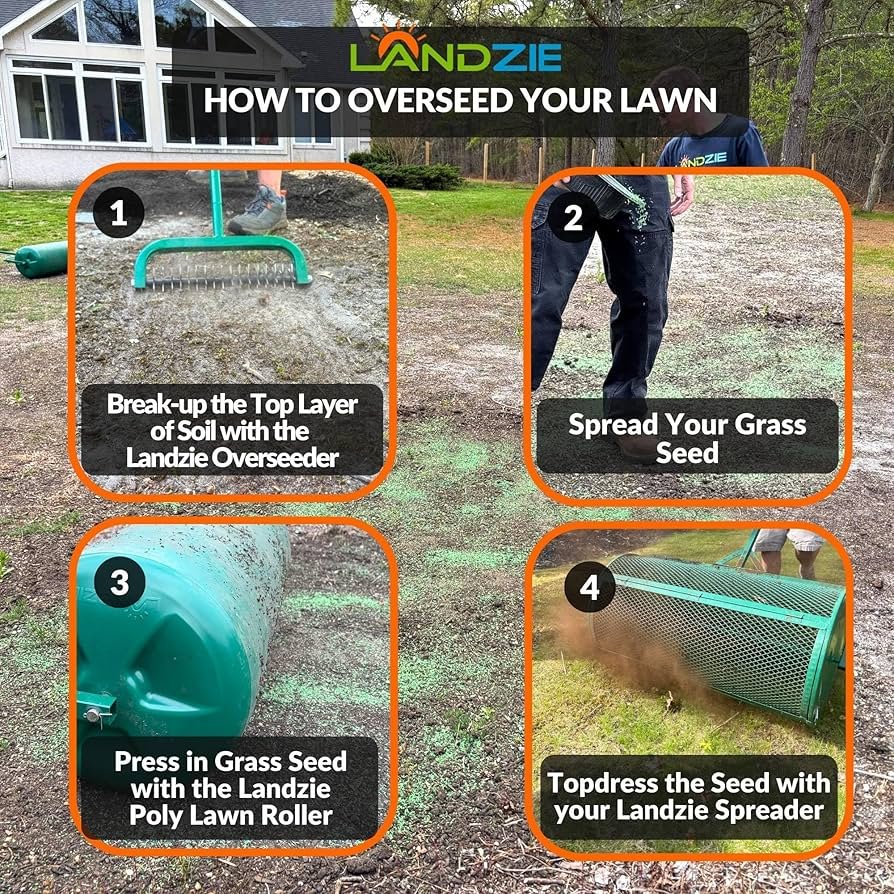
Are you planting new sod and wondering if a lawn roller is really necessary? You might be asking yourself whether this tool will make a difference or if it’s just an extra step you can skip.
The truth is, using a lawn roller can have a big impact on how your new grass takes root and grows strong. You’ll discover exactly why a lawn roller could be the secret to a lush, even lawn that lasts.
Keep reading to find out if this simple tool is worth adding to your sod installation process.

Credit: www.amazon.com
Purpose Of A Lawn Roller
A lawn roller helps flatten and smooth soil or grass. It makes the ground even and firm.
Using a lawn roller can improve the look and health of new sod. It helps the sod stay in place.
How Lawn Rollers Work
A lawn roller is a heavy cylinder that you push or pull over the sod. Its weight presses the soil down.
This pressure removes air pockets and helps the soil settle evenly. It makes the sod touch the ground well.
Benefits For New Sod
Rolling new sod helps roots grow better by keeping soil close to them. This improves water absorption.
It also prevents the sod from moving or lifting during wind or rain. This helps the grass establish firmly.
- Reduces air pockets under the sod
- Improves soil contact for root growth
- Keeps sod in place during weather changes
- Creates a smooth, even lawn surface
When To Use A Lawn Roller
A lawn roller is a tool used to flatten the soil or sod on your lawn. It helps to press the sod firmly into the soil below. This can improve the contact between the roots and the soil.
Knowing the right time to use a lawn roller is important. Using it at the wrong time can harm your new sod. Let’s look at the best conditions and timing for rolling new sod.
Ideal Conditions For Rolling
Roll your new sod when the soil is moist but not too wet. Wet soil can get compacted and damage roots. Dry soil may not allow the roller to press the sod well.
The weather should be calm and dry. Avoid rolling on windy or rainy days. This helps the sod stay in place and roots grow properly.
- Soil moisture: moist but not soggy
- Weather: calm and dry conditions
- Ground: firm but not hard soil
Timing After Sod Installation
Roll your sod right after laying it. This helps remove air pockets between the sod and soil. Good contact helps roots grow faster.
Avoid rolling more than once a week after installation. Too much rolling can compact soil and stop water from reaching roots.
- Roll immediately after sod installation
- Do not roll repeatedly in a short time
- Water the sod after rolling to help roots settle
Alternatives To Lawn Rolling
Lawn rolling is common after laying new sod. It helps press the sod firmly to the soil. Still, you can use other ways to achieve good contact between sod and ground.
These alternatives can be easier or cheaper. They also work well for smaller lawns or tight spaces.
Manual Methods
You can press sod down without a roller. Manual methods use your hands or simple tools. These ways help the sod touch the soil firmly.
Walking gently on the sod or using a flat board can help. Press down evenly but don’t damage the grass.
- Walk carefully on the sod with soft shoes
- Use a flat wooden board to press the sod
- Lightly tamp with the back of a shovel or rake
- Water the sod after pressing to help roots grow
Other Equipment Options
There are tools besides traditional lawn rollers. Some garden tools make sod pressing easier. They work well for different lawn sizes.
Using a hand tamper or a weighted board can apply pressure. Some gardeners use lawn spreaders filled with weight for rolling.
- Hand tamper: a heavy tool for pressing soil and sod
- Weighted board: a flat board with added weight
- Garden roller alternatives: weighted lawn spreaders
- Using a lawn mower with heavy rollers attached

Credit: brinly.com
Potential Risks Of Using A Lawn Roller
Using a lawn roller on new sod may seem helpful to press the grass down. It can make the surface look smooth and even. But there are risks that can harm your new lawn.
It is important to know these risks before deciding to use a lawn roller. Rolling the lawn too much or at the wrong time can cause problems for the grass and soil.
Soil Compaction Issues
Using a lawn roller can press the soil too hard. This is called soil compaction. Compacted soil has fewer air spaces for water and roots.
When soil is compacted, grass roots cannot grow well. Water can stay on the surface or run off. This makes it hard for the new sod to get enough water and nutrients.
- Reduces air flow to roots
- Limits water absorption
- Prevents deep root growth
- Can cause poor lawn health
Damage To New Grass
Rolling new sod too soon or too hard can hurt the grass blades and roots. The pressure may crush the young plants and stop them from growing.
Damaged grass takes longer to establish. It may turn brown or die in some spots. This means you might need to replace parts of your lawn.
- Breaks grass blades
- Crushes young roots
- Delays lawn growth
- Leads to patchy grass
Step-by-step Lawn Rolling Guide
Is using a lawn roller necessary for new sod? This guide will help you decide. Proper rolling can ensure the sod roots well.
Follow these steps for a lush, even lawn. Each part of the process is important for the health of your new sod.
Preparation Before Rolling
Before you begin, make sure the area is ready. Proper preparation is key to successful sod installation.
- Clear debris and rocks from the soil.
- Water the sod lightly so it’s moist.
- Check the roller for any damage.
Rolling Techniques
Rolling techniques can make or break the sod’s establishment. Ensure you follow these tips for best results.
Keep the roller half full of water for optimal weight. Roll the sod once in each direction for even compression.
Post-rolling Care
After rolling, care for the sod is essential. Proper post-rolling care ensures the sod takes root.
| Task | Frequency |
| Water the sod | Daily for first week |
| Check for air pockets | Every other day |
| Keep off the lawn | Two weeks minimum |
With these steps, your new sod should root well and grow evenly. Follow this guide for a healthy, beautiful lawn.
Choosing The Right Lawn Roller
Lawn rollers help press new sod into the soil. This helps the roots grow strong and even.
Picking the right roller makes the job easier and protects your new lawn.
Types Of Lawn Rollers
There are different lawn rollers for different needs. Each type works best in certain situations.
- Water-Filled Rollers:These rollers fill with water for heavy weight. They are easy to move when empty.
- Steel Rollers:Made from solid steel, these are very heavy and good for large areas.
- Plastic Rollers:Lightweight and easy to handle, best for small lawns.
- Manual Rollers:Pushed by hand, good for small jobs and tight spaces.
- Tow-Behind Rollers:Attach to a lawn tractor or mower for big areas.
Size And Weight Considerations
Choose a roller size that fits your lawn size. A heavy roller can hurt the sod if used wrong.
Light rollers work well for small lawns. Larger lawns may need heavier rollers to press the soil properly.
- Small rollers weigh around 50-100 pounds, ideal for home yards.
- Medium rollers weigh 100-200 pounds, good for moderate lawns.
- Large rollers can weigh over 300 pounds for big areas.
- Too heavy rollers can damage roots and soil structure.

Credit: www.amazon.com
Frequently Asked Questions
What Is The Purpose Of Using A Lawn Roller On New Sod?
A lawn roller helps press new sod firmly onto the soil. This ensures better root contact and reduces air pockets, promoting faster growth and healthier grass establishment.
Can New Sod Grow Well Without A Lawn Roller?
Yes, new sod can grow without a lawn roller. However, rolling improves soil contact and root establishment, leading to a more even and robust lawn.
When Should You Use A Lawn Roller For New Sod?
Use a lawn roller immediately after laying new sod. Rolling right away ensures better soil contact, reduces air gaps, and helps the sod root quickly and evenly.
Does A Lawn Roller Damage New Sod If Used Incorrectly?
Yes, excessive rolling can damage new sod by compacting soil too much. Use light, even pressure to avoid harming roots or soil structure.
Conclusion
A lawn roller can help new sod settle better into the soil. It presses the roots firmly, improving contact and water absorption. This leads to stronger grass growth and fewer air pockets. Still, using it gently is key to avoid soil compaction.
Not every lawn needs a roller, but it often makes a positive difference. Consider your soil type and sod condition before deciding. A well-prepared lawn starts with good choices like this one.
