
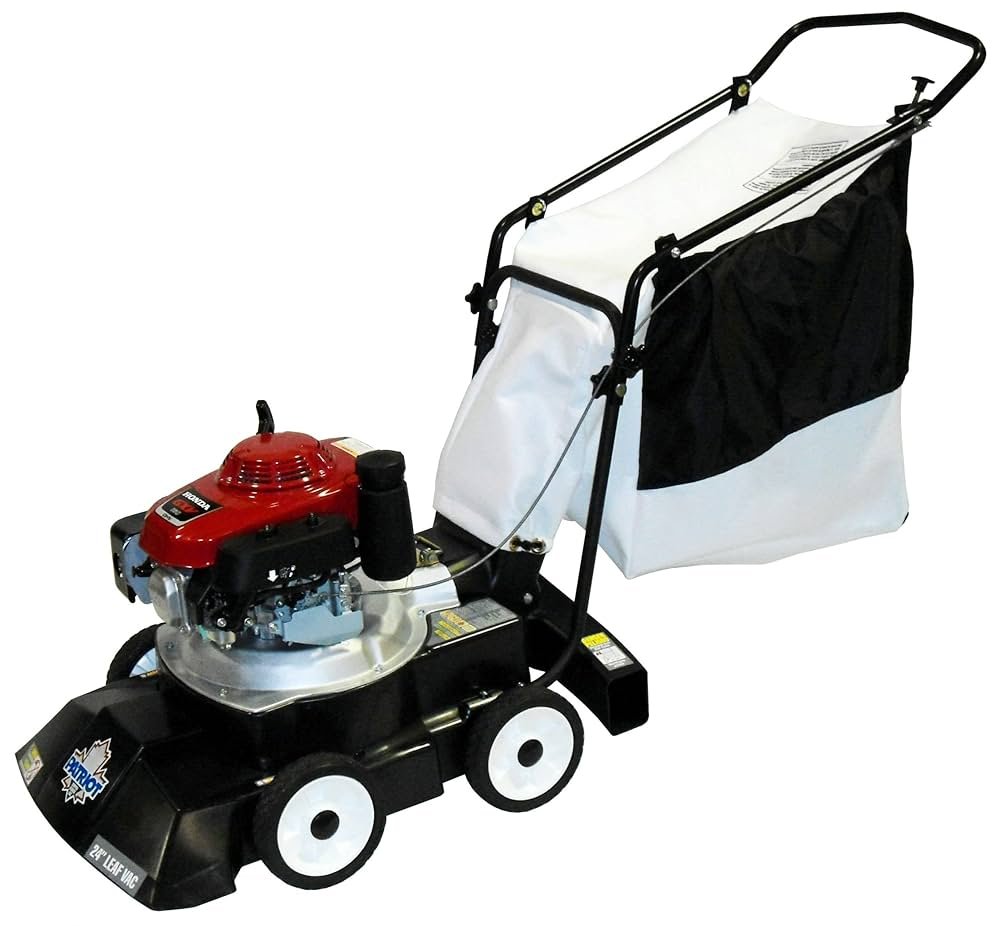
Are you tired of spending hours raking and sweeping fallen leaves from your yard? A leaf vacuum might be the simple solution you’ve been looking for.
But what exactly is a leaf vacuum, and how can it make your outdoor cleanup faster and easier? You’ll discover everything you need to know about leaf vacuums—how they work, why they’re useful, and how they can save you time and effort.
Keep reading, and you’ll soon wonder how you ever managed without one.
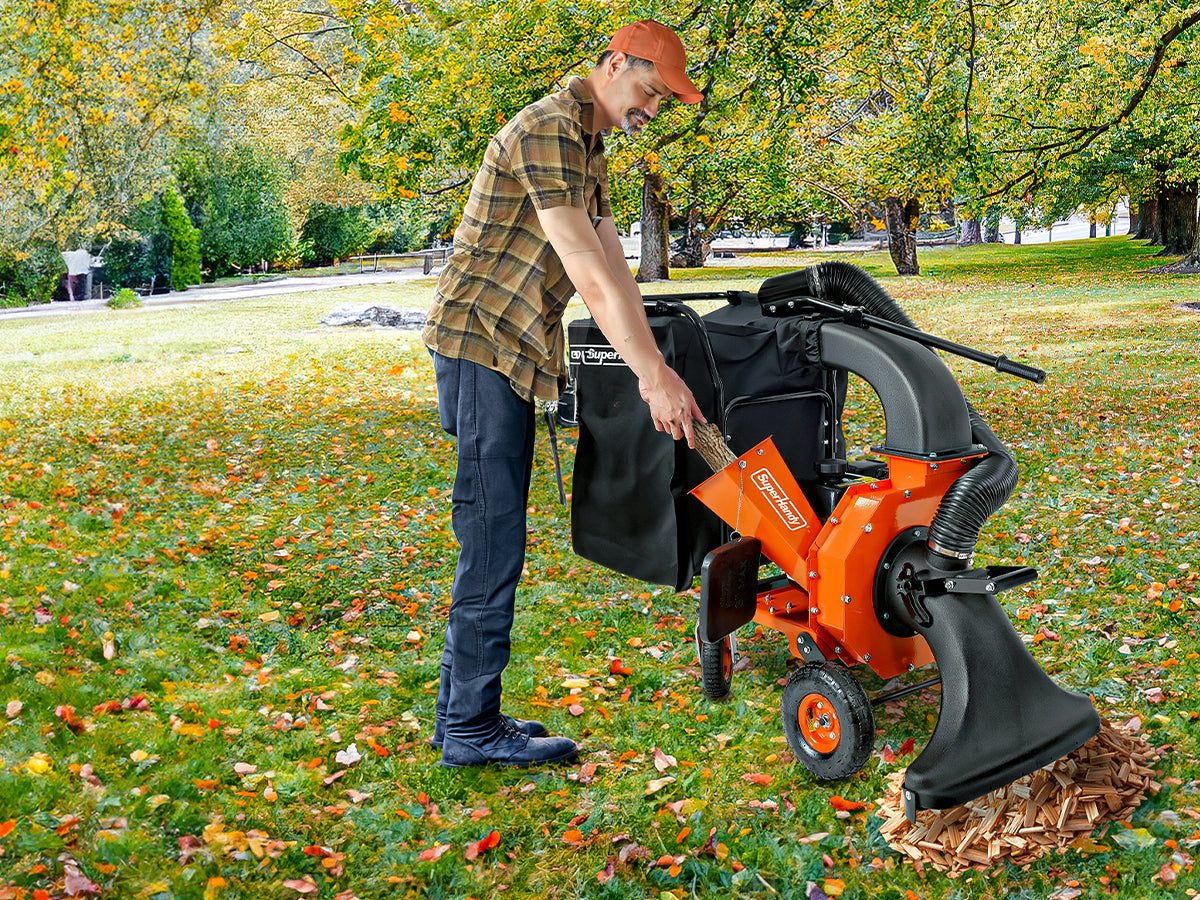
Credit: superhandyus.com
Leaf Vacuum Basics
A leaf vacuum is a tool used to clean up leaves and yard debris. It helps keep lawns and gardens tidy.
These machines make it easier to collect leaves without raking. They save time and effort.
How Leaf Vacuums Work
Leaf vacuums use suction to pick up leaves and small debris. They draw leaves into a collection bag or container.
Some models shred leaves as they vacuum. This reduces the amount of space needed for disposal.
Types Of Leaf Vacuums
There are different types of leaf vacuums based on power source and design. Each type suits different yard sizes and needs.
- Electric leaf vacuums – lightweight and quiet, good for small yards
- Gas-powered leaf vacuums – stronger suction, suitable for large areas
- Backpack leaf vacuums – worn on the back, easy to carry around
- Walk-behind leaf vacuums – for heavy-duty use on big lawns
Key Features To Look For
Choosing the right leaf vacuum means checking its features. Good features improve performance and ease of use.
- Suction power – stronger power cleans better
- Bag capacity – bigger bags hold more leaves
- Weight – lighter models are easier to handle
- Noise level – quieter machines cause less disturbance
- Mulching ability – shreds leaves to save space
- Adjustable speed – control suction for different tasks

Credit: www.familyhandyman.com
Benefits Of Using Leaf Vacuums
Leaf vacuums are tools designed to help clean up leaves and yard debris. They make yard work easier and faster.
Using a leaf vacuum can improve how your yard looks and help the environment at the same time.
Improved Yard Cleanliness
Leaf vacuums pick up leaves and small debris quickly. This keeps your yard neat and tidy.
They can reach spots that rakes or blowers might miss. This means fewer leaves on your lawn.
Time And Effort Savings
Leaf vacuums reduce the time it takes to clean your yard. They work faster than manual raking.
You do not need to bend or strain as much. This saves your energy and makes yard work easier.
- Collects leaves quickly
- Reduces physical effort
- Makes cleanup faster
Environmental Impact
Leaf vacuums help reduce waste by collecting leaves for composting. Composting returns nutrients to the soil.
They produce less dust and noise than blowers. This helps keep the air cleaner and reduces noise pollution.
- Supports composting efforts
- Lowers dust in the air
- Reduces noise pollution
Choosing The Right Leaf Vacuum
A leaf vacuum helps keep your yard clean by removing leaves and debris easily. Picking the right one depends on your needs and yard size.
This guide explains the differences between electric and gas models, size and capacity options, and budgeting tips.
Electric Vs Gas Models
Electric leaf vacuums run on batteries or cords and are quieter and lighter. Gas models have more power and work longer but are heavier and louder.
- Electric models are good for small to medium yards.
- Gas models suit large yards or heavy leaf piles.
- Electric vacuums need less maintenance.
- Gas vacuums offer stronger suction and longer use without charging.
Size And Capacity Considerations
Choose a leaf vacuum size that matches your yard size and leaf volume. Larger bags hold more leaves but add weight.
| Bag Capacity | Best For |
| 10-15 liters | Small yards, light leaf fall |
| 20-30 liters | Medium yards, regular leaf cleanup |
| 40+ liters | Large yards, heavy leaf fall |
Budget And Price Range
Leaf vacuums come in a range of prices. Set a budget to find a model with the features you need.
- Entry-level models cost less but may have lower power and smaller bags.
- Mid-range models balance price, power, and capacity well.
- High-end models offer the strongest suction and largest bags but cost more.
Operating Tips And Safety
A leaf vacuum is a handy tool for yard maintenance. It helps in collecting leaves and small debris with ease. Using it safely is important for effective operation.
Knowing proper usage techniques and maintenance can extend its lifespan. Safety precautions are essential to avoid accidents. Let’s explore these aspects.
Proper Usage Techniques
Understanding how to use a leaf vacuum is key. Start by reading the user manual. Familiarize yourself with the controls and settings.
- Choose the right nozzle for the job
- Keep the vacuum at a steady angle
- Do not overload the vacuum bag
Maintenance And Care
Regular maintenance ensures your leaf vacuum works well. Clean the vacuum after each use. Check for any damaged parts.
- Empty the bag after each use
- Inspect and clean filters regularly
- Store in a dry place to prevent rust
Safety Precautions
Safety is crucial when operating a leaf vacuum. Wear protective gear to avoid injuries. Be aware of your surroundings at all times.
- Wear safety glasses and gloves
- Keep children and pets away while operating
- Do not use in wet conditions
Comparing Leaf Vacuums To Other Tools
Leaf vacuums are helpful tools for cleaning yards. They collect leaves by sucking them up. Many people compare them to other tools like leaf blowers, rakes, and mulchers.
This guide explains how leaf vacuums differ from these common tools. It helps you see which tool fits your needs best.
Leaf Blowers
Leaf blowers move leaves by pushing air. They clear leaves quickly but do not collect them. This means you still need to gather leaves after blowing.
- Leaf vacuums collect leaves directly, reducing cleanup time.
- Leaf blowers are lighter and easier to carry.
- Leaf vacuums can be heavier and need more power.
- Blowers spread leaves; vacuums remove them from the yard.
Rakes And Brooms
Rakes and brooms are manual tools for gathering leaves. They do not require fuel or electricity. These tools are quiet and cheap but take more time and effort.
| Tool | Effort | Speed | Cost | Noise Level |
| Leaf Vacuum | Medium | Fast | High | Medium |
| Rake | High | Slow | Low | Quiet |
| Broom | Medium | Slow | Low | Quiet |
Mulchers And Composters
Mulchers and composters break down leaves into small pieces. Mulchers shred leaves to reduce volume. Composters turn leaves into nutrient-rich soil over time.
Key differences between leaf vacuums and mulchers/composters:
- Leaf vacuums collect leaves but do not always shred them.
- Mulchers reduce leaf size for easier disposal.
- Composters recycle leaves into soil for gardening use.
- Leaf vacuums can have mulching functions, combining tasks.
Popular Leaf Vacuum Brands
Leaf vacuums help keep your yard clean. Many brands offer reliable models.
Choosing the right brand is important. It ensures you get a quality product.
Top Rated Models
Several leaf vacuum models stand out. They are known for performance and durability.
- Brand A: Model X is lightweight and powerful.
- Brand B: Model Y offers a large capacity bag.
- Brand C: Model Z has adjustable speeds.
Customer Reviews
Customers often share feedback. This helps others make informed decisions.
Most reviews focus on ease of use and efficiency. People like when a vacuum is easy to handle.
Warranty And Support
Warranty is crucial for peace of mind. Many brands offer solid support.
Check if the brand provides good customer service. A longer warranty can be a big plus.
| Brand | Warranty Period |
| Brand A | 2 years |
| Brand B | 3 years |
| Brand C | 1 year |
Tips For Efficient Yard Cleanup
Cleaning leaves from your yard keeps it neat and healthy. Using a leaf vacuum can make this task easier and faster.
Knowing the right time and tools helps you clean up leaves efficiently. Proper disposal also protects the environment.
Best Times For Leaf Removal
Remove leaves when they are dry. Wet leaves can clog your leaf vacuum and slow down work.
The early morning or late afternoon is best. Leaves are usually dry and easy to collect during these times.
Combining Tools For Effectiveness
Use a rake to gather leaves into piles before using a leaf vacuum. This saves time and prevents blockages.
- Rake leaves into small piles
- Use the leaf vacuum to suck up the piles
- Use a blower to clear hard-to-reach spots
- Wear gloves and eye protection for safety
Disposal And Recycling Of Leaves
| Method | Description |
| Composting | Leaves break down into rich soil material |
| Mulching | Leaves cut into small pieces to protect plants |
| Municipal Pickup | Some towns collect leaves for recycling |
| Yard Waste Bags | Use biodegradable bags for leaf disposal |

Credit: www.familyhandyman.com
Frequently Asked Questions
What Is A Leaf Vacuum Used For?
A leaf vacuum is used to collect leaves, grass clippings, and small debris efficiently. It helps keep yards clean and reduces manual raking effort. This tool also mulches leaves, making disposal easier and eco-friendly.
How Does A Leaf Vacuum Work?
A leaf vacuum uses suction power to pull leaves and debris into a collection bag. Some models shred the leaves inside, reducing volume. This makes yard cleanup faster and less physically demanding.
Are Leaf Vacuums Better Than Rakes?
Leaf vacuums save time and effort compared to traditional raking. They collect and mulch leaves quickly, minimizing disposal bulk. However, rakes might be better for delicate plants or uneven terrain.
Can Leaf Vacuums Handle Wet Leaves?
Most leaf vacuums work best with dry leaves but can handle slightly damp ones. Wet leaves may clog the vacuum or reduce suction efficiency. Always check the manufacturer’s guidelines for optimal use.
Conclusion
A leaf vacuum helps keep your yard clean and tidy. It collects leaves quickly and saves time. Using one reduces bending and hard work. Many models also mulch leaves for easy disposal. Choose a leaf vacuum that fits your needs.
Regular use keeps your lawn healthy and neat. It’s a handy tool for autumn and beyond. Simple, effective, and easy to use. A leaf vacuum makes yard cleanup less of a chore. Consider adding one to your garden tools soon.
