
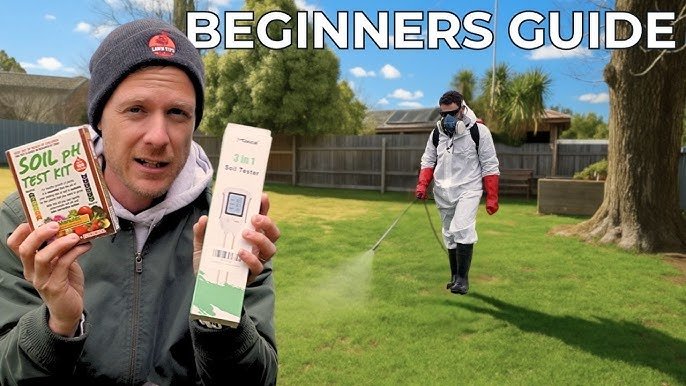
Are you struggling to get your lawn looking lush and green? The secret to a healthy lawn starts right beneath your feet—with your soil.
But how do you know if your soil has what your grass needs to thrive? That’s where soil testing comes in. This simple step can save you time, money, and frustration by revealing exactly what your lawn soil lacks or has in excess.
In this beginner’s guide, you’ll discover how easy soil testing can be and why it’s the key to transforming your lawn into the vibrant, healthy space you’ve always wanted. Keep reading to learn how to take the guesswork out of lawn care and make your grass grow stronger than ever.
Why Soil Testing Matters
Soil testing helps you learn what your lawn needs. It shows the nutrients and pH level in the soil.
Knowing your soil’s condition helps you take better care of your grass. It saves time and money.
Benefits For Lawn Health
Testing soil helps you add the right nutrients. This makes your lawn stronger and greener.
It also helps prevent diseases and pests by keeping the soil balanced. Healthy soil means healthy grass.
- Improves grass growth
- Prevents nutrient deficiencies
- Reduces lawn diseases
- Helps maintain proper soil pH
- Supports strong root development
Common Soil Problems
Some soils lack important nutrients like nitrogen or potassium. Others may be too acidic or too alkaline.
Soil compaction is also a problem. It stops water and air from reaching the roots.
- Nutrient deficiency
- Incorrect pH level
- Soil compaction
- Poor drainage
- High salt content

Credit: growcycle.com
When To Test Your Soil
Testing your lawn soil helps you know what it needs to grow strong grass. It shows if your soil has the right nutrients and pH balance.
Knowing the best time to test soil ensures you get accurate results. This lets you plan care for your lawn better.
Best Seasons For Testing
The best seasons to test lawn soil are spring and fall. The soil is moist and easier to sample then.
Testing in these seasons helps you prepare for the growing season or repair your lawn after summer heat.
- Spring: Before grass starts growing fast
- Fall: After summer heat, before winter
Frequency Of Testing
Test your lawn soil every 2 to 3 years. This keeps track of changes in nutrients and soil health.
If you add fertilizers or lime, test soil before and after. This helps you see how treatments affect your lawn.
- Every 2 to 3 years for most lawns
- Before adding fertilizer or lime
- After heavy lawn treatments or damage
Tools Needed For Soil Testing
Testing your lawn soil helps you know what it needs to grow well. You do not need many tools to check your soil.
This guide shows you the basic tools and optional kits for soil testing. These tools make the process simple and clear.
Basic Equipment List
You need a few simple tools to collect soil samples. These tools are easy to find and use in your yard.
- Soil probe or garden trowel: For digging small soil samples.
- Clean bucket: To mix soil samples evenly.
- Plastic bags or containers: To store soil samples safely.
- Gloves: To keep your hands clean and protect from germs.
- Marker and labels: To write sample locations and dates.
These tools help you collect soil from different lawn spots. Mixing samples gives a good overall soil test.
Optional Testing Kits
Soil testing kits are available to check soil nutrients at home. These kits can give quick results for basic soil needs.
- pH test strips or meters: To measure soil acidity or alkalinity.
- Nitrogen, phosphorus, potassium (NPK) test kits: To check key nutrient levels.
- Moisture meters: To find out how wet the soil is.
- Color charts: To compare soil color for better analysis.
These kits are not needed but can help you learn more about your soil fast. Always follow the instructions carefully.

Credit: www.amazon.ca
How To Collect Soil Samples
Collecting soil samples helps check your lawn’s health. Good samples give clear test results.
Follow simple steps to gather soil from the right spots. This guide shows how to do it well.
Choosing Sampling Locations
Pick spots that show how your lawn grows. Avoid unusual areas like flower beds or places with heavy traffic.
- Divide the lawn into sections of about 2,500 square feet.
- Sample each section separately to get accurate results.
- Look for areas with different grass color or growth.
- Avoid spots near trees or old compost piles.
Step-by-step Sampling Process
Use clean tools to collect soil. Follow these steps to get good samples.
- Remove grass and debris from the surface.
- Dig 4 to 6 inches deep with a trowel or soil probe.
- Take small samples from several spots in each section.
- Put all samples from one section in a clean bucket.
- Mix the samples well to make one combined sample.
- Fill the soil sample bag or container with the mixed soil.
- Label each sample with the section name and date.
| Tool | Purpose |
| Soil Probe | Easy to take uniform samples |
| Trowel | Good for digging in small areas |
| Bucket | Mix samples together |
| Sample Bag | Store soil for testing |
Sending Samples To The Lab
Sending soil samples to a lab is an important step to know your lawn’s health. The lab tests your soil for nutrients and pH levels. This helps you care for your lawn better.
Proper packaging and choosing the right lab ensure accurate test results. Follow these tips to send your samples correctly.
Packaging Tips
Keep your soil samples clean and dry before sending them. Use a clean container or bag for each sample. Label each package with the sample location and date.
- Do not use metal containers; use plastic or paper bags.
- Fill the container only halfway to avoid spills.
- Seal the package tightly to keep moisture out.
- Avoid mixing soil from different areas in one container.
- Include a completed sample form if the lab requires it.
Selecting A Reliable Lab
Choose a lab that has good reviews and is certified. Check if the lab offers clear instructions and quick results. Prices and services can vary.
| Factor | What to Look For |
| Certification | State or national certification |
| Turnaround Time | Results in 1-2 weeks |
| Customer Support | Clear guidance and help |
| Cost | Reasonable fees with no hidden charges |
| Test Options | Basic and advanced soil testing |

Credit: www.amazon.ca
Reading Soil Test Results
Understanding your soil test results is important for lawn care. It helps you know what your soil needs.
This guide will help you read and understand the key nutrients and pH levels in your soil test results.
Key Nutrients To Watch
Your soil test will show levels of important nutrients. These include nitrogen, phosphorus, and potassium. Knowing these levels helps you decide what fertilizers to use.
- Nitrogen: Promotes healthy grass growth.
- Phosphorus: Helps root development.
- Potassium: Aids in disease resistance.
Interpreting Ph Levels
pH levels tell you how acidic or alkaline your soil is. Most grasses prefer a pH between 6.0 and 7.0.
| pH Level | Soil Type |
| Below 6.0 | Acidic |
| 6.0 to 7.0 | Neutral |
| Above 7.0 | Alkaline |
Improving Your Lawn Based On Results
Testing your soil helps understand what your lawn needs. With the right steps, you can make your lawn healthy and green.
This guide will help you learn how to adjust your lawn care based on soil test results.
Adjusting Fertilizer Use
Fertilizer gives your lawn important nutrients. Based on your soil test, you might need to change how much you use.
- Check the nutrient levels in your soil report.
- Identify which nutrients are lacking.
- Choose a fertilizer that matches your soil’s needs.
Amending Soil Ph
Soil pH affects how well plants absorb nutrients. It’s crucial to keep it balanced for a healthy lawn.
| pH Level | Action Needed |
| Below 6.0 | Add lime to raise pH |
| Above 7.0 | Add sulfur to lower pH |
Other Soil Enhancements
Besides pH and nutrients, your soil might need other enhancements to support a lush lawn.
Consider these enhancements:
- Organic matter for better soil structure
- Compost to improve soil fertility
- Aeration for better water and air flow
Diy Soil Testing Options
Testing your lawn soil helps you know what nutrients it needs. You can check soil health yourself with easy tools. These options save time and give quick results.
Two common DIY choices are home test kits and digital soil sensors. Each method has its own way to measure soil quality.
Home Test Kits
Home test kits come with materials to collect and test soil samples. They usually check pH, nitrogen, phosphorus, and potassium levels. Instructions guide you through the process.
- Collect soil from different parts of your lawn
- Mix the samples and fill the test container
- Add testing chemicals or strips provided
- Compare color changes to the chart included
- Note your soil’s nutrient levels and pH
Digital Soil Sensors
Digital soil sensors use probes to measure soil conditions. They show results on a screen or send data to your phone. These sensors measure moisture, temperature, and sometimes nutrients.
| Feature | Home Test Kits | Digital Soil Sensors |
| Ease of Use | Simple | Moderate |
| Speed of Results | Minutes | Real-time |
| Measurements | pH, nutrients | Moisture, temp, some nutrients |
| Cost | Low | Medium to high |
| Data Storage | No | Yes |
Frequently Asked Questions
What Is Soil Testing For Lawns?
Soil testing for lawns analyzes soil nutrients and pH levels. It helps determine soil health and guides proper fertilization. Testing ensures your lawn gets the right nutrients for healthy growth. It prevents over-fertilizing and promotes a lush, green lawn.
How Often Should I Test My Lawn Soil?
Test your lawn soil every 2 to 3 years for best results. Frequent testing tracks nutrient changes and pH balance. Regular testing helps maintain healthy soil and optimal grass growth. It allows timely adjustments to fertilization and soil amendments.
What Nutrients Are Tested In Soil Analysis?
Soil tests typically measure nitrogen, phosphorus, potassium, and pH levels. These nutrients are essential for strong root and grass growth. Tests may also check for calcium, magnesium, and organic matter content. Knowing nutrient levels helps tailor lawn care effectively.
Can I Do Soil Testing At Home?
Yes, DIY soil test kits are available for home use. They provide basic information on pH and nutrient levels. For detailed analysis, sending samples to a lab is recommended. Home kits are affordable and good for quick soil health checks.
Conclusion
Testing your soil helps your lawn grow healthy and strong. It shows what nutrients your soil needs most. You can avoid wasting money on wrong fertilizers. A simple soil test saves time and effort later. Keep your lawn green by caring for its soil.
Start with a test, and watch your grass thrive. Small steps lead to a beautiful, healthy yard. Soil testing is easy and very helpful. Give your lawn the care it deserves today.
