
Are you wondering whether you should prune your plants in fall or spring? Choosing the right season for pruning can make a big difference in the health and growth of your trees and shrubs.
Pruning at the wrong time might harm your plants or slow down their development. But don’t worry—this article will help you understand exactly when and why to prune. By the end, you’ll feel confident about making the best choice for your garden, so your plants can thrive year after year.
Keep reading to discover the secrets of perfect pruning timing!
Benefits Of Fall Pruning
Pruning plants in the fall helps prepare them for the cold months. It makes plants stronger and healthier.
This practice also lowers problems with pests and diseases. Plants grow better in spring after fall pruning.
Enhancing Dormant Plant Health
Fall pruning removes dead and weak branches. This helps plants use energy to stay healthy during winter.
- Clears old growth that can cause disease
- Improves air flow around branches
- Prepares plants for rest in cold weather
Reducing Pest And Disease Risks
Cutting back plants in fall lowers places where bugs can hide. It also removes infected parts of plants.
| Benefit | Effect |
| Removing dead branches | Reduces disease spread |
| Opening plant canopy | Limits insect shelter |
| Clearing fallen leaves | Eliminates pest eggs |
Stimulating Early Spring Growth
Fall pruning helps plants start growing early in spring. It encourages strong new shoots and flowers.
Here are key points on how fall pruning aids spring growth:
- Plant energy focuses on new buds
- Branches grow stronger and fuller
- Flowering happens earlier and lasts longer
:max_bytes(150000):strip_icc()/GettyImages-1328609708-94902f97766145ab94d90bfd3bbb94c9.jpg)
Credit: www.realsimple.com
Advantages Of Spring Pruning
Spring is a popular time for pruning many plants. It helps prepare plants for the growing season.
Pruning in spring can improve plant health and appearance. It encourages new growth and shapes plants well.
Encouraging Vigorous Growth
Pruning in spring removes old or dead branches. This lets the plant put energy into new growth.
New shoots grow stronger and faster after spring pruning. The plant becomes fuller and healthier.
- Removes weak or damaged branches
- Stimulates strong, healthy shoots
- Improves overall plant vigor
Shaping Plants Before Bloom
Spring pruning lets you shape plants before they bloom. This controls size and form.
Shaping early supports better flower display. It helps plants look neat and attractive.
- Controls plant size
- Encourages balanced growth
- Improves flower placement and visibility
Minimizing Winter Damage
Winter can cause branch damage on many plants. Pruning in spring removes broken parts.
Cutting damaged branches helps prevent disease. It also reduces stress on the plant.
- Removes broken or dead branches
- Prevents disease spread
- Helps plants recover after winter
Types Of Plants And Their Pruning Times
Pruning helps plants grow healthy and look good. Different plants need pruning at different times.
Knowing when to prune each plant keeps them strong and blooming. Fall and spring are common times.
Deciduous Trees And Shrubs
Deciduous trees lose their leaves in fall. Pruning them in late winter or early spring is best.
Pruning before new growth starts helps shape the plant and remove dead branches.
- Prune after leaves fall but before buds swell
- Remove any broken or crossing branches
- Avoid heavy pruning in fall to prevent damage
Evergreens
Evergreens keep their leaves all year. Light pruning in late spring or early summer works well.
Pruning in fall can cause damage from cold weather. Avoid heavy cuts before winter.
- Trim new growth in late spring to early summer
- Remove any dead or weak branches
- Save major pruning for warm months
Flowering Plants
Flowering plants need pruning based on when they bloom. Some bloom on old wood, some on new.
Prune spring bloomers right after flowers fade. Prune summer bloomers in late winter or early spring.
| Flowering Type | Pruning Time |
|---|---|
| Spring bloomers | Right after flowering in spring |
| Summer bloomers | Late winter or early spring |
| Repeat bloomers | Light pruning after flowers fade |
Tools And Techniques For Effective Pruning
Pruning helps plants grow healthy and strong. Using the right tools and techniques makes pruning easier and safer.
This guide explains how to choose tools, cut properly, and stay safe while pruning.
Choosing The Right Tools
Select tools based on the plant size and type. Sharp, clean tools make smooth cuts that heal fast.
- Hand pruners for small branches and stems
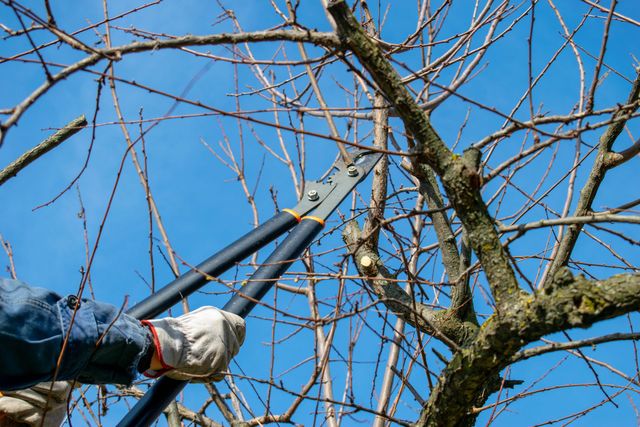
- Loppers for medium branches up to 2 inches thick
- Pruning saws for thick branches over 2 inches
- Gloves to protect hands from thorns and cuts
- Disinfectant to clean tools between cuts
Proper Cutting Methods
Make cuts at a slight angle above a bud or branch. This helps water run off and prevents rot.
- Cut about ¼ inch above a bud facing outward
- Avoid cutting too close to the bud or branch
- Remove dead, damaged, or crossing branches first
- Thin crowded branches to improve air flow and light
- Use smooth, clean cuts to reduce plant stress
Safety Tips
Wear protective gear and use tools carefully to avoid injury. Keep your work area clean and clear.
- Wear gloves and safety glasses
- Check tools for damage before use
- Keep sharp tools away from children and pets
- Cut branches away from your body
- Dispose of cut branches safely to prevent tripping
Common Mistakes To Avoid
Pruning trees and shrubs helps plants grow strong and healthy. It is important to know when and how to prune.
Doing pruning wrong can harm plants or slow their growth. Avoid these common mistakes for better results.
Over-pruning
Cutting too many branches removes too much of the plant. This can stress the plant and reduce growth.
Over-pruning also makes plants weak and more open to diseases and pests.
- Remove only dead or damaged branches
- Keep at least one-third of the plant’s leaves
- Do not cut large branches all at once
Wrong Timing
Pruning at the wrong time can stop a plant from blooming or growing well. Each plant has a best season to prune.
Pruning in fall or spring depends on the type of plant and its growth cycle.
- Prune spring-flowering plants after they bloom
- Prune summer-flowering plants in late winter or early spring
- Avoid pruning in late fall to prevent frost damage
Ignoring Plant Species Needs
Different plants need different pruning care. Some plants heal faster, others bleed sap or stop growing if cut wrong.
Learn the needs of each plant before pruning. This helps keep them healthy and strong.
- Research the plant’s pruning season
- Use the right tools for the plant type
- Understand how the plant grows and blooms

Credit: www.housebeautiful.com
Expert Tips For Optimal Pruning
Pruning is vital for plant health and growth. Timing affects results significantly. Choosing the right season is key for optimal pruning.
Both fall and spring offer unique benefits. Your choice depends on several factors, including climate and plant health.
Observing Local Climate
Climate influences when to prune. In colder areas, spring pruning is often better. It helps avoid frost damage.
In milder climates, fall pruning may work well. Plants have time to heal before new growth in spring.
- Cold climates: Prune in spring to protect from frost.
- Mild climates: Fall pruning allows healing time.
- Check local weather patterns before deciding.
Monitoring Plant Health
Healthy plants respond well to pruning. Check for signs of disease or stress before cutting.
Pruning diseased branches in fall can prevent spread. In spring, focus on shaping and removing dead wood.
| Fall | Remove diseased or damaged parts. |
| Spring | Shape and remove dead branches. |
Adjusting Techniques Seasonally
Different seasons require different pruning techniques. In fall, focus on minimal cutting to avoid stress.
In spring, more aggressive pruning helps stimulate growth. Always use clean, sharp tools for best results.
- Fall: Minimal cutting to reduce stress.
- Spring: Aggressive pruning for new growth.
- Use clean, sharp tools every time.
Frequently Asked Questions
When Is The Best Time To Prune Trees?
The best time to prune trees depends on the species. Generally, late winter or early spring is ideal before new growth starts. This timing helps prevent disease and promotes healthy growth. However, some plants benefit from fall pruning to remove dead wood and shape growth.
Can Pruning In Fall Harm Plants?
Pruning in fall can sometimes harm plants by stimulating new growth. This new growth may not harden off before winter, causing damage. However, removing dead or diseased branches in fall is beneficial. Always consider the plant type and local climate before fall pruning.
Why Is Spring Pruning Recommended?
Spring pruning is recommended because plants are dormant, reducing stress. It encourages vigorous growth during the growing season. Pruning in spring also helps identify winter damage. This timing ensures better shape and health for most trees and shrubs.
How Does Fall Pruning Affect Flowering Plants?
Fall pruning can reduce flowering in some plants by cutting off buds. For spring-flowering plants, pruning right after bloom is better. Fall pruning is best for late-flowering or non-flowering shrubs. Knowing plant-specific needs ensures healthy blooms and growth.
Conclusion
Choosing the right time to prune depends on your plants and goals. Fall pruning helps prepare trees for winter rest. Spring pruning encourages new growth and shapes plants. Both seasons have benefits and risks to consider. Think about your plant type and local climate.
Regular pruning keeps plants healthy and strong. Watch how your plants respond each year. Adjust your pruning time as needed. Careful pruning leads to a beautiful garden. Simple steps make pruning easier and more effective.
