
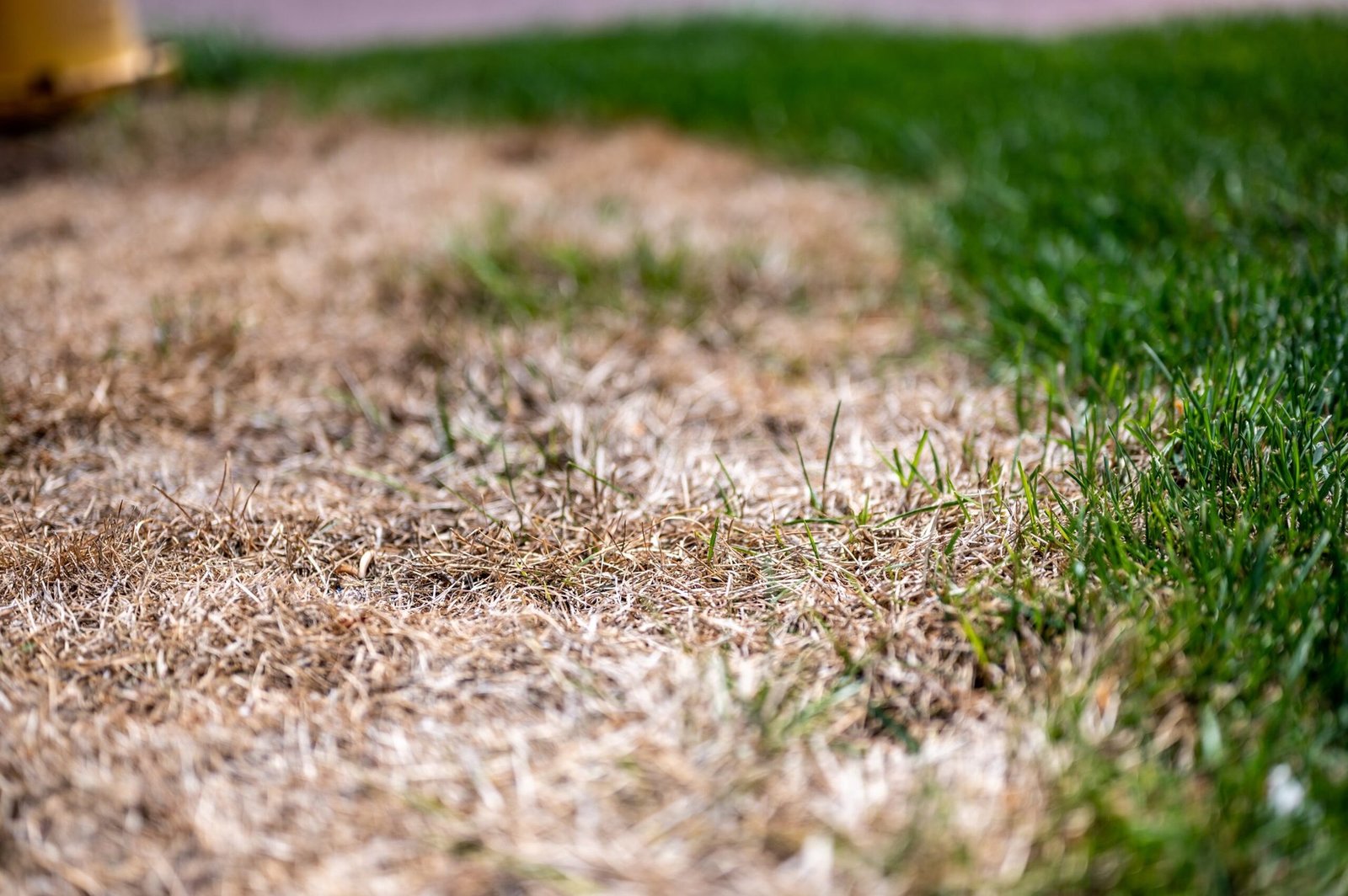
Aeration is great for your lawn, but it can leave your grass looking rough and patchy. If you want your yard to bounce back quickly and look lush again, you need to know how to repair it right after aeration.
You’ll discover simple, effective steps to restore your lawn’s health and beauty. By following these tips, you’ll turn those tiny holes into a thriving, green carpet that your neighbors will envy. Ready to bring your lawn back to life? Let’s get started!
Benefits Of Lawn Aeration
Lawn aeration helps your grass grow stronger and healthier. It involves making small holes in the soil. This process lets air, water, and nutrients reach the roots better.
Aeration reduces soil compaction. Compacted soil stops roots from growing deep. By aerating, you improve soil structure and lawn health.
Improved Nutrient Absorption
Aeration opens the soil surface. This allows fertilizers and natural nutrients to soak in more easily. The roots get more food to grow strong and green.
Enhanced Water Penetration
Water can pool on compacted soil and run off. Aeration creates space for water to seep deep into the ground. This helps the lawn stay moist during dry periods.
Reduced Soil Compaction
Heavy foot traffic and machines can press the soil down. Compacted soil blocks root growth. Aeration loosens the soil so roots have room to spread out.
- Allows roots to grow deeper
- Improves air exchange in the soil
- Helps beneficial soil microorganisms thrive
- Reduces water runoff and puddling
- Supports stronger, greener grass
Better Thatch Breakdown
Thatch is a layer of dead grass between soil and green grass. Too much thatch stops water and nutrients from reaching roots. Aeration helps break down thatch naturally.
| Benefit | Effect on Lawn |
|---|---|
| Increased Oxygen | Roots breathe better and grow stronger |
| Improved Water Flow | Lawn stays hydrated and healthy |
| Enhanced Nutrient Uptake | Grass gets the food it needs |
| Reduced Soil Hardness | Roots can spread easily |
| Thatch Control | Prevents lawn disease and dryness |
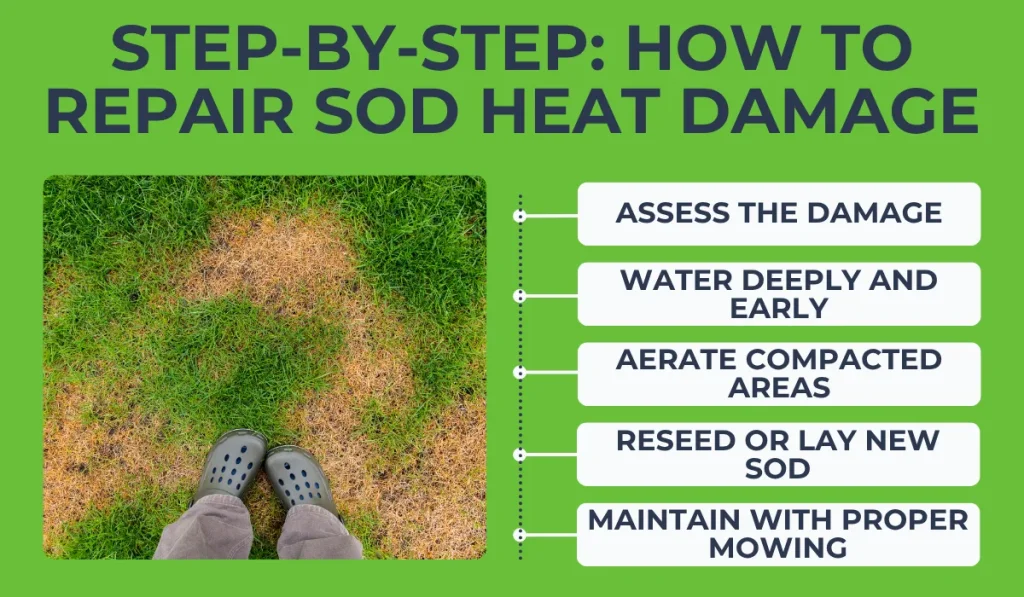
Credit: sodlawn.com
Signs Of Lawn Damage Post-aeration
Aeration helps improve lawn health by allowing air, water, and nutrients to reach the roots. Sometimes, lawns show signs of damage after aeration. Knowing these signs helps you fix problems quickly.
Look for changes in your lawn’s appearance and texture. Early detection of damage can save your grass from long-term harm.
Brown Or Yellow Patches
After aeration, some parts of the lawn may turn brown or yellow. This happens if the grass roots get damaged or if the soil dries out too fast.
These discolored patches show that your lawn needs extra care like watering and nutrients to recover.
Soil Compaction Still Present
One goal of aeration is to reduce soil compaction. If your soil feels hard or roots cannot grow well, compaction may still be a problem.
This means aeration was not done deep enough or often enough. The lawn will struggle to absorb water and nutrients.
Visible Holes Or Uneven Surface
Aeration leaves holes in the lawn to help air and water reach roots. Sometimes, these holes remain open too long or the surface stays uneven.
If holes do not close after a few weeks, or the lawn feels bumpy, it may need leveling or overseeding.
Thinning Grass Growth
If you notice grass thinning or slower growth after aeration, roots might be weak or damaged. This slows down recovery and lawn thickness.
Thin grass patches need extra watering, feeding, or reseeding to fill in the gaps and grow strong again.
Increased Weed Growth
Weeds can take advantage of weak grass after aeration. If you see more weeds, your lawn may not be healthy enough to fight them off.
Controlling weeds early helps your lawn recover faster and grow thick, healthy grass.
Timing For Lawn Repair
Repairing your lawn after aeration helps it grow back healthy. Choosing the right time for repair is very important.
This guide explains when to repair your lawn after aeration for the best results.
Ideal Time To Repair
Repair your lawn soon after aeration to let seeds and soil mix well. This helps grass grow faster and fills bare spots.
Best Season For Lawn Repair
Spring and fall are the best seasons for lawn repair. Cool weather helps grass seeds sprout and grow strong roots.
Avoid Repairing At The Wrong Time
Do not repair during very hot or dry times. Seeds may dry out and not grow well. Wait for cooler, moist weather instead.
Signs It’s Time To Repair
- Visible bare spots after aeration
- Thin grass coverage in parts of your lawn
- Soil is loose and ready to accept seeds
- Recent aeration with open holes in soil
Summary Of Timing Factors
| Factor | Ideal Condition |
| Season | Spring or Fall |
| Soil Temperature | 50°F to 65°F (10°C to 18°C) |
| Soil Moisture | Moist but not soggy |
| Weather | Cool and calm, no heavy rain expected |
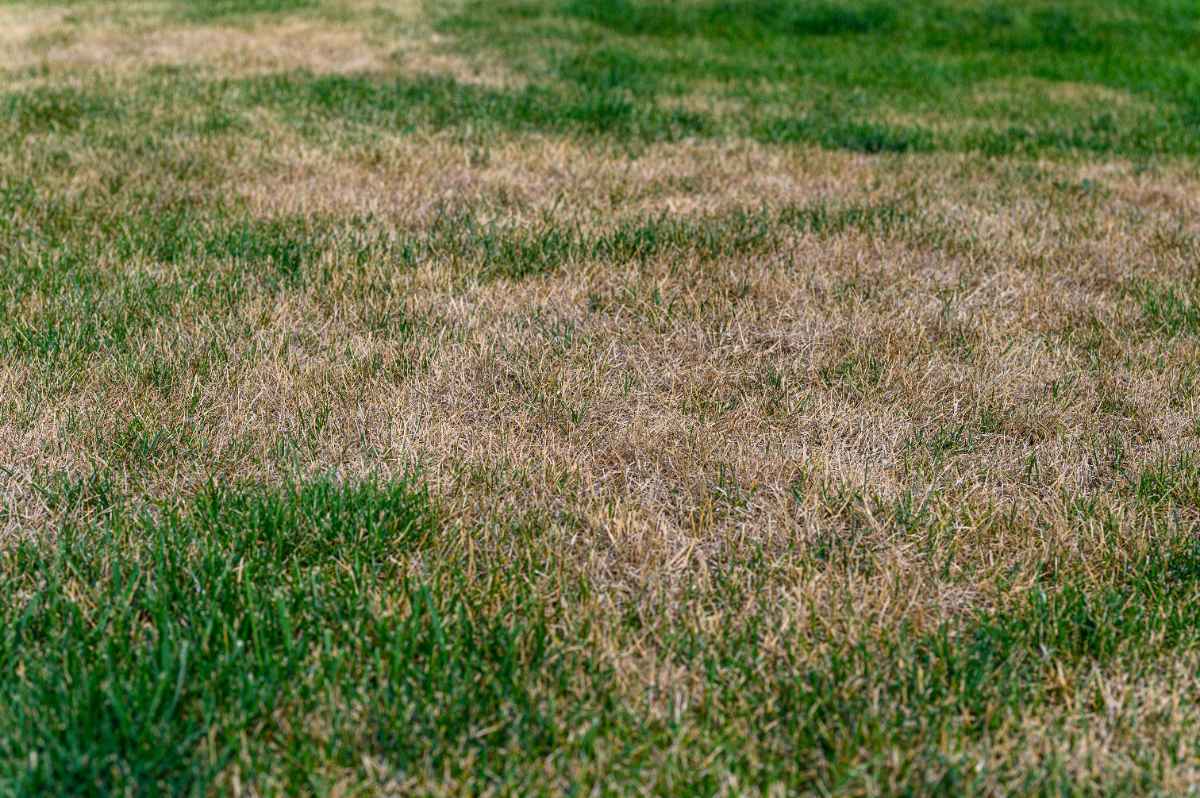
Credit: www.lawnstarter.com
Soil Preparation After Aeration
After aeration, your lawn needs proper care to grow healthy again. Preparing the soil helps grass roots get air, water, and nutrients.
Focus on clearing debris, checking soil pH, and adding topsoil for the best results.
Clearing Debris
Remove any leftover plugs and debris from the lawn surface. This step prevents blockages that stop water and nutrients from reaching the roots.
- Rake the lawn gently to collect soil plugs
- Clear leaves, sticks, and dead grass
- Dispose of debris away from the lawn area
Checking Soil Ph
Soil pH affects how well your grass absorbs nutrients. Testing the pH helps you know if you need to adjust it.
| pH Level | Effect on Grass | Action Needed |
| Below 6.0 | Too acidic | Add lime to raise pH |
| 6.0 to 7.0 | Ideal range | No change needed |
| Above 7.0 | Too alkaline | Add sulfur to lower pH |
Adding Topsoil
Adding topsoil fills holes made by aeration and improves soil quality. Use quality topsoil that matches your existing soil.
- Spread a thin layer of topsoil over the aerated lawn
- Use a rake to work the soil into holes and surface
- Water the lawn lightly to help topsoil settle
Seed Selection And Application
After aerating your lawn, choosing the right seed and applying it well helps your grass grow thick. Good seed fills the holes made by aeration and repairs bare spots.
Picking the right grass seed and using the right seeding method are key steps. This guide explains how to do both for a healthy lawn.
Choosing The Right Grass Seed
Select grass seed that matches your climate and soil type. Cool-season grasses work best in northern areas, while warm-season grasses suit southern regions.
Look for seed that is fresh and pure. High-quality seed has a good germination rate and fewer weeds mixed in.
- Use Kentucky bluegrass or fescue in cool climates
- Choose Bermuda or zoysia grass in warm climates
- Check the seed label for germination and purity
- Buy seed suited for your soil and sun exposure
Seeding Techniques
After aeration, spread seed evenly over the soil. The holes help seeds reach the soil and take root better.
Lightly rake the area to mix seeds with soil. Then press the seeds down to improve contact and moisture absorption.
- Use a broadcast spreader for even seed distribution
- Rake gently to cover seeds with soil
- Roll or press the lawn to ensure good seed contact
- Water the seeded area regularly but gently
Fertilizing For Recovery
After aeration, your lawn needs nutrients to heal. Fertilizing helps grass grow back stronger and greener.
Nutrients in fertilizer support grass recovery. It’s important to choose the right type for your lawn’s needs.
Best Fertilizer Types
Different fertilizers offer various benefits. Choose the best one for your lawn’s condition.
- Nitrogen-rich fertilizers help grass grow quickly.
- Phosphorus fertilizers improve root development.
- Potassium fertilizers strengthen grass against stress.
Application Tips
Applying fertilizer correctly is crucial for lawn recovery. Follow these tips to ensure effectiveness.
- Water the lawn before applying fertilizer to avoid burning.
- Use a spreader for even distribution.
- Apply fertilizer during cool parts of the day.
- Follow the package instructions for correct amounts.
Watering Strategies
Repairing a lawn after aeration requires the right watering strategies. Proper watering helps grass grow stronger and healthier.
This guide will help you understand the best watering schedule and how to avoid overwatering.
Optimal Watering Schedule
Watering your lawn at the right times is important. The best time to water is early in the morning.
Morning watering allows grass to absorb water before the sun gets too hot. This helps the lawn stay moist longer.
- Water between 6 AM and 10 AM
- Avoid watering in the evening
- Water deeply but less frequently
Avoiding Overwatering
Overwatering can harm your lawn. Too much water can lead to weak roots and disease.
It is important to find the right balance. Check the soil moisture before watering again.
- Use a soil moisture meter
- Allow the top inch of soil to dry
- Adjust watering based on weather
Protecting Lawn During Recovery
After aeration, your lawn needs special care to heal well. Protecting it helps grass grow strong and healthy.
Keeping the lawn safe from damage speeds up recovery. Avoid actions that can harm the soil or grass.
Limiting Foot Traffic
Walking on the lawn after aeration can hurt the grass and soil. It compacts the soil and slows healing.
Try to keep people and pets off the lawn for at least a week. Use signs or barriers to remind others.
- Keep pets off the lawn during recovery
- Ask family to avoid walking on it
- Use temporary fences or markers
- Stay on paths or driveways nearby
Using Lawn Covers
Lawn covers help protect grass from harsh weather and foot traffic. They keep moisture and warmth in.
Choose lightweight covers that let air and water reach the soil. Remove covers once the lawn looks healthy.
- Use breathable fabric covers or nets
- Avoid heavy plastic sheets that block air
- Cover during rain or very hot days
- Remove covers after 7–10 days
Regular Maintenance Post-repair
After aerating your lawn, regular care helps keep it healthy and strong. Proper maintenance supports grass growth and recovery.
Following simple steps will improve your lawn’s look and prevent damage after aeration.
Mowing Tips
Wait until the grass grows taller before mowing after aeration. This helps the grass recover well.
Keep mower blades sharp to avoid tearing grass. Set mower height higher than usual to protect new shoots.
- Do not cut more than one-third of the grass height
- Mow when grass is dry to prevent clumping
- Use a sharp blade to ensure clean cuts
Pest And Weed Control
Check your lawn often for signs of pests or weeds after aeration. Early treatment stops spread and damage.
Use safe pest and weed control methods to protect grass and soil. Avoid harsh chemicals that harm new growth.
- Inspect lawn weekly for pests like grubs or insects
- Remove weeds by hand or use natural herbicides
- Apply pest control products only if needed

Credit: www.emeraldtreecare.com
Frequently Asked Questions
How Soon Should I Water My Lawn After Aeration?
Water your lawn within 24 hours after aeration. This helps soil settle and promotes root growth. Regular watering keeps the lawn healthy and improves nutrient absorption.
When Is The Best Time To Repair Lawn After Aeration?
The best time to repair lawn is immediately after aeration. Fill holes with topsoil or compost, then overseed to boost grass growth. Early fall or spring are ideal seasons for aeration and repair.
Can I Fertilize My Lawn After Aeration?
Yes, fertilizing after aeration is beneficial. It delivers nutrients directly to the roots. Use a slow-release fertilizer to avoid burning and support healthy growth.
Should I Avoid Mowing My Lawn After Aeration?
Avoid mowing for at least 3 days after aeration. This prevents stress on grass and allows seed and soil to settle. Mow only when grass reaches recommended height.
Conclusion
Repairing your lawn after aeration takes time and care. Water the grass regularly to help roots grow strong. Add a thin layer of topsoil or compost to fill holes. Avoid heavy foot traffic to prevent damage. Keep mowing at a proper height to encourage growth.
Patience is key for a healthy, green lawn. Follow these steps to see your lawn improve steadily. Your efforts will bring a lush, beautiful yard soon.

