
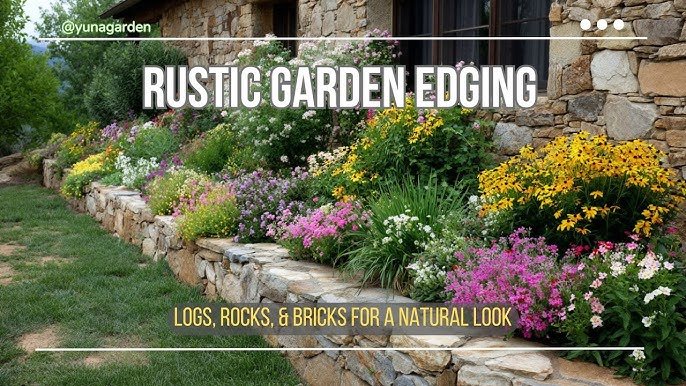
Are you looking to give your lawn a fresh, inviting look without using harsh materials? Creating natural lawn borders is a simple way to add charm and structure to your outdoor space.
Imagine a garden edge that blends seamlessly with your plants, making your lawn look neat and cared for. You’ll discover easy steps and tips to design natural borders that not only enhance your yard’s beauty but also save you time and effort.
Keep reading to transform your lawn into the green space you’ve always wanted.
Credit: doubletakedecor.com
Choosing Border Materials
Choosing the right material for your lawn border helps define your garden’s look. Different materials add style and function to your outdoor space.
Think about the material’s durability, appearance, and how it fits your yard’s theme. This guide covers natural stones, wood, and living plant borders.
Natural Stones And Rocks
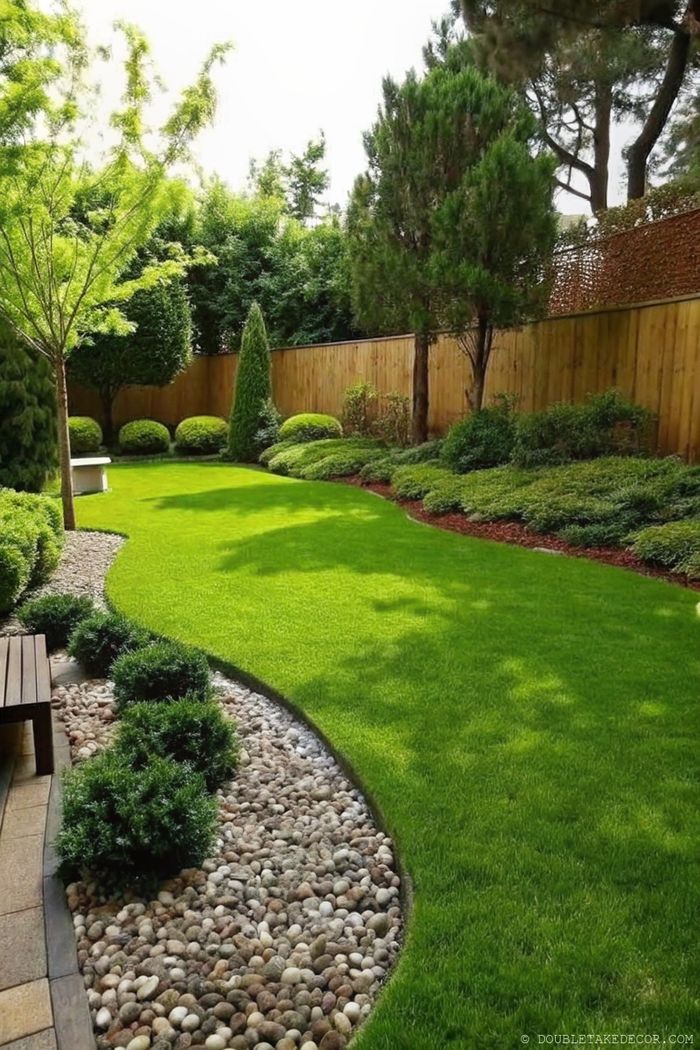
Natural stones and rocks create a strong, lasting border. They give your lawn a rustic and organic feel.
You can choose from smooth river rocks, rough fieldstones, or flat flagstones. Each stone type offers a unique look and texture.
- Stones are weather-resistant and low maintenance
- They help keep soil and mulch in place
- Easy to arrange in curves or straight lines
- Colors range from gray and brown to red and white
Wood And Timber Options
Wood borders add warmth and charm to your lawn. You can use logs, planks, or wooden stakes for different styles.
Choose durable wood types like cedar or redwood that resist rot and insects. Treat the wood to extend its life outdoors.
- Wood is easy to cut and shape
- It blends well with natural gardens
- Can be painted or stained to match your yard
- Needs occasional maintenance to prevent decay
Living Plant Borders
Living plant borders use low-growing shrubs, flowers, or grasses to edge your lawn. They create a soft, natural look.
Choose plants that suit your climate and lawn conditions. They can provide color, texture, and even attract pollinators.
- Boxwood and lavender make neat, formal edges
- Ornamental grasses add movement and height
- Flowering plants give seasonal color
- Living borders need watering and trimming
Planning Your Lawn Border
Creating natural lawn borders helps define your garden space. Planning is important before starting.
Good planning makes your lawn border look neat and last longer. Think about your garden’s shape and needs.
Assessing Garden Layout
Look at your garden’s size and shape. Notice where the lawn meets flower beds or paths.
Check sunlight and shade areas. Some plants need more sun or less to grow well.
- Find natural edges to follow
- Look for slopes or uneven ground
- Note areas with heavy foot traffic
Measuring And Marking Edges
Measure the length of the border you want to create. Use a tape measure for accuracy.
Mark the edges with stakes or string. This shows where to place plants or materials.
- Measure straight and curved sections carefully
- Mark corners clearly with visible stakes
- Use string lines to keep edges straight
Considering Maintenance Needs
Think about how much time you can spend on lawn care. Some borders need more work than others.
Choose plants and materials that match your maintenance level. Low-maintenance options save time.
- Select hardy plants that need less watering
- Use natural stones or mulch for easy care
- Plan for regular trimming to keep edges tidy
Preparing The Soil
Creating natural lawn borders starts with good soil preparation. Healthy soil helps plants grow strong and keeps borders neat.
Prepare the soil carefully by clearing the area, improving soil quality, and making sure the ground is level and firm.
Clearing The Area
Remove all grass, weeds, and debris where you want the lawn border. This gives plants space to grow without competition.
- Cut back tall grass and weeds
- Dig out roots and stones
- Clear fallen leaves and trash
- Dispose of all unwanted materials properly
Improving Soil Quality
Good soil feeds your plants and helps them take root. Add organic matter to improve texture and nutrients.
| Material | Benefit | How to Use |
| Compost | Increases nutrients | Mix into top 6 inches of soil |
| Peat moss | Improves moisture retention | Spread evenly before planting |
| Sand | Improves drainage | Add if soil is heavy clay |
Leveling And Compacting
Make the soil even and firm to support plants and keep borders tidy. Use simple tools to level and compact.
To level and compact soil:
- Use a rake to smooth the surface
- Step on the soil or use a tamper tool
- Check for low spots and fill them
- Repeat until the ground feels firm and flat
Installing Stone And Rock Borders
Stone and rock borders add a natural look to your lawn. They help define spaces and keep grass and plants neat. Installing these borders is easy with the right materials and tools.
This guide covers choosing stones, placing them, and making sure your border lasts a long time.
Selecting The Right Stones
Choose stones that match your lawn’s style and size. Consider color, shape, and size to create a natural look. Rounded stones give a soft feel, while flat stones work well for a clean edge.
- Pick stones that are easy to handle and fit your budget.
- Use larger stones for a bold border and smaller ones for subtle edges.
- Check local quarries or garden centers for stone options.
- Avoid sharp or rough stones that can be unsafe.
Arranging And Securing Stones
Lay stones in a line along the border area. Make sure they touch each other to prevent gaps. Dig a shallow trench if needed to keep stones stable.
- Clear the soil and remove grass where you want the border.
- Dig a trench about half the height of your stones.
- Place stones upright or flat, fitting them tightly together.
- Fill gaps with soil or small gravel to lock stones in place.
- Press soil firmly around stones to secure them.
Tips For Stability And Longevity
Keep your stone border strong by following some simple tips. Proper setup prevents stones from moving or sinking over time.
| Tip | Reason |
| Use a level | Keeps stones even and stable |
| Add gravel base | Improves drainage and support |
| Compact soil well | Prevents shifting and settling |
| Check border yearly | Fix loose stones early |
| Seal stones (optional) | Protects from weather damage |
Creating Wooden Borders
Wooden borders give your lawn a natural and neat look. They help keep grass and plants in place. You can create these borders easily with the right tools and wood.
This guide shows you how to choose wood, cut and place it, and protect it from weather damage.
Choosing Durable Wood
Pick wood that lasts long outside. Look for types that resist rot and insects. Cedar and redwood are good choices. Pressure-treated wood is also strong but avoid types that contain chemicals harmful to plants.
- Cedar: naturally resists decay
- Redwood: durable and insect-resistant
- Pressure-treated pine: strong but check for safe treatments
- Teak or ipe: very hard woods but cost more
Cutting And Positioning
Measure the lawn edges carefully before cutting. Use a saw to cut wood to the right length. Make sure edges fit tightly to avoid gaps. Position the wood so it stands straight or slightly angled into the soil for stability.
- Measure the lawn border length
- Mark cutting points on the wood
- Cut wood with a handsaw or power saw
- Place wood along the lawn edge
- Push wood into soil or use stakes to hold it
Protecting Wood From Weather
Wood faces rain, sun, and cold. Protect it to last longer. Use sealants or wood oil to keep moisture out. Reapply every year or two. Covering wood with mulch also helps reduce wear.
| Protection Method | Benefit |
|---|---|
| Wood sealant | Blocks water and reduces cracking |
| Wood oil | Maintains natural look and repels water |
| Mulch covering | Protects base from soil moisture and pests |
| Regular maintenance | Extends border life and appearance |

Credit: www.youtube.com
Planting Living Borders
Creating natural lawn borders with living plants adds beauty to your garden. It also supports local wildlife and improves air quality. Let’s explore how to plant living borders effectively.
Selecting Suitable Plants
Choosing the right plants is crucial for a healthy border. Consider the climate and soil conditions of your area. Native plants are often the best choice because they adapt well and require less maintenance.
- Research local native plants
- Check plant height and spread
- Choose plants with different blooming times
Planting Techniques
Proper planting ensures your living border thrives. Start by preparing the soil. Remove weeds and add compost for nutrients. Plant in the right season for your chosen plants.
Space the plants correctly to allow for growth. Water them well after planting to help them settle.
- Prepare soil with compost
- Space plants according to their size
- Water thoroughly after planting
Caring For Living Borders
Regular care keeps your borders looking great. Water the plants during dry spells. Mulch helps retain moisture and suppress weeds.
Prune plants to maintain their shape and encourage growth. Watch for pests and diseases, and treat them early.
- Water during dry periods
- Apply mulch to retain moisture
- Prune regularly for shape
- Check for pests and diseases
Maintaining Natural Borders
Natural lawn borders add beauty and structure to your yard. Keeping them healthy takes regular care. You need to manage weeds, do seasonal tasks, and fix any damage.
These simple steps help your natural borders stay strong and look great all year. Use easy methods to keep them neat and natural.
Weed Control Methods
Weeds can ruin the look of natural borders and harm plants. Control weeds by removing them early. Use mulch to block weed growth. Hand pulling is best for small areas to avoid chemicals.
- Pull weeds by hand when soil is moist
- Apply organic mulch around plants
- Use natural weed barriers like cardboard or newspaper
- Spot treat with natural herbicides if needed
- Check borders weekly for new weeds
Seasonal Upkeep
Natural borders need care during each season. In spring, prepare the soil and plant new border plants. Summer requires watering and trimming. Fall is for cleaning leaves and adding mulch. Winter needs minimal care but watch for damage.
| Season | Main Tasks |
| Spring | Plant, prune, prepare soil |
| Summer | Water, trim, control weeds |
| Fall | Clean leaves, add mulch |
| Winter | Protect plants, check for damage |
Repairing And Refreshing Borders
Borders can get damaged by weather or foot traffic. Fix bare spots by planting native grasses or flowers. Refresh mulch to keep borders tidy. Remove dead plants and replace them quickly.
- Fill bare spots with new plants
- Replace or add fresh mulch
- Remove dead or damaged plants
- Edge borders to keep shape
- Water new plants regularly
Credit: doubletakedecor.com
Enhancing Borders With Decorative Elements
Creating natural lawn borders adds charm to any garden. Decorative elements enhance these borders beautifully.
Explore various ways to enhance your garden’s borders. These methods bring life and elegance to your outdoor space.
Adding Mulch And Gravel
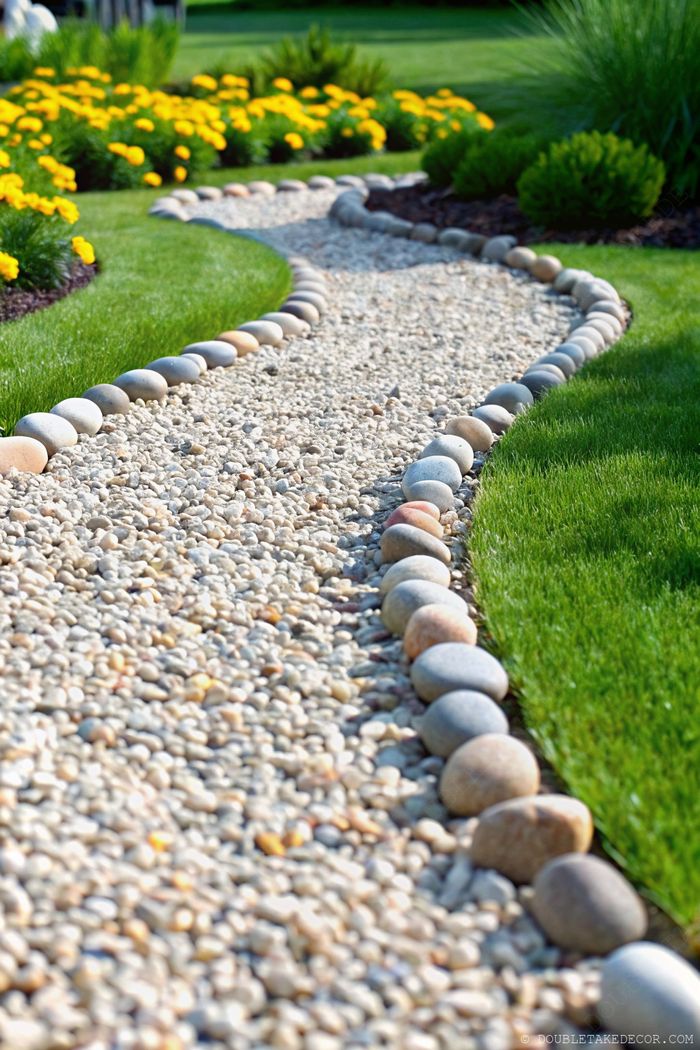
Mulch and gravel offer a clean and natural look for your lawn borders. They help in retaining moisture and controlling weeds.
- Choose organic mulch for a natural appearance
- Use gravel for a more structured border
- Combine both for a textured effect
Incorporating Garden Lighting
Garden lighting highlights your lawn borders at night. It adds a magical glow to your garden.
- Solar-powered lights
- LED path lights
- Spotlights for larger areas
Using Garden Ornaments
Garden ornaments offer personality and charm to your lawn borders. They can be both functional and decorative.
| Ornament Type | Material |
| Statues | Stone |
| Bird Baths | Ceramic |
| Wind Chimes | Metal |
Frequently Asked Questions
What Plants Work Best For Natural Lawn Borders?
Native grasses, low shrubs, and perennial flowers work best. They blend well, require less maintenance, and attract pollinators. Choose plants suited to your climate and soil type for healthy growth and lasting beauty.
How Do I Prepare Soil For Natural Lawn Borders?
Remove weeds and debris first. Loosen the soil to improve aeration and drainage. Add organic compost to enrich nutrients. Proper preparation helps plants establish strong roots and thrive in your lawn border.
Can Natural Lawn Borders Prevent Grass Spreading?
Yes, natural borders create physical barriers. Dense plants and edging materials slow grass runners and weeds. This helps maintain a clean separation between lawn and garden beds, reducing unwanted grass spread.
How Often Should Natural Lawn Borders Be Maintained?
Regular maintenance is needed, usually biweekly or monthly. Remove weeds, trim plants, and refresh mulch as needed. Consistent care keeps borders healthy, attractive, and prevents overgrowth into the lawn area.
Conclusion
Creating natural lawn borders adds charm and order to your garden space. Choose plants and materials that match your lawn’s style. Keep borders neat by trimming and watering regularly. Natural borders help protect your lawn and attract wildlife too. Small steps lead to a beautiful, inviting yard.
Enjoy the process and watch your garden grow. Simple care makes a big difference over time. Your lawn will look fresh and welcoming all year. Try these tips and see the change for yourself.

